
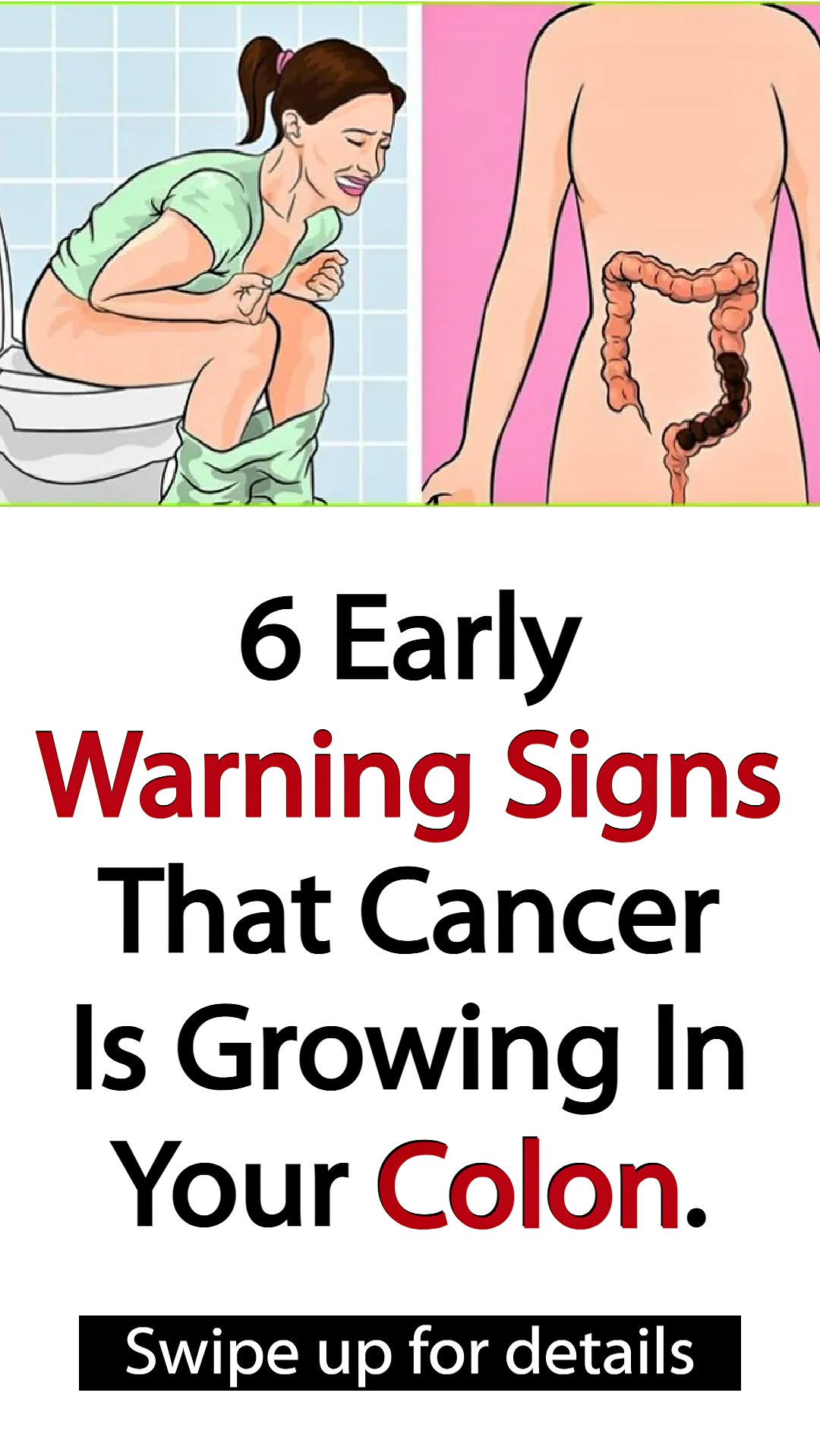
Understanding Colon Cancer Warning Signs
Noticing changes in your body can feel uncertain, especially as we get older. Colon cancer, also called colorectal cancer when it includes the rectum, often develops slowly over many years. The encouraging news is that it is highly treatable when found early, and simple screening tests can catch it before it causes serious problems. Knowing the early signs helps you speak up promptly and get the care you deserve.

This guide walks through six early indicators that colon cancer may be developing. Each sign, on its own, could be caused by something less serious such as hemorrhoids, a temporary infection, or food intolerance. What matters most is change over time. If something new persists for a couple of weeks or more, or if you notice bleeding or feel unwell, it is wise to ask a healthcare professional to take a closer look.
Why Early Detection Makes Such a Difference
Colon cancer usually begins as small growths called polyps inside the large intestine. Many polyps are harmless, but some can slowly turn into cancer. Screenings can find and remove polyps long before they cause trouble. If cancer is found early, treatment is often easier, recovery is faster, and outcomes are far better than if it is found late. That is why paying attention to subtle signals and staying up to date with screening is so important.
What Makes Symptoms Tricky
Colon cancer symptoms can be gentle at first. They may come and go, or feel like common problems you have experienced before. It can be tempting to assume it is nothing or to wait for it to pass. Listening to your body is key. Patterns that linger, or symptoms that are new for you, are worth mentioning to your doctor, even if they seem small.
A Lasting Change in Bowel Habits
A bowel habit that suddenly changes and stays different is one of the most common early signs. This may look like diarrhea that does not settle after a couple of weeks, constipation that is new or worse than usual, or stools that seem narrower than before. You may notice a change in how often you go, how urgent it feels, or how complete each movement seems.
A brief episode of stomach upset from travel, medication changes, or a passing infection is common. The signal to pay attention is persistence. If the change lasts longer than two to three weeks, or if it keeps returning without a clear reason, it is time to check in with your healthcare provider.
Blood in the Stool or Rectal Bleeding
Seeing blood can be alarming, and it is a sign to take seriously. Bright red streaks on toilet paper or in the bowl may come from hemorrhoids or small tears, especially if you are straining. Darker, maroon, or very dark tar-like stools can suggest bleeding higher up in the digestive tract. Any ongoing bleeding, even small amounts, should be evaluated.
Because bleeding from hemorrhoids is common, many people delay calling the doctor. The safest approach is to avoid guessing. A simple exam and, if needed, a test can determine the cause. Never ignore blood that appears again and again, bleeding that is increasing, or bleeding combined with dizziness, fatigue, or weakness.
Ongoing Belly Discomfort, Cramping, or Bloating
Everyone has gas or abdominal cramps from time to time. When discomfort becomes frequent and does not improve, it may be an early clue. You might feel cramping that keeps returning to the same spot, a sense of pressure or fullness that does not go away, or unusual bloating that is not tied to specific foods.
Pain that interferes with sleep, wakes you at night, or is steadily getting worse deserves attention. Severe cramping with vomiting, or the sudden inability to pass gas or stool, can suggest a blockage and requires prompt medical care. For milder symptoms, notice the pattern over a couple of weeks and share what you find with your doctor.
Unexplained Fatigue or Weakness
Feeling unusually tired can have many causes, from sleep changes to stress. In colon cancer, slow blood loss can lead to iron-deficiency anemia, which often shows up as fatigue, shortness of breath with light activity, pale skin, or a heartbeat that feels faster than usual. This kind of tiredness does not improve with rest and gradually wears you down.
Because fatigue can sneak up on you, it helps to note what is different. If you find everyday tasks like walking up stairs or carrying groceries feel harder without a clear reason, or if friends and family notice you seem more worn out, bring it up at your next appointment. A simple blood test can check for anemia.
Unintentional Weight Loss or a Reduced Appetite
Weight naturally fluctuates, but losing weight without trying is a sign to explore. A drop in appetite, early fullness after small meals, or a steady decrease on the scale over several weeks can happen when the body is fighting an illness, including some cancers. Changes in how your pants fit or rings that feel looser can be early hints.
If you are not dieting and your weight has fallen by several pounds over a short period, or if food is becoming less appealing than usual, let your healthcare provider know. They will consider other common causes along with your digestive health.
Feeling You Have Not Completely Emptied the Bowel
That lingering urge to go again right after finishing, or a sensation that the bowel did not empty fully, is called tenesmus. It can be uncomfortable and frustrating. This feeling may come and go at first and may be accompanied by mucus in the stool, a new sense of pressure in the rectal area, or stools that look thinner than before.
While infections and inflammation can also cause these symptoms, persistence is the key detail. If the sensation of incomplete emptying keeps returning, make a note of how often it happens and share that information with your doctor.
When to Seek Prompt Care
Some situations call for quicker action. Contact a healthcare professional without delay if you notice blood in your stool more than once, stools that turn black or tarry, belly pain that is severe or steadily worsening, vomiting that does not stop, unexpected weight loss, or extreme fatigue. For changes that are milder but lasting, schedule a visit if they continue beyond two to three weeks. Trust your instincts. If something feels off, it is worth a conversation.
Screening Saves Lives
One of the most powerful steps you can take is regular screening, even if you feel fine. Many expert groups recommend that most adults begin screening at age forty-five and continue through age seventy-five. Beyond that age, screening decisions are personalized based on your overall health. Recommendations can vary by country and medical history, so it is best to discuss the plan that fits you with your clinician.
There are several safe and effective screening options. Some are stool-based tests you can do at home that check for hidden blood or certain DNA changes. Others, like colonoscopy, allow a doctor to look directly inside the colon and remove polyps during the same procedure. If a stool test is positive, a colonoscopy is usually the next step to find the cause. The right choice balances accuracy, comfort, and what works best for your schedule and preferences.
Screening is preventive care. It is not just about finding cancer; it is about preventing it by removing polyps before they become dangerous. If you have a family history of colon cancer or certain genetic conditions, or if you have long-standing inflammatory bowel disease, your doctor may recommend starting earlier or screening more often.
Lowering Risk with Everyday Habits
While no single habit can guarantee prevention, simple daily choices can support a healthy colon. A diet with plenty of fiber from vegetables, fruits, beans, and whole grains helps keep things moving comfortably. Drinking enough water and staying physically active support regularity and overall well-being. Many people find that regular walks, light strength exercises, or activities they enjoy like swimming or gardening help digestion and energy levels.
It can also help to limit processed meats and large amounts of red meat, avoid tobacco, and keep alcohol to moderate levels if you drink. If you manage chronic conditions like diabetes or high blood pressure, keeping them well controlled benefits your digestive health too. Before starting any new supplements or medications for prevention, have a quick discussion with your healthcare provider to make sure they are right for you.
What Diagnosis and Treatment Often Look Like Today
If symptoms or screening results suggest a closer look is needed, your care team has many tools available. Stool tests are simple and noninvasive. Colonoscopy is usually done with sedation, and most people are surprised by how quickly it is over. If a polyp is found, it can often be removed on the spot. If anything unusual is seen, a small sample can be taken for testing.
When colon cancer is found at an early stage, treatment is very effective. Surgery can be minimally invasive, using small incisions and careful techniques that help you recover faster. Depending on the type and stage, additional treatments like chemotherapy, targeted therapy, or radiation may be recommended. Your team will tailor the plan to your needs and help manage side effects so you can stay as active and comfortable as possible.
Preparing for a Helpful Doctor’s Visit
Arriving with a few notes can make your appointment more productive. Jot down when your symptoms started, how often they occur, and what makes them better or worse. Include any recent travels, new medications, or diet changes. List your current medicines and supplements, and bring key family health information, especially any relatives who had colon or rectal cancer and at what age. Clear information helps your clinician decide which tests, if any, are needed right now.
Do not hesitate to ask questions. You might ask what the most likely causes of your symptoms are, which tests they recommend and why, how to prepare for them, and when you will get results. Understanding the plan can ease worry and keep you moving forward with confidence.
Encouragement for the Road Ahead
Awareness is a gift you give yourself. The six early indicators to watch for are a lasting change in bowel habits, blood in the stool or rectal bleeding, ongoing belly discomfort or bloating, unexplained fatigue or weakness, unintentional weight loss or reduced appetite, and the feeling that you have not completely emptied your bowel. Noticing one of these does not mean you have cancer, but it does mean it is time to check in with a professional who can guide you.
Most causes of these symptoms are not cancer, and many are easily treated. By listening to your body, scheduling regular screening beginning around midlife, and taking steady steps to support your health each day, you stack the odds in your favor. If something is found, remember that early treatment is highly successful and modern care is compassionate and effective.
This information is meant to support your conversations with your healthcare provider, not replace them. If you have new or worrying symptoms, reach out to a clinician you trust. You know your body best, and your concerns are always worth bringing to light.



