
Many of us enjoy a little something sweet, especially with coffee in the morning or after dinner. But as we get into our late 40s, 50s, and 60s, our bodies can become more sensitive to sugar than they used to be. The same slice of cake or sweetened yogurt that once felt harmless may now leave you feeling sluggish, thirsty, or wide awake at 2 a.m. If you have been wondering whether sugar might be playing a bigger role in how you feel day to day, this friendly guide will help you spot the most common signs and make simple, realistic changes.
There is no need for guilt or perfection here. The goal is to notice patterns, take small steps, and feel better with each choice you make. Keep in mind that sugar shows up in places you might not expect, such as pasta sauces, salad dressings, crackers, flavored coffees, and even some “healthy” snacks. Once you learn to recognize the signals your body sends, it becomes much easier to steer your day in a steadier, more comfortable direction.
Before we get into the warning signs, it helps to remember that your body runs best on steady energy. Highly sweet foods and drinks tend to cause quick rises in blood sugar, followed by drops that can make you feel tired and hungry again. That rollercoaster can affect mood, sleep, skin, and even heart health over time. The good news is that with a few smart tweaks—like pairing protein with carbs or choosing less-sweet options—you can feel a noticeable difference within days.
Health organizations often suggest keeping added sugars modest. While the exact number can vary by person and your doctor’s advice, a simple approach is to focus on whole foods most of the time and save the very sweet treats for special moments. Reading labels for words like cane sugar, corn syrup, dextrose, and fruit juice concentrates can also help you spot the hidden sources.

Think of the following signs as friendly signals, not rules. If several sound familiar, a few small adjustments might help you feel more like yourself. If any symptom is new, severe, or persistent, it is always wise to talk with your healthcare provider to rule out other causes and get personalized guidance tailored to your health history and medications.
1. Energy Highs And Lows After Meals
If you feel energetic right after eating but crash within an hour or two, sugar might be a factor. Meals or snacks high in added sugar can cause a fast spike in blood sugar, followed by a quick drop that leaves you yawning, irritable, or craving more sweets. Many people describe this as a “tired but wired” feeling—restless yet low on true energy.
You can smooth out these ups and downs by pairing carbohydrates with protein and fiber. For example, instead of just toast and jam, try peanut butter on whole grain toast. Instead of a muffin alone, add a small Greek yogurt or an egg. These small shifts help your body release energy more steadily.
2. Constant Cravings For Sweets
The more sugar you eat, the more your taste buds and brain get used to that sweet hit. Over time, naturally sweet foods like berries or a crisp apple may taste less exciting compared with a cookie. This can create a loop where you keep reaching for another dessert or sweetened drink.
Gently dialing back the sweetness of your day can reset your taste buds within a couple of weeks. Try cutting sugar in your coffee or tea little by little, choose unsweetened yogurt and add fruit yourself, or swap soda for sparkling water with a lemon wedge. As your palate adjusts, you will start to enjoy the natural sweetness in foods again.
3. Increased Thirst And More Trips To The Bathroom
Feeling unusually thirsty or needing to urinate more often can be a sign that your body is trying to cope with higher blood sugar. When there is too much sugar in the bloodstream, your body may pull water from tissues to help flush it out, which can leave you dehydrated.
If this is happening frequently, it deserves attention, especially if you also notice blurred vision, fatigue, or unexpected weight changes. Reducing sweet drinks and choosing water throughout the day can help, and it is a good idea to speak with your healthcare provider to rule out underlying issues.
4. Weight Gain Around The Middle
As we age, our metabolism naturally slows, and the body can be more likely to store extra energy from sugary foods as fat—especially around the waist. Even if you are not eating more food overall, frequent sweet snacks and drinks may lead to a creeping increase in belly size over time.
Choosing balanced meals that include protein, vegetables, healthy fats, and a moderate portion of whole grains can make a real difference. Eating enough at mealtime also helps you feel satisfied so you are less likely to snack on sweets later.
5. Dry Skin

If your skin seems drier than usual despite using moisturizers and drinking fluids, sugar might be part of the picture. Higher blood sugar can pull fluid from tissues, and a steady stream of sweet foods may also influence hormones and inflammation that affect the skin’s moisture barrier.
To help your skin from the inside out, focus on hydration and add foods rich in healthy fats and antioxidants, such as olive oil, nuts, seeds, and colorful vegetables. Cutting back on sweet drinks is often one of the quickest ways to notice skin feeling more comfortable.
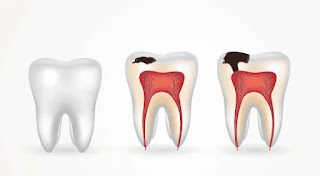
6. More Cavities, Gum Sensitivity, Or Bad Breath
Sugar feeds the bacteria that live in the mouth, and when those bacteria thrive, they can create acids that wear down enamel. If you are facing more frequent dental work, bleeding gums, or stubborn bad breath, it is worth looking at how often you are having sweets and sweetened drinks, especially between meals.
Simple changes go a long way here. Rinse your mouth with water after anything sweet, enjoy desserts with a meal rather than as a stand-alone snack, and keep up with regular brushing and flossing. If dry mouth is also an issue, sipping plain water during the day can make your mouth feel fresher and more comfortable.
7. Brain Fog And Mood Swings
Quick rises and falls in blood sugar can leave you feeling mentally cloudy or unusually irritable. You might notice trouble focusing in the late morning after a sugary breakfast, or a mid-afternoon slump if lunch leaned heavily on refined carbs and sweetened drinks. For some people, this shows up as anxiety, restlessness, or a low mood that lifts after eating again.
A steadier plate can support a steadier mind. If a sweet breakfast leaves you foggy, try eggs with vegetables or plain yogurt topped with berries and nuts. At lunch, adding a palm-sized portion of protein, a generous serving of vegetables, and a whole grain can help you avoid the 3 p.m. crash.
8. Sleep Disruptions And Nighttime Wake-Ups
Eating a very sweet dessert late in the evening may make it harder to fall asleep or keep you waking in the middle of the night. That is because the body may first rev up as blood sugar rises, and then send out signals when it drops. Some people also notice more snoring or restlessness after a sugar-heavy evening.
If sleep has been rocky, experiment with a lighter, less-sweet evening routine. A small snack that includes protein—like a slice of turkey, a bit of cheese, or a few spoonfuls of unsweetened yogurt—can help keep blood sugar steadier overnight. A calming wind-down routine, limiting screens, and keeping your room cool and dark also make a difference.
9. Slow-Healing Skin And More Frequent Infections
If small cuts or scrapes seem to heal more slowly than they used to, or if you are dealing with repeated skin or yeast infections, sugar may be contributing. Consistently high blood sugar can affect circulation and immune defenses, which may make it harder for the body to bounce back quickly.
This is an important sign to discuss with your healthcare provider, particularly if it is new for you. In the meantime, choosing savory breakfasts, minimizing sweet drinks, and adding fiber-rich vegetables to meals can help your body maintain a steadier balance.
A Gentle Plan To Cut Back Without Feeling Deprived
It is absolutely possible to enjoy sweetness and still feel great. Start by picking one or two places in your day where sugar sneaks in, and make a small swap. If you love soda, try sparkling water with citrus. If sweetened yogurt is your go-to, switch to plain and stir in berries. If you always want dessert, savor a few squares of dark chocolate or a bowl of fruit instead of something heavily frosted.
Protein and fiber are your allies. When you make sure there is a bit of protein at every meal—such as eggs, yogurt, fish, poultry, beans, or tofu—you tend to feel satisfied longer, and cravings naturally settle down. Vegetables, beans, and whole grains bring fiber that slows digestion and helps keep blood sugar steady. Even small additions, like tossing a handful of spinach into an omelet or adding beans to soup, can help.
Steady hydration also matters. Sometimes we reach for a sweet snack when we are actually thirsty. Keeping a glass of water nearby during the day and taking regular sips can keep energy up and cravings down. If plain water feels boring, try adding a slice of lemon, cucumber, or a sprig of mint for a gentle flavor boost.
Finally, be kind to yourself. Changing habits is easier when you think progress, not perfection. If you have a particularly sweet day, just return to your plan at the next meal. Many people notice that within a week or two of cutting back on added sugar, energy improves, sleep feels more restful, and clothes fit a bit more comfortably. Your taste buds will catch up too, and before long, naturally sweet foods will taste more satisfying again.
When To Check In With Your Doctor
If you recognize several of these signs—especially increased thirst, frequent urination, blurred vision, slow-healing cuts, or unexplained fatigue—it is a good idea to check in with your healthcare provider. They can look at the full picture, run any necessary tests, and help you create a plan that fits your health history and medications. A little guidance now can prevent bigger problems down the road and help you feel your best every day.
Remember, this is not about giving up everything you love. It is about finding a comfortable balance so you can enjoy meals, feel steady energy, sleep well, and keep doing the things that matter most. A few thoughtful changes add up quickly, and your future self will be glad you made them.



