
Many of us enjoy a little sweetness in our day. A biscuit with tea, a sweetened yogurt, or a glass of juice can feel like a small comfort. But as we get older, our bodies handle sugar differently. Too much added sugar can leave us feeling tired, achy, and out of sorts, even when we are doing our best to stay active and eat well. The good news is that our bodies often give us early clues when sugar is creeping up too high. Noticing these signs can help you make small, steady changes that protect your energy, your joints, your skin, and even your memory.
This friendly guide walks you through nine warning signs that you may be eating more sugar than your body can comfortably manage. You will also find simple, practical ideas you can try at your own pace. No strict rules, no complicated plans—just easy steps that fit into everyday life. If any of these signs sound familiar, consider chatting with your doctor or a registered dietitian for personalized advice.

Even foods that do not taste very sweet—like many breakfast cereals, sauces, and low-fat snacks—can add up in sugar. That is why paying attention to how you feel each day is so helpful. Your body often whispers before it shouts. Let’s look at the signals worth noticing and what you can do about them.
Dry Skin
If your skin feels unusually dry, flaky, or itchy, especially on your lower legs, arms, or hands, sugar may be part of the reason. When blood sugar runs high, your body can lose fluid more quickly. That gentle dehydration can leave skin feeling tight and dull. Over time, excess sugar can also affect circulation and the tiny nerves that supply the skin, which may reduce that healthy, nourished glow.


Gentle daily care can make a difference. Keep a plain, fragrance-free moisturizer near the sink and apply after washing or showering. Sip water throughout the day instead of only at mealtimes. If you wake at night to drink or use the bathroom, or notice very slow-healing skin, it is wise to talk with your doctor about checking your blood sugar.
Constant Tiredness and Energy Crashes
Feeling wiped out even after a decent night’s sleep can be a sign that sugar is running the show. Sweet foods push blood sugar up quickly, then it drops just as fast, leaving you sluggish, foggy, and ready for a nap. This up-and-down pattern is especially common after a breakfast made of mostly refined carbs and sweets.
A steadier breakfast can help you feel alert and satisfied. Try pairing protein, fiber, and healthy fat, such as eggs with tomatoes, plain Greek yogurt with a handful of nuts and berries, or whole-grain toast with natural peanut butter. Many people notice a clear lift in mid-morning energy within a week or two of making this small change.
Bigger Waistline and Unwanted Weight Gain
Excess sugar is easy to store but hard to notice—until the waistband feels snug. Sugary drinks, pastries, sweets, and even generous portions of fruit juice can add extra calories that go straight to the midsection. Over time, a larger waistline can increase the risk of heart concerns and blood sugar problems.
You do not need to give up everything you enjoy. Shrinking portions a little and saving sweets for after a savory meal can help keep blood sugar steadier. Swapping a daily soft drink or sweetened tea with sparkling water and a slice of citrus can make a visible difference in a month.
Strong Sugar Cravings and Never Feeling Satisfied
If you finish a sweet snack and soon want another, that is not a lack of willpower. It is your biology at work. Sweet foods light up the reward center in the brain, and swings in blood sugar can leave you wanting a quick fix. The more often this happens, the more your taste buds get used to high levels of sweetness.
Ease cravings by adding satisfying foods that keep you fuller longer. A small handful of nuts, a piece of cheese with apple slices, or hummus with cucumber can calm that urge for another biscuit. Over time, your taste for very sweet foods often softens, making it easier to be content with less.
Thirst and Frequent Urination
Feeling unusually thirsty, needing to use the bathroom more often, or waking at night to urinate can be a sign that your body is trying to flush out excess sugar. This happens because high blood sugar pulls fluid into the urine, which can lead to dehydration and even more thirst. If this is happening regularly, it is important to let your doctor know.
In the meantime, keep water nearby and sip throughout the day. Choose mostly unsweetened drinks. If plain water feels dull, try cool herbal tea or water infused with lemon or mint. Even small changes can support better hydration and steadier energy.
Brain Fog and Memory Slips
Struggling to find a word, losing your train of thought, or feeling mentally hazy after meals may be linked to a high-sugar pattern. Quick rises and drops in blood sugar can leave your brain under-fueled, a bit like a car sputtering on and off. For many people, a steadier approach to carbs makes a clear difference in clarity and focus.
Try including a source of protein or fiber whenever you eat carbohydrates. Pair crackers with tuna or cottage cheese, add beans to soup, or toss seeds onto a salad. Many people notice fewer afternoon “mental dips” when meals are balanced this way.
Gum and Tooth Troubles
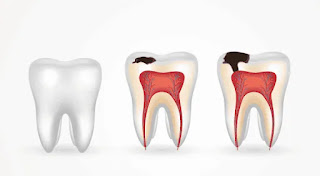
Bleeding gums when you brush, sensitive teeth, or more plaque than usual can point to too much sugar. Bacteria in the mouth love to feed on leftover sugars, which can lead to gum irritation and cavities. Even constant sipping of sweetened drinks or sucking on mints can bathe the teeth in sugar for hours.
Simple habits help. Rinse your mouth with water after sweets. If you wear dentures, keep them clean and give your mouth regular breaks. Keep up with routine dental checkups, and let your dentist know if your gums are tender or you notice changes. Your mouth often reflects what is happening with your overall health.
Aches, Stiff Joints, and Inflammation
If your hands feel stiff in the morning, your knees ache more than usual, or you notice general soreness that does not match your activity level, sugar may be playing a role. A high-sugar pattern can feed inflammation in the body, which may make joint pain and swelling feel worse.
Focus on gentle, regular movement and steady meals. A short walk after eating can help your body handle sugar more smoothly. Choose whole foods most of the time, such as vegetables, lean proteins, beans, and whole grains, and save sweets for smaller portions you truly enjoy. Many people find their joints feel calmer with these steps.
Frequent Infections or Slow Wound Healing
Do you find small cuts or scrapes take longer to heal than they used to? Are you picking up colds more often, or dealing with repeat skin or urinary infections? High sugar can make it harder for the body’s natural defenses to do their best work. Over time, it can also affect circulation, which the body needs to deliver healing nutrients.
Keep an eye on any wound that is red, warm, or not improving. Make sure to let your healthcare provider know. Choosing fewer sweetened foods and staying well hydrated supports your immune system, and a balanced plate at meals can help your body repair and defend more effectively.
How to Gently Cut Back on Sugar
Small, steady changes add up faster than harsh rules. Start by noticing where sugar sneaks in. Many breakfast cereals, flavored yogurts, coffee creamers, and sauces carry more added sugar than expected. If you enjoy these foods, consider choosing versions with less added sugar or mixing half sweetened with half plain to ease the change.
Build your meals around satisfying basics. Aim for a simple pattern: a source of protein, a high-fiber carbohydrate, colorful vegetables or fruit, and a small amount of healthy fat. For example, grilled chicken with roasted vegetables and quinoa, or a hearty bean and vegetable soup with a slice of whole-grain bread. This balance helps your body keep blood sugar steadier and reduces the urge to snack on sweets between meals.
Be kind to your taste buds. It takes time for them to reset. If you usually add two spoons of sugar to tea or coffee, try one and a half for a week, then one. If you enjoy dessert, have it after a balanced meal, share a portion, or choose fruit-based options more often. Celebrate progress, not perfection.
Sleep and stress matter, too. Poor sleep can make you hungrier for quick sugar the next day, and stress can drive comfort eating. A regular bedtime, a short walk in fresh air, a few minutes of gentle stretching, or a phone call with a friend can lower stress and help you make steadier choices.
When to Check In With Your Doctor
If you notice several of these signs—especially thirst, frequent urination, sudden changes in vision, numbness or tingling in hands or feet, or slow-healing skin—it is wise to talk with your healthcare provider. A simple blood test can show how your body is handling sugar. If you already have prediabetes or diabetes, small changes in daily habits still make a big difference, and your care team can tailor a plan you feel good about.
Remember, this is not about giving up every treat forever. It is about finding a comfortable, sustainable balance that keeps you feeling lively, clear-headed, and steady. By listening to the signs your body shares and making gentle adjustments, you can enjoy sweetness in a way that truly supports your long-term health.
The Bottom Line
Too much sugar can whisper through many parts of life—your skin, your energy, your joints, your memory, your mouth, your sleep, and your waistline. The nine signs in this guide are not here to alarm you, but to help you notice patterns. Start with the easiest step for you, keep what works, and let the rest go. Over time, small choices become powerful habits. Your future self will thank you for every steady step you take today.



