
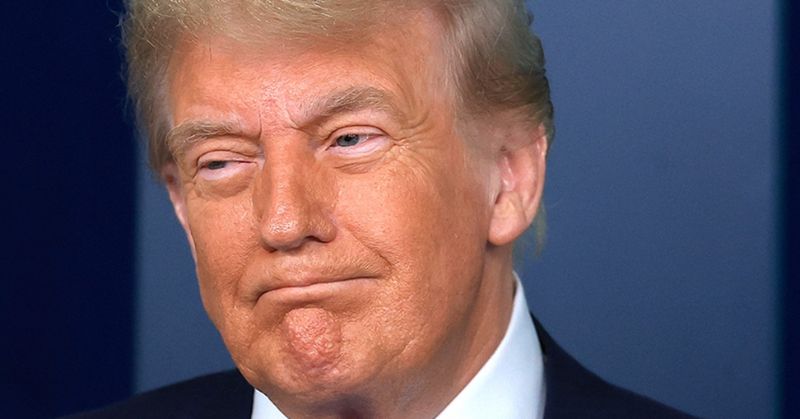
In a recent White House press conference, a thought-provoking question was put to President Trump regarding his controversial tariff approach, spurred by thoughts from economist Torsten Sløk.
When President Trump assumed office, one of his bold moves was implementing substantial tariffs on some of America’s key trading partners like Canada, Mexico, and China. These tariffs came with additional taxes on various imported goods, sparking widespread debate and concern.
Initially, Torsten Sløk, chief economist at Apollo Global Management, warned that Trump’s tariff policies might push the economy into a recession. Recently, however, Sløk has reconsidered his stance.
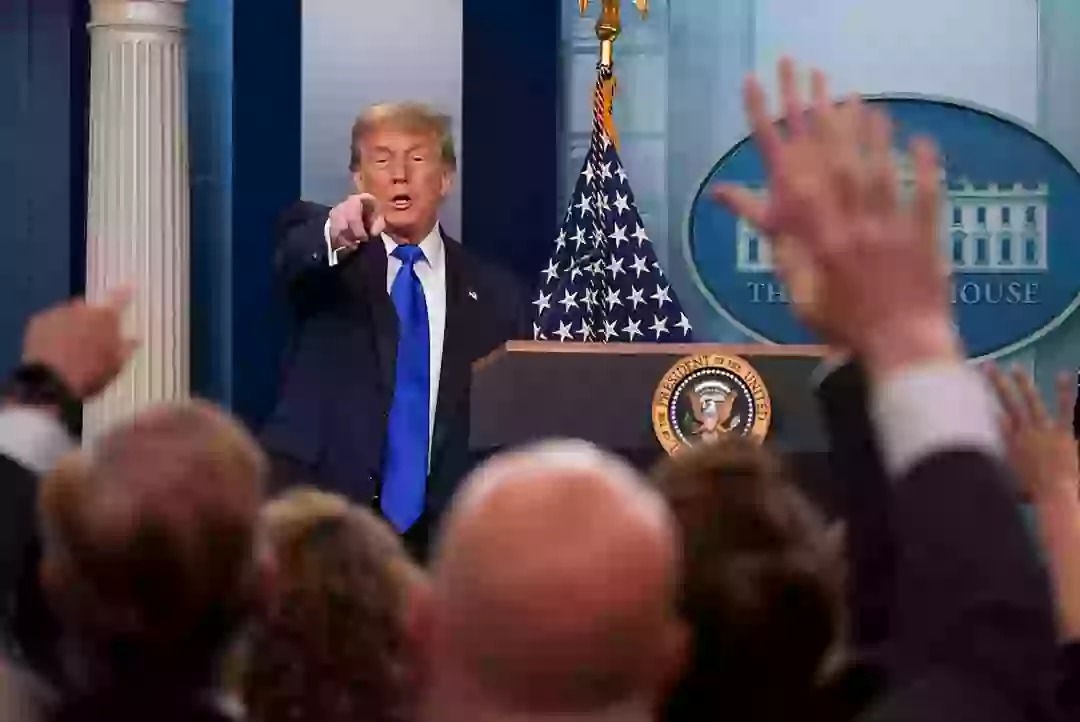
At the press event, a reporter brought up Sløk’s change of heart, asking, “Mr. President, a leading global economist has just altered his view, suggesting your tariff strategy may prove you’ve outsmarted everyone. How do you respond?”
President Trump replied with enthusiasm, “This is great. This is my favorite question because I’ve been criticized on this for ages. We’re raking in hundreds of billions of dollars, and look—there’s no inflation!”
Addressing Critics Who Predicted Economic Downfall
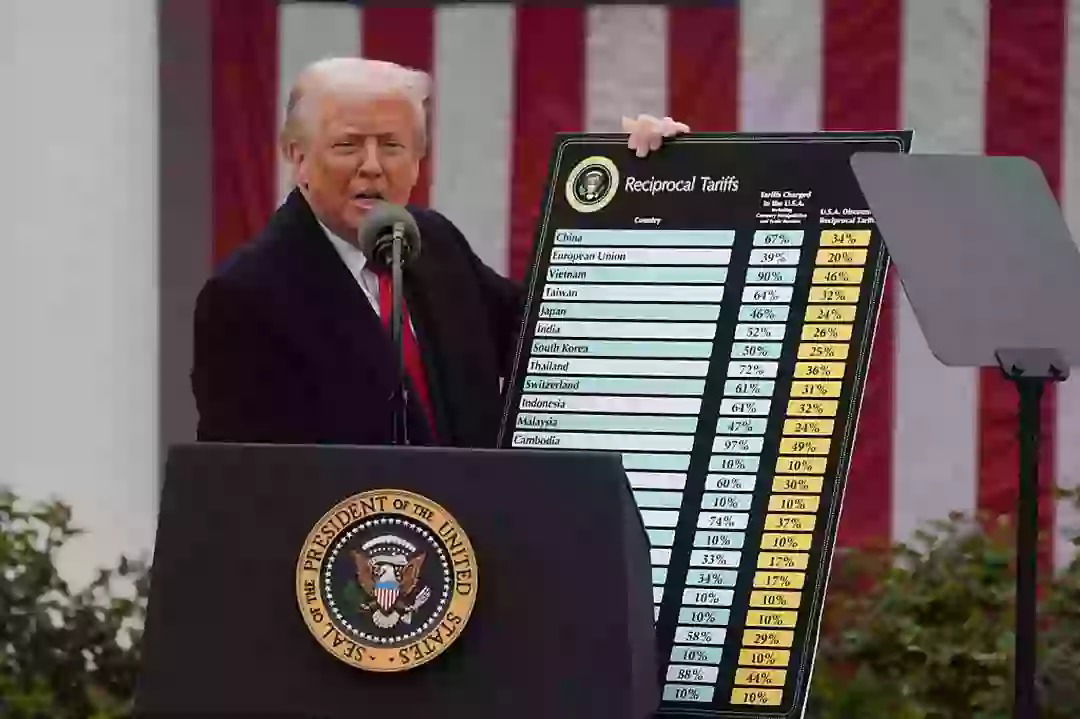
When prodded for a message to detractors who foresaw economic doom, Trump jested, “They ought to hit the books at business school again. It’s clear as daylight. We’re bringing in billions from China and beyond.”
In a June blog entry for Apollo Academy, Sløk elaborated on this fresh viewpoint. He observed that as the Trump administration neared its self-imposed deadline for trade agreements, market speculation increased.
“The prolonged ambiguity causes greater harm to the economy,” Sløk expressed.
Sløk proposed an interesting strategy: maintain 30% tariffs on Chinese imports and 10% on goods from other countries, granting all a 12-month period to lower barriers and enrich their economic systems.
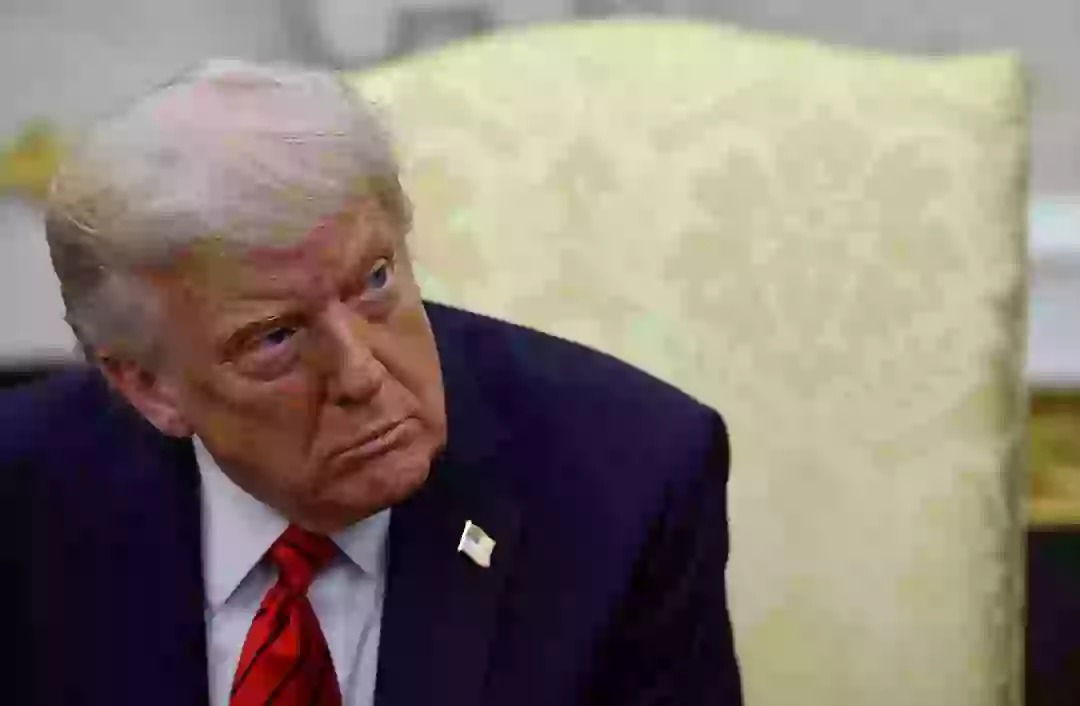
Sløk argued that this extended timeline would allow both U.S. businesses and global partners to acclimate to a more protectionist trade zone. This, he believes, could reduce uncertainties, enhance business strategies, spur job creation, and better financial markets.
He further speculated, “This strategy might indeed be a victory for the global economy, providing U.S. taxpayers with $400 billion annually. Trade partners might be satisfied with a mere 10% tariff, while the U.S. sees increased tax revenue. Perhaps, the administration has indeed bested us all.”
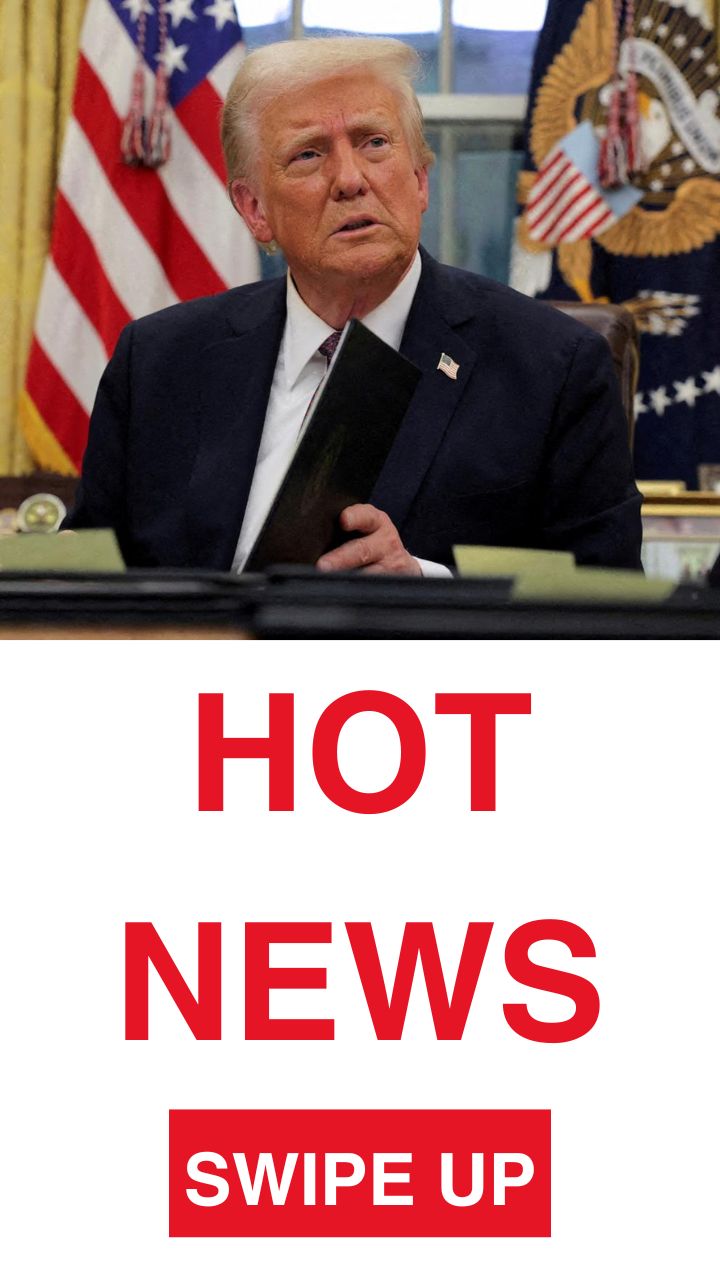
This thought-provoking exchange not only highlighted the evolving perspectives on President Trump’s policies but also underscored the ongoing complex interactions within global trade dynamics. The discussion reminds us of the enduring debate surrounding trade policies and their global ramifications.