Once Again, Former President Trump Shares Sensitive Correspondence
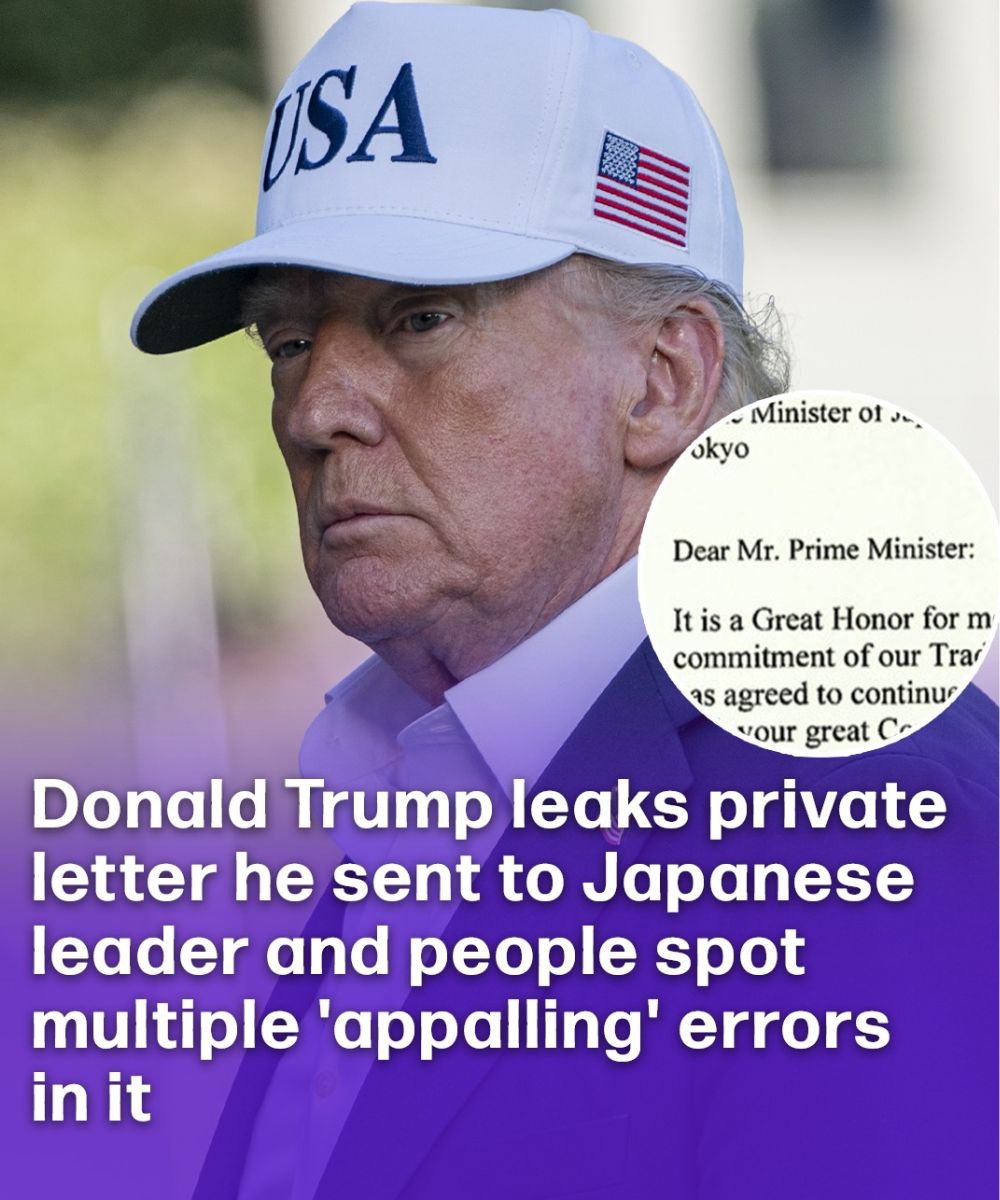
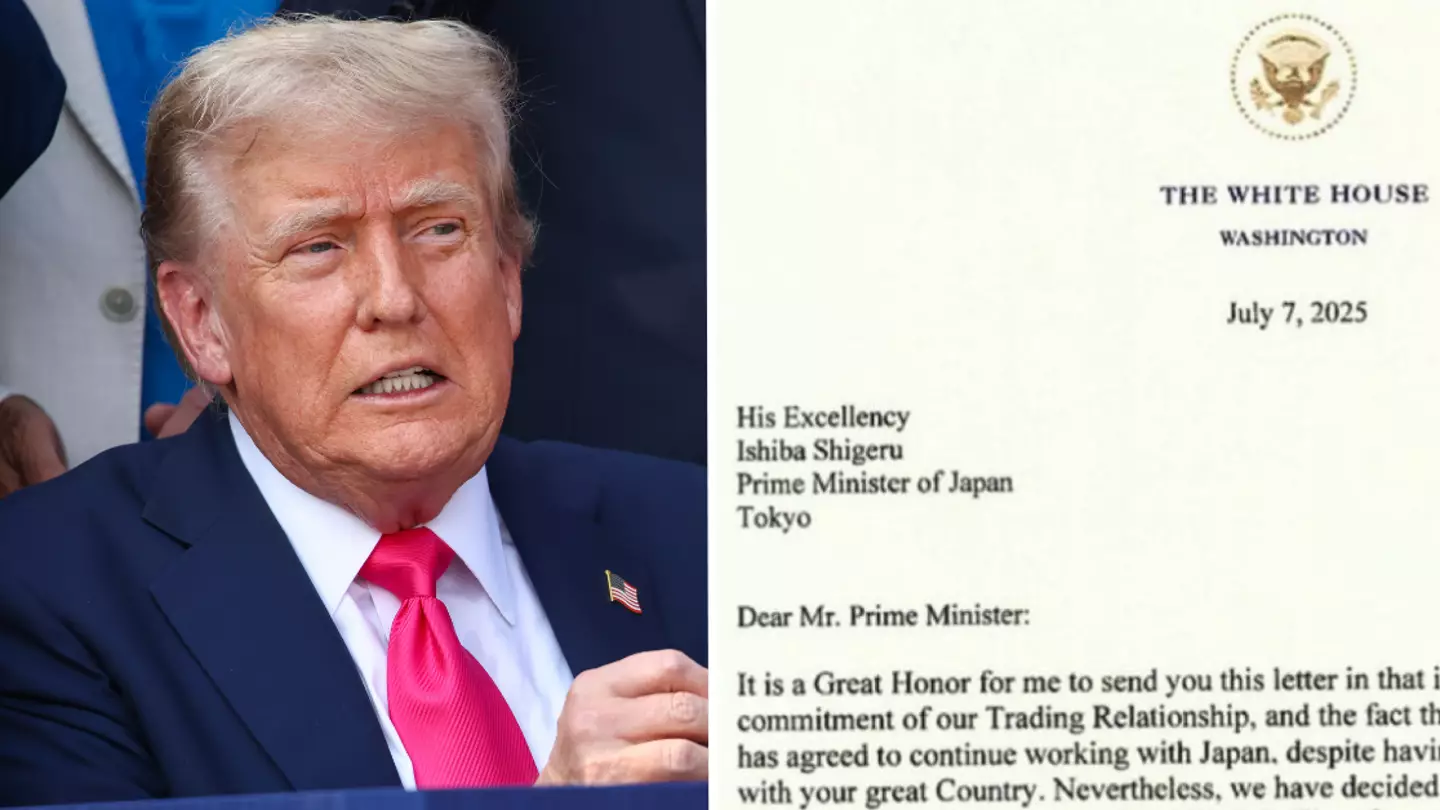
It’s no surprise to many that Donald Trump, the former President of the United States, often shares private communications on his social media channels. This time, he’s brought to light a letter he sent to the Japanese Prime Minister, Shigeru Ishiba, which quickly became the subject of scrutiny online.
Known for previously sharing confidential exchanges with other global leaders, Trump has posted private messages in the past from notable figures like NATO’s Mark Rutte and the US Ambassador to Israel, Mike Huckabee. His latest reveal involves a letter addressed to Prime Minister Ishiba, with alarms raised by those who have examined the letter closely.
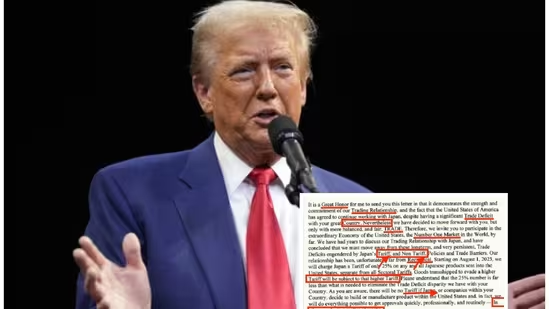
The conversation between Trump and Japan highlights the economic challenges facing the two nations, with Trump expressing his intent to impose a 25% tariff on imports from Japan starting August 1st. He sent similar communications to leaders in South Korea, Malaysia, Thailand, Serbia, and Cambodia.
Stumbling Over Words: The Letter’s Linguistic Flaws
Criticism didn’t just center on the letter’s abrupt diplomatic tone but also its frequent grammatical missteps and peculiar capitalization. Observers were quick to point out how such idiosyncrasies mirror the former president’s often divisive social media presence.
One social media user remarked how the letter was fixated on threats paired with poor grammar, likening its style to Trump’s infamous and often unpredictable online statements. “It’s like watching a circus,” said another user, emphasizing their disbelief.
“We are led by someone who struggles with language more than youngsters just learning English,” noted another commentator, highlighting the general sentiment shared by many who came across the leaked document.
The International Perception: A Strain on Diplomatic Ties
As challenges with tariffs and trade balances persist, Trump’s communication style also raises red flags for its perceived impact on international rapport. Critics expressed concerns over how such an approach could unravel the mutual trust painstakingly cultivated over decades.
“Decades of a solid relationship and then a letter that appears as if it was penned by someone who just discovered the term ‘tariff’ ” quipped a critic online, lamenting the stark stylistic choices within the letter.
Further criticism followed, focusing on the apparent lack of sophistication in the letter’s structure. Some compared its composition to a hurried tweet rather than a formal message between global leaders, stressing the notion that it paints a comedic, yet troubling picture on the world stage.
People voiced concerns about the broader implications, with one user on social media insinuating that the letter’s chaotic composition may reflect poorly on the stability of its author.
As reactions roll in from all corners, it serves as yet another testament to the ongoing debates about communication styles, language proficiency, and the potential repercussions on a global scale when such snafus occur at the highest levels of diplomacy.