
What Really Happens Behind Royal Doors?
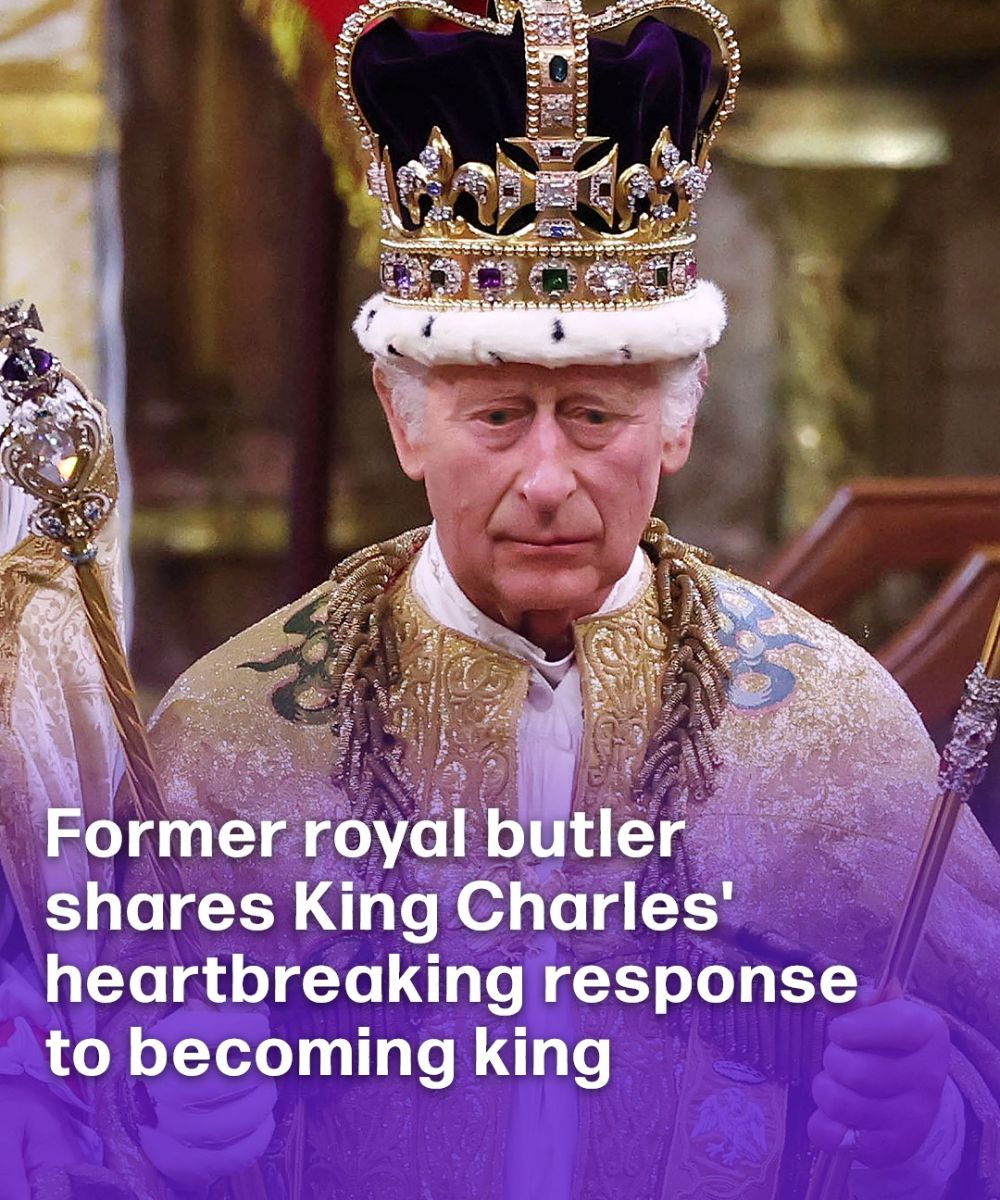
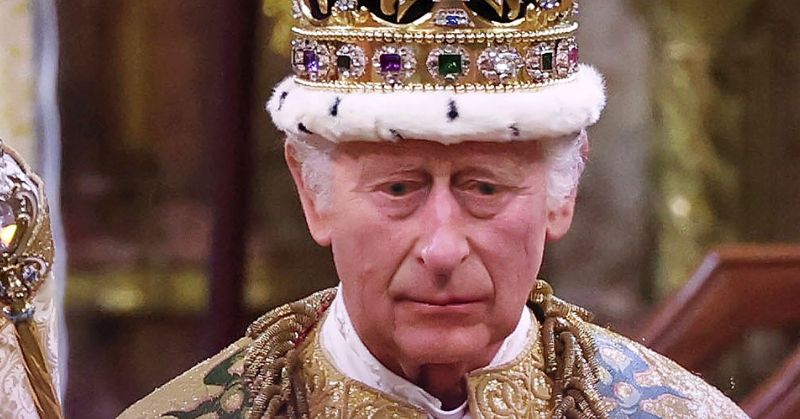
In the days leading up to King Charles’ ascension to the throne, a former royal butler shared some deeply personal conversations he had with the future king. Grant Harrold, who served as a butler at Highgrove House for seven years, painted a picture of his time with then-Prince Charles as a ‘dream come true’. Harrold speaks warmly of King Charles, describing him as a gentle soul who never once raised his voice.
Yet, as Charles approached his coronation on May 6, 2023, Harrold recalls an emotionally charged moment when Charles shared his thoughts on stepping into his new role. Charles candidly expressed to Grant, “When that job comes, you lose a parent.” This poignant remark reflects the family changes he faced, with the passing of Prince Phillip on April 9, 2021, and Queen Elizabeth II on September 8, 2022, after an incredible 73-year marriage.
King Charles’ Anxious Anticipation
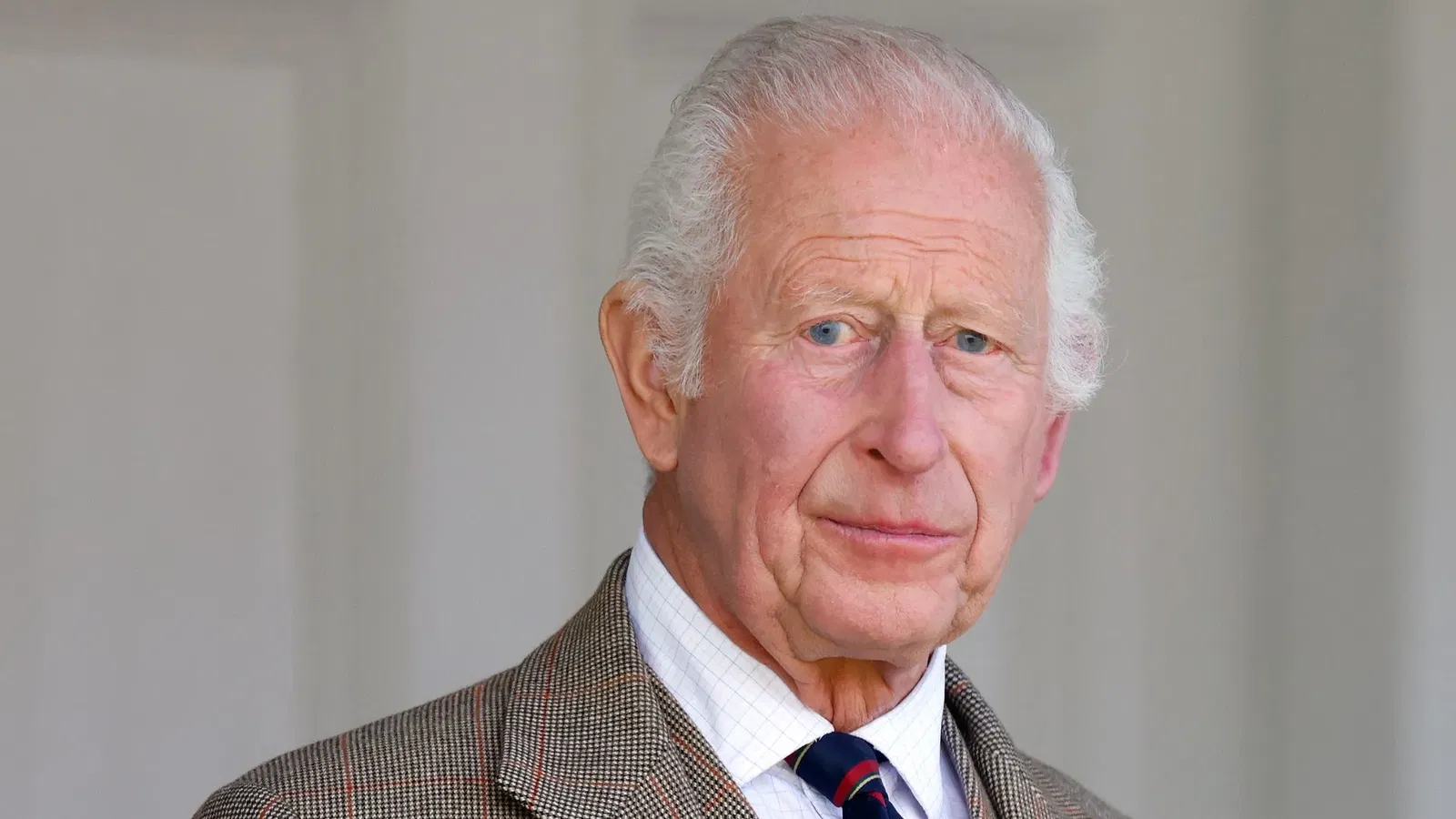
King Charles experienced a mixture of anticipation and anxiety prior to his coronation. In an interview for the documentary “Coronation Girls,” he fondly recalled the evening before his mother’s coronation when he was a mere four years old. “I remember it all so well,” he said, recounting how he and his sister had bath time in the evening while their mother practiced wearing the crown.
Charles recalled the significance of getting accustomed to the crown’s weight. “You have to get used to how heavy it is,” he noted, vividly remembering the practice sessions. The weighty task of wearing the St Edward’s Crown, which is a hefty 5lbs, was a particular source of concern.
Reflecting on these memories, King Charles highlighted the importance of wearing the crown for extended periods to grow accustomed to its demands, indicating a personal challenge he faced in preparation for his rule.
The Choice of Title and Royal Name
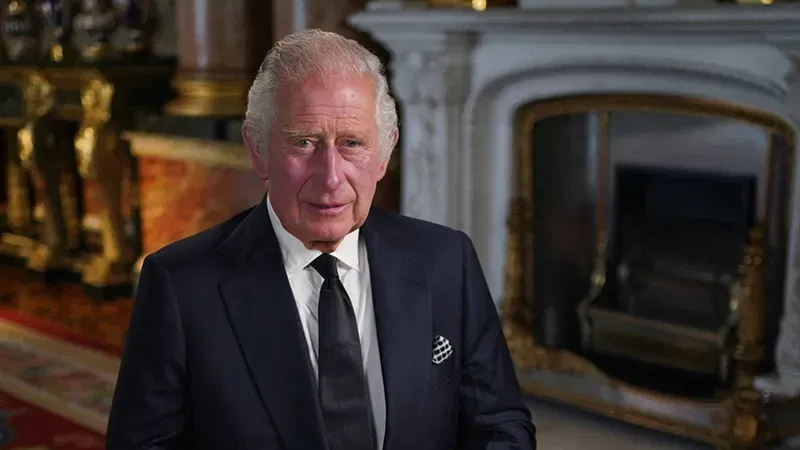
Before the official decision to become King Charles III, speculation surrounded what title Charles would assume. Grant Harrold remembered a conversation in which Charles mentioned the possibility of selecting the name George VII, in honor of his grandfather King George VI, who had also chosen a name differing from his birth name for continuity. King George VI, although born Albert Frederick Arthur George, opted for a name aligned with royal tradition.
Interestingly, the royal tradition of changing names isn’t new. Queen Victoria, baptized Alexandrina Victoria, was the first to adopt a different royal name. Many expected King Charles to continue this tradition, speculating a change to honor his lineage.
Harrold noted, “A lot of people believed the name might be changed for continuity,” and expressed surprise when King Charles made the decision. “I remember asking him what he would be, and he contemplated, ‘I could be Charles, but I could also be George VII’, a nod to his family’s past,” said Harrold.
Ultimately, the choice of title took many by surprise. “We thought he would most likely be George VII,” Harrold confessed, unexpectedly taken aback by the official announcement of King Charles III.



