
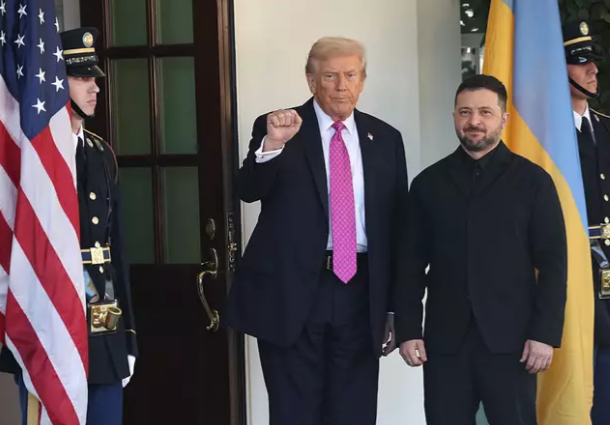
In a significant diplomatic meeting at the White House on October 17, Ukrainian President Volodymyr Zelenskyy and former U.S. President Donald Trump sat down with hopes of charting a course towards peace in Ukraine. The session aimed at resolving the ongoing conflict between Ukraine and Russia, garnering much attention and analysis.
The atmosphere in the White House that day was charged, as the two leaders discussed possible peace initiatives. Trump, keen to see progress, had previously emphasized the urgency of a resolution, warning that further Russian aggression could escalate the situation. Conversely, reports indicated that the talks grew tense when Trump appeared to advocate for Ukraine to concede the Donbas region to Russia.
Zelenskyy, however, stood firm, rejecting any suggestion of surrendering the contested territories, leading to heated exchanges filled with frustration from both sides. Despite the impasse, Trump maintained an optimistic outlook, suggesting that both Zelenskyy and Russian President Vladimir Putin desired an end to the hostilities. “All they have to do is get along a little bit,” he told reporters, hinting at potential future progress.
During the welcoming of Zelenskyy to the White House, Trump was queried on the potential of persuading Putin towards peace. His confident “Yep, we can” response was noted by onlookers.
President Trump: “Yep, we can.”
— EWTN News Nightly (@EWTNNewsNightly) October 17, 2025
As Ukraine's president arrived at the White House for a meeting with President Trump, EWTN’s @owentjensen asked President Trump… pic.twitter.com/85986D3xN9
Dr. Beth Dawson, an expert in body language, provided insights into the nuances of this high-stakes interaction. Observing the exchange, she highlighted Trump’s assertive demeanor and Zelenskyy’s composed yet expressive reactions. “Trump’s body language was confident,” she explained. “When faced with tough questions, he straightened up, displaying determination through his words and posture.”
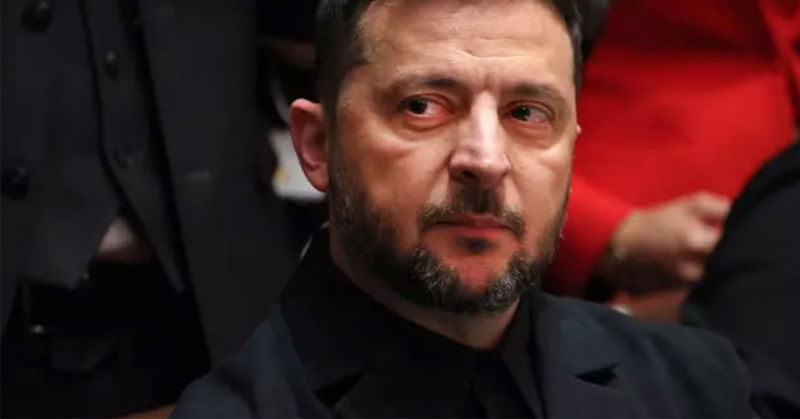
Zelenskyy, in contrast, exhibited subtle signs of tension. “His lips were pressed together,” noted Dr. Dawson, “A sign commonly associated with frustration or restraint. Yet, instead of confronting Trump directly, Zelenskyy turned towards him with a smile, demonstrating diplomacy and a willingness to engage constructively.” This combination of tension and a calm exterior underscored Zelenskyy’s adeptness in managing emotions during intense discussions.
The situation remains delicate, with Zelenskyy’s firm stance against territorial concessions underlining the complexity of the peace process. In a subsequent interview, Trump reiterated that any peace agreement might involve territorial compromises. He mentioned a lengthy conversation with Putin, suggesting possible land adjustments as part of a future settlement.
“Putin’s got something to gain,” Trump stated, emphasizing the pragmatic reality of territorial negotiations. “It’s about finding a manageable solution—even if it means some concessions.”
The prospect of peace in Ukraine involves tough decisions and skilled diplomacy. While clarity on the final outcome remains elusive, the White House meeting showcased the challenging dynamics leaders face in steering towards a resolution, maintaining hope amid complex geopolitical realities.



