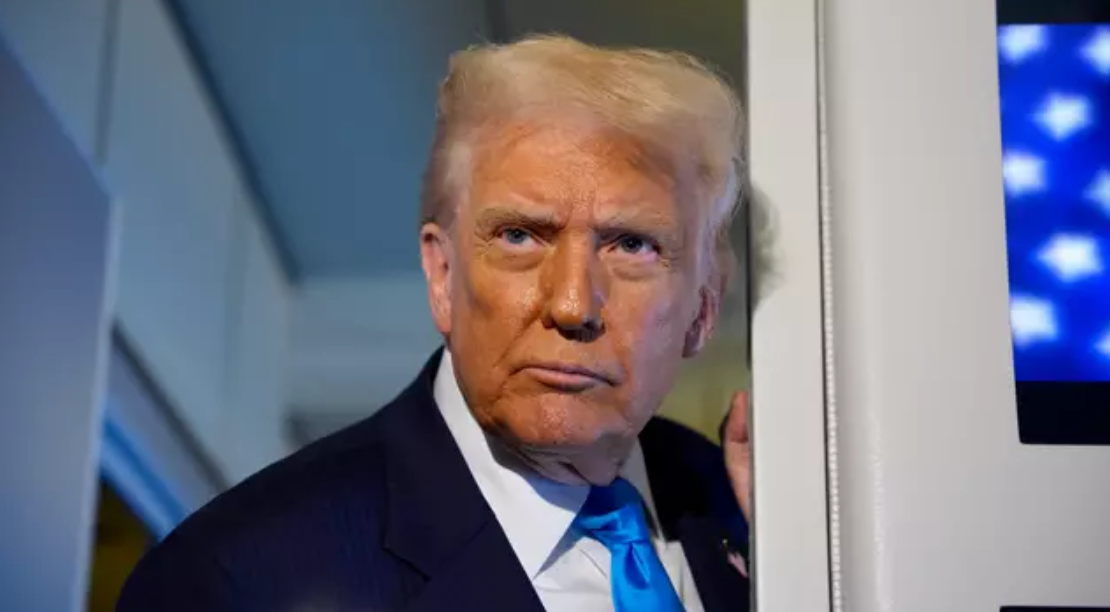
The United States Senate has taken a significant step by voting to limit one of Donald Trump’s critical powers. This has stirred quite the conversation, and it’s a move that could have far-reaching implications.
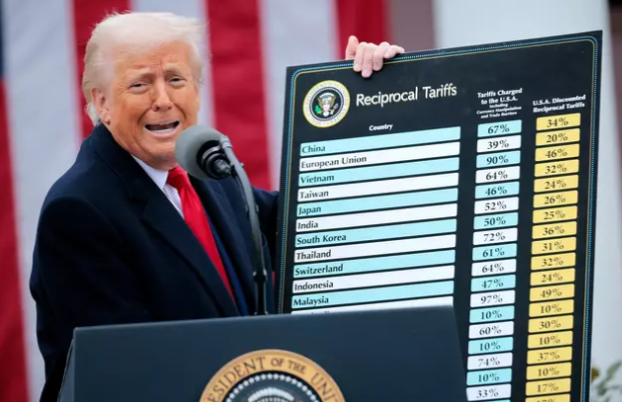
Earlier this year, Trump had levied tariffs on goods from over a hundred countries. However, the Senate’s recent decision aims to curtail this ability. Senator Ron Wyden from Oregon took the lead in introducing a resolution to end what he described as a “national emergency,” which had been used to justify these global tariffs.
The resolution progressed through the Senate with a narrow majority—51 senators, including notable Republicans like Rand Paul, Mitch McConnell, Lisa Murkowski, and Susan Collins, sided with the Democrats to pass it.
Senator Wyden couldn’t contain his satisfaction with the outcome, sharing his enthusiasm on social media. He labeled it a ‘huge win’ and noted that it underscored the general unpopularity of Trump’s tariffs. He even urged House Speaker Mike Johnson to cut his vacation short and bring the matter to a vote in the House.
Is Trump’s Influence Waning?
Many political commentators were quick to weigh in on the implications of the Senate’s move. Brian Allen, a well-known podcaster, observed that Trump’s influence within his party seems to be on shaky ground. Political analyst Ed Krassenstein suggested this action reflects a respect for the separation of powers among some Republicans.
Various voices on social media expressed their views, describing the decision as not only a victory for the constitution but also for the core principles behind the separation of powers among government branches.
However, the euphoria might be premature. As recently as March, a rule was adopted by the Republican-controlled House, preventing any vote to dissolve the national emergency that was initially declared by Trump—the authority under which these tariffs were enacted.

Understanding Tariffs
Tariffs, for those unfamiliar, are essentially taxes placed on imported goods. When tariffs are imposed, the price of these goods often increases, which then often gets passed on to American consumers.
Many small businesses have reported the financial strain and uncertainty brought about by these tariffs. Global supply chains are complex, involving many foreign suppliers, and tariffs can be a disruptive force in this delicate balance.
Earlier, leveraging the International Emergency Economic Powers Act, Trump imposed a baseline 10% tariff on imports from various countries. He justified this move by pointing out the persistent annual trade deficits faced by the United States.
Since the imposition of these tariffs, a significant number of senators have criticized them, advocating for measures to check the extent of Trump’s emergency powers. Yet, Trump has stood firm, stating these tariffs are necessary to prevent the exploitation of the United States by foreign nations and to protect American jobs and consumers.
As we watch these developments unfold, one thing is clear: the debate over tariffs and presidential powers is far from over. These discussions are likely to persist, having potential impacts not just on the economy but on the political landscape as well.