
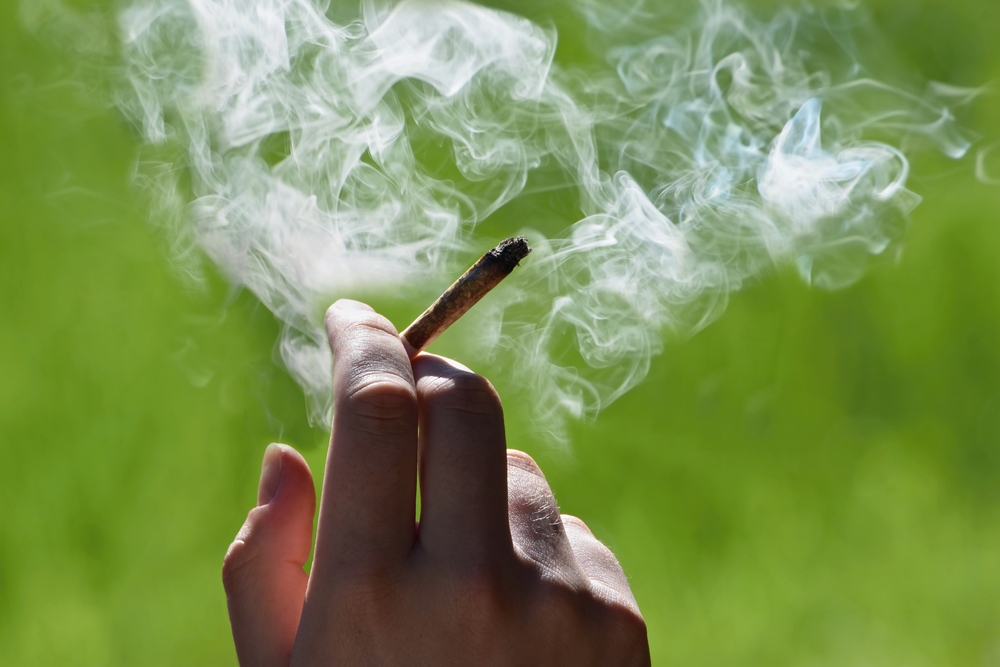
In recent times, a concerning side effect linked to cannabis use has taken many to emergency rooms across the United States. This frightening condition is informally known as “scromiting.”
While the term might bring a chuckle or two, the condition itself is far from amusing.
Over the last ten years, hospitals have witnessed a rise in cases where patients suffer from intense nausea, unstoppable vomiting, and stomach pain so severe it leaves them in agony — sometimes experiencing these symptoms multiple times each year.
The condition being blamed is Cannabis Hyperemesis Syndrome (CHS).
Dr. Beatriz Carlini, a research associate professor at the University of Washington School of Medicine, cautions, “Patients often make several trips to the emergency department before the condition is correctly identified, each visit incurring substantial costs.”
Symptoms That Make You Scream
The attacks associated with CHS generally occur within 24 hours after cannabis use and can persist for several days.
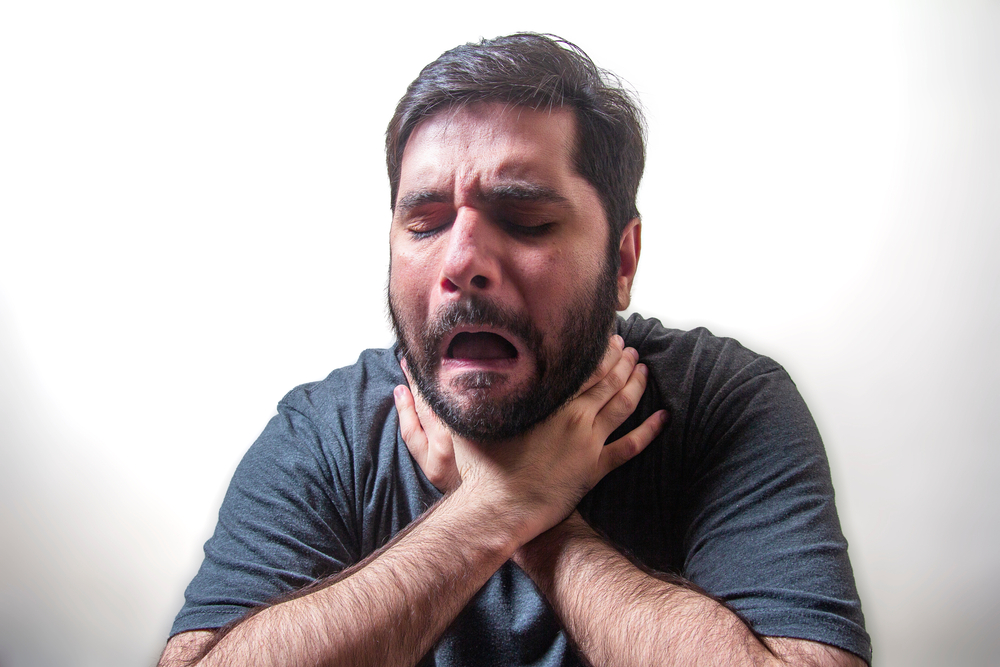
The term “scromiting” was coined by medical professionals due to the tendency of sufferers to scream while vomiting.
Emergency medicine specialist Dr. Chris Buresh highlights the challenge in treatment options: “No therapies have been endorsed by the Food and Drug Administration, and common anti-nausea drugs often prove ineffective.”
Doctors sometimes resort to unusual approaches — from warm baths and showers to applying capsaicin cream on the stomach. In some cases, they use Haldol, a drug generally prescribed for dealing with psychosis.
Dr. Buresh notes, “A hint that helps me diagnose this condition is when a patient says they find relief in a hot shower.”
“Many end up using all the hot water available in their home.”
Understanding Who is Susceptible
Even if symptoms fade away, CHS can return if cannabis use does not cease. Abstaining from cannabis use is the only proven method to eliminate the syndrome entirely.
Dr. Carlini warns: “Due to the sporadic nature of the syndrome, some cannabis users may not correlate a past episode with their cannabis use and continue using it, only to fall ill again.”
Permanent recovery often necessitates a complete cessation of cannabis, though overcoming addiction poses a significant hurdle.
Scientists are still in the dark as to why certain users develop CHS while others do not.
The prevailing hypothesis suggests excessive stimulation of the endocannabinoid system interferes with the body’s natural regulation of nausea and vomiting.
Dr. Buresh adds, “It seems a threshold exists that, once crossed, makes a person sensitive to this condition, differing for each individual. Even minimal usage can trigger vomiting in these susceptible individuals.”
Research from George Washington University, examining over 1,000 CHS patients, indicates that prolonged and early cannabis use is closely linked to emergency room visits for scromiting episodes.
Alarmingly, reported cases among teenagers in the US have soared more than tenfold between 2016 and 2023, especially in states where recreational cannabis remains unlawful. Interestingly, though the overall frequency of CHS is higher in regions with legalized cannabis, adolescent occurrences are more prevalent in areas where cannabis use is still illegal.
CHS Gains Official Recognition
As of October 1, 2025, the World Health Organization has given CHS formal acknowledgment, assigning it an official diagnosis code. Dr. Carlini states, “This code will provide vital data regarding adverse reactions to cannabis, which, according to medical professionals, is an ever-expanding issue.”
With more emergency room visits being recorded, experts stress that cannabis users — young and old — should be conscious of this potentially debilitating syndrome.