
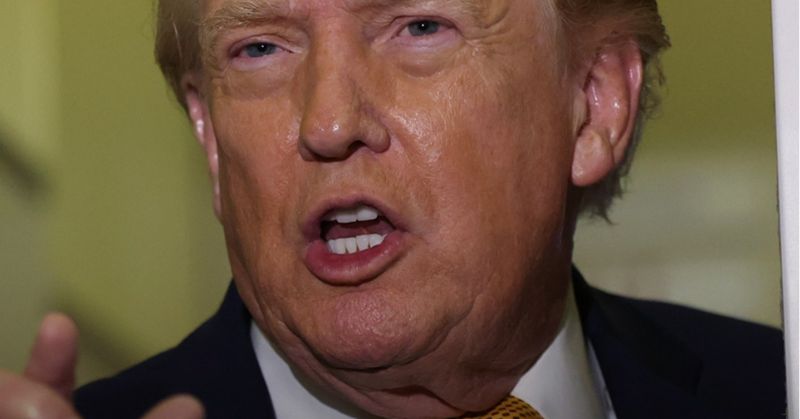
In a recent announcement, Donald Trump has unveiled a plan set to revolutionize the way credit card interest rates are regulated in the United States. This move is aimed at shielding Americans from what he perceives as overcharging by financial companies. However, as straightforward as the plan might sound, experts suggest there might be more complexities involved.

In the past few years, the interest rates on credit cards in the US have seen a significant climb. According to data from MacroTrends, from February 2022 to August 2023, rates witnessed a steep rise—moving from about 16.17 percent to a staggering 22.7 percent. The trend persisted, peaking at an unprecedented 23.37 percent. By November 2025, though slightly reduced, the rates hovered around 22.3 percent.
Through a post on Truth Social, Trump has promised to implement a temporary cap on credit card interest rates, capping them at 10 percent for a full year. This measure, he argues, is essential to stop consumers from political services being taken advantage of by credit card firms.
An Overview of Trump’s Proposal
Trump has vocalized his commitment to protect Americans from what he considers exploitation by credit card issuers, who have been reportedly charging exorbitant interest rates ranging between 20 and 30 percent. He states that under the previous administration, such practices were unchecked.
The proposed cap of 10 percent interest would be initiated on January 20, 2026, marking not only the start of this new policy but also commemorating what Trump calls a successful year of governance.
Promises similar to this proposal were made by Trump during his 2024 presidential campaign, where he vowed to bring temporary relief to voters by limiting credit card interest rates to improve financial well-being.
The Potential Ripple Effect of the Cap
While Trump’s proposal appears consumer-friendly at first glance, it has sparked concerns within banking and financial circles. Industry groups such as the Bank Policy Institute, the American Bankers Association, and the Consumer Bankers Association have collectively voiced their apprehensions, suggesting that a strict 10 percent cap might have adverse effects.
While these groups champion measures to make borrowing more affordable, they caution that such a low cap could impact credit access adversely. Millions of families and small business owners, who often depend on credit cards, might face unintended repercussions.
The organizations infer that banks, in response, could become stricter with their lending practices. This could mean that those with less-than-perfect credit scores or a limited financial history might find it increasingly difficult to obtain credit cards.
Furthermore, there’s a risk that consumers may be forced to resort to less-regulated, pricier financial alternatives if traditional credit avenues become less accessible.
Essentially, while the concept of a reduced cap sounds beneficial, its execution could limit credit opportunities and potentially introduce new financial hurdles for the very individuals it intends to support.



