In a recently erupted national controversy, the tragic death of Renee Nicole Good in Minneapolis is reshaping discussions about federal authority and civil rights.
An Urgent Call: “Drive, Baby, Drive!”
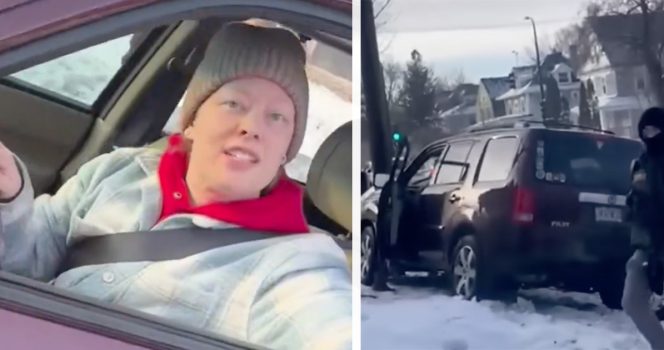
On the evening of January 7th, Renee Nicole Good, 37, was behind the wheel of her SUV in Minneapolis with her wife and pet dog by her side. Suddenly, Jonathan Ross, an Immigration and Customs Enforcement (ICE) officer, fired shots, resulting in her death.
The incident was caught on multiple cameras, capturing Good’s attempts to steer her vehicle as Ross stood close to its front left side. Three gunshots were heard: one pierced the windshield while two hit the side window. Sadly, Good was later declared dead at a local hospital. Just moments before the tragic event, Becca Good, Renee’s wife, was recording the situation and was heard urging her, “Drive, baby, drive — drive!”
In the wake of the shooting, President Donald Trump, Vice President JD Vance, and Homeland Security Secretary Kristi Noem defended the officer, asserting that he acted in self-defense, alleging that Good had “viciously run over” the agent and labeling her a “rioter.”
However, Minneapolis Mayor Jacob Frey disapproved of this perspective:
“They are already trying to spin this as an action of self-defense,” he said, later adding, “Having seen the video myself, I want to tell everybody directly, that is bull****.”
The incident involving Renee Good has sparked nationwide reactions and debates over law enforcement actions.
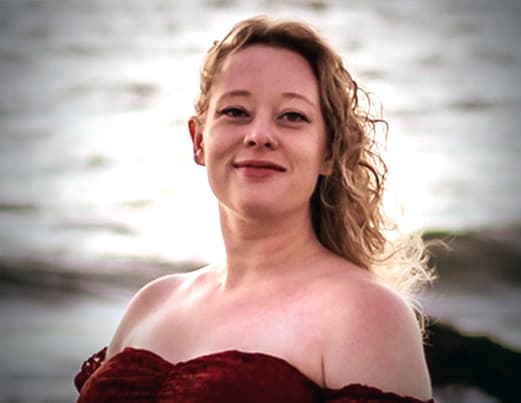
In a twist unfolding in the investigation, federal officials, as per NBC News, are now turning their attention towards Becca Good. They are considering if she might have interfered with the officer before the incident and are also looking into any affiliations she might have with groups opposed to Trump’s immigration methods.
An insider informed NBC News, “The investigation is looking at potential links to activist networks, including groups that may have provided guidance on protest activity.”
However, Antonio Romanucci, the lawyer representing Becca Good, firmly stated:
“There has been no contact from the FBI or federal officials indicating Becca Good is the subject of an investigation.”
Debates Among Legal Experts
Moreover, reports suggest an inquiry by the Justice Department into statements made by Governor Tim Walz and Minneapolis Mayor Jacob Frey, possibly affecting ICE activities, sources stated to NBC News.
The Department of Justice has, in turn, faced criticism for how it’s handling the situation. Deputy Attorney General Todd Blanche has declared that there would be no investigation against Officer Ross:
“We investigate when it’s appropriate to investigate and that is not the case here. We are not going to bow to pressure from the media, bow to pressure from politicians, and do something that we never do – not under this administration, not under the last administration. So no, we are not investigating.”
The idea of claiming absolute immunity for Ross has faced backlash from legal professionals. According to Michael J.Z. Mannheimer, a constitutional law specialist from Northern Kentucky University:
“The idea that a federal agent has absolute immunity for crimes they commit on the job is absolutely ridiculous.”
Unveiling Renee Good’s Connections
In tandem with these developments, Minnesota Attorney General Keith Ellison and Hennepin County prosecutor Mary Moriarty have voiced their intention to compile evidence but have yet to press any charges. Moriarty emphasizes transparency by setting up an online platform for videos and witness testimony from the public.
“We want community members to feel as though there is documentation and perhaps accountability,” she stated.
At the same time, as per reports, federal investigators are probing into Renee Good’s associations with activist groups. The New York Times reported that they are particularly interested in groups that have opposed President Trump’s immigration policies.
Several experts in First Amendment rights shared insights with USA Today, suggesting that Renee’s past activism might not be significantly relevant to the officer’s response, thereby questioning this line of inquiry’s pertinence.
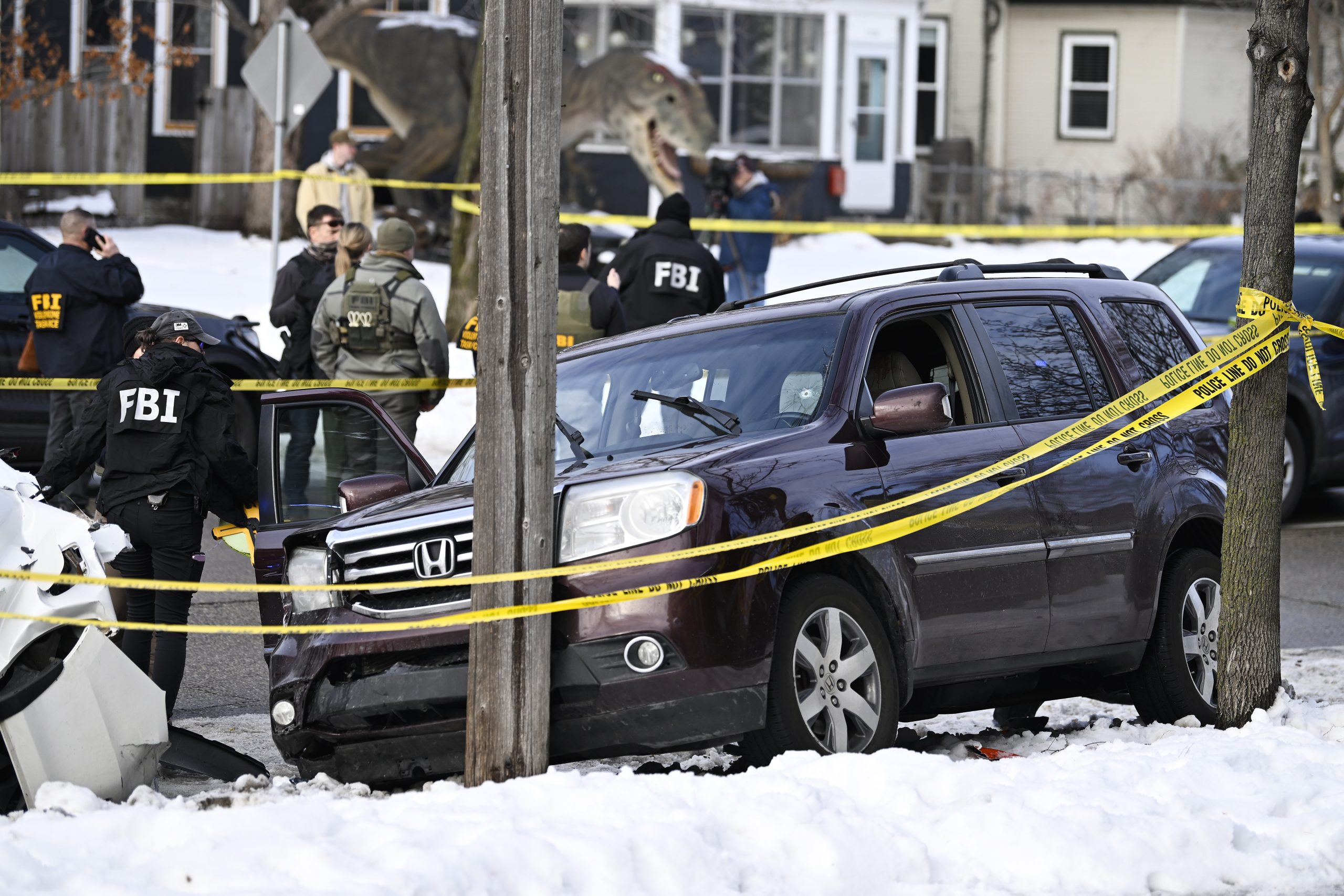
The investigation into this case has triggered a new round of protests in Minneapolis. Activists have encountered augmented federal presence, drawing concerns from civil liberties groups.
Teresa Nelson from the ACLU in Minnesota expressed:
“That person’s past, their involvement in other activities, is really not relevant. And there’s a long history of the United States government suppressing speech in times of turmoil.”
Courtney Hostetler from Free Speech for People criticized the federal attention on Good’s activism as:
“An incredibly dangerous assault on our First Amendment. Americans should be worried about their First Amendment rights.”
The case has ignited discussions on immigration enforcement practices, the breadth of federal power, and civil rights constraints. Analysts project that focusing on Becca and Renee’s activist roles might have a suppressive impact on First Amendment liberties.
Nelson reiterated, “There’s also a need to make sure that First Amendment rights are not just respected but facilitated.”
As the multiple investigations, media coverage, and public interest converge, Renee Nicole Good’s case continues to raise questions about law enforcement conduct, decision-making in governance, and civil liberties in the United States, leaving a nation with bated breath.