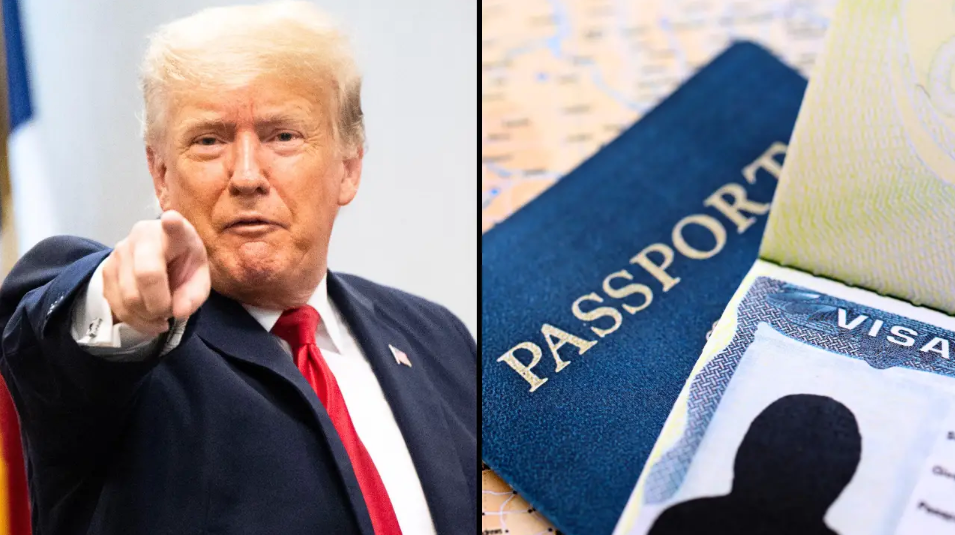
The White House has made a significant announcement, revealing a group of European Union countries whose citizens are now barred from traveling to the United States. This decision follows heightened tensions between Washington and Brussels related to the President’s controversial idea of acquiring Greenland.
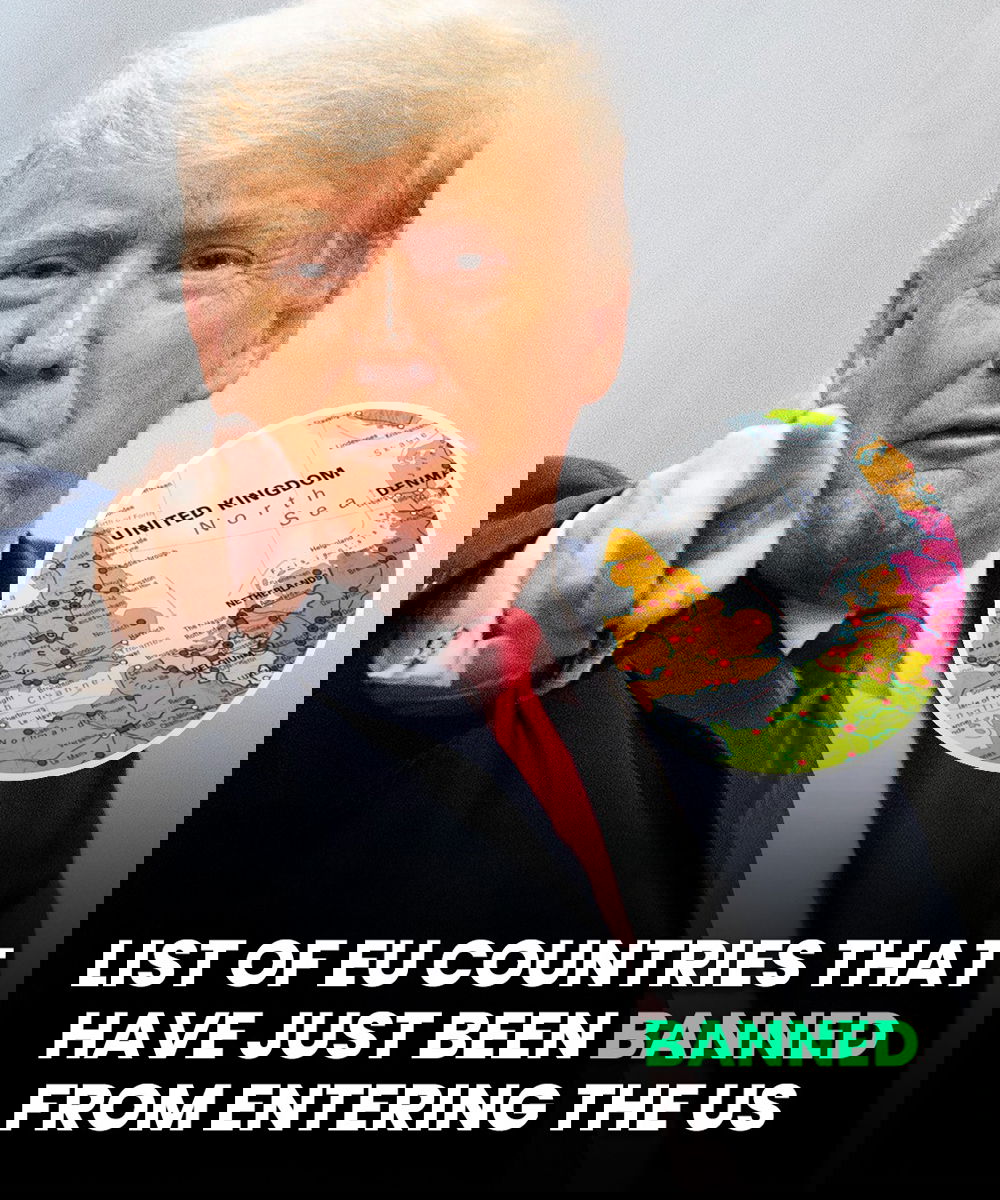
The political environment in the United States has become increasingly fraught with tension. This situation has been fueled by issues ranging from the President’s provocative statements about annexing Greenland—a notion that has stirred opposition within NATO and could potentially harm long-standing alliances—to the utilization of immigration control tactics across various states. Public concern is palpable across the nation.
Tensions Rise in the United States
Many American cities have witnessed protests and unrest, particularly in response to the tragic case of Renee Good, a 37-year-old mother of three. She was fatally shot by ICE officer Jonathan Ross. The incident involved three successive gunshots from the officer, who has over ten years of experience and special training with immigration enforcement.
Vice President JD Vance expressed that Ross should have ‘absolute immunity’ from legal actions, citing that he was only carrying out his duties. In response, the FBI concluded its investigation into the shooting.
Deputy Attorney General Todd Blanche supported the outcome, stating, “We don’t just investigate every incident where an officer defends themselves. An investigation is only warranted when it’s appropriate, and that is not the case here.”
Trump’s Greenland Proposal
President Trump has shifted global focus by proposing tariffs on some of the United States’ closest allies due to the EU’s rejection of his Greenland initiative. Countries such as France, Germany, the UK, and Denmark—which has authority over Greenland as a semi-autonomous region—have voiced opposition to the plan.
In retaliation, Trump proposed imposing 10% tariffs on six EU countries unless a consensus on Greenland is reached, with threats to raise these to 25% by July. He underscored the importance of Greenland for both national and global security, firmly pledging, “It’s time, and it will be done!”
The Reason Behind the Ban
As part of his broader strategy to limit illegal immigration, the Trump administration has extended its policies by enforcing a travel ban on 75 countries, including specific European nations.
Since resuming his position in the White House, Trump has intensified border control measures, defending these travel restrictions as a crucial reaction to what his administration calls flaws in foreign vetting practices. Also cited were elevated visa overstay rates, unreliable civil documents, and poor cooperation from governments in accepting their nationals when deported.
The Public’s Reaction
The travel ban has prompted mixed reactions. Supporters who align with MAGA ideals view the move as a fulfillment of campaign promises, whereas critics argue it discriminately affects innocent individuals.
A user on X (formerly known as Twitter) remarked, “This is about safeguarding national security and enforcing our laws. Every nation has the right to monitor its borders, scrutinize entrants, and halt travel when necessary. Prioritizing America’s safety is non-negotiable.”
In contrast, another person commented, “America shutting its doors signifies Trump’s official ‘closed for business’ stance.”
Concerns have also been voiced about separated families and potential legal challenges, alongside worries about the impact on fans wanting to attend the FIFA World Cup, which the United States is co-hosting with Canada and Mexico.
Journalist and Trump ally, Piers Morgan, suggested: “Perhaps nations like England, France, Spain, Germany, Portugal, Netherlands, Norway, and Italy should consider halting World Cup participation amid ongoing tariff discussions with Trump?”
Details on the Ban
The travel restrictions primarily focus on individuals deemed ‘public charges’—those considered likely to need government assistance.
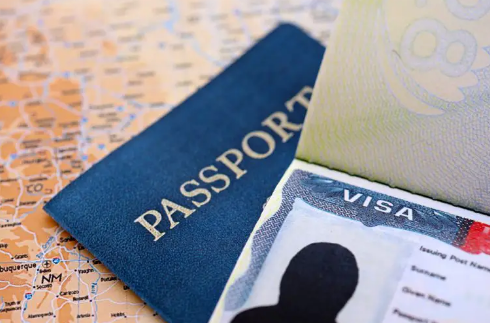
The extent of the impact differs from country to country. The ban mainly impacts those applying for immigrant visas through sponsorship and typically does not affect non-immigrant visas, such as tourist or business travel for limited duration.
However, certain countries face absolute bans, meaning their citizens cannot visit the U.S. for events like the World Cup or any other reason. Nevertheless, football fans from these nations should still be able to attend the tournament without issues.
Which European Nations Are Affected?
The EU and nearby nations now facing a pause in immigrant visa processing include Albania, Belarus, Bosnia and Herzegovina, Kosovo, Moldova, and Montenegro.
Critics of the policy claim it will disrupt families and legal immigration routes, while proponents argue these measures are key to protecting America’s long-term security.