
Anticipation Surrounds the Promised Payments Yet Timelines Remain Vague
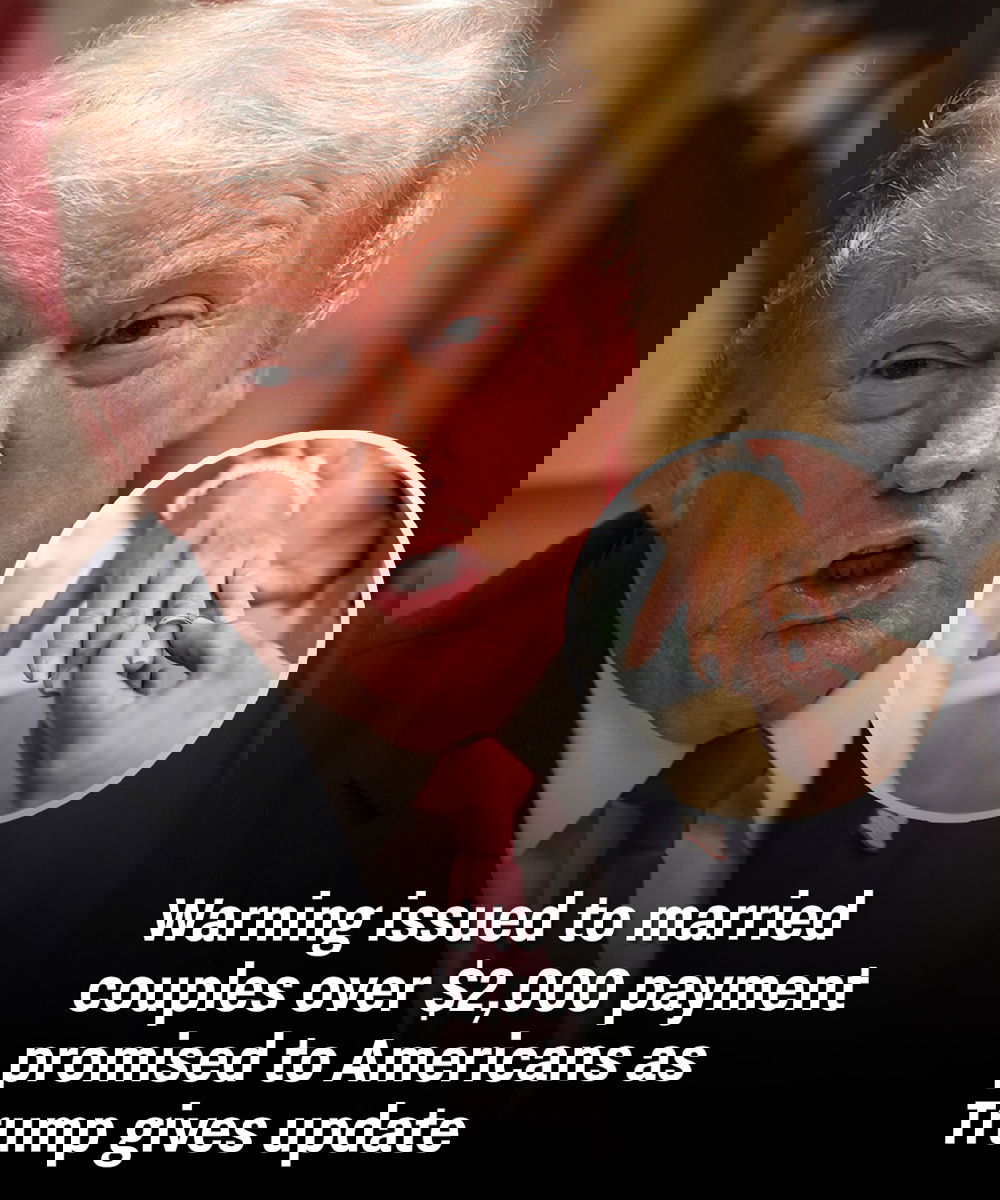
President Trump’s talk of a $2,000 “tariff dividend” for millions of Americans has sparked much excitement. For many families coping with the rising cost of living, this substantial check could be a much-needed relief, helping to pay for daily necessities such as groceries and utility bills as well as allowing for a few treats.
However, as enthusiasm grows, the details about when these payments will actually reach the public remain unclear. President Trump has not provided specific information on how or when the funds will be disbursed.
The Origin of the Dividends: Import Tariffs
The idea, first announced in July last year, is to fund these payments through the revenue collected from tariffs on imported goods. Essentially, these payouts are set to come from the increased costs that U.S. businesses and consumers face due to these trade policies.
In November, the president clarified that the anticipated payments would not be accessible to “high-income individuals.” Nevertheless, he did not specify the income level that determines eligibility, how the payments apply to married couples, or the timeline for sending out the checks. Recent discussions on the topic have brought about more confusion than clarity.
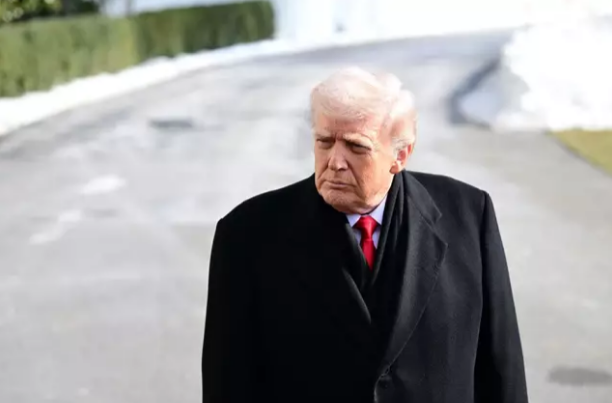
During a chat with The New York Times, President Trump seemed perplexed when queried about the promised $2,000 payment. “I did do that? When did I do that?” he asked. Later, he remembered the plan and mentioned that Americans might see these checks possibly “toward the end of the year.”
The Uncertainty Tied to Legal Challenges
The ambiguity surrounding the payment timeline may be due in part to the ongoing legal scrutiny of the administration’s tariff policies. The Supreme Court could potentially overturn these tariffs, which are a cornerstone of the administration’s economic approach.
Should that happen, despite the tariffs having amassed approximately $200 billion, the funds necessary for the $2,000 checks going out to hundreds of millions of Americans might no longer be accessible. Large companies, like Costco, are already preparing lawsuits to recoup tariff amounts paid, further diminishing the available funds should the Court defeat the administration’s economic measures.
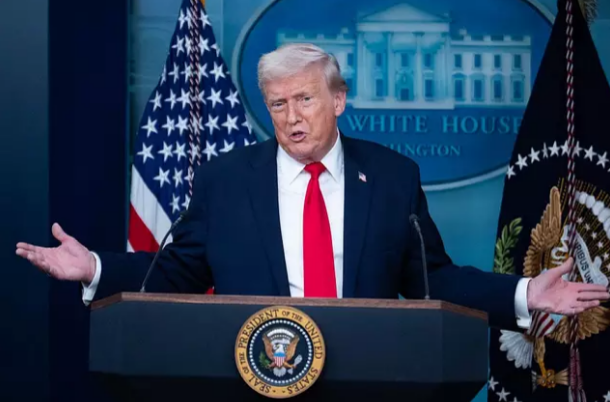
However, assuming the plan withstands any challenges and Trump fulfills his promise, who qualifies as “low- and middle-income” remains an open question. Formal income limits have yet to be disclosed, but analysts often reference criteria used for pandemic stimulus checks under Trump’s first term.
Financial experts like the commentator known as Blind to Billionaire have suggested that married couples might get treated differently than individuals, similar to how they were during COVID-19 assistance measures. Back then, individuals with incomes up to $75,000 were eligible, with married couples qualifying up to a combined income of $150,000.
This implies that an individual earning below the cutoff might be disqualified if their spouse’s earnings are significantly higher. They wouldn’t be alone in this predicament; the 2024 Census indicates that the median household income in the U.S. stands at $83,730, suggesting nearly half of Americans might not qualify for these payments.



