

After seven years as one of daytime television’s most recognizable faces, Kelly Clarkson has decided to bring The Kelly Clarkson Show to a close. The move isn’t tied to ratings trouble, network pressure, or behind-the-scenes drama. Instead, it reflects a deliberate personal choice—one Clarkson says simply makes sense right now.
For viewers, the news may come as a surprise precisely because the show has remained successful. But for Clarkson, ending the series now represents a shift in priorities rather than an ending to her career.

Since its launch, The Kelly Clarkson Show has been a bright spot in daytime programming. The series racked up 24 Daytime Emmy Awards during its run, including multiple honors for Outstanding Entertainment Talk Show and Outstanding Host. In a competitive daytime environment, that level of consistency is rare.
Audiences were drawn to the show’s warmth and accessibility. Clarkson’s natural ease, combined with emotional interviews and her genre-hopping musical performances, helped the program feel genuine rather than manufactured. Clips from the show regularly went viral, reinforcing its relevance well into later seasons. In short, the show wasn’t winding down—it was still working.
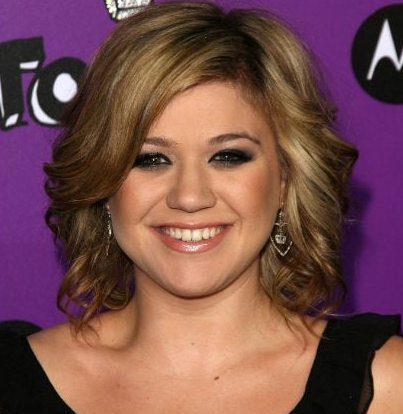
The real reason behind Clarkson’s decision comes down to lifestyle. Hosting a daily talk show requires an unforgiving schedule: near-constant filming, emotional energy on demand, and very little flexibility. Clarkson has acknowledged that the pace became harder to sustain as her personal life evolved.
She shares two children with her late ex-husband, Brandon Blackstock, and has spoken openly about wanting more time and emotional availability for them. Explaining her decision, Clarkson said, “Stepping away from the daily schedule will allow me to prioritize my kids, which feels necessary and right for this next chapter of our lives.”
That distinction matters. Clarkson isn’t stepping away from work—she’s stepping away from the daily grind. Ending the show now allows her to regain balance while still protecting the legacy of a series that ended on a high note.
Despite speculation, Clarkson has made it clear she isn’t retiring. Music remains central to her identity, and she plans to continue releasing songs, performing live, and appearing on television in more flexible formats. The difference is control.
Without the demands of a year-round talk show, Clarkson can choose projects more intentionally. Industry insiders describe the move as a reset—trading constant production for creative freedom and personal space.
When The Kelly Clarkson Show signs off, it will stand out as a rare example of a hit daytime series that ended by choice, not circumstance. There’s no controversy or forced conclusion—just a host recognizing that success doesn’t always mean staying forever.
Clarkson’s decision resonates beyond television. In a culture that often glorifies nonstop productivity, her choice sends a quieter message: knowing when to step back can be just as powerful as pushing forward.
For Clarkson, the timing isn’t about what she’s leaving behind—it’s about making room for what comes next.



