Trump’s impact on Europe’s relations with the US
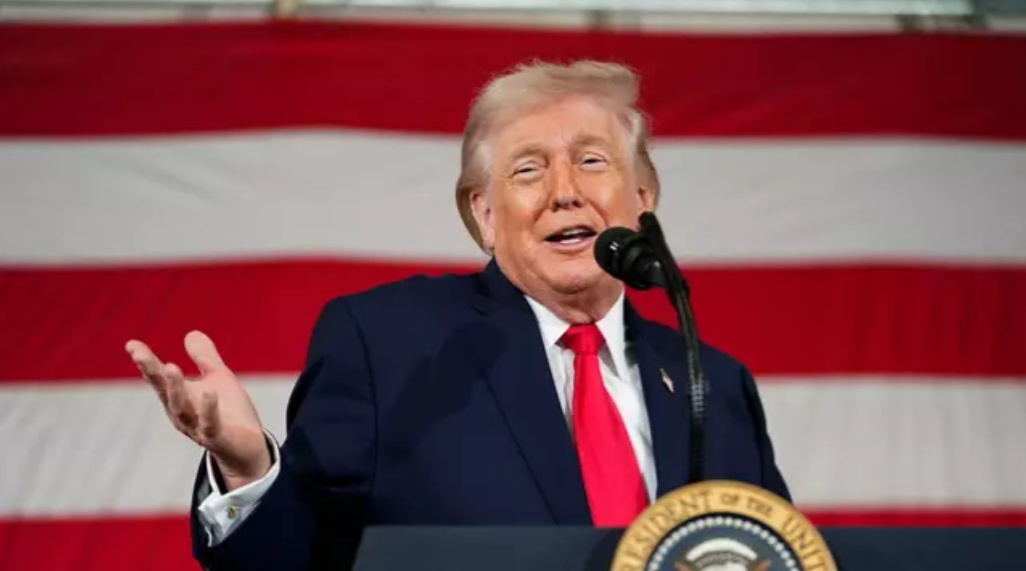
Amidst a challenging phase for US-Europe relations, particularly since World War II, President Donald Trump is asserting that “the people of Europe like me.” However, recent developments over the past year don’t seem to back that claim.
In February 2025, the US sought to re-engage with Europe, which began with Vice President JD Vance’s speech at the Munich Security Conference. Vance pinpointed Europe’s danger not as external, such as Russia, but as an internal “threat.”
Vance didn’t hold back, openly criticizing major NATO allies including Britain, which is usually seen as the US’s closest partner. His focus was on cultural and political issues, accusing liberal European nations of risking “civilizational erasure” due to their immigration policies.
Such comments marked a rocky start for Trump’s second term, and his later suggestions about acquiring Greenland by force or financial means further disturbed established international norms. These statements have caused many EU countries to reevaluate their security ties with the US.
Realignments under Trump’s foreign policy
Trump hasn’t ignored the shifting dynamics. He consistently calls into question the US’s dedication to NATO, urging European members to increase their defense budgets under the alliance.
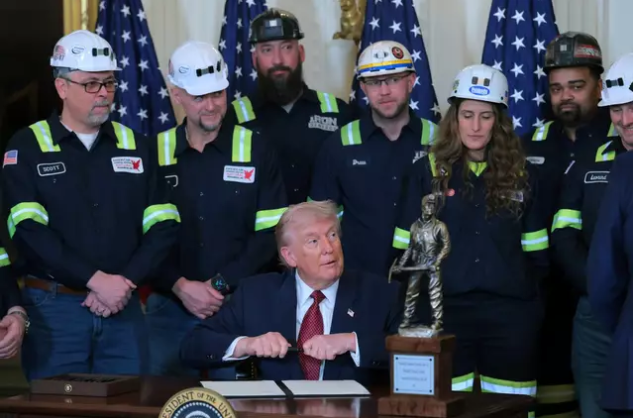
Recently, during a White House event on February 11, President Trump signed an executive order for the Department of Defense to favor electricity from coal-fired plants.
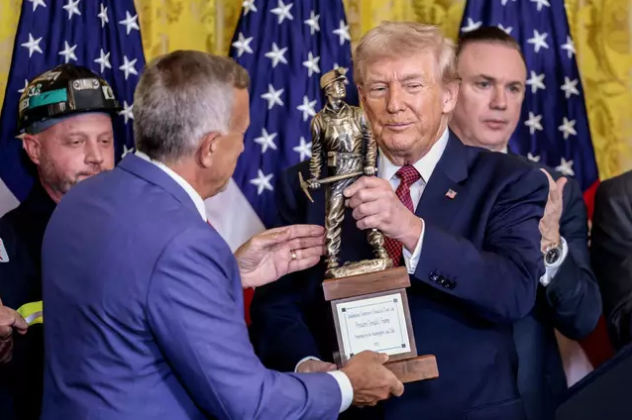
The Oval Office event also saw Trump being honored as the ‘Undisputed Champion of Beautiful Clean Coal’. At this gathering, he criticized European nations’ investments in green energy.
Mocking wind turbines prevalent across Europe—where one 300-foot turbine might power around 1,500 homes and wind energy can contribute to about a third of total power production—Trump claimed, ‘every time [a wind turbine] goes around it loses money’.
In contrast to coal plants’ grandeur and the serene sight of vast coal mining areas, Trump argued that wind turbines diminished Europe’s historical beauty.
“You know, when I recently visited, it was unrecognizable what they did to those lovely fields, those beautiful scenic places.