A snapshot of the national mood shows anxiety edging out optimism
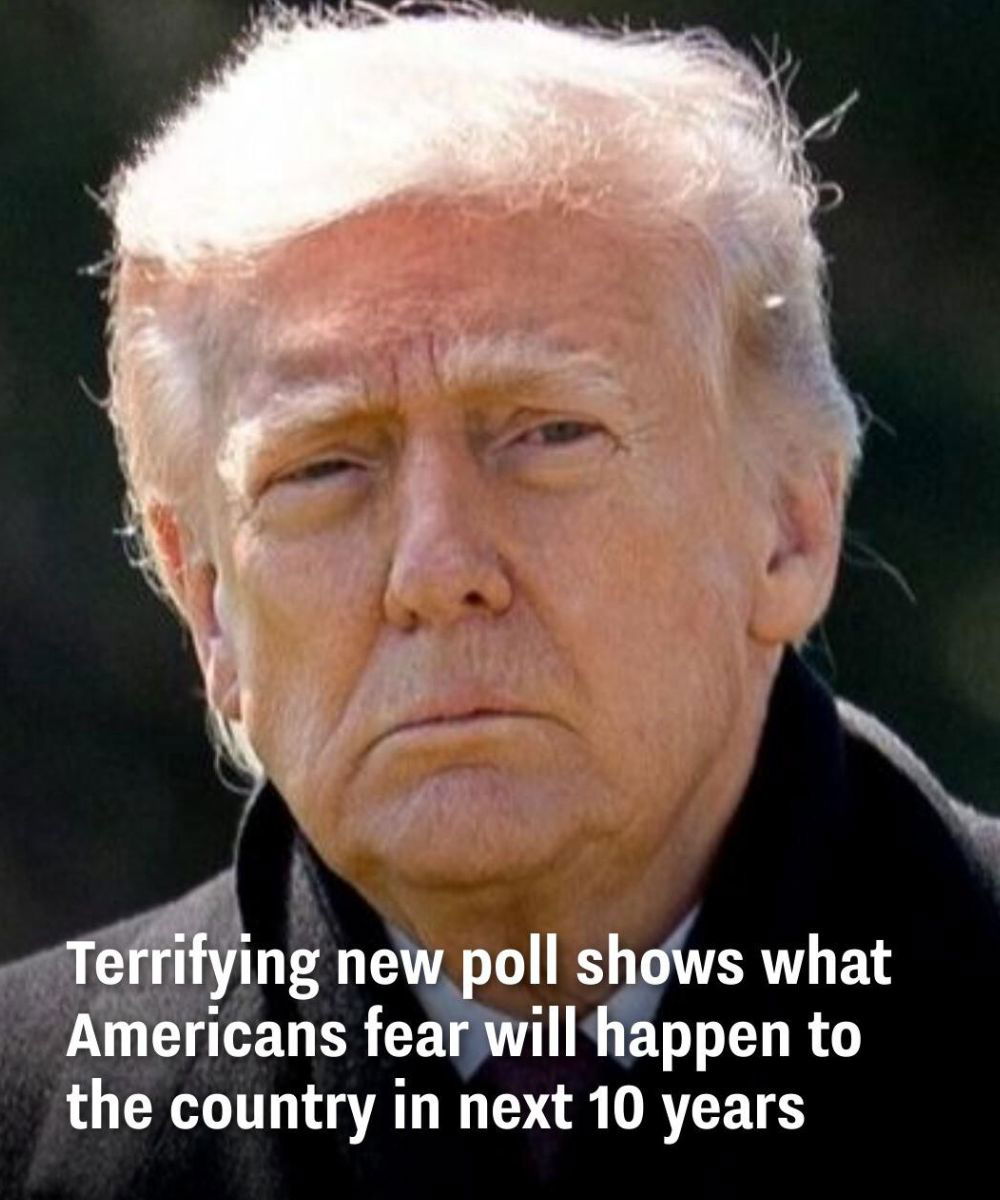
For much of recent history, many people in the United States looked to the future with confidence. Advances in medicine, technology, and civil rights seemed to promise steady progress. Today, a new national survey paints a far more unsettled picture, suggesting that hopefulness is giving way to worry about where the country may be headed over the next decade.
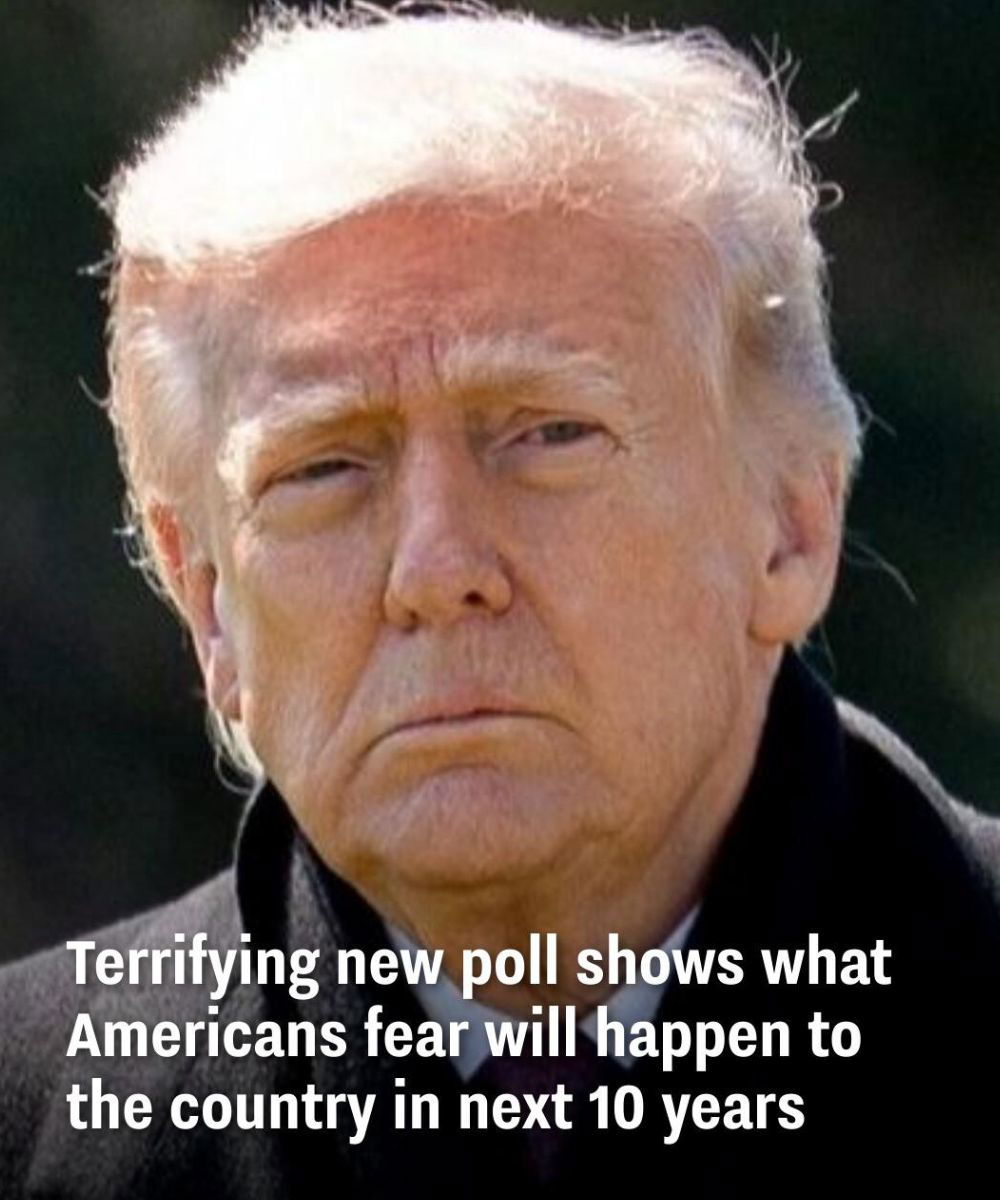
The findings come from a YouGov poll conducted in the context of conversations about Donald Trump’s second term. Against a backdrop of frequent and overlapping crises—extreme weather and climate concerns, geopolitical tensions, rapid shifts in technology, and an economy that feels unpredictable to many—the survey reveals rising unease and a growing sense that the next ten years could bring serious challenges.
Released as the midterm elections draw closer, the poll highlights several stark concerns. Nearly half of respondents said they fear a total economic collapse sometime within the coming decade. While the term “collapse” can mean different things to different people, the sentiment behind it is clear: many worry about job security, the value of their savings, and whether everyday essentials will remain affordable. For those approaching or already in retirement, this anxiety can feel especially personal, touching everything from household budgets to long-term plans.
Economic fears often blend with broader anxieties about stability and safety. When the cost of living rises and headlines emphasize market swings, it is easy to feel that the ground beneath one’s feet is less steady. Even if experts debate the likelihood of worst-case scenarios, the perception itself matters. It shapes how people plan, how they vote, and how they relate to institutions that are meant to provide guardrails in uncertain times.
Another striking result from the survey centers on political stability. A quarter of respondents believe that the United States could experience a dictatorship within their lifetimes. That view is not distributed evenly across the political spectrum: 36 percent of Democrats and 9 percent of Republicans said they see that as possible. A small fraction of those polled even expressed a positive view of such an outcome, although most Americans still reject the idea outright. These responses likely reflect deep frustration with political gridlock and distrust of leaders and institutions, even as many remain committed to democratic norms.
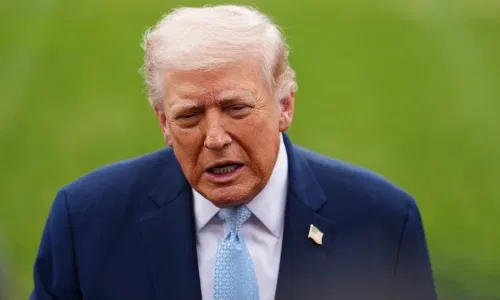
What people say they fear most: 42 percent foresee economic collapse, 36 percent think a civil war is possible, 35 percent expect territorial expansion, and 31 percent worry that democracy may stop functioning
When asked to look ahead, large segments of the public envision significant turmoil. Forty-two percent predict an economic collapse, an anxiety that likely reflects lingering memories of the 2008 financial crisis, the uneven recovery that followed, and the more recent shocks brought on by the pandemic era. While “collapse” is a strong word, it signals how vulnerable many feel to events beyond their control, whether those are interest rate swings, bank failures, or rapid changes in the global economy.
More than a third, 36 percent, believe a civil war could occur. That fear may be less about organized armies and more about the possibility of escalating political violence, deepening mistrust between neighbors, and breakdowns in the shared rules that help communities function. History shows that strong civic institutions, the justice system, law enforcement, and active democratic engagement can act as brakes on conflict. Nevertheless, the fact that so many people contemplate such a scenario is itself a measure of how strained the national conversation has become.
Another 35 percent think the United States might expand its territory. People who hold this view could be imagining different possibilities, ranging from new political arrangements with territories to more aggressive scenarios involving foreign land. While this idea has little clarity in day-to-day policy debates, its presence in the poll suggests a public attuned to the possibility of sudden geopolitical shifts, whether driven by conflict, migration, or global realignments.
Finally, 31 percent worry that the country may cease to function as a democracy. That concern likely arises from disputes over election procedures, the health of institutions like the courts and the press, and broader arguments about the balance of power between branches of government. The good news, if there is any in such a statistic, is that a majority do not believe democracy will fail. Still, nearly a third holding that fear is a signpost of a country wrestling with its identity and its future.
Behind these results are powerful day-to-day experiences. Older adults often carry the memory of times when institutions felt sturdier, while younger people may see turbulence as the norm. Media habits also matter. It is easier than ever to encounter frightening headlines and hard-to-verify claims, and that constant stream can heighten anxiety. Even so, the direction of these numbers should not be dismissed: they suggest that millions of Americans feel the ground rules of society are up for debate.
Shifting views on Trump’s leadership, especially on immigration
The survey also sheds light on how Americans currently view the president. On immigration, which has long been seen as one of Donald Trump’s strongest political issues, trust appears to be slipping. In March 2025, 47 percent expressed trust in his approach to immigration; a year later, that figure had fallen to 39 percent. Changing headlines about the border, competing priorities on the economy and national security, and the evolving humanitarian situation may all play a role in how people answer a polling question on this topic.
For many households, immigration debates are not just about national policy. They touch on the availability of workers in local industries, community safety, and the practical question of how to manage a complex system humanely and effectively. When people see images from the border or hear conflicting stories about what is happening, they may shift their assessments quickly. The poll’s trend line suggests that, at least for now, confidence on this issue is weaker than it was a year earlier.
The words people choose: “arrogant,” “opportunistic,” and “reckless” are the most frequent descriptors
When respondents were asked to describe Trump in a word or phrase, the most common answers were negative. Terms like “arrogant,” “opportunistic,” and “reckless” led the way, and many also used words such as “dishonest,” “corrupt,” and “ineffective.” Positive traits appeared less often. While that pattern will not surprise anyone who follows American politics, it does help explain the larger mood detected in the survey. Personal impressions of a leader color how people interpret events, especially in times of uncertainty.
It is important to remember that such descriptors usually track party affiliation and media diets. Critics focus on perceived character flaws, while supporters emphasize policy outcomes they favor. Polls that collect open-ended descriptors capture emotion as much as analysis. Even so, the balance of words here adds weight to the broader theme of worry and frustration, both about leadership and about where the nation is heading.
Foreign policy gets relatively stronger marks at 33 percent, but tensions abroad are adding to global instability

On the international stage, Trump receives comparatively stronger approval at 33 percent, though that is still far from a majority. Recent military actions in places such as Venezuela and Iran have contributed to a sense of volatility beyond America’s borders. In a tightly linked world, what happens overseas rarely stays there. Conflicts affect energy prices, investor sentiment, and the reliability of global supply chains that bring goods to American stores and services to American communities.
One example is the ripple effect in oil markets after disruptions in the Strait of Hormuz, one of the most vital shipping routes for energy. When that corridor is threatened, even briefly, traders brace for shortages and prices can jump quickly. For families watching their budgets, higher gasoline and heating costs arrive as immediate, tangible reminders of faraway developments. Many older Americans remember earlier oil shocks and know how quickly energy prices can scramble household plans.
Foreign policy always unfolds on two tracks at once: the immediate need to respond to threats and the longer-term task of building durable stability. Military decisions make headlines, but alliances, diplomatic efforts, and international institutions often do the quiet work of lowering the temperature. How voters judge a president on this front tends to depend on whether they feel safer and more economically secure as events play out, something that can change month by month.
Despite the criticism reflected in the polling, the White House says the president’s decisions are aimed at protecting national security and serving the best interests of the American people, not at chasing favorable survey results. That stance reflects a basic truth of leadership: sometimes choices are unpopular in the short term, even if supporters believe they are necessary. Whether the public ultimately agrees often depends on outcomes that take time to reveal themselves.
How to read a poll without losing perspective
Polls are snapshots, not forecasts. They tell us how people feel at a particular moment, influenced by the most recent news and by the way questions are worded. A change in phrasing or timing can nudge answers in different directions. That is why experts often caution against treating any single result as destiny. Trends across multiple surveys, taken over time, are usually the more reliable guide to where opinion is headed.
It is also worth noting that national numbers blend together very different experiences. Feelings in a small town may diverge from those in a big city; priorities in one region can look different from another. Age, education, and party identification all shape how people process the same facts. If your own conversations with friends and neighbors do not match the headline figures, it does not mean the poll is wrong. It means the country contains many Americas, each with its own concerns and hopes.
Even with those caveats, the message here is hard to miss. Anxiety is high. People are thinking not only about next month’s bills but about the basic architecture of American life—its economy, its democracy, and its place in the world. Policymakers would be wise to listen carefully to these concerns, whether they agree with them or not, because they influence trust and cooperation in every corner of public life.
From fear to practical perspective in daily life
When worries run this deep, it helps to zoom out. The United States has weathered profound challenges before, from the Great Depression to long stretches of social unrest to periods of intense inflation. None of those eras were simple, and none followed a straight path to improvement. But step by step, through debate, reform, innovation, and engagement, the country found its way forward. Remembering that history can steady the nerves, even when the present feels loud and unsettled.
There are also practical ways to stay grounded. With so many people fretting about the economy, it can be reassuring to revisit the basics: knowing where your money goes each month, setting aside what you can for unexpected expenses, and being cautious about offers that seem too good to be true. These are timeless habits that serve people well whether times are calm or turbulent. And if retirement is on the horizon or already here, talking with a trusted professional about risk and goals can add clarity.
On the civic front, participation remains a powerful antidote to helplessness. Voting, attending local meetings, and understanding how decisions are made in your town or county can restore a sense of agency. Neighbors who know each other tend to solve problems more effectively, and those connections make it easier to separate rumor from reality. In an era when social media can accelerate fear, real conversations often slow things down and bring facts into sharper focus.
It is also wise to be mindful of information overload. Taking news breaks, checking multiple reputable sources, and pausing before sharing alarming stories can lower stress and improve judgment. A steady, measured approach to the daily news can make it easier to keep an eye on the bigger picture and to tell the difference between a worrying headline and a trend that actually affects your life.
Technology is another area where change sparks both hope and anxiety. New tools can upend industries and feel overwhelming, yet they also open doors to better healthcare, safer transportation, and ways to stay connected. Many older adults have shown that it is never too late to learn, whether that means mastering a video call with the grandkids or understanding how to protect oneself from online scams. Confidence grows one small step at a time.
Above all, relationships act as anchors. Families, faith communities, volunteer groups, and friendships create a cushion against the buffeting winds of national and global events. They remind us that beyond polls and politics, daily life is built from acts of care and responsibility. Those bonds are not a cure for big problems, but they are a sturdy foundation on which solutions are built.
The bottom line
The YouGov survey offers a sobering view of where Americans think the country might be headed in the next ten years. Large shares worry about an economic collapse, the possibility of civil conflict, changes to the nation’s territory, and the health of American democracy. Views of President Trump reflect this unsettled mood, with declining trust on immigration, a prevalence of negative personal descriptors, and relatively stronger—but still minority—approval on foreign policy. International tensions, including actions involving Venezuela and Iran and disruptions in the Strait of Hormuz, have added to global instability and everyday concerns about energy costs.
The White House counters that decisions are driven by national security and the long-term interests of the American people, not by polling. However one interprets these results, they point to an unmistakable truth: many people are uneasy. That does not mean catastrophe is guaranteed. It does mean the nation has work to do—to listen, to address real problems with practical solutions, and to rebuild trust where it has frayed. The future is not written, and the same spirit that has carried Americans through past trials remains available now, in our homes, our communities, and our shared public life.