A warm White House visit takes an unexpected turn — and a personal compliment softens the mood
Japan’s new prime minister, Sanae Takaichi, drew widespread attention during her visit to Washington after making a brief but memorable remark about Barron Trump, the son of US President Donald Trump. The moment came amid a day filled with high-stakes diplomacy, ceremonial gestures, and a few bumps along the way.
Takaichi, who assumed office in October 2025 as Japan’s first female prime minister, arrived in the United States with a clear mission. With tensions rising in the Middle East connected to US military actions in Iran, she aimed to steady nerves, reinforce the US–Japan partnership, and underscore Japan’s reliability as a longstanding ally. Her message was simple and reassuring: in unpredictable times, the relationship between Washington and Tokyo remains steady, practical, and focused on peace and stability.
Known for her conservative outlook and disciplined style, Takaichi has maintained a cordial relationship with President Trump since taking office. The two leaders emphasized continuity in strategic cooperation, from managing energy supplies to coordinating on regional security. At the forefront of her visit was a commitment to help stabilize global energy markets, including support for a smoother flow of fuel and collaboration on critical infrastructure that keeps both economies strong.
She also brought with her a symbolic gesture that resonated with history-minded observers. To mark America’s upcoming 250th anniversary, Takaichi pledged that Japan would present the United States with 250 cherry trees. The gift evoked the famous exchange in 1912, when Japan sent thousands of cherry trees to Washington, D.C., creating the beloved springtime tradition around the Tidal Basin. By reviving that spirit of friendship, Takaichi reminded audiences in both countries that diplomacy is not only about military planning and economic talks, but also about shared traditions and goodwill that last for generations.
The tone of the day, however, briefly shifted when a quip from President Trump referencing the attack on Pearl Harbor prompted uncomfortable reactions online. While humor often appears in political meetings, the weight of that historical event — particularly for older generations who grew up with family stories of the war — made the moment feel jarring to some listeners. Even so, the encounter quickly returned to substance and civility, with Takaichi keeping a steady hand on the agenda she had brought to Washington.
Throughout the visit, Takaichi emphasized calm, clarity, and continuity. For audiences following from home, the message was reassuring: the alliance remains focused on real-world cooperation. She emphasized energy resilience, protection of shipping lanes, continued information-sharing, and support for a secure Indo-Pacific. These are not abstract ideas; they affect the price of fuel, the stability of supply chains, and the safety of a region that powers much of the global economy.
A light clash of tone sparks debate, but diplomacy stays on course
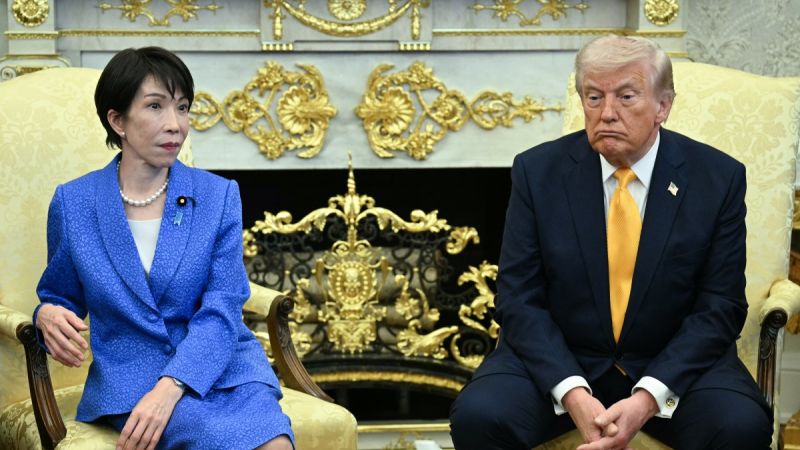
The comment that touched on Pearl Harbor drew swift criticism from observers who felt it was a poor fit for such a solemn historical memory. For many, the subject carries deep emotional weight, and what might be intended as a quick aside can sound insensitive. That said, state visits are complex and highly choreographed events, and occasional missteps are not unusual. What matters most is how leaders respond in the moment and move forward with respect.
On that front, Takaichi pressed ahead, keeping her attention on shared priorities. She arrived with proposals aimed at stabilizing energy markets, which have been unsettled by persistent tensions in the Middle East. Within that framework, she highlighted Japan’s readiness to coordinate with the United States on reliable fuel flows and practical solutions that reduce the risk of sudden price spikes. She also emphasized cooperation that plays to both countries’ strengths — from advanced manufacturing and semiconductors to innovation that can secure critical supply lines.
In her prepared remarks, Takaichi praised Trump’s willingness to engage directly with global challenges and suggested that steady leadership could help reduce the risk of wider conflict. Her tone was respectful and forward-looking, reinforcing the notion that allies do their best work when they presume good faith and focus on realistic steps both can take. Even as social media lit up with debate over the earlier remark, the leaders and their teams kept their talks constructive.
For those who remember the long arc of US–Japan relations, the scene carried echoes of the past and hopes for the future. After the Second World War, the two countries built a partnership that became one of the cornerstones of global stability. Today, that partnership remains vital — not only because of defense treaties and naval cooperation, but also because of the everyday ties that connect the two peoples. From cars and consumer electronics to culture, education, and travel, the relationship is woven into ordinary life on both sides of the Pacific.
That background helps explain why the cherry tree gesture resonated so strongly. Symbols matter in diplomacy, especially those that are already dear to the public. In Washington, cherry blossoms are a source of joy and a reminder that difficult winters give way to spring. By tying the new gift to America’s 250th anniversary, Takaichi acknowledged both history’s hardships and the resilience that has carried the United States and Japan forward as friends.
While critics condemned the ill-timed joke, others appreciated the broader spirit of the visit — a commitment to work together despite differences in style or tone. This is often how diplomacy functions: difficult moments arise, and then leaders steady the ship, return to practical goals, and keep their eyes on what they can accomplish together. That was the larger theme of the day in Washington.
Amid serious talks, a personal note about Barron brings a smile
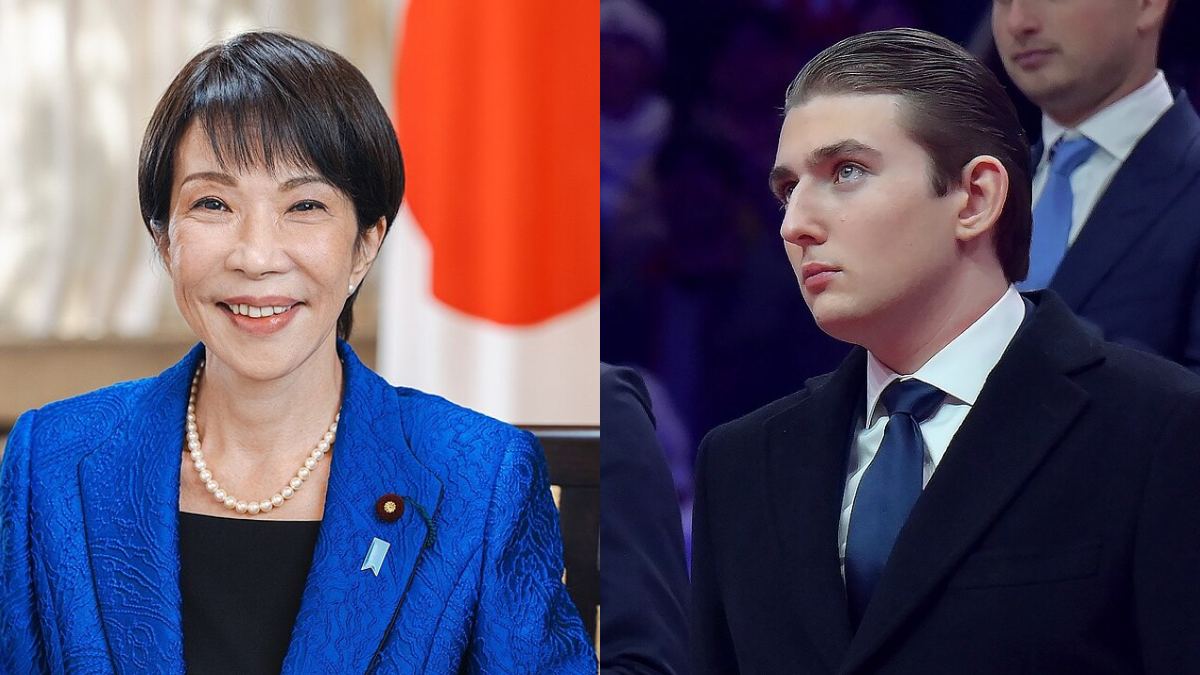
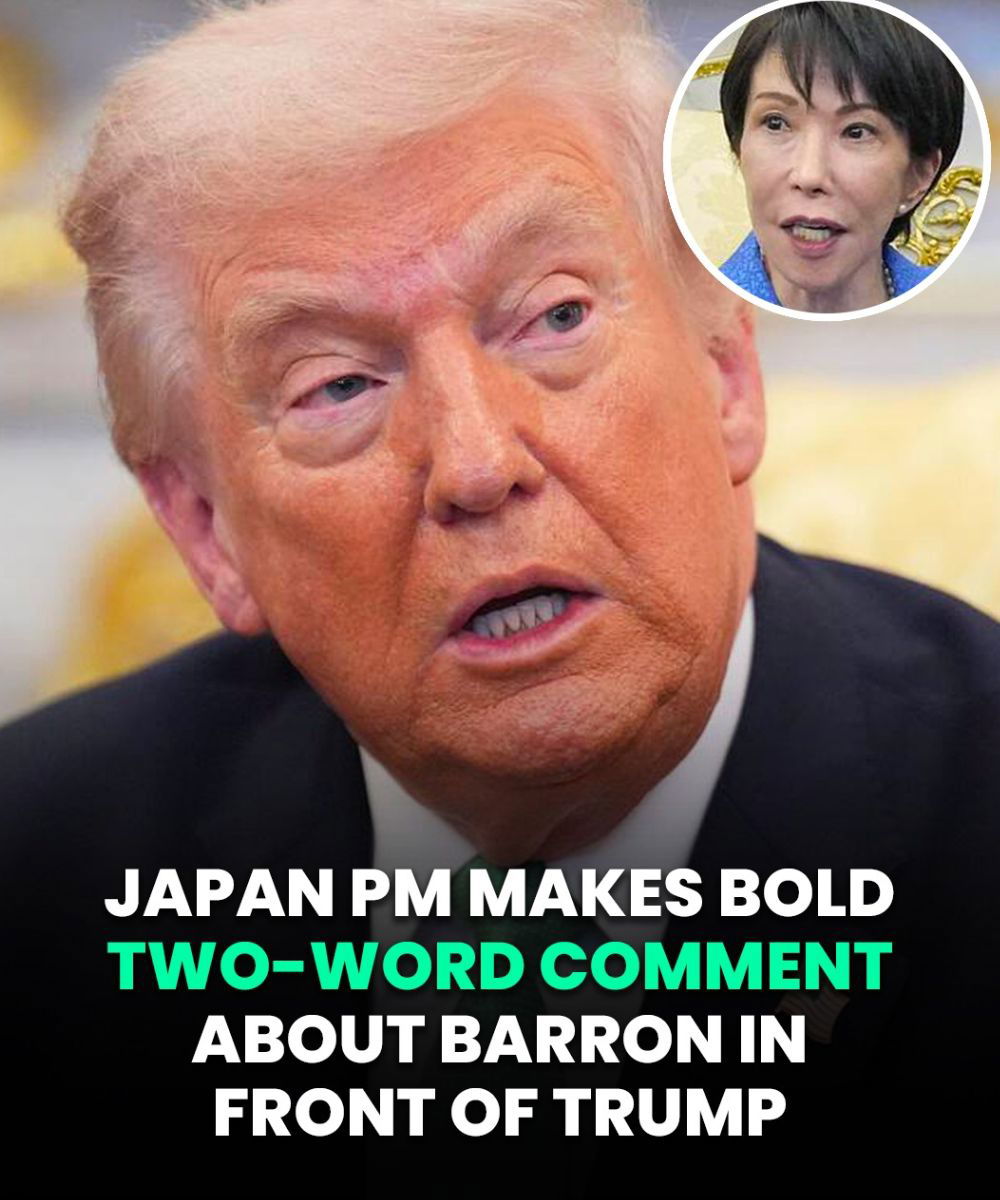
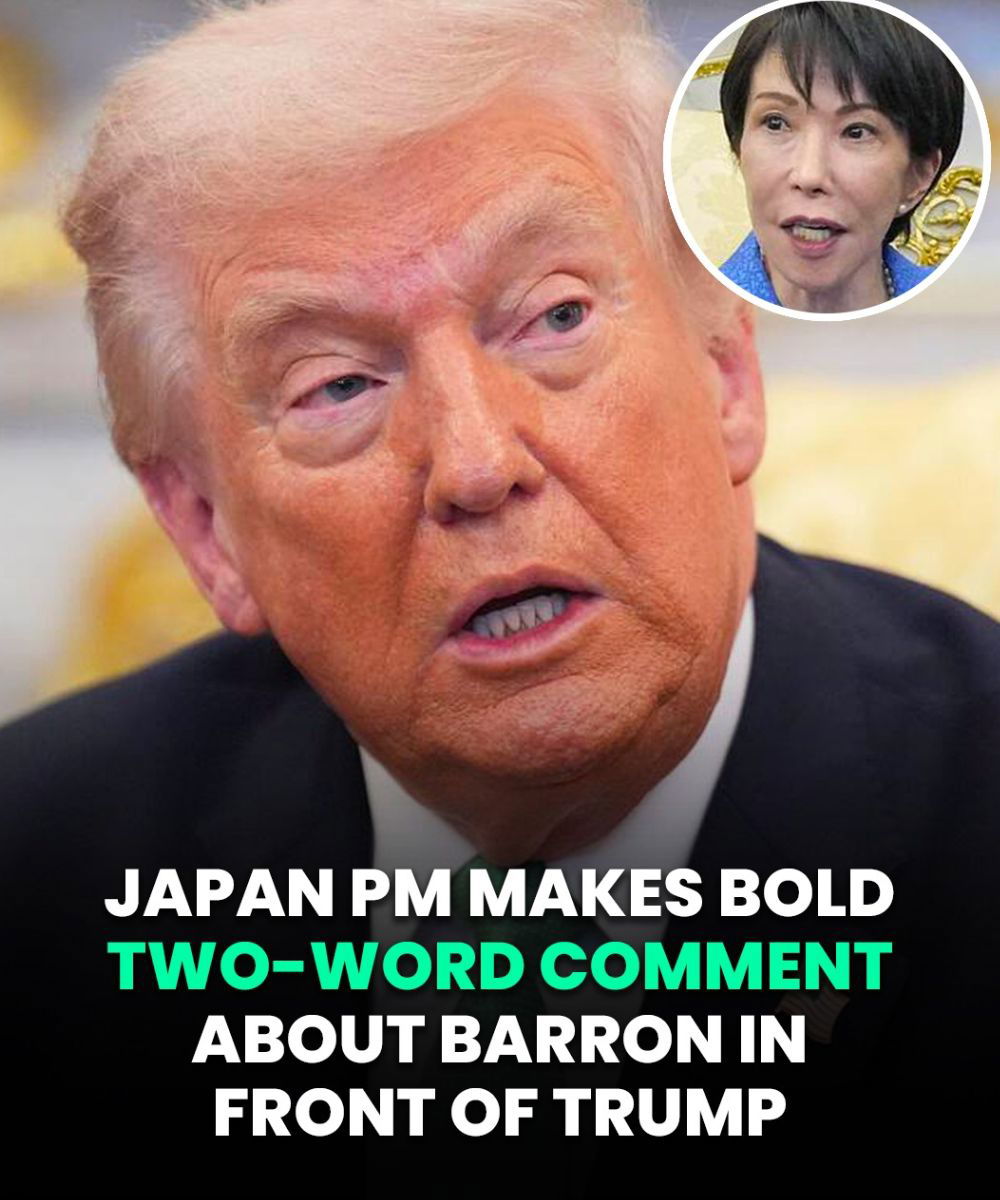
Alongside the formalities, Takaichi took a moment to ask President Trump to pass on birthday wishes to his son, Barron, who recently turned 20. In doing so, she described him in two simple words that stood out: tall and handsome. The comment drew laughter in the room and helped ease the earlier tension, creating a more relaxed atmosphere for the remainder of the visit.
These small, human moments can matter more than they first appear. In high-pressure environments — especially when the news cycle is dominated by conflict and crisis — a brief personal exchange can remind everyone that politics is ultimately about people and families. It also reflects a longstanding tradition in diplomacy: courteous references to a host’s family are considered considerate and polite, a way to signal warmth and respect without getting mired in policy details.
For many observers, the mention of Barron served as a subtle reset. After online backlash over the Pearl Harbor quip, Takaichi’s lighthearted words offered a gentle change of pace. They did not overshadow the agenda at hand or trivialize the serious issues on the table. Instead, they underscored the importance of civility — a small gesture that welcomed calm back into the room so the leaders could get back to business.
It is also worth noting that compliments of this sort are hardly unusual in diplomatic settings. Leaders often exchange thoughtful remarks about each other’s families, landmarks, and national traditions. Such comments are not meant to distract from policy; they add a layer of goodwill, making it easier to navigate the complicated, sometimes sensitive discussions that follow.
As the visit continued, both sides circled back to the immediate concerns that brought them together. Japan reiterated its commitment to helping stabilize the energy picture, including cooperation on fuel supplies and infrastructure that can cushion consumers from sharp price swings. The United States, for its part, welcomed assurances that Tokyo remains a reliable partner as events in the Middle East continue to evolve.
In this context, Takaichi’s personal praise for Barron functioned as a small but positive note within a larger symphony of diplomacy — a brief melody that brightened the tone without changing the tune. By keeping the exchange respectful and brief, she communicated goodwill and steadiness, balancing candor with courtesy.
For an older audience who has watched decades of international meetings, the scene may have felt familiar. There are ceremonial images, carefully chosen words, and then a moment of warmth that reminds everyone of the human side of leadership. The choreography can look predictable, yet the emotions are genuine: leaders know that today’s tone can shape tomorrow’s cooperation.
Taking a longer view, the visit reaffirmed several priorities that matter to everyday life. Stable energy markets help families plan their budgets and businesses invest with confidence. Strong alliances deter conflict, which keeps young people out of harm’s way and maintains a climate where hard work pays off. Shared traditions, like the cherry blossoms in Washington, connect generations by offering beauty and continuity in a changing world.
Takaichi’s praise for President Trump’s capacity to advance peace — and her alignment with him on concerns about Iran’s nuclear ambitions — signaled that the two governments share a strategic outlook. While experts can and will debate the best policies, there was no mistaking the intent to coordinate closely. For Americans and Japanese alike, that sense of unity can be reassuring, particularly when headlines elsewhere feel uncertain.
As the day concluded, what will likely be remembered are two contrasting moments that together tell a fuller story. One moment involved a remark that many found inappropriate, highlighting the risks of informal humor when history is close to the surface. The other moment — a friendly, two-word compliment about Barron — reminded everyone that good manners and simple kindness still have a place in public life. Between those poles, the working relationship carried on, grounded in shared interests and a sober understanding of the stakes.
Looking ahead, the practical implications of the visit will play out in follow-up meetings and working groups. Expect continued attention to energy security, including steps that protect consumers from volatility and support the smooth flow of vital resources. Watch for cooperation on emerging technologies and supply chains, areas where the United States and Japan can reinforce each other’s strengths. Anticipate ongoing coordination in the Indo-Pacific, where maintaining open sea lanes and clear communication reduces the risk of miscalculation.
None of this will be headline-grabbing on its own, but together these efforts form the backbone of a reliable alliance. The day’s most shared sound bites may be the ones about jokes and compliments, yet the heart of the visit was practical and focused. That’s often how serious work gets done — through steady, sometimes quiet collaboration that leaves people safer and economies more secure.
And when those 250 cherry trees eventually take root and blossom, they will offer a living reminder of what both nations tried to accomplish during this visit. They will not just symbolize friendship; they will testify to the idea that even during tense times, leaders can choose gestures of goodwill, respectful words, and concrete cooperation. A single lighthearted compliment about a young man turning 20 may seem small, but in the careful language of diplomacy, small things can make a difference.
In the end, Takaichi’s trip to Washington balanced tradition and practicality, formality and warmth. The controversy over a misplaced joke did not derail the agenda, and the two leaders found their footing in common goals. As for the personal remark that brought a smile — those two words about Barron, tall and handsome — they will likely be remembered as a courteous touch that softened the edges of a consequential day. For many watching around the world, that combination of steadiness and civility is exactly what they hope to see more of in the years ahead.
For older Americans and Japanese who have witnessed the evolution of the alliance over decades, the takeaways are familiar yet welcome. Partnerships endure not only because of treaties and trade figures, but because of the character and restraint leaders bring to the table. When the cameras switch off and the headlines fade, what lasts is the work — and the trust — that keep both countries moving forward together.