A clear call from Canberra as tensions with Iran intensify
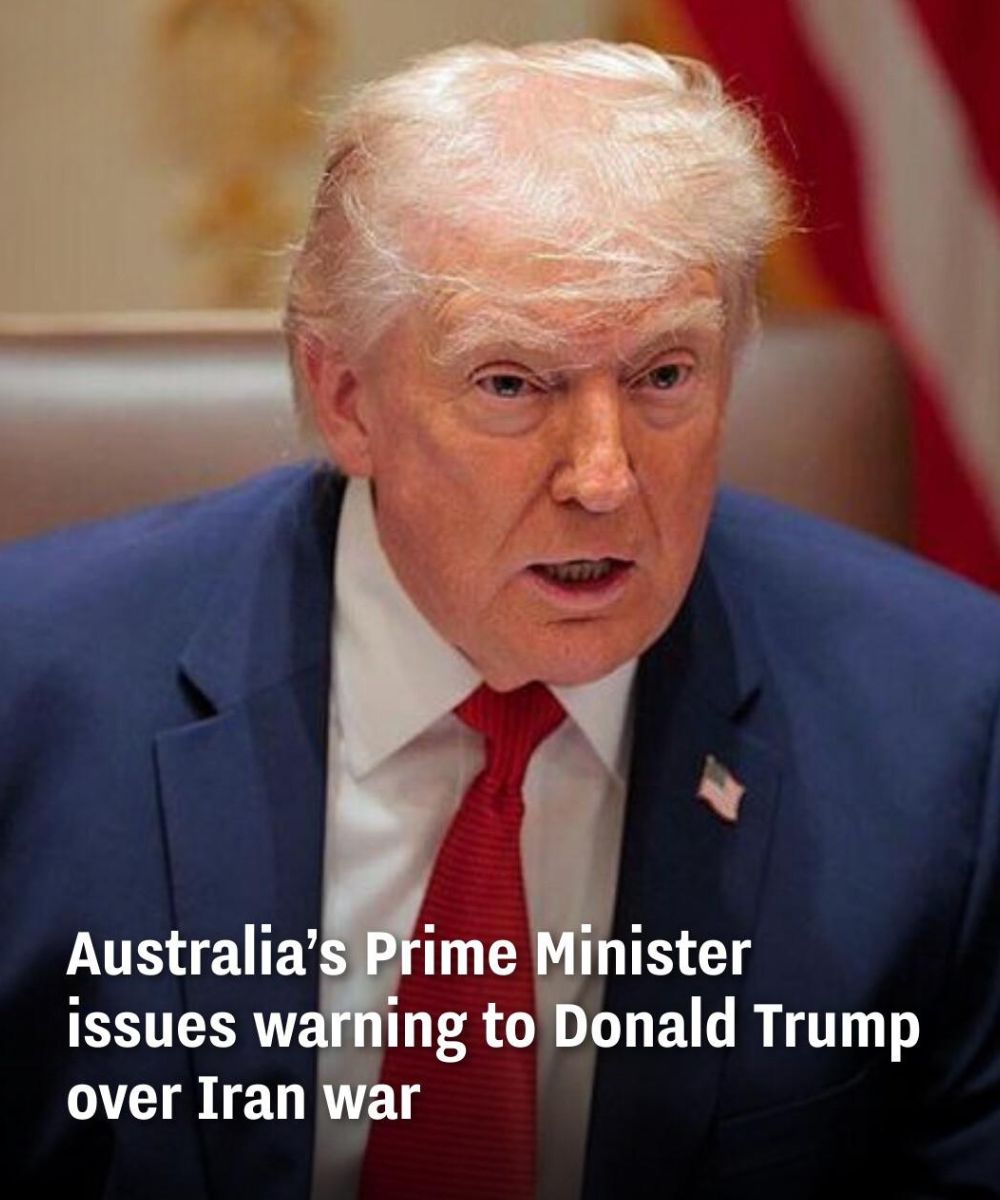
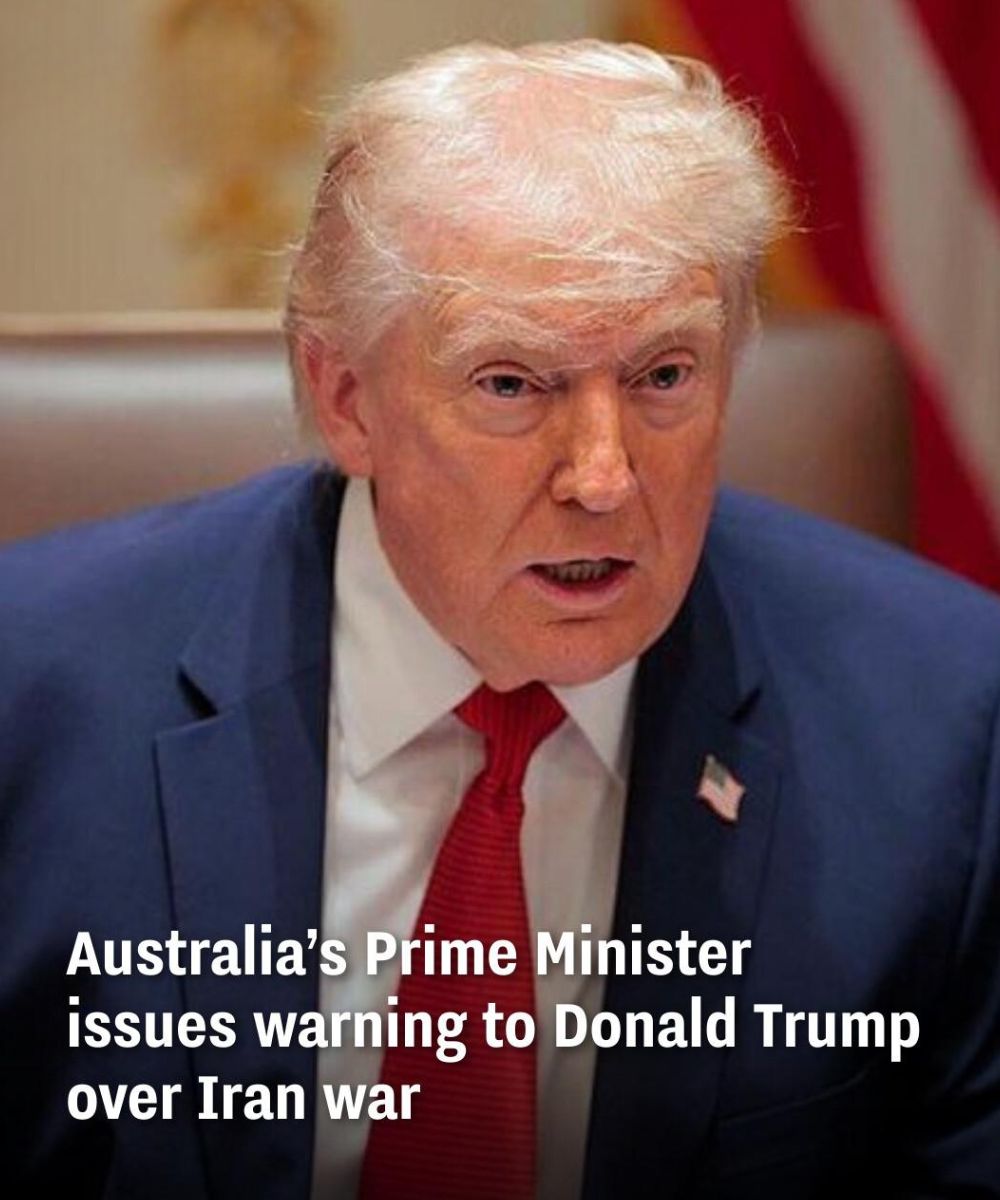
Australia’s Prime Minister, Anthony Albanese, has delivered an unusually direct message aimed at former United States president Donald Trump, urging sharper clarity on the aims of the war involving Iran and warning about where the conflict appears to be heading. His remarks reflect a growing unease among close partners and allies who support stability but want to understand the endgame before conflicts widen further.
The fighting and political strain among Iran, the United States, and Israel has entered a second month. Early on, there was talk from Washington that the confrontation would be short-lived, but as the weeks have passed the picture has become more complex, with new actors getting pulled into the diplomatic and security whirlwind. For many ordinary Australians, the news can feel distant yet worrying, especially as the consequences reach fuel pumps, supermarket shelves, and retirement savings.
How this latest round began and why it is expanding
The immediate spark for the current phase was a wave of missile strikes carried out by Israel and the United States on February 28, which targeted Iranian assets. In the days that followed, Iran retaliated against US bases in the surrounding region. What began with strikes and counterstrikes soon grew into a broader standoff, marked by threats, posturing, and preparations that point to a potentially longer and more difficult conflict.
Reports suggest the United States has moved thousands of troops into the Middle East and is preparing for possible ground operations. While the exact plans remain closely held, the very possibility of expanded action has alarmed many countries. Without clearly stated and achievable objectives, even allies can struggle to lend full support, because when aims are vague, timelines stretch, and costs can grow in unexpected ways.
From the Australian point of view, that uncertainty is more than a headline. It influences fuel prices, the cost of shipping, and broader market confidence. A conflict in the Gulf can send ripples through the global economy quickly, and those ripples eventually reach households and businesses here at home.
Albanese’s message: de-escalate and define the destination
Speaking in Canberra on March 30, the Prime Minister framed his concerns in practical terms, asking Washington to offer more certainty about its strategy and warning that trying to force a change of government in Tehran would be extraordinarily difficult. His view is not about approving of Iran’s leadership—he has been clear that he opposes the Iranian regime—but about avoiding a drawn-out confrontation with no clear finish line.

He urged more precision about the goals of the war and called for de-escalation. He linked that appeal to the health of the global economy, reminding listeners that spiraling tensions in the Gulf quickly become higher prices in daily life. While acknowledging that some limited aims may have been achieved—such as restraining elements of Iran’s nuclear ambitions and weakening its reach into the region—he cautioned strongly against believing such steps can easily be converted into a swift and stable political transition inside Iran.
The Prime Minister underlined a lesson many older Australians will remember from past conflicts. He noted that history shows externally enforced regime change is far harder than it looks on paper. Even when early military goals are met, the aftermath can be unpredictable, prolonged, and costly, with difficulties that outlast any initial success.
Why clear objectives matter in a conflict of this scale
Wars without clear aims tend to expand in scope and time. Military planners often warn against what they call mission creep, when operations grow beyond their starting purpose because no settled destination has been agreed. In this case, the risks are especially high. A wider war could draw in more countries across the Middle East and even beyond, complicate shipping routes, disrupt the flow of energy, and put diplomatic relationships under severe strain.
Clarity about objectives does not guarantee a quick victory, but it does provide a yardstick for judging progress, deciding when to pause, and knowing when to negotiate. It helps allies decide what support they can offer and for how long. And it aids the public in understanding why sacrifices may be needed and what success would look like. That is why Albanese’s request for “more certainty” resonates well beyond Canberra’s corridors of power.
Fuel prices and the household budget: the pressure at home
Australians are already feeling the pinch. The Strait of Hormuz, a narrow passageway through which a large share of the world’s seaborne energy travels, is sensitive to any sign of trouble. When shipping slows or insurers raise costs due to higher risks, it often shows up in higher fuel prices at the bowser. Recent movements have reportedly pushed fuel costs up by around 40 percent, and that rise affects far more than a weekly drive. It filters into the cost of transporting groceries, running small businesses, and operating public services.
For those on fixed incomes, or approaching retirement, these jumps can be unsettling. They also come at a time when many households have been coping with the lingering effects of inflation and higher interest rates. These are the kinds of practical impacts that make de-escalation more than a diplomatic slogan—it becomes a matter of everyday affordability.
Claims and counterclaims: are talks happening?
From Washington, Donald Trump has said the United States is engaged in what he called productive talks with Iran to bring the conflict to a close. Tehran’s response has been to deny that any negotiations are underway, while emphasizing that it is prepared to confront US forces if necessary. As is often the case in times of tension, statements can serve both diplomatic and domestic audiences, and the truth can be tough to pin down from the outside.
Still, even the suggestion of dialogue can open small windows for de-escalation, whether through back channels or third-party mediation. Those windows matter, because once heavy ground operations begin, the political space for compromise tends to shrink on all sides.
Europe’s caution and condemnation
On March 19, the governments of the United Kingdom, France, Germany, and Italy issued a joint statement that condemned attacks attributed to Iran on commercial ships and infrastructure, as well as actions that tightened or threatened access through the Strait of Hormuz. The message urged Iran to halt its military activities and observe international resolutions. Europe’s tone was firm, but also cautious, reflecting its dual concern about security and economic stability.

London wants a quick end but avoids stepping in directly
In the UK, Prime Minister Keir Starmer has expressed his desire for a swift conclusion to the fighting and has chosen not to become directly involved. That position drew criticism from Donald Trump, yet it underlines a wider view in Europe that staying out, while pushing for de-escalation and adherence to international law, is the surer path to limiting harm.
Russia, an ally of Iran, has also condemned the upward spiral in tensions and warned about the danger of the conflict spreading. That warning, however, comes with its own geopolitical interests and signals, serving both to caution others and to position Moscow as a defender of its partners in the region.
What history teaches about regime change
When leaders talk about changing a government from the outside, experience from past wars provides sobering lessons. Early successes are often followed by unexpected resistance, regional power struggles, and the challenge of building new institutions that can maintain order. Those transitions can consume years and vast resources, all while testing alliances and public patience.
That is why the distinction the Australian Prime Minister made matters. Reducing immediate threats, limiting the spread of weapons, and deterring attacks can be tightly defined goals. Replacing a government and fostering a stable aftermath is a much larger project, one that history shows is difficult to start and even harder to finish.
Scenarios from here: a practical, sober view
From this point, several paths are possible. One is de-escalation through diplomacy, perhaps gradually, with confidence-building steps designed to lower the temperature. Another is a limited continuation of the campaign, with strikes aimed at specific targets to deter further attacks. The most worrying path is a broader war that could entangle multiple countries and create prolonged economic and humanitarian crises. Which path prevails will depend on clear objectives, patient statecraft, and the willingness of leaders on all sides to accept imperfect compromises in the interest of stability.
Albanese’s comments are aimed at nudging policy toward the first path. By asking for clarity from Washington and speaking plainly about the dangers of regime change, he is signaling both support for allies and a protective concern for Australia’s interests—economic, diplomatic, and security-related.
Understanding the Strait of Hormuz and its outsized influence
The Strait of Hormuz is a narrow waterway between Iran and the Arabian Peninsula that connects the Persian Gulf to the open ocean. Much of the world’s shipped oil and gas moves through this channel. Any disruption—whether from military action, threats to tankers, or blockages—can quickly send energy prices higher. Shipping companies face increased insurance costs and logistical hurdles, and those added costs eventually pass down the line to consumers.
For Australians, this means higher prices for fuel and, over time, a general pressure on goods that rely on transport. In a world where supply chains are still recovering from earlier shocks, the added uncertainty from the Gulf can prolong price volatility. That is another reason why global leaders, even those far from the region, keep returning to the same word: de-escalation.
The view from Australia: steady, allied, and watchful
Australia remains a close ally of the United States and a committed supporter of a rules-based international order. Those commitments do not prevent Canberra from asking hard questions when lives and livelihoods are at stake. The message from the Prime Minister is not a break with allies; it is a reminder that shared values are best served when ends and means are carefully aligned.
Staying watchful also means staying realistic. Wars can surprise even their architects. Plans meet reality, opponents adapt, and unforeseen events intervene. That is why constant reassessment, clear communication, and defined goals matter so much. They keep conflicts from becoming open-ended commitments with no agreed finish line.
What Australians can expect in the near term
Over the weeks ahead, Australians may continue to see higher prices at the bowser and more caution in markets. Government agencies will track developments closely, and businesses that rely on international shipping will adjust schedules and inventories as needed. These changes can feel unsettling, particularly for those planning travel or managing tight budgets, but they are also a reminder of Australia’s resilience. The country has weathered many global shocks before and has the tools to navigate this one, provided tensions do not spiral further.
Many Australians will also be watching for signs of diplomacy gaining ground. Even limited gestures—such as pauses in certain operations, the opening of humanitarian corridors, or coordinated messaging from major powers—can be early indicators that the pressure is starting to ease.
Why Albanese’s timing and tone matter
Speaking up now serves two purposes. Internationally, it signals to Washington and other partners that Australia supports stability and wants a clear, achievable plan. Domestically, it reassures Australians that their government is not sleepwalking into support for an undefined conflict. By emphasizing de-escalation and cautioning against regime change, the Prime Minister is aligning national interests with a level-headed reading of recent history.
His approach also acknowledges something many Australians aged 45 to 65 know well from lived experience: wars may begin with energy and certainty, but they often end with compromises and lessons learned. Setting realistic goals from the outset can shorten the distance between the two.
The bottom line
The war involving Iran, the United States, and Israel has entered a more uncertain phase. Australia’s Prime Minister has urged Donald Trump and Washington to spell out the mission clearly, resist the lure of regime change, and prioritize de-escalation for the sake of global stability and the everyday economy. Fuel prices have already climbed at home, international leaders are voicing concern, and world markets are watching closely.
No one can promise a neat ending, but there is value in asking the right questions now. What are the concrete objectives? How will we know when they have been met? And what steps can be taken today to reduce the chance of a wider war tomorrow? Those are the questions Canberra has pressed this week, and they are the ones that will matter most to Australians following this conflict with steady eyes and a practical mind.