A surprising exchange puts the spotlight on the press and the messenger
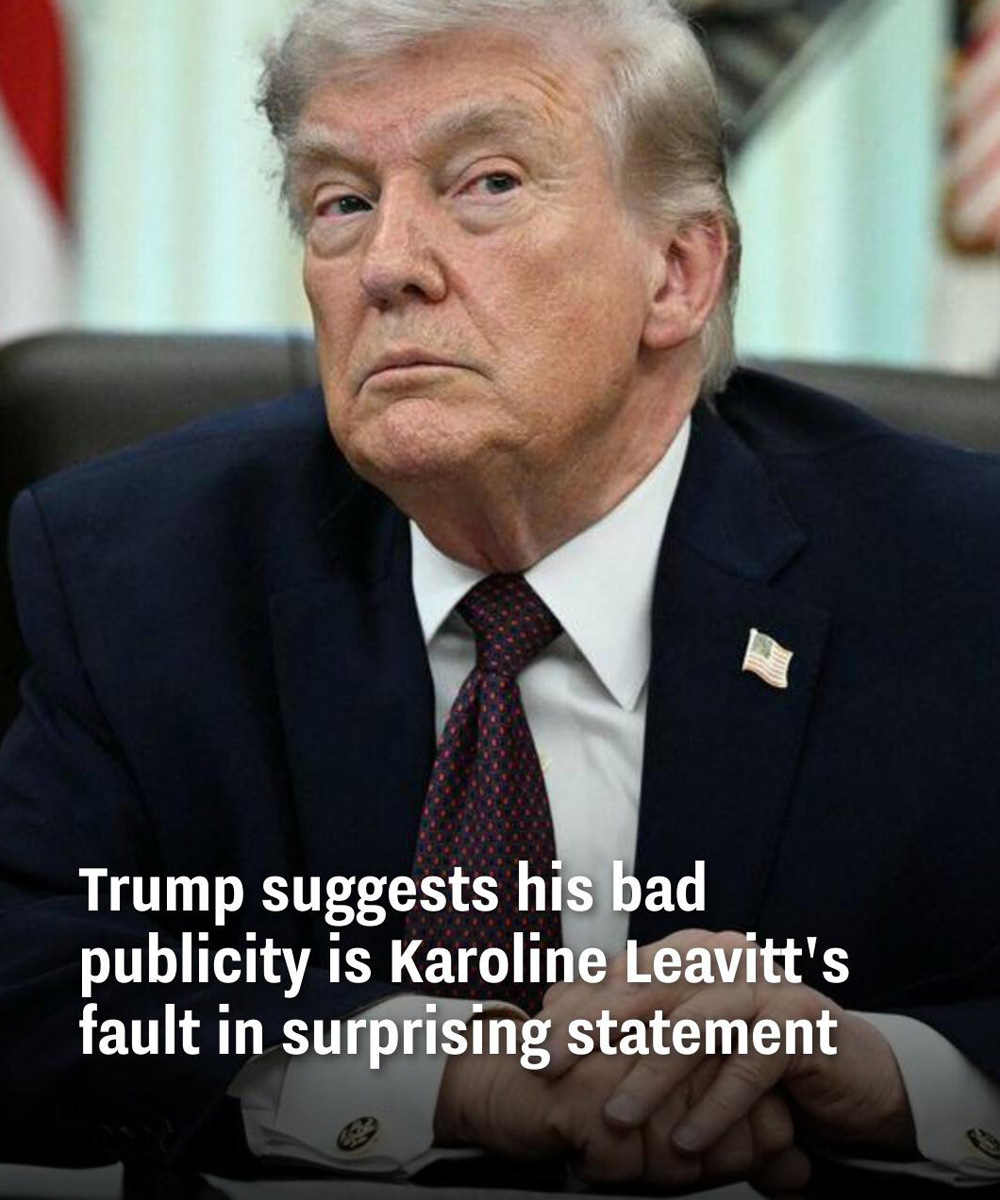
In a moment that blended humor with sharp commentary, President Donald Trump suggested that his press secretary, Karoline Leavitt, might be part of the reason he sees so much negative press coverage. The remark came during a conversation with reporters and quickly drew attention because it touched on a sensitive subject for any administration: who gets blamed when the headlines are rough. Even as the room sensed a joking tone, the exchange opened a window into the pressures of governing under a constant media spotlight.
Trump has long framed his relationship with the press as combative. This time, he went a step further by pointing at his own spokesperson, a move that sounded bold on its face but carried an undercurrent of levity. Observers in the room described the back-and-forth as teasing, yet the substance — the idea that messaging can make or break a presidency — still hung in the air.
Leavitt is preparing for maternity leave as she awaits her second child
Adding a personal note to the public moment, Karoline Leavitt is due to begin maternity leave next month as she prepares to welcome her second child. For many who follow the day-to-day rhythm of the White House, that detail offered a reminder that behind the podium stands a person juggling demanding public duties and family commitments. It also raised a practical question about how the communications team will handle the nonstop news cycle while a key figure is away.
Press secretaries, no matter who holds the job, carry a heavy load. They must absorb, organize, and present complex information with clarity and calm. They face repeated questions, changing facts, and intense scrutiny. Those responsibilities do not pause for real life, and in this case, Leavitt’s upcoming leave arrives at a time of rising political temperature and abundant attention.
With critics speaking up, Trump points to Leavitt — mostly in jest — and talks about negative coverage
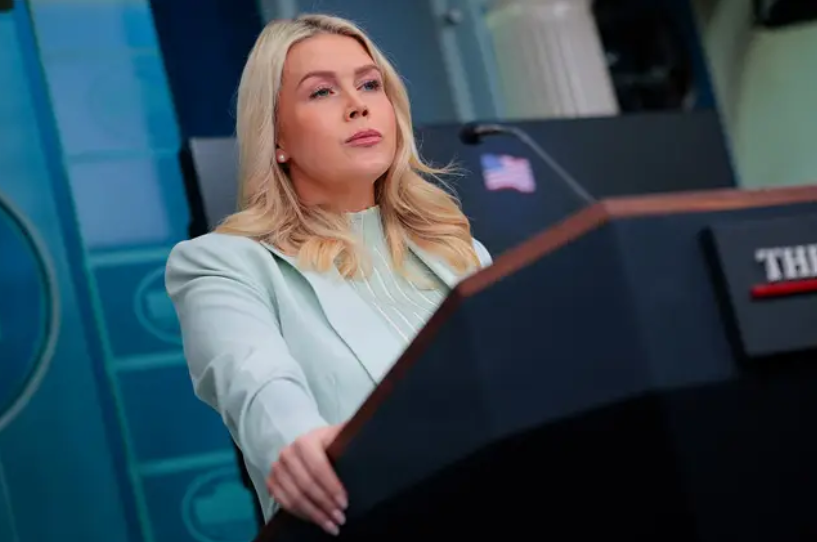
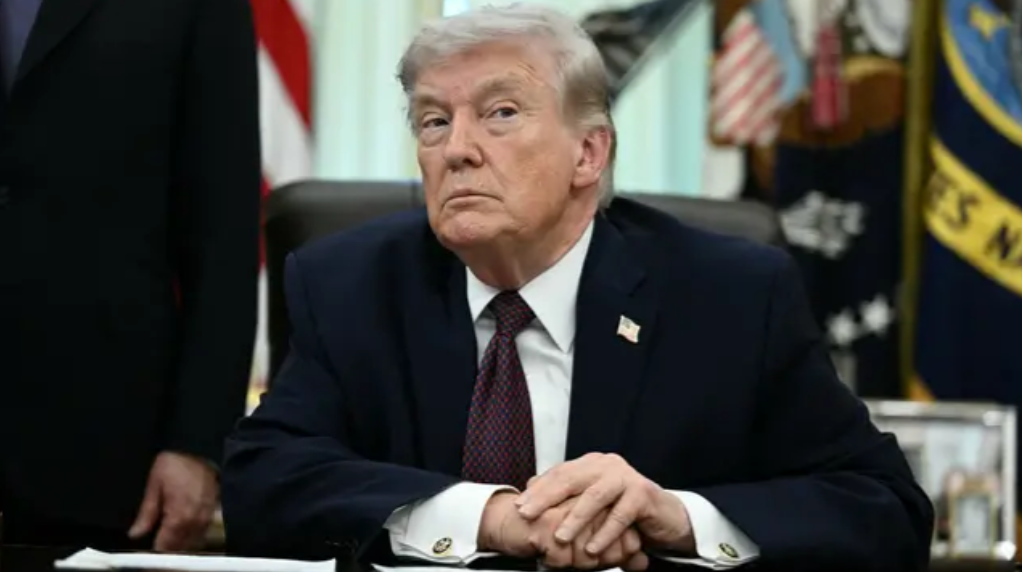
The exchange unfolded while the president was at the Oval Office to sign an executive order. As cameras rolled and questions flew, Trump noted how negative he believes the media coverage has been. In a line that raised eyebrows, he said his 2024 election publicity was “93% bad,” before adding with a pointed grin, “Some people say 97, but between 93 and 97. A person that gets 97% of bad … maybe Karoline’s doing a poor job, I don’t know.” Then, turning to her, he delivered the sharpest one-liner of the day: “You’re doing a terrible job.”
It quickly became clear that he was ribbing his press secretary, not launching a formal critique. He followed the zinger with a softer landing, asking aloud, “Shall we keep her? I think we’ll keep her.” The room heard the joke, yet also heard the theme that has defined much of Trump’s public approach: a belief that media coverage is stacked against him and that the messenger — even a loyal one — can easily become part of the story.
The moment captured a familiar rhythm. The president stakes a bold claim, he frames it with humor, and he then uses it to reinforce his larger point about the press. It was jocular, yes, but it also served a purpose. It kept the focus not only on the administration’s policies but on how those policies are presented, perceived, and picked apart by the public conversation.
Approval ratings and the political weather that surrounds them
All of this comes as new numbers about the president’s approval rating ripple through the news. Silver Bulletin reported that two weeks ago his net approval stood at -13.9. Those same reports now place it at -16.7, which has been described as a record low for this term. On their own, approval numbers are a snapshot, yet they carry weight because they hint at how policies and communications are landing across the country.
Part of the current backdrop is the conflict with Iran and the role of Israel, which has been front and center in global headlines. The president has said the United States is doing well in that war effort, but the very fact of the fighting, the risks involved, and the images people see on their screens have not sat easily with many Americans. Supporters might point to decisive leadership; critics raise questions about costs and consequences. Whenever a country faces a high-stakes security challenge, public opinion can be fluid and heated.
Inside that swirl, any small remark — even one made in jest — can echo. A one-liner about a press secretary becomes more than a laugh line when it is paired with sliding approval numbers and a world crisis. It becomes a way for people to read intent, measure confidence, and ask how the administration will steer the narrative from here.
Trump’s broader view of news coverage
For years, Trump has argued that the press treats him unfairly. He reiterated the point with a sweeping claim about the tone of his stories. “But, I get 93-97% bad press, fake press, all fake. I won in a landslide. When you get 93-97 bad stories, bad press, and you win in a landslide, you know what that says? People don’t believe the press,” he concluded. The message was simple and blunt. In his view, negative coverage says more about the media than it does about his record, and the American people can tell the difference.
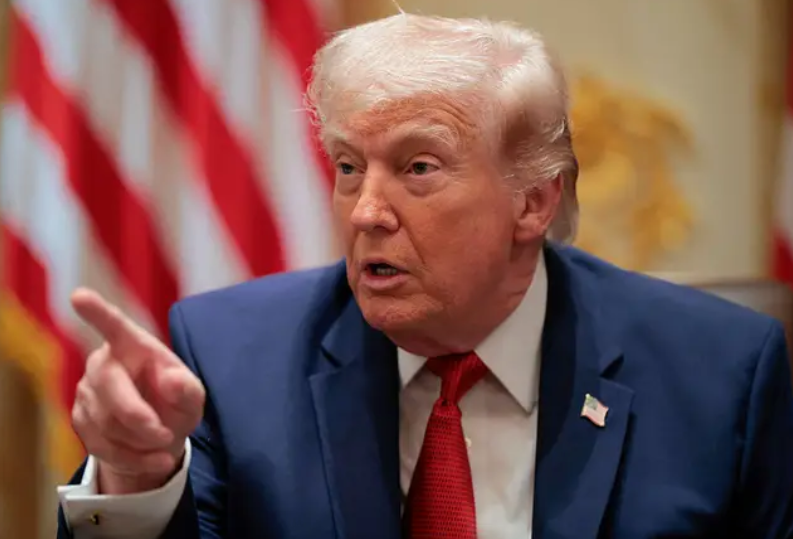
Whether one agrees with that argument or not, it is impossible to deny that it resonates with many of his supporters. The more he challenges the media, the more his base feels that he is fighting on their behalf. That dynamic has defined much of the political landscape in recent years and shows no sign of fading. The back-and-forth with Leavitt fit neatly into that larger story, reminding everyone how quickly a press moment can become a political moment.
When a president frames the press as an adversary, the person tasked with answering questions every day sits at the fault line. A single eye roll, a pause before answering, or even a well-crafted phrase can get replayed over and over. Press secretaries must maintain discipline in the face of repetition and doubt, and they must do it with grace. It is one of the most high-pressure jobs in public life, and even a joking jab from the boss will draw attention.
What a press secretary actually does
For anyone watching from home, it can help to understand the role. A press secretary speaks for the president and the administration. They prepare daily briefings, coordinate messages across departments, and shape how complex policies are explained. They field rapid-fire questions from reporters who are paid to push for more detail. They edit and re-edit talking points as facts evolve. They also play referee between the fast-moving world of politics and the clockwork demands of the newsroom.
When an issue gets hot, the press secretary must be steady. That steadiness is part knowledge, part preparation, and part temperament. It is also a team sport. Behind every podium moment stands a group of researchers, writers, advisors, and policy hands who sift through updates and flag what matters most. When the principal — the president — sets a tone of confidence or combativeness, the press office works to carry that tone forward while still answering the questions of the day.
In that light, Trump’s teasing remark about Leavitt highlights how much people expect from a communicator. The public wants clarity, the press wants answers, the White House wants alignment, and events move fast. A single sentence can be replayed on television and shared online thousands of times before the next briefing even begins. It is a constant sprint, and that is before any personal life event enters the picture.
Past praise and jabs rolled into one
This was not the first time Trump commented on Leavitt’s style. Back in October, during a diplomacy meeting with reporters, he even toyed with the idea of replacing her before waving it off. In the end he said it would “never happen,” adding a quip that stuck in people’s minds: “That face… and those lips, they move like a machine gun.” It was a colorful way of saying she speaks quickly and forcefully. Like many of his unscripted lines, it carried a mix of flattery and performance, designed as much for the cameras as for the room.
These moments, taken together, sketch the nature of their working relationship as it appears in public. He keeps the tone lively and at times provocative. She keeps showing up prepared to explain, defend, and clarify. To outside observers, it can look like a play within a play. Yet for the staff, it is the daily job. The news will keep coming, the microphones will keep recording, and the press office will keep translating policy into plain language.
What the White House says about polls and policy
As stories about the approval rating slump continued to surface, the White House pushed back on the idea that poll numbers lead national security decisions. Spokesperson Davis Ingle told UNILAD: “What matters most to the American people is having a Commander-in-Chief who takes decisive action to eliminate threats and keep them safe, which is exactly what President Trump is doing with the ongoing successful Operation Epic Fury. President Trump campaigned proudly on his promise to deny the Iranian regime the ability to develop a nuclear weapon, which is what this noble operation is seeking to accomplish. The President does not make these incredibly important national security decisions based on fluid opinion polls, but on the best interest of the American people.”
The statement laid out a clear message. Safety first. Clear goals. Polls are fleeting. It echoed a theme often heard in times of conflict: leaders must weigh risks and act on intelligence, not on daily numbers. For supporters, that tone conveys strength. For skeptics, it raises questions about the long-term plan and the yardsticks that will be used to measure success. Either way, it suggests the White House believes its case can be made on outcomes, not approval swings.
How the moment may shape the road ahead
One playful jab does not decide a presidency. But moments like this can influence the atmosphere around an administration. When a president calls out his own messenger — even with a smile — it reminds everyone how fragile the link is between policy and perception. The best-run communications teams are both nimble and united. If Leavitt’s leave begins next month as planned, the handoff to deputies will need to be smooth, because the news cycle will not slow down to accommodate schedules.
There is also the question of tone. Trump’s supporters often appreciate his blunt talk and humor, which they see as authenticity. Others may worry that too much humor about serious matters can blur lines. For the press office, the balance is familiar. It must reflect the president’s voice while still guiding the conversation back to policy. That means clear explanations, fewer detours, and steady answers to complex questions.
History shows that approval ratings can move up or down quickly, especially in turbulent times. A run of good news or a breakthrough in a foreign crisis can lift numbers. A stretch of hard headlines can do the opposite. In that constant churn, clarity can be a quiet kind of power. If the public understands what is happening and why, it is more likely to judge fairly, even when events are difficult.
Why this matters for those watching at home
For many Americans, especially those who have seen many election cycles come and go, the relationship between a president and the press is a familiar drama. You may have watched earlier administrations wrestle with coverage, shape messages, and respond to crises. The tools have changed — social media now accelerates every story — but the fundamentals have not. Leaders set a tone. Messengers carry it forward. The public sorts through the noise to find meaning.
The recent exchange offered a snapshot of those dynamics. A president, feeling the sting of negative headlines, points to the messenger and, with a wink, suggests the problem might be in the podium. A press secretary, bracing for maternity leave, stands steady and keeps doing the job. Reporters capture the quotes and the moment travels far beyond the Oval Office. If you felt a mix of amusement and concern while reading about it, you are not alone.
At the end of the day, most people want the same things from their leaders: clear plans, results, and a sense that decisions are made with care. Whether the press is seen as an ally or adversary, good communication helps. It lowers the temperature. It turns big claims into understandable steps. It gives the public something solid to weigh, even when the news is rough.
The bottom line after an eyebrow-raising exchange
President Trump’s joke at Karoline Leavitt’s expense drew laughs, but it also underlined a serious point about how much messaging matters when the stakes are high. The administration is navigating international conflict, a harsh media environment, and approval numbers that have dipped to a reported low of -16.7 after sitting at -13.9 two weeks earlier, according to Silver Bulletin. The White House, through Davis Ingle, insists policy will be guided by national security needs rather than polling shifts and highlights Operation Epic Fury as an example of that focus.
Leavitt, for her part, remains at the center of the story as she prepares for the arrival of her second child and a period away from the briefing room. The cameras will be ready when she returns. In the meantime, the work of explaining decisions to the country will continue. And if the last few days are any guide, the banter between president and press team will continue too, reminding everyone that the human element is always present, even in the most official rooms in the world.
For those following along, keep an eye on three threads. First, how the administration frames its case on national security as events evolve. Second, how the communications shop manages continuity while Leavitt is on leave. Third, how the president chooses to talk about the press, and whether the balance shifts from playful barbs to sustained explanations of policy and results. Each of these threads will shape the stories you read next — and how you feel about them.