What sparked the weekends hospital rumors
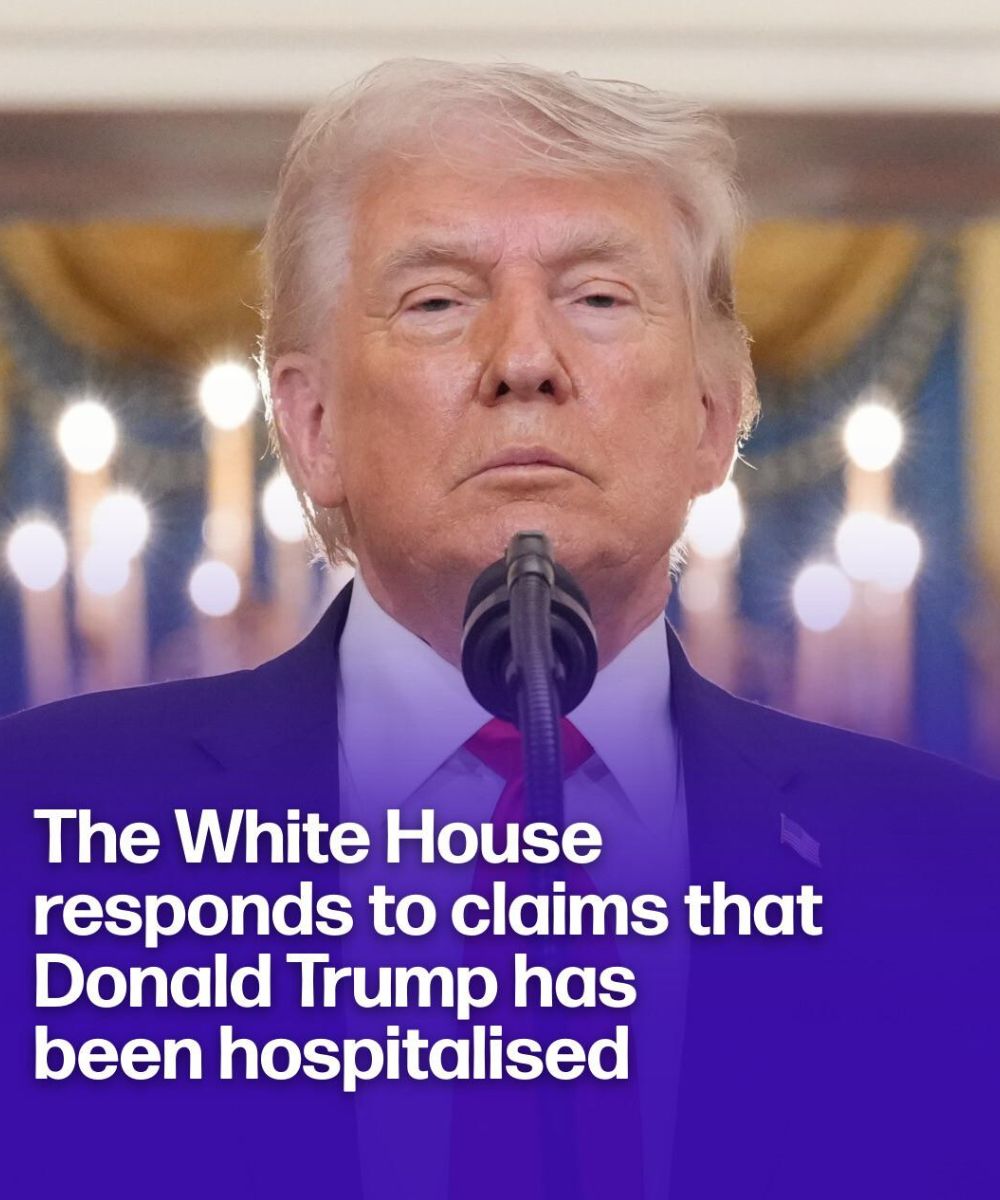
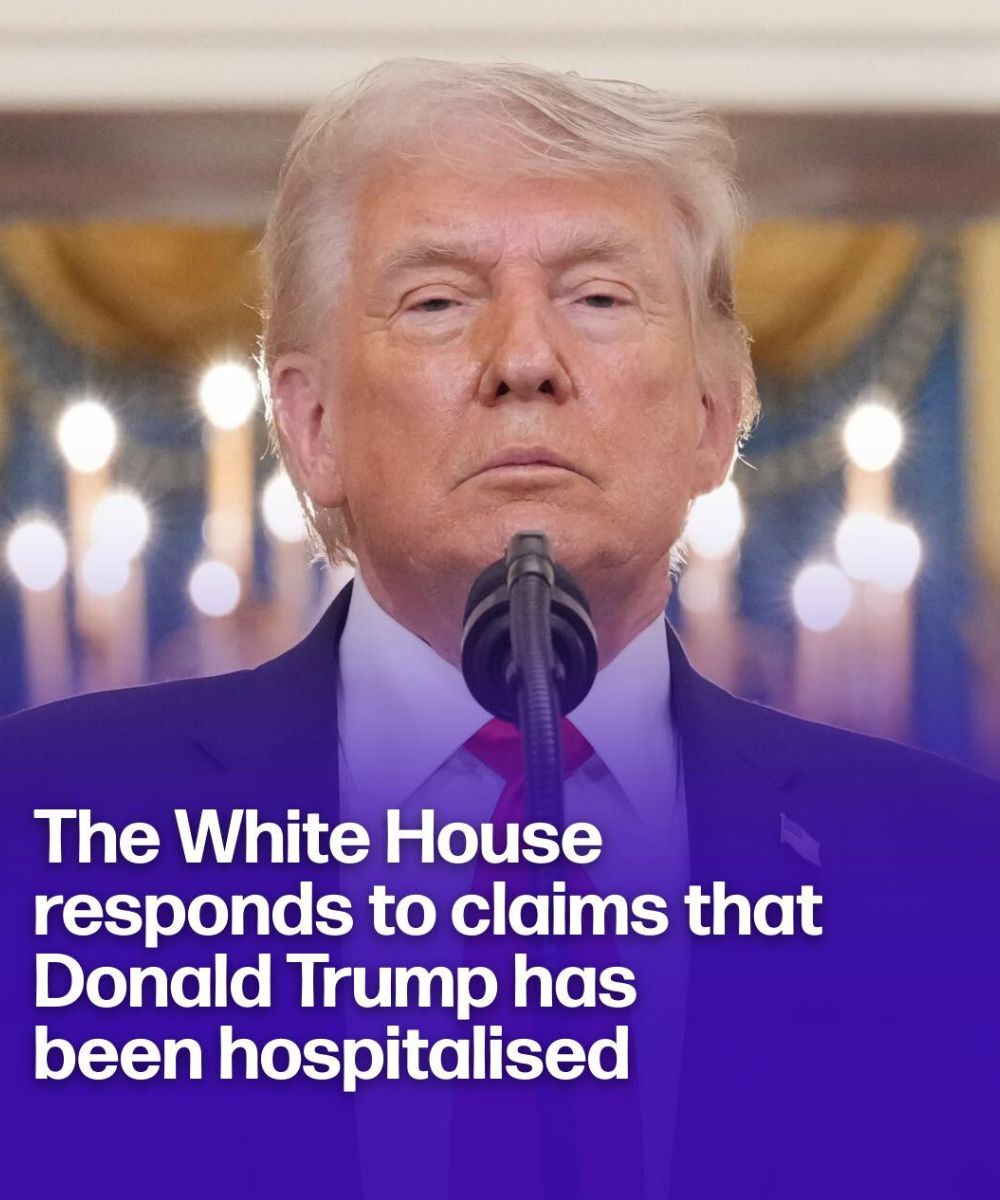
Over the weekend, online chatter claimed that President Donald Trump had been taken to Walter Reed National Military Medical Center in Bethesda for treatment. The talk spread quickly across social media and comment threads, with some posts pointing to supposed traffic changes and airspace limits near the hospital as signs that something serious was happening. As is often the case with fast-moving rumors, the claims grew louder even though there was no official information to support them.
For many people, especially those who remember earlier times when news traveled at a slower pace, it can be unsettling to see such stories appear and multiply in just a few hours. Health news about any president is always sensitive, and it is natural to want clear answers. That is exactly why the White House stepped in to respond.
What the White House said in response
The White House communications director, Steven Cheung, publicly pushed back on the story. He explained that the president had been working through the Easter weekend and that there had been no hospital admission. His message, shared on the social platform X, emphasized that the president remained engaged and on the job from the White House, including time in the Oval Office.
In plain language, the White Houses position was straightforward: the rumor that the president had been hospitalized did not match the facts they were seeing inside the building, where staff and schedules were carrying on as usual.
How the administration reinforced its message
Beyond that single statement, the administrations Rapid Response 47 account also addressed the claims directly. The core point was that the president remained on duty. To underscore this, they highlighted routine signs of presidential activity at the White House itself. One detail received particular attention: the presence of a Marine sentry posted at the West Wing entrance.
For those less familiar with that signal, the Marine posted outside is a longstanding indicator that the president is inside the West Wing and working. While it is not a formal medical update, it is a practical sign that the days operations are underway. The administration pointed to that detail to counter the idea that the president was away receiving hospital care.
Where the hospital talk likely came from
Much of the weekends speculation appears to have grown out of unverified social media posts that referenced temporary changes near Walter Reedthings like road restrictions and air traffic notices. It is important to remember that activities around a major medical center, especially one that serves the military and top officials, can shift for many routine reasons. Road work, visiting dignitaries, standard security exercises, scheduled flights, or unrelated medical transports can all prompt brief changes that have nothing to do with the president.
In this case, the posts that inspired concern did not come with official confirmation. No statement from the hospital, the Secret Service, the Federal Aviation Administration, or the White House indicated that the president was undergoing treatment. Without that confirmation, the rumors remained just thatrumors. The White Houses reassurance, shared publicly, was offered to quiet the noise and prevent confusion from spreading further.
What the presidents own activity showed
Throughout the same period, the president remained visible online, sharing posts on his Truth Social platform on a range of political topics. While social media posts do not substitute for formal medical information, they are another simple sign of day-to-day engagement. Combined with the White Houses statements and normal activity flags like the Marine sentry, it painted a consistent picture of a working weekend rather than a medical emergency.
Understanding Walter Reed and why it is often mentioned
Walter Reed National Military Medical Center in Bethesda is well known because it is where presidents and senior government officials often receive medical care. Over the years, several presidents have had routine checkups and procedures there. Because of this history, any suggestion that the president has gone to Walter Reed can cause immediate attention. People naturally associate the name with high-level medical news.
It is also a large, busy medical center that serves many members of the military and their families. On any given day, there can be a significant amount of movement in and around the campus for reasons totally unrelated to the White House. That normal bustle can sometimes be misread on social media when people are already primed to suspect that something more is happening.
Why the White House addresses health speculation quickly
When rumors focus on a presidents health, the White House knows it must respond promptly. Clear information helps maintain public confidence and avoids unnecessary worry. Health news is personal, but when it involves the head of state, it quickly becomes a matter of public interest too. That is why, even on a holiday weekend, communications officials moved to calm the conversation and restate what they believed to be accurate at the time: that the president was at the White House, working, and not admitted to a hospital.
Many readers in the 45 to 65 age range have watched multiple administrations handle unexpected stories like this. The pattern is familiar. First, a rumor catches fire online. Next, reporters ask questions, and the White House replies with the facts it can share. If there is more to disclose, such as a scheduled medical exam, additional details typically follow through official channels. In this case, the sequence stopped with the White House denial because there was nothing more to add.
What would happen if a president were hospitalized
It can be useful to understand how these situations normally work. If a president needs medical attention, the White House Medical Unit, the Secret Service, and senior staff coordinate closely. For planned checkups, the public usually receives notice either beforehand or shortly after, sometimes with a brief summary of the findings. If there is an unplanned event, a short statement is typically issued as soon as it is responsible and appropriate to do so. For anything more serious, the White House would provide updates and, if necessary, discuss temporary transfers of power under the Constitution. None of those steps were in play here.
In other words, there are well-established procedures for communicating about a presidents health. Over time, these practices have helped answer public questions while respecting medical privacy. When a weekend rumor does not connect to any of those official steps, it is more likely to be inaccurate or incomplete.
Why social media rumors can seem convincing
Many people now see headlines first on their phones. A short post that claims inside knowledge can feel persuasive, especially if it is shared by several accounts at once. Images of police cars, helicopters, or blocked streets can add to the sense that something urgent is underway. But photos and short clips do not always tell the full story. A helicopter might be part of a regular training flight. A police presence could reflect a local event, not a national emergency. Without context, what looks like proof can be coincidence.
That is why the most helpful question to ask is simple: has an official source confirmed it? In medical stories about the president, that usually means the White House press office, the presidents medical team, or a formal notice from a relevant agency. If that confirmation is missing, the safest approach is to wait for an update rather than pass along unverified claims.
How to tell the difference between a rumor and a reliable report
There are a few steady signs of reliability. Official statements identify who is speaking, state what is known, and are shared through recognized channels. They are usually careful with timelines and avoid speculation. Newsrooms that cover the White House also strive to confirm details with more than one source before publishing. By contrast, rumors often rely on anonymous tips, recycled screenshots, or vague references to hearing something. Over the weekend, the strongest, clearest information available came from the White House itself, which stated that the president was working and not admitted to the hospital.
Older readers may remember a time when a rumor had to pass through several gatekeepers before reaching the front page. Today, a rumor can reach thousands of people in minutes. That speed makes careful habits even more important. Waiting a bit for a clear statement can prevent worry and help everyone focus on what is actually happening.
What this episode tells us
This brief burst of speculation underscores how quickly a story can grow in the absence of verified details. It also shows why the White House, regardless of who holds office, takes health-related questions seriously and answers them as cleanly as possible. The administrations message was consistent: the president was at the White House, engaged in his duties, and there was no hospital admission to report.
None of that means people were wrong to be curious or to hope for clarity. It simply means that in the balance between rumor and record, it is best to lean on the record. A Marine posted at the West Wing, the presidents own online activity, and a direct public statement from the communications director all pointed in the same direction.
Looking ahead
Presidential health will always draw attention, and that is understandable. If there are planned medical evaluations, those are typically shared openly, often with a summary from the presidents physician. If a medical issue requires more explanation, additional information is usually provided in stages so that the public is not left guessing. In the meantime, when unusual claims pop up on a weekend or holiday, it helps to pause, look for confirmation, and wait for the official word. This approach reduces confusion and keeps the focus on reliable updates.
The simple takeaway
After a weekend of online speculation, there was no verified evidence that President Trump had been admitted to the hospital. According to the White House, he remained at work, including time in the Oval Office, and continued posting on his own platform. The Marine sentry at the West Wings entrance supported the view that the president was present and on duty. In short, the story that raced around social media did not match the information coming from official sources.
As always, the best path is the steady one: rely on clear statements, look for confirmations, and allow the factsnot the rumorsto lead the way. That measured approach has served the public well across many administrations, and it continues to be the surest way to understand what is truly happening behind the headlines.