
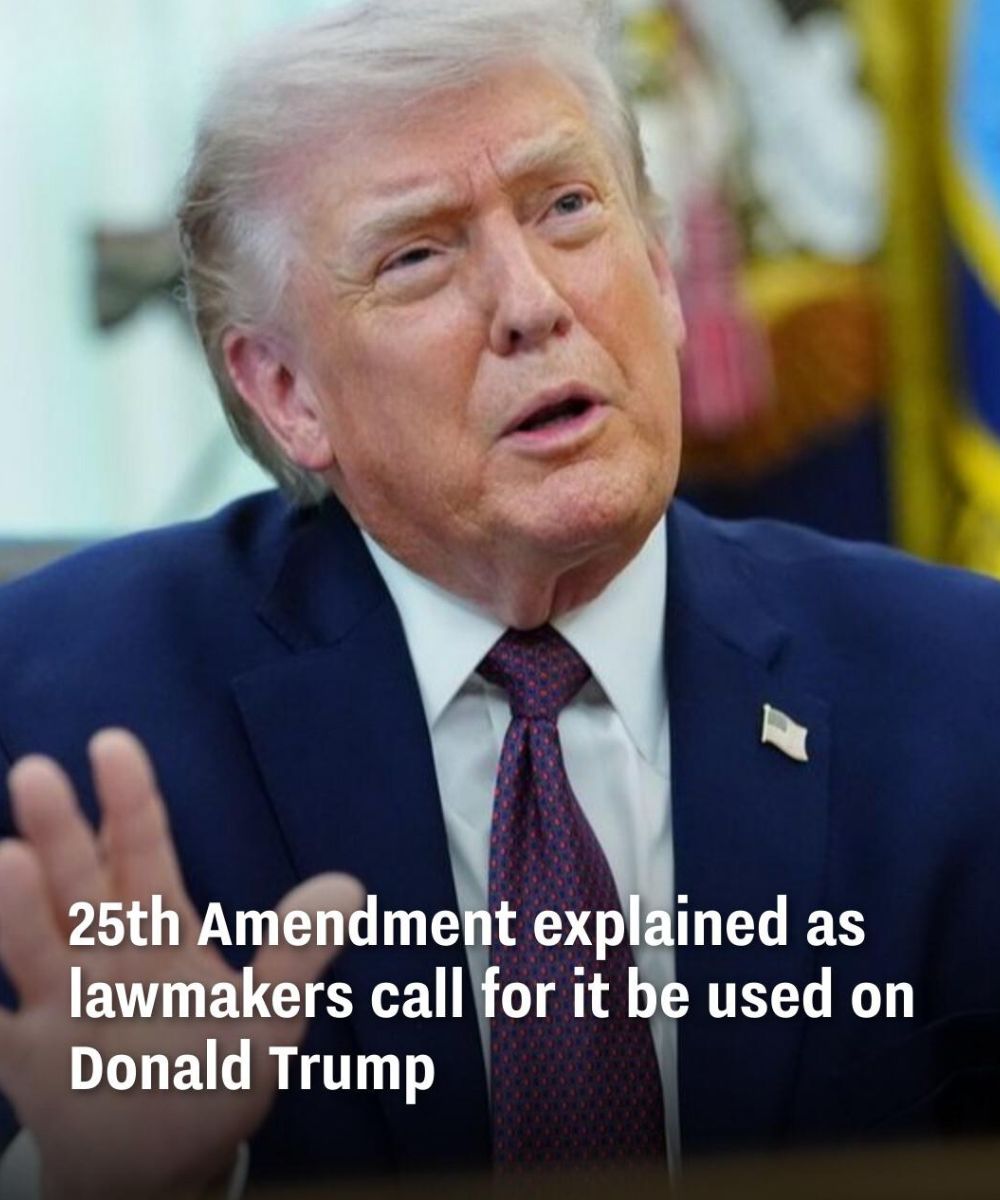
Why this is in the news
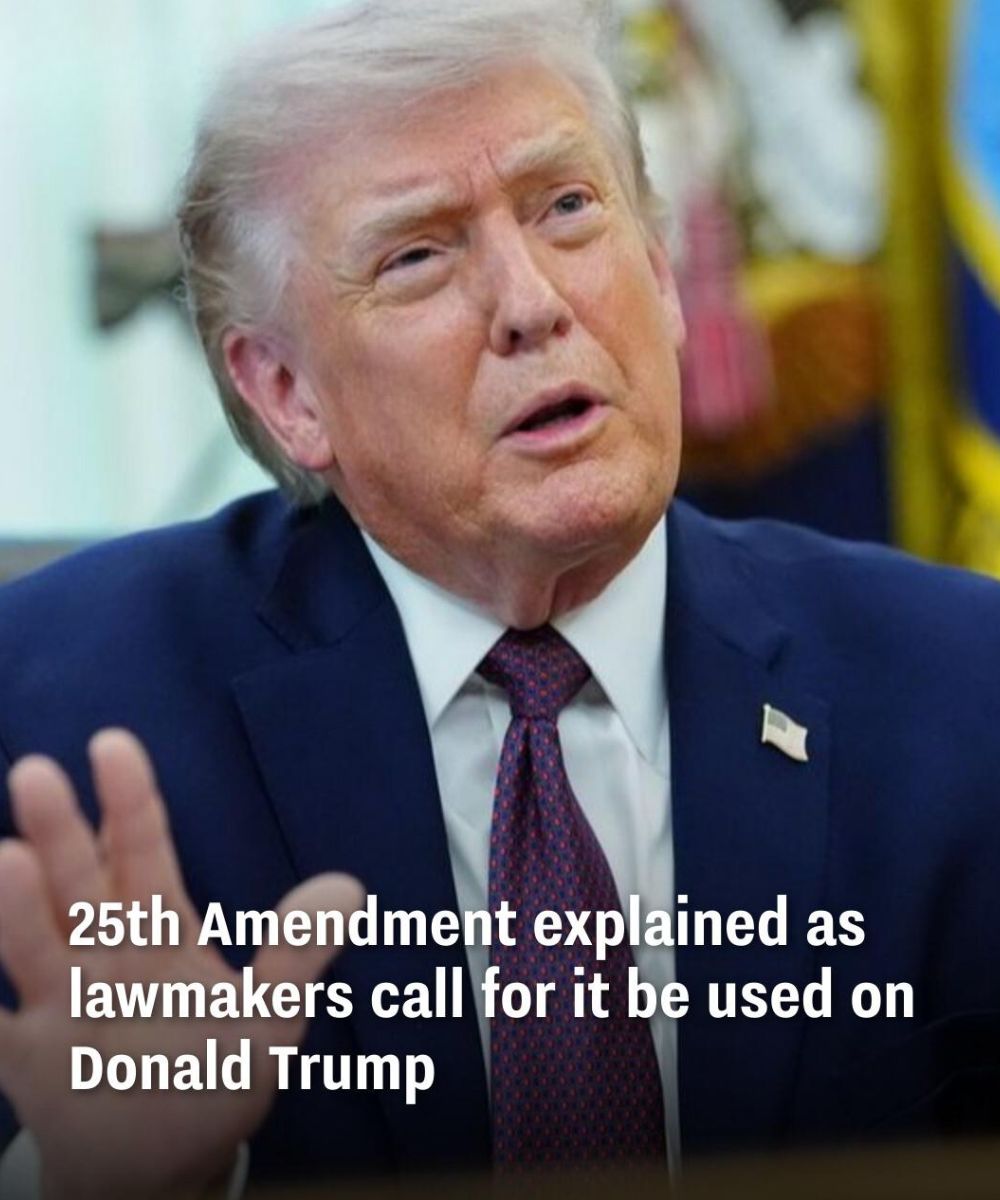
Over the Easter weekend, President Donald Trump shared a forceful message on Truth Social that appeared to suggest possible military action aimed at Iran’s infrastructure. The language raised eyebrows, sparked concern across the political spectrum, and prompted fresh questions about stability and judgment at the very top of government.
In the days that followed, several lawmakers spoke publicly about the 25th Amendment to the United States Constitution. Their comments focused on Section 4 of the amendment, which lays out a process for temporarily or permanently transferring presidential power when a president is considered unable to carry out the duties of the office.
Among those urging close attention to this process was Senator Chris Murphy, who encouraged members of the president’s cabinet to seek guidance from constitutional experts. Senator Bernie Sanders also criticized the post, describing its tone as dangerous and deeply troubling. Their remarks added urgency to a conversation that tends to surface only during moments of intense political stress.
It is understandable that many people, especially those who do not follow Washington closely every day, are left wondering what the 25th Amendment says, how it actually works, and whether it could realistically apply to a situation like this. The short answer is that the 25th Amendment offers a continuity plan for the presidency, but it is a careful, legal process designed to be used rarely and only with substantial agreement among top officials.
So what exactly is the 25th Amendment?
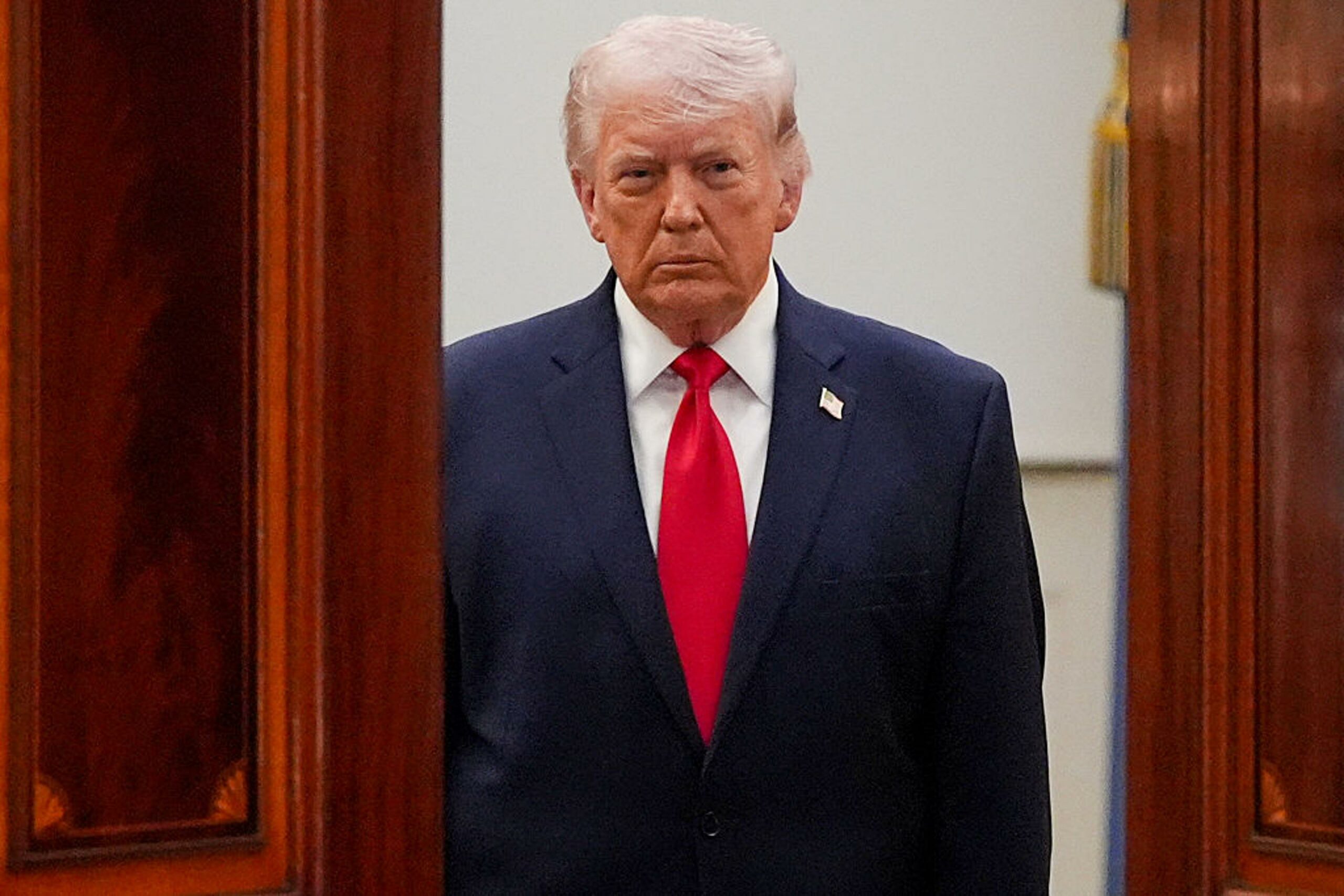
The 25th Amendment was ratified in 1967, in the years after President John F. Kennedy’s assassination. Its purpose was to remove ambiguity about who is in charge if a president dies, resigns, is removed, or becomes unable to perform the job. Before the amendment, there were significant gray areas that could have left the nation uncertain during a crisis. The 25th Amendment cleared up those questions by spelling out a step-by-step plan.
One part of the amendment explains that if a president dies, resigns, or is removed from office, the vice president immediately becomes president. In today’s context, that means the vice president, JD Vance, would step in if the office of the presidency suddenly became vacant. This ensures there is never a gap in leadership, even for a moment.
Another part covers what happens if the vice presidency becomes vacant. In that case, the president nominates a replacement, and that person must be confirmed by a majority vote in both the House of Representatives and the Senate. This procedure was used in the 1970s when Gerald Ford was appointed vice president after Spiro Agnew resigned, and then later when Nelson Rockefeller was appointed vice president after Ford became president.
A third part of the amendment allows a president to voluntarily and temporarily hand over authority to the vice president while undergoing a medical procedure or during a period of short-term incapacity. This has happened several times in modern history. Presidents have used it during surgeries or medical procedures that required anesthesia. The power then returns to the president after they notify Congress that they are able to resume their duties.
The most debated part, and the one making headlines now, is the section that allows the vice president and a majority of the cabinet to declare that the president is unable to perform the duties of the office. This is not about punishment or disagreement over policy; it is about the president’s ability to function. If this route is taken, the vice president becomes acting president while the process moves forward.
How the process would work under Section 4
First, the vice president and a majority of the “principal officers of the executive departments,” commonly understood as the cabinet, would sign a written declaration stating that the president is unable to discharge the powers and duties of the office. This written notice is delivered to the leaders of Congress. At that moment, the vice president immediately becomes acting president, assuming all the powers that come with the role.
The president then has the right to respond. If the president sends a written statement saying they are, in fact, able to perform their duties, the situation does not end there. The vice president and the cabinet have four days to reaffirm their original position if they still believe the president cannot serve effectively. If they do nothing within those four days, the president’s powers return automatically.
If the vice president and a cabinet majority stand by their decision within the four-day window, the dispute moves to Congress. Lawmakers must assemble quickly if they are not already in session, and they have up to 21 days to decide who should hold the powers of the presidency. The bar is intentionally high: it takes a two‑thirds vote in both the House and the Senate to keep the vice president in place as acting president. If that two‑thirds threshold is not met in either chamber, the president resumes the powers and duties of the office.
There is also a provision that lets Congress, by passing a law, designate another group to serve in place of the cabinet in this process. However, Congress has never created such an alternative body, so the cabinet and the vice president remain central to any action under this part of the amendment.
Who counts as the cabinet for this purpose?
The phrase “principal officers of the executive departments” generally refers to the heads of the major federal departments, such as State, Defense, Treasury, Justice, and others. In most everyday discussions, people simply call this group “the cabinet.” Questions sometimes arise about acting secretaries—officials serving temporarily in a cabinet role. Although the courts have not settled every hypothetical scenario, past legal opinions and general practice suggest that acting secretaries can be counted in the majority if they are the current leaders of those departments.
The vice president’s role is pivotal. Without the vice president’s participation, the 25th Amendment cannot be used to declare the president unable to serve. This ensures that any move under Section 4 requires cooperation at the very top of the executive branch, not just among appointed officials.
How this differs from impeachment
It is easy to confuse the 25th Amendment with impeachment, but they serve very different purposes. Impeachment is a process run by Congress to address alleged misconduct, crimes, or abuses of power. The House votes on articles of impeachment, and the Senate holds a trial. If two‑thirds of the Senate vote to convict, the president is removed from office and can be barred from holding office again.
The 25th Amendment, by contrast, is not about punishing wrongdoing. It is a safety valve for when a president cannot carry out the job, whether because of a medical event, a serious cognitive impairment, or another condition that makes the basic tasks of the office impossible. The focus is on ability, not blame. It can be temporary or, if Congress agrees by the required supermajorities, it can last for the remainder of the term.
When the 25th Amendment has been used in real life
Parts of the amendment have been used a number of times to keep government running smoothly. Section 2, which governs filling a vacancy in the vice presidency, played a crucial role in the 1970s. After Vice President Spiro Agnew resigned in 1973, President Richard Nixon nominated Gerald Ford to replace him, and Congress confirmed Ford. Less than a year later, Nixon resigned, and under Section 1, Ford became president. Ford then used Section 2 to nominate Nelson Rockefeller as vice president, again with congressional approval. These events showed the amendment working exactly as intended to avoid a leadership vacuum.
Section 3, the voluntary transfer of power, has also been used responsibly and without drama. President Ronald Reagan transferred power to Vice President George H. W. Bush during surgery in 1985. President George W. Bush did so during routine colonoscopies in 2002 and 2007, briefly making Vice President Dick Cheney acting president during those medical procedures. More recently, President Joe Biden transferred power to Vice President Kamala Harris during a medical exam requiring anesthesia in 2021. In each case, the handover was brief and orderly, and power returned to the president shortly after.
Section 4, the involuntary transfer process that is the subject of many headline discussions, has never been used to remove a president from power permanently. While it has been mentioned during moments of stress or controversy in various administrations, it remains a tool reserved for extraordinary circumstances when there is broad agreement that the president is unable to function.
Would a single controversial post be enough to trigger it?
A heated or provocative statement, by itself, is very unlikely to meet the standard for using Section 4. The process requires the vice president to agree and a majority of the cabinet to sign on, followed by potential supermajority votes in both chambers of Congress if the president disputes the claim. That is a very high bar, set on purpose to prevent the amendment from being used lightly or as a way to settle policy disagreements or political frustrations.
In practice, officials look for clear signs that a president cannot carry out essential duties. This could include a medical emergency or another profound impairment. Disagreements over judgment, rhetoric, or strategy—however intense—usually fall into the realm of political debate, not constitutional incapacity. That is why calls to invoke the amendment often generate attention but rarely move beyond discussion.
What happens to the country while this plays out
The amendment is designed to provide steadiness, not chaos. If the vice president becomes acting president, that person immediately has full presidential authority. National security decisions, military orders, and other urgent matters proceed without interruption. Agencies continue their work, federal benefits keep flowing, and essential services remain in place. The goal is to make sure that Americans, financial markets, allies, and adversaries alike see a clear line of authority during any transition.
Communication is also a key part of the process. When the 25th Amendment has been used for medical procedures, the White House has typically announced the handover and return of power in straightforward public statements, reassuring the country that everything is functioning as it should. In a more complex situation under Section 4, you would expect regular updates from the White House and Congress to explain each step.
Common questions people ask
What does “unable to discharge the powers and duties of the office” mean?
The Constitution does not give a precise medical or legal checklist for “unable.” The phrase is intentionally broad because incapacity can take many forms. The decision ultimately rests first with the vice president and the cabinet, and then, if needed, with Congress. Historically, officials have treated this threshold as very high and focused on clear, demonstrable inability to function.
Can Congress create a different group to play the cabinet’s role?
Yes. The amendment allows Congress to establish another body to act with the vice president in making the determination about the president’s ability to serve. Congress has never created such a body, so the cabinet remains the relevant group unless and until a law says otherwise.
Could a president stop the process by firing cabinet members?
A president generally has the authority to dismiss cabinet secretaries. However, once a written declaration is sent and the vice president becomes acting president, the legal and practical landscape changes quickly. Firing officials in the middle of a 25th Amendment process could trigger immediate legal disputes, create questions about timing, and invite congressional scrutiny. The drafters intended the process to be more resilient than any one personnel action.
Do the courts get involved?
The courts tend to view disputes over who is acting as president as political questions for the elected branches to resolve. That said, courts might be asked to weigh in on narrow issues, such as whether a particular official counts as a principal officer. There is little direct precedent because Section 4 has never been fully carried through to a final removal.
How long can an acting president serve?
An acting president serves until the original president either resumes power by agreement or is kept out of office by the required congressional supermajorities. If the president never regains the ability to serve and Congress votes to keep the vice president as acting president, that arrangement can continue for the remainder of the term.
What about national security decisions during a transfer?
If the vice president becomes acting president, that person has the full powers of the office, including the role of commander in chief. Orders flow through the usual chain of command. The entire design of the 25th Amendment is to prevent hesitation or confusion when swift decisions are needed.
The 25th Amendment is a constitutional safety net. It is there to ensure that the country always has a capable leader, even if something unexpected happens. While some lawmakers have urged looking at it in light of the president’s recent post about Iran, using Section 4 is not simple, quick, or guaranteed. It requires the active participation of the vice president, agreement from a majority of the cabinet, and, if disputed, overwhelming votes in both the House and the Senate.
For most Americans, especially those who have watched many political storms come and go, the most important takeaway is this: the system is built to keep working. The amendment provides a calm, orderly pathway if a president cannot do the job, and it does so without inviting constant upheaval. Social media controversies come and go, but the constitutional process remains steady. If the 25th Amendment is ever invoked in this situation, it will be because officials across government, from both parties, conclude after careful review that it is necessary. Until then, it remains what it has always been—an emergency tool designed to protect the continuity of the presidency and the stability of the nation.