
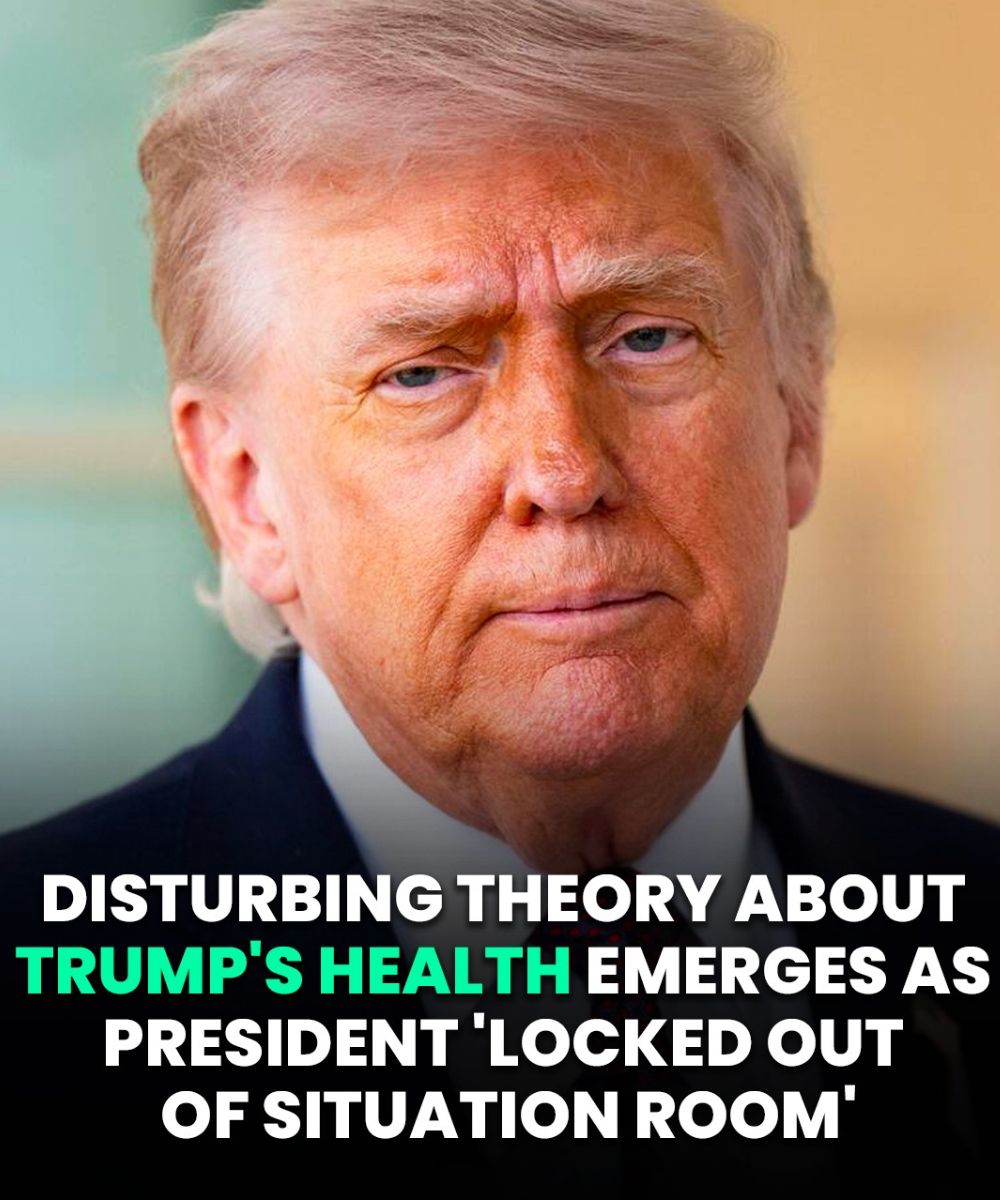
Growing public scrutiny over the president’s health and what it may mean for leadership
The health of the U.S. president has been a steady topic of conversation since last summer, when the White House confirmed that Donald Trump had been diagnosed with chronic venous insufficiency, a condition that affects how well blood returns from the legs back to the heart. For many Americans, especially those in their forties, fifties, and sixties who may be familiar with circulation issues themselves, the term can sound worrisome. In simple terms, it means the valves in the leg veins don’t work as well as they should, so blood can pool in the lower legs. That can lead to swelling, discomfort, and visible changes in the skin. While this condition is fairly common as people age, the fact that it involves a sitting president naturally raises questions about how it is being managed and what daily accommodations might be needed.
At 79, the president has also been photographed with noticeable bruising on his hands on several occasions this year. Early on, he casually suggested that the marks came from bumping into furniture. Later, he said they were more likely connected to his daily aspirin routine. He has publicly stated that he takes 325 milligrams of aspirin, a full-strength dose. He also noted that while aspirin is widely used to support heart health under a doctor’s guidance, it can sometimes increase the likelihood of bruising, especially at higher doses. Many older adults are aware of this connection because physicians often discuss it when prescribing or reviewing medications. Even so, any discussion of dosage is personal and should always be directed by one’s own healthcare provider.
As these physical signs drew attention, conversations shifted to a broader concern: the president’s overall fitness—physical and mental—for one of the most demanding jobs in the world. Some critics, watching his public remarks and decisions, have questioned whether age-related health issues could be affecting his performance. Others insist that speculation can run far ahead of facts and that without official medical updates or clear documentation, it is unwise to jump to conclusions. In today’s 24-hour news environment, finding a balanced understanding can be challenging, especially when brief video clips and one-off photos drive much of the debate.
Understanding the condition and the common-sense questions it raises
Chronic venous insufficiency can vary widely in severity. Many people manage it with regular movement, elevating the legs when possible, and wearing compression stockings when recommended by a physician. In a role as active and visible as the presidency, any health condition invites scrutiny simply because nearly every step, gesture, and comment is recorded. Still, it is important to remember that many older adults lead full, active lives with the right medical support. The real question for the public becomes how transparently any health challenges are being handled and whether the president can reliably perform the essential duties of the office day to day.
The bruising on the president’s hands has become a focus precisely because it is visible and easily photographed. Aspirin can reduce the blood’s tendency to clot, which may contribute to bruising in some people. While that explanation is medically plausible, it does not stop speculation, particularly when observers are already primed to see any physical sign as part of a larger story. This is where clear, routine health briefings can be helpful. They give people a more complete picture and reduce the spread of unevaluated theories.
Shifting public opinion and the impact of age in high office
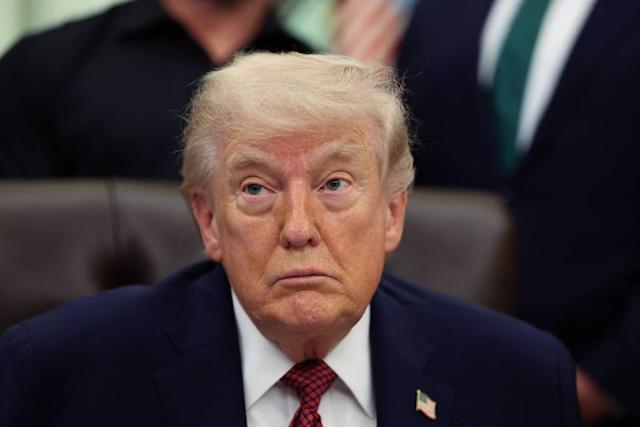
Public opinion on the president’s age and health has been split. A YouGov poll from October 2024 found that many Americans already believed he was too old to serve. By September 2025, that share had risen to 49 percent. Poll numbers like these do not settle the question of fitness, but they show that a large portion of the country is paying close attention and harboring doubts. For some voters, experience that comes with age is a strength. For others, the sheer stamina required by the presidency raises fair questions about whether any person near 80 can sustain the pace. These are not new concerns; Americans asked similar questions about past presidents of both parties.
Speculation ratcheted up further when reports circulated that the president had been excluded from a Situation Room meeting. The details of what happened have not been officially confirmed in full, but the idea that a president might be kept out of a high-stakes briefing, even temporarily, is jarring. Around the same time, video of the president stepping off Air Force One in Phoenix drew attention online. In the clip, he appears to stand with his legs set wide apart, forming a kind of inverted V, while keeping his torso upright. Viewers offered a range of interpretations, from ordinary stiffness after a long flight to concerns about balance or discomfort in the hips or legs. Others wondered whether he might be using an unseen support technique. None of these explanations have been verified, but the moment fed into a larger discussion already underway.
It is worth keeping in mind that short videos can be misleading. Camera angles, surfaces, wind, footwear, and the natural stiffness anyone can feel after hours on a plane can change how a stance or gait looks. That said, when people are already alert to possible health issues, even small details can start to feel like big clues. This is how uncertainty grows: a few unexplained signs, minimal official information, and a fast-moving online rumor mill.
Allies turn into critics, and the rhetoric gets louder
Some former allies have added their voices to the criticism. Commentator Alex Jones, who previously supported the president, claimed the president had “lost his mind” after controversial statements about the Iran conflict. Around the same period, former congresswoman Marjorie Taylor Greene publicly called for invoking the Twenty-fifth Amendment, which lays out a process for transferring presidential power if a president is deemed unable to perform the duties of the office. Such declarations, particularly from one-time supporters, grab headlines. They also escalate concerns among people who may already be uneasy, turning private doubts into public demands for action.
When criticism grows this sharp, it can blur the line between careful assessment and political theater. Voters deserve a clear view of what is known, what is speculation, and what steps—if any—are being taken inside the administration to monitor and communicate about the president’s health. Without that clarity, each new image or report becomes another point of contention rather than a piece of a well-understood picture.
What the Twenty-fifth Amendment actually says and how it works
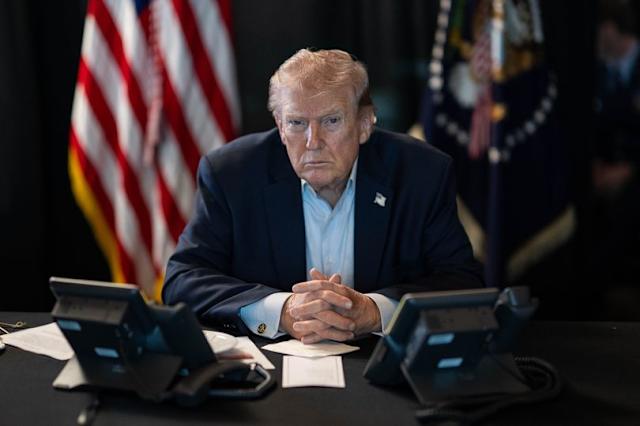
The Twenty-fifth Amendment was created to ensure continuity in leadership and to provide a framework for times when the president cannot carry out the powers and duties of the office. Section 4 of the amendment is the most discussed and least used part. It allows the vice president, together with a majority of the cabinet’s principal officers, to declare that the president is unable to serve. If that declaration is made in writing to congressional leaders, the vice president immediately becomes acting president. The president can contest that declaration, and if he does, Congress must decide the matter, typically by a two-thirds vote in both the House and the Senate to keep the vice president as acting president. It is a serious, complex process with significant checks built in, designed to be used only in extraordinary circumstances.
These constitutional tools were never intended to be casual political levers. They are safeguards aimed at protecting the country if a president suffers a clear and serious inability to function—whether because of a health crisis, a major injury, or some other extraordinary circumstance. Knowing this process exists can be reassuring to many Americans, including older adults who have seen their share of national challenges over the decades. At the same time, it reminds us that calls to invoke the amendment carry real weight and should be grounded in verifiable facts, not speculation or frustration.
Reports of a Situation Room dispute and why it worried observers
The concerns that the president was temporarily kept from a key Situation Room briefing emerged from reports that aides feared his reaction could jeopardize a sensitive mission involving a U.S. service member stranded in Iran. According to those accounts, he became angry when he learned of the situation, allegedly shouting at aides for an extended period. The White House has not fully detailed the episode, and the exact circumstances remain disputed. Still, the idea of a president being sidelined—even briefly—from a critical national security meeting adds a different dimension to the health conversation. It suggests that people close to him worried not just about stamina or mobility, but also about judgment and temperament under pressure.
Situations like these are exactly why clear, timely communication from official channels matters. When accounts are piecemeal and partial, it is easy for speculation to outgrow the available facts. For the average American trying to make sense of it all, a straightforward timeline and periodic medical updates can go a long way. Even if not every detail can be shared for security reasons, basic information about the president’s ability to work long hours, manage complex briefings, and make time-sensitive decisions helps the country feel more grounded.
The line between normal aging and cause for concern
As people age, it is common to see changes in balance, gait, and recovery time after travel or long days. Many older adults also take medications—sometimes several—that can interact in ways that lead to bruising, swelling, or fatigue. In the president’s case, he himself has connected his bruising to aspirin use. Full-strength aspirin at 325 milligrams is known to increase bleeding risk for some people, which can show up as easier bruising. That explanation does not prove anything beyond what it says, but it does fit with common medical experience. Anyone concerned about their own medications should always consult their personal doctor before making changes, because what is right for one person may not be right for another.
On the other hand, when unusual posture or movement patterns are noticed consistently over time, it is natural to ask whether something else may be going on. That does not mean the worst-case scenario is at hand. It may be something as simple as stiffness after a flight, an uneven surface on a tarmac, or a conservative stance chosen to feel steady in gusty wind. What fuels public worry is not any single image, but the combination of visible signs, limited official detail, and a political climate primed to interpret everything through the lens of loyalty or opposition.
How voters can think about health, leadership, and transparency
For many Americans, especially those in midlife and older, health questions are not abstract. They touch home. People have seen parents, spouses, or themselves confront changes in stamina, balance, or memory. That lived experience can make the conversation around a president’s health feel very personal. It is reasonable to ask for transparency while also refusing to jump to conclusions. Two things can be true at once: the president may have common age-related health issues, and he may still be fully capable of leading—provided those issues are addressed openly and managed responsibly.
Transparency does not require revealing every minor ache, but it does benefit from routine updates that are understandable and complete enough to address the most likely concerns. Periodic physicals, summaries of test results, and clear statements about what accommodations—if any—are in place can help the public separate rumor from reality. When updates are consistent, people tend to trust them more. When they are sporadic or vague, suspicion fills the gap.
Where the debate stands now
At this point, the national conversation about the president’s health is both persistent and polarized. Some see mounting evidence that age and health are taking a toll. Others believe the issue has been overstated, driven by partisan motives and the constant churn of social media. The truth likely depends on facts that only thorough medical evaluations and candid communication can fully provide. Until then, the wisest course may be to treat isolated images with caution, listen closely to official statements, and weigh new information as it becomes available.
What is clear is that the presidency demands clear thinking, steady judgment, and physical endurance. Every American should want the same thing regardless of party: a leader who can shoulder the job’s burdens day in and day out, and a government that keeps the country informed enough to have confidence in that leadership. As more details emerge about the president’s health and as the administration continues its work, the focus should remain on the essentials—capability, transparency, and the steady performance of the duties of the office.
A measured closing thought
From the early reports about chronic venous insufficiency to the photos of hand bruising, from the Phoenix tarmac video to the disputed Situation Room episode, each piece of this story has added pressure to the conversation. Some former allies have called for drastic steps, while others urge patience and facts. Through it all, the American people deserve empathy for their concern and respect for their intelligence. Most of us know from our own lives that health rarely follows a straight line. The important question is whether the person holding the nation’s highest office can continue to do the job safely, responsibly, and well. That is a question best answered by clear information and consistent performance, not by fear or rumor.
As the debate continues, remember that ordinary signs of aging and manageable medical conditions are part of life for millions. With honest updates and steady leadership, even a tough news cycle can settle into something less dramatic and more constructive. Until then, many will watch closely, hoping for both good health and good governance in the months ahead.



