
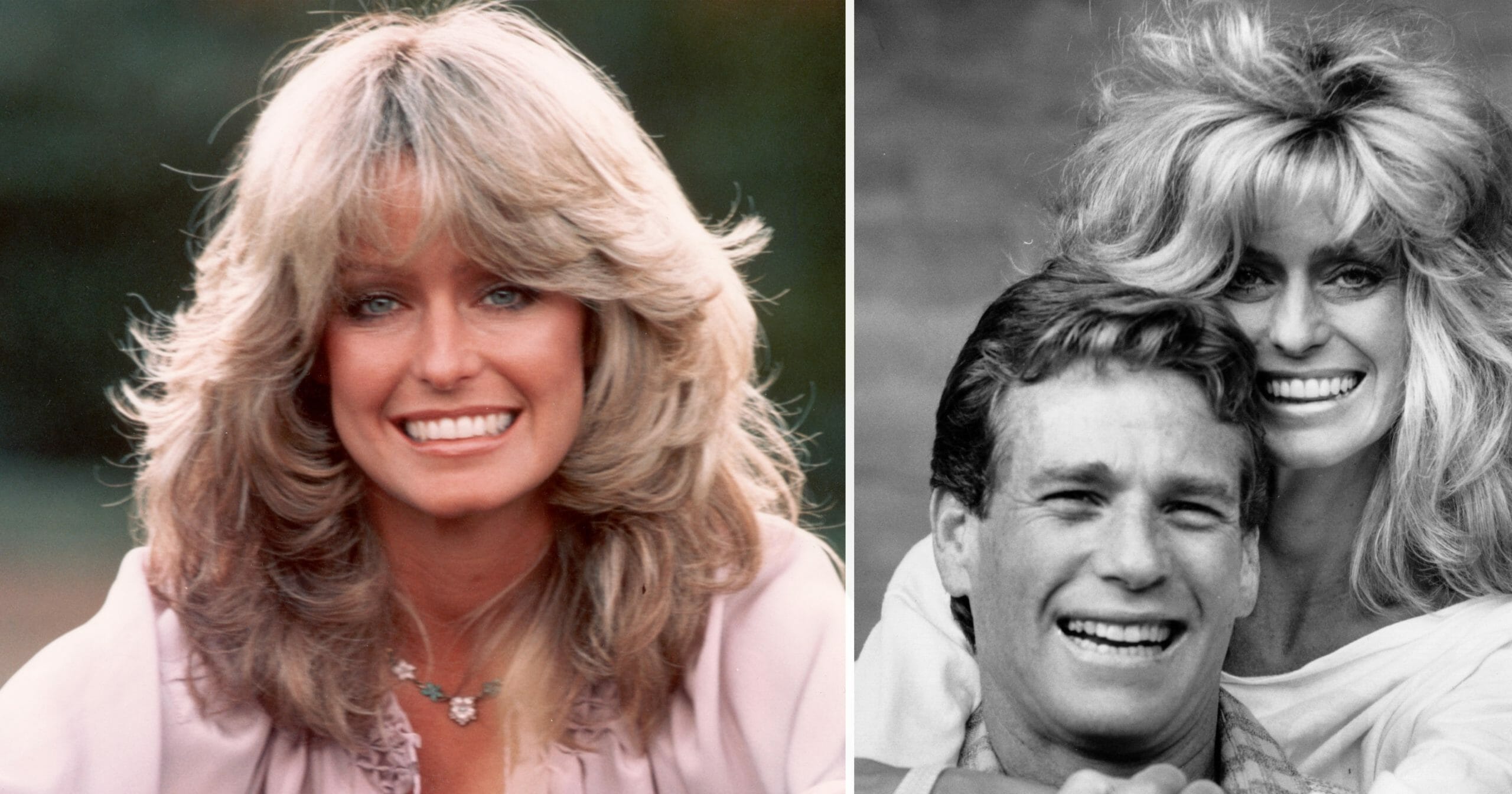
Farrah Fawcett was one of those rare stars who felt familiar to everyone. Many of us remember her from Charlie’s Angels, that dazzling smile, and of course the feathered hair that defined an era. Her image was everywhere, but behind the glamour was a woman who worked hard, faced painful challenges, and loved deeply. The most tender chapter in her story came at the end of her life, when Ryan O’Neal proposed to her at her bedside. She slipped away in his arms before a priest could arrive to bless their union, a final moment that said so much about the bond they shared.
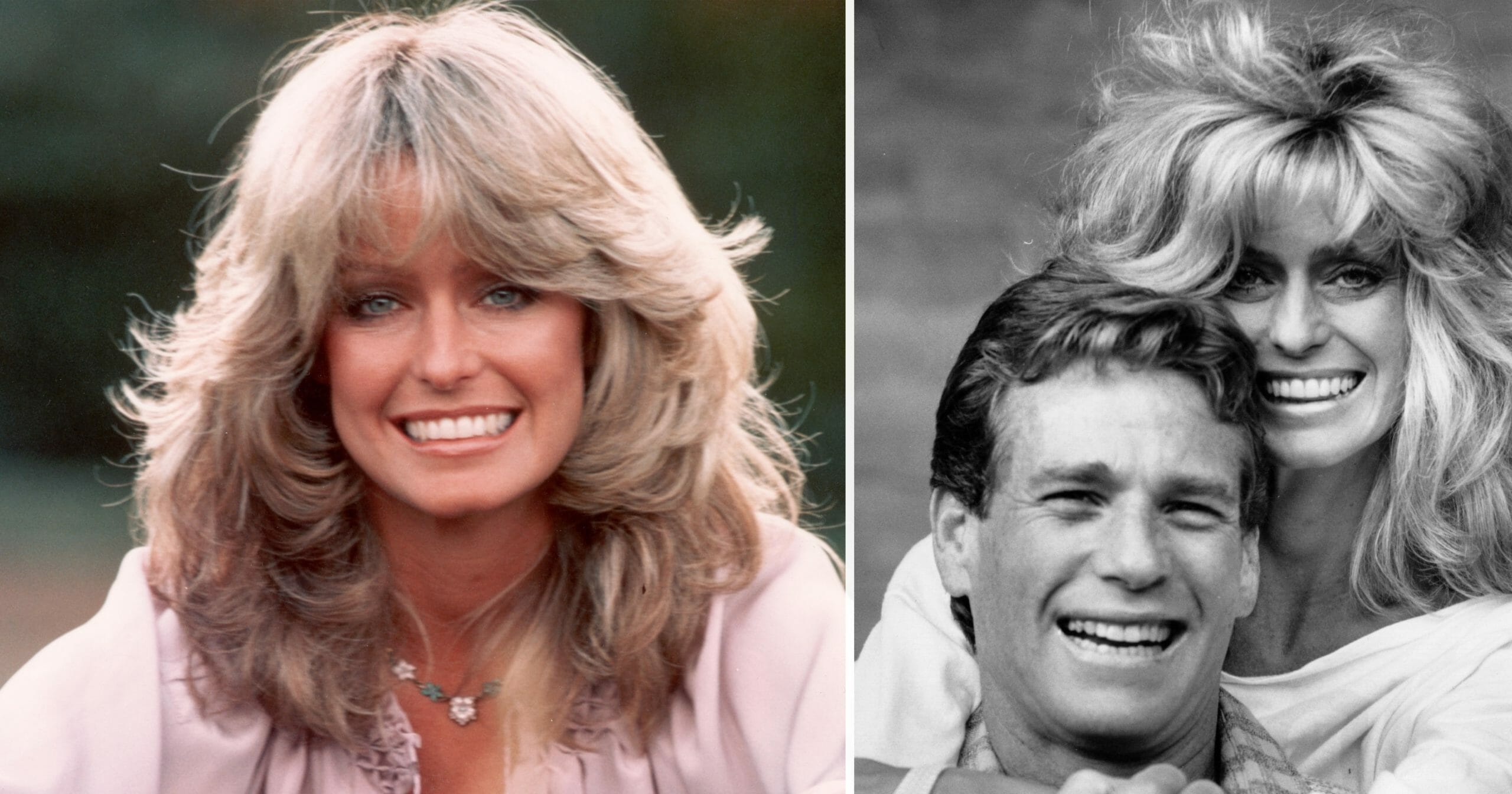
Farrah’s life was full of big highs and some very real heartaches. She fought for creative control, took on tough roles that earned respect, and navigated a romance with Ryan that burned brightly and sometimes chaotically. Through it all, she remained unforgettable—both for the roles she played and the person she was. If you grew up watching her, or discovered her later, her story is one of talent, persistence, and a love that endured to the very end.
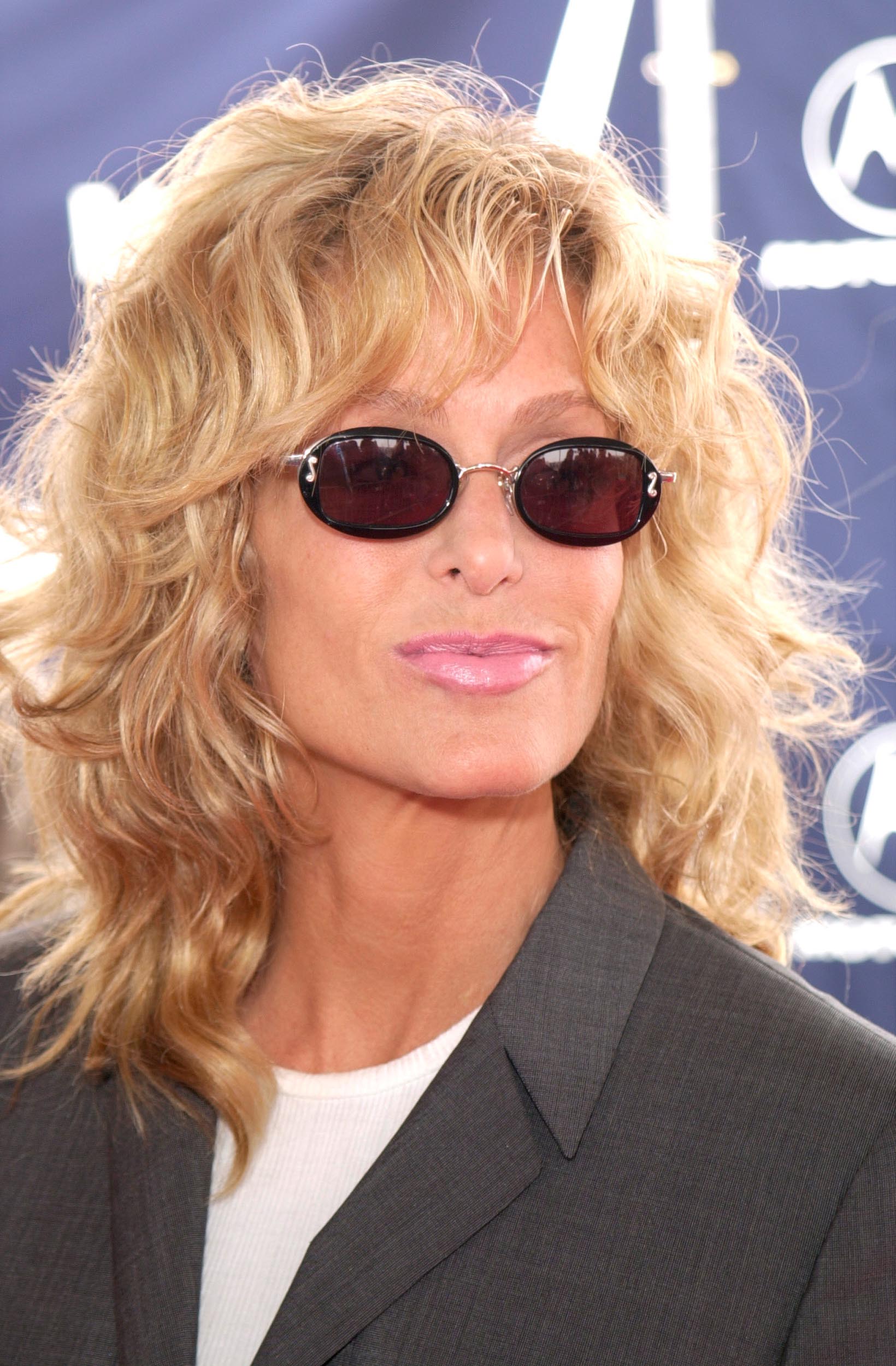
From Texas roots to the brink of stardom
Farrah Leni Fawcett came into the world on February 2, 1947, in Corpus Christi, Texas. Her dad, Jim, worked as an oil field contractor. Her mom, Pauline, ran the household and cheered her daughter on with quiet pride. At birth she was named Ferrah—an Arabic word meaning joy—but later chose the spelling we all know.
Even as a child, Farrah drew attention without trying. Neighbors stopped by to catch a glimpse, and strangers would pause in stores to admire her. She felt the gaze early and often, and though she recognized her looks, it wasn’t always easy for her. She worried about being seen only for her beauty and admitted that being stared at made her self-conscious. That sensitivity stayed with her, and it helped shape the thoughtful woman she later became.
In high school, Farrah was voted Most Beautiful three years in a row. When she moved to Austin in 1965 to attend the University of Texas, the pattern continued—she was named one of the campus’s most beautiful women as a freshman. She studied microbiology and art, showing the same blend of curiosity and discipline that would mark her acting career. But fate had other ideas, and a single photograph changed everything.
Hollywood calls, and Farrah answers
When a Los Angeles publicist came across Farrah’s picture in a university feature, he reached out with a bold promise: come to Hollywood and try modeling, just for the summer. He was persistent, and after finishing her junior year, Farrah agreed to test the waters. The plan was to return to school for her senior year. That never happened.
Shortly after arriving in Los Angeles, Farrah signed a contract and began earning steady work—first in commercials and then in small acting jobs. She represented brands ranging from hair products to cars and cosmetics, and she made early guest appearances on television favorites like I Dream of Jeannie, The Partridge Family, and The Flying Nun. It was honest, unglamorous work at times, but it taught her the rhythms of show business and put her on the radar of producers.
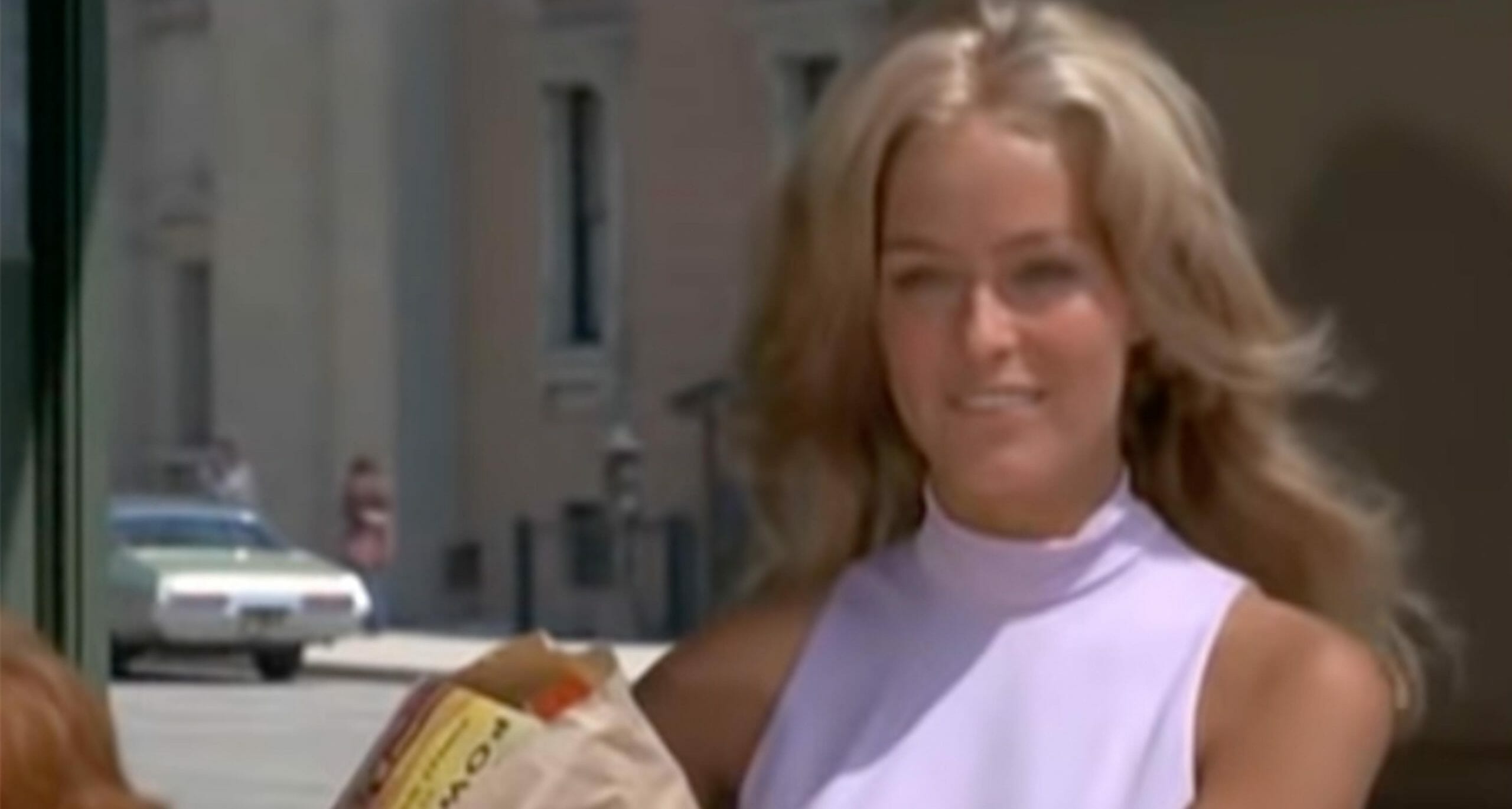
Farrah’s big break came a few years later. After appearing in the TV movie Murder on Flight 502, she caught the eye of powerhouse producer Aaron Spelling. He had a new show in development—a crime drama led by three smart, capable women—and he thought Farrah would be just right for it. The series, of course, was Charlie’s Angels.
Charlie’s Angels and a hairstyle that became history
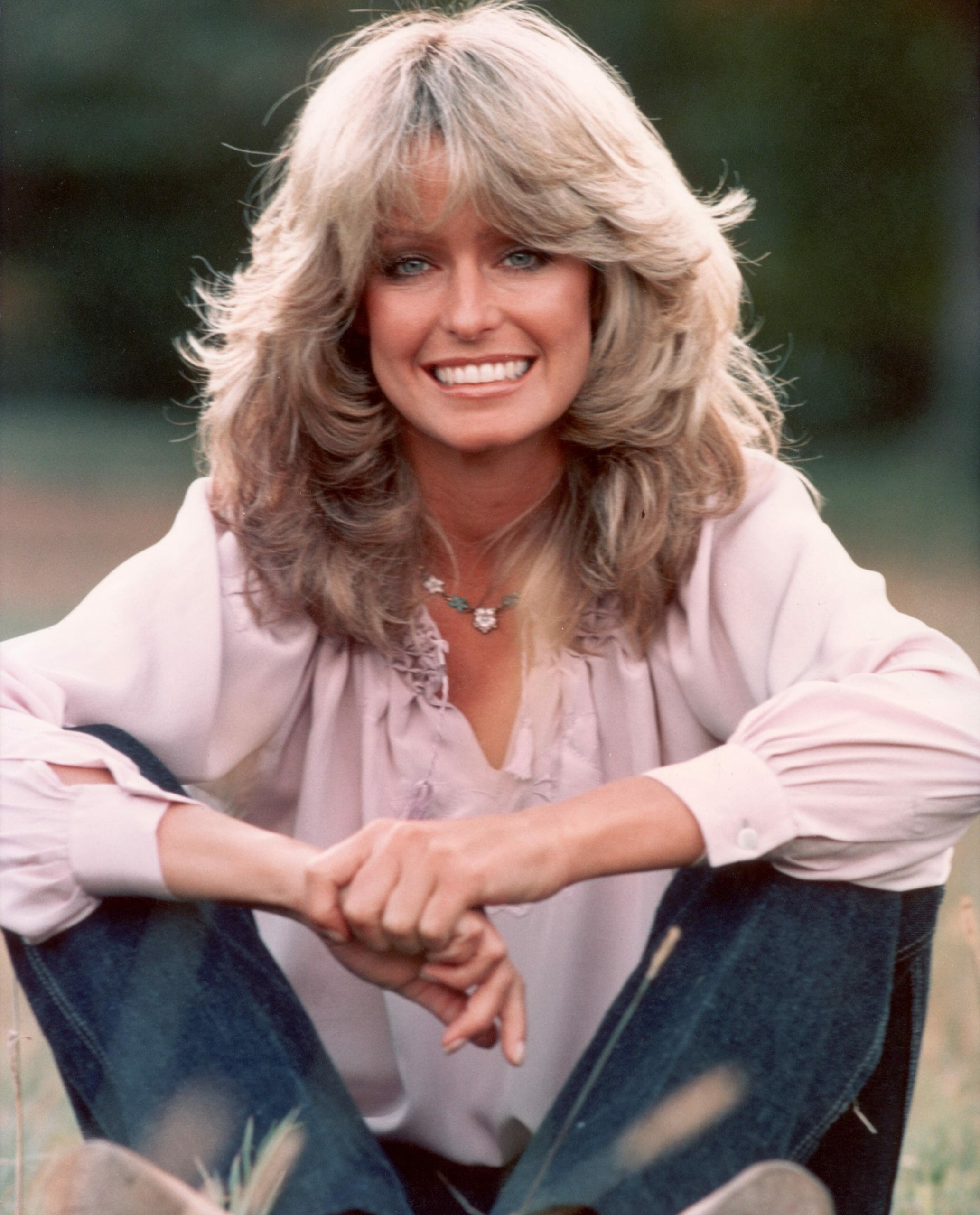
Charlie’s Angels premiered in the fall of 1976. Critics were mixed at first, but viewers were anything but. As Jill Munroe, Farrah brought sunshine, grit, and an athletic ease to the role. She and her co-stars Jaclyn Smith and Kate Jackson became household names almost overnight. And then there was the hair—those soft, sunlit waves that made as many headlines as the show itself. It wasn’t just a look. It was a feeling: fresh, confident, and impossibly Californian.
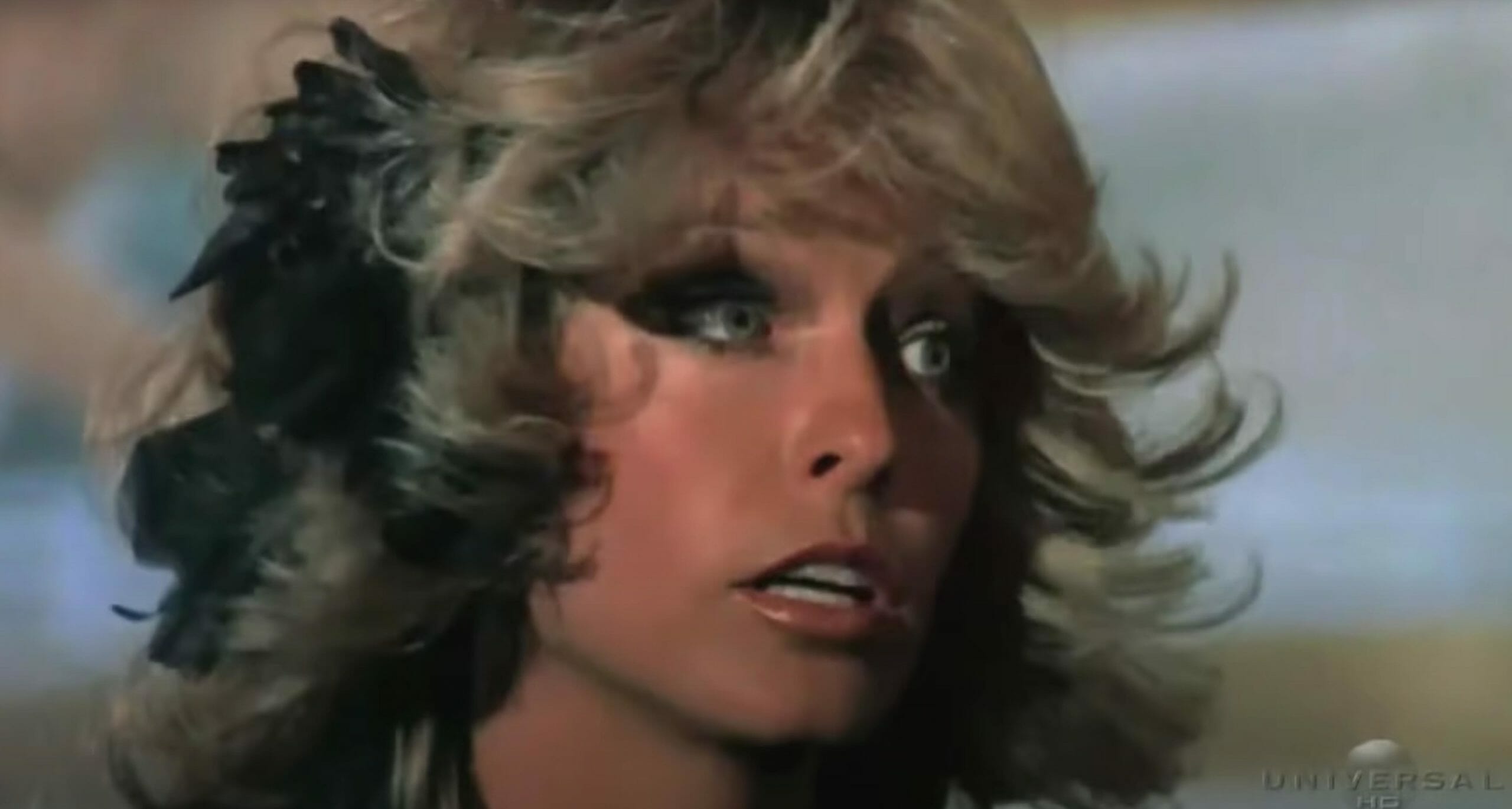
Farrah’s image resonated in a unique way. Young women copied her style, and young men taped her poster to their bedroom walls. The culture embraced her as the face of a new kind of television heroine—spirited, independent, and approachable. In time, writers would call her hairstyle one of the most famous of the 1970s, and perhaps ever. It was a symbol of a more hopeful, more open time.
Walking away at the height of her fame
Then, just when it seemed like Farrah would ride Charlie’s Angels for years, she made a decision that stunned Hollywood. After one season, she left. The hours were grueling, she wanted better scripts, and she was determined to have more say in her work. The studio sued, and the headlines were relentless. Eventually, a compromise brought her back for a handful of special guest appearances. In total, she appeared in fewer than 30 episodes. Yet her impact was so large that many people still associate the entire series with her name.
That same year, another turning point arrived. Farrah posed for a simple, striking poster in a red swimsuit. There was no elaborate set, just a warm smile, sun-kissed hair, and a sense of ease. It became one of the best-selling posters of all time. Combined with the success of Charlie’s Angels, it made her one of the most recognizable women in America.
Life under the spotlight
As the attention grew, Farrah learned just how heavy the spotlight could feel. She said more than once that she stopped reading many articles about herself because they were too often unkind or simply untrue. Being watched everywhere made ordinary pleasures—like quietly seeing a movie or having dinner with friends—feel rare and precious. She also disliked the flood of merchandise she couldn’t control. It wasn’t the fame she minded. It was losing the ability to steer what her name stood for.
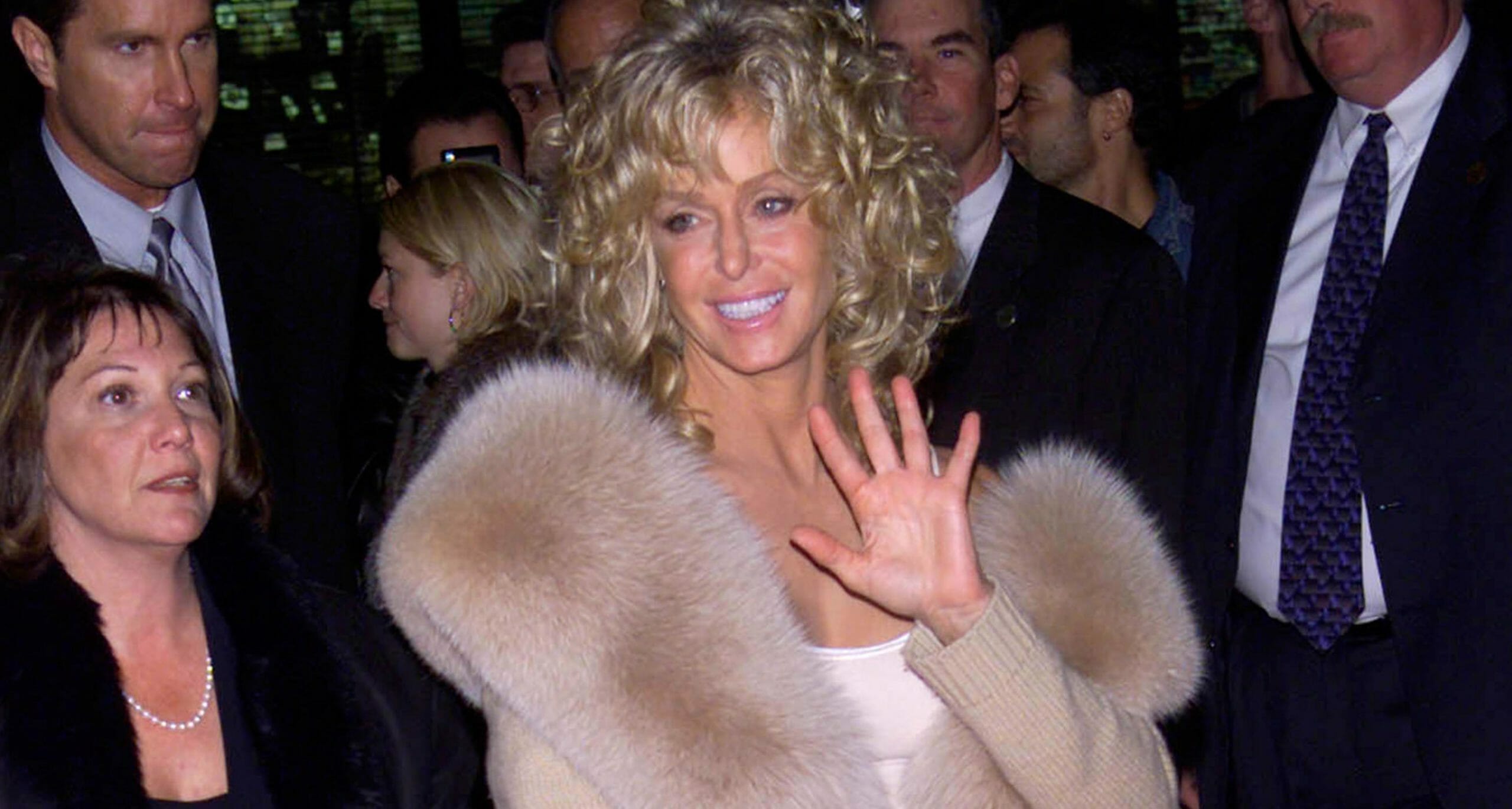
Determined not to be boxed in by a single role or a single look, Farrah chased tougher material in the 1980s. The results surprised even her critics. In The Burning Bed, she played a woman fighting back against abuse with raw honesty and courage. The performance earned her an Emmy nomination and a wave of respect that changed how people saw her. She followed that with more demanding projects, including Small Sacrifices and later The Guardian, collecting additional Emmy nominations along the way. She wanted to be known as a serious actress, and she did the work to prove it.
Love, marriage, and the beginning of something fateful
Farrah’s personal life drew steady attention as well. She married actor Lee Majors in 1973, and the two became one of television’s best-known couples of the time. As the years went on, though, the marriage frayed, and by the early 1980s it had run its course. Change was in the air—and so was a new romance.
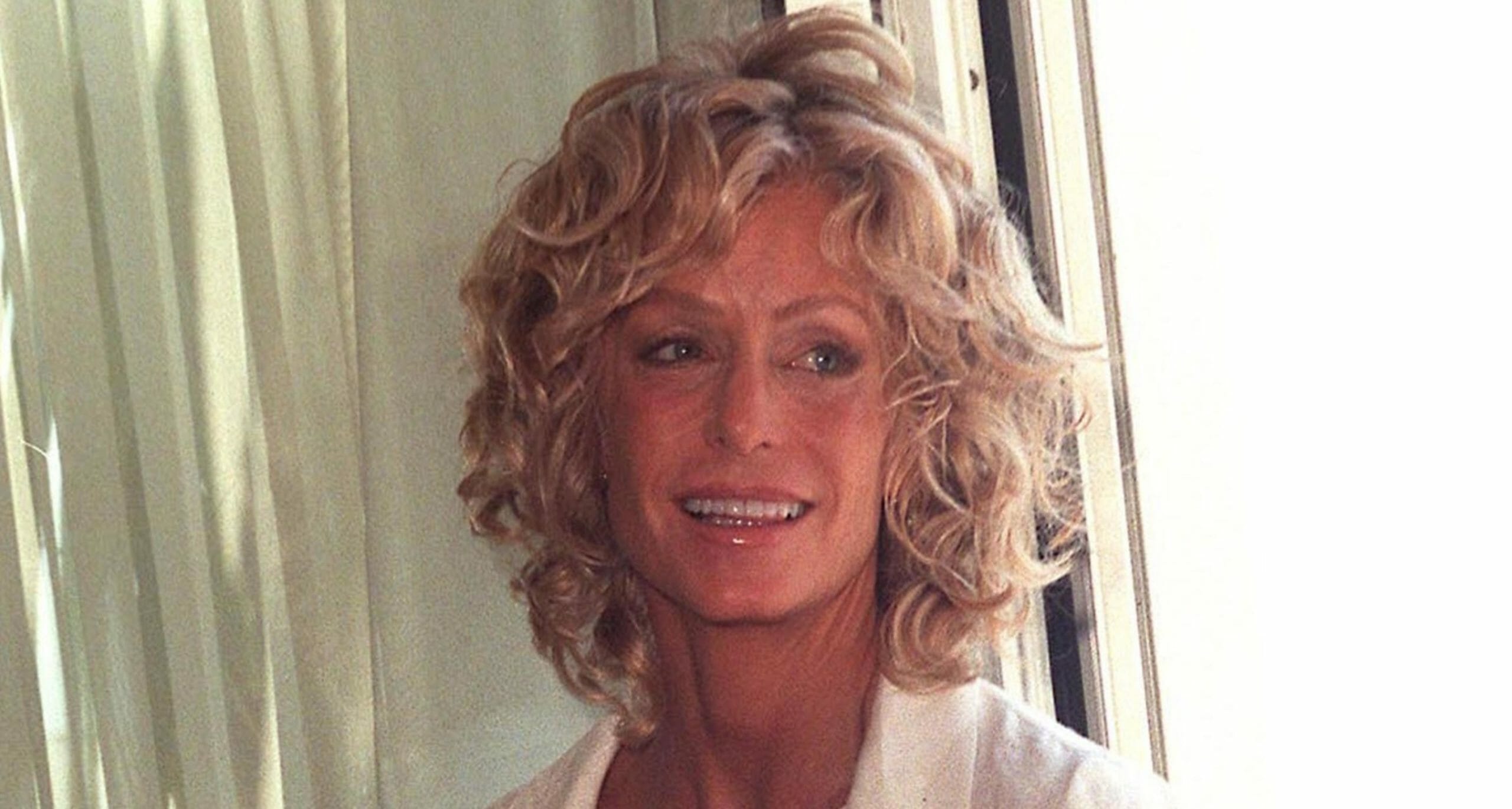
Ryan O’Neal first noticed Farrah in the late 1970s. He later wrote about how open, warm, and genuine she seemed—someone who still carried a kind of youthful sparkle despite the fame. Their paths crossed more often, and their friendship deepened into love. In 1985, they welcomed their son, Redmond, a day of joy both of them cherished.
Ups, downs, and a bond that never quite broke
Their relationship was passionate, but it wasn’t simple. There were public disagreements and private disappointments, including a painful split in the late 1990s after Farrah discovered he had been unfaithful. Even then, the story between them was not over. When Ryan was diagnosed with leukemia in 2001, Farrah stood by him. When she later faced her own cancer diagnosis, he devoted himself to her care. Whatever had come between them over the years, at the end there was only loyalty and love.
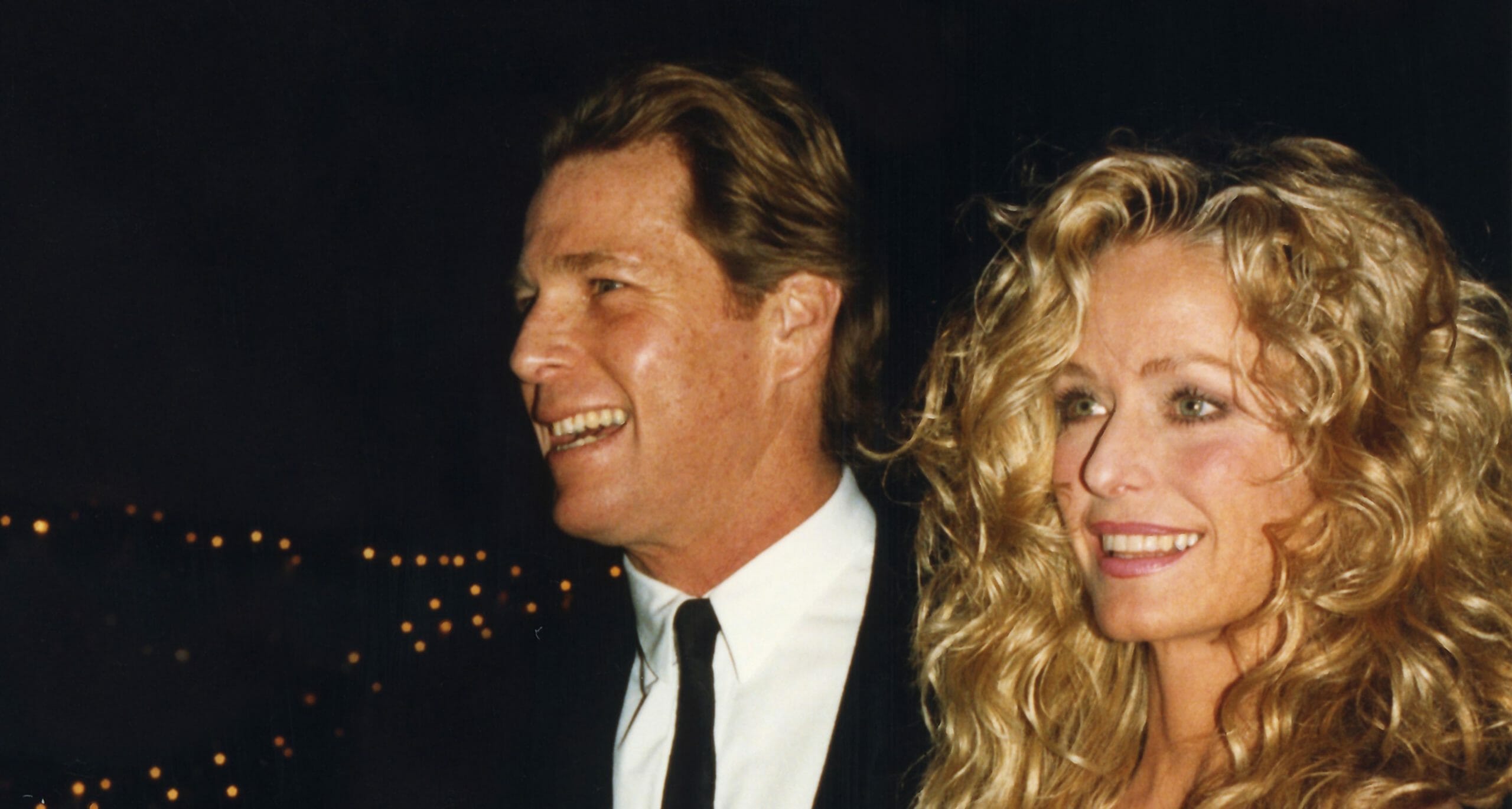
As her illness progressed, Ryan became her constant companion. He spoke openly about how she handled the changes to her famous look with grace. She didn’t cling to the past; she didn’t measure herself by hair or makeup or movie posters. She was present, focused on the people she loved and the time they had left together. To those who knew her or admired her from afar, that strength was as inspiring as any performance she ever gave.
“Will you marry me?”—a bedside proposal and a final embrace
In those final days, Ryan asked Farrah to marry him. She said yes. They hoped to make their commitment official right away, at her bedside, with a priest to bless them. Time, however, can be unkind. Before the ceremony could happen, Farrah slipped away in Ryan’s arms. It was a quiet, tender end to a love story that had stretched across decades, weathered separation, and returned to the place where it always felt truest—two people, simply together.
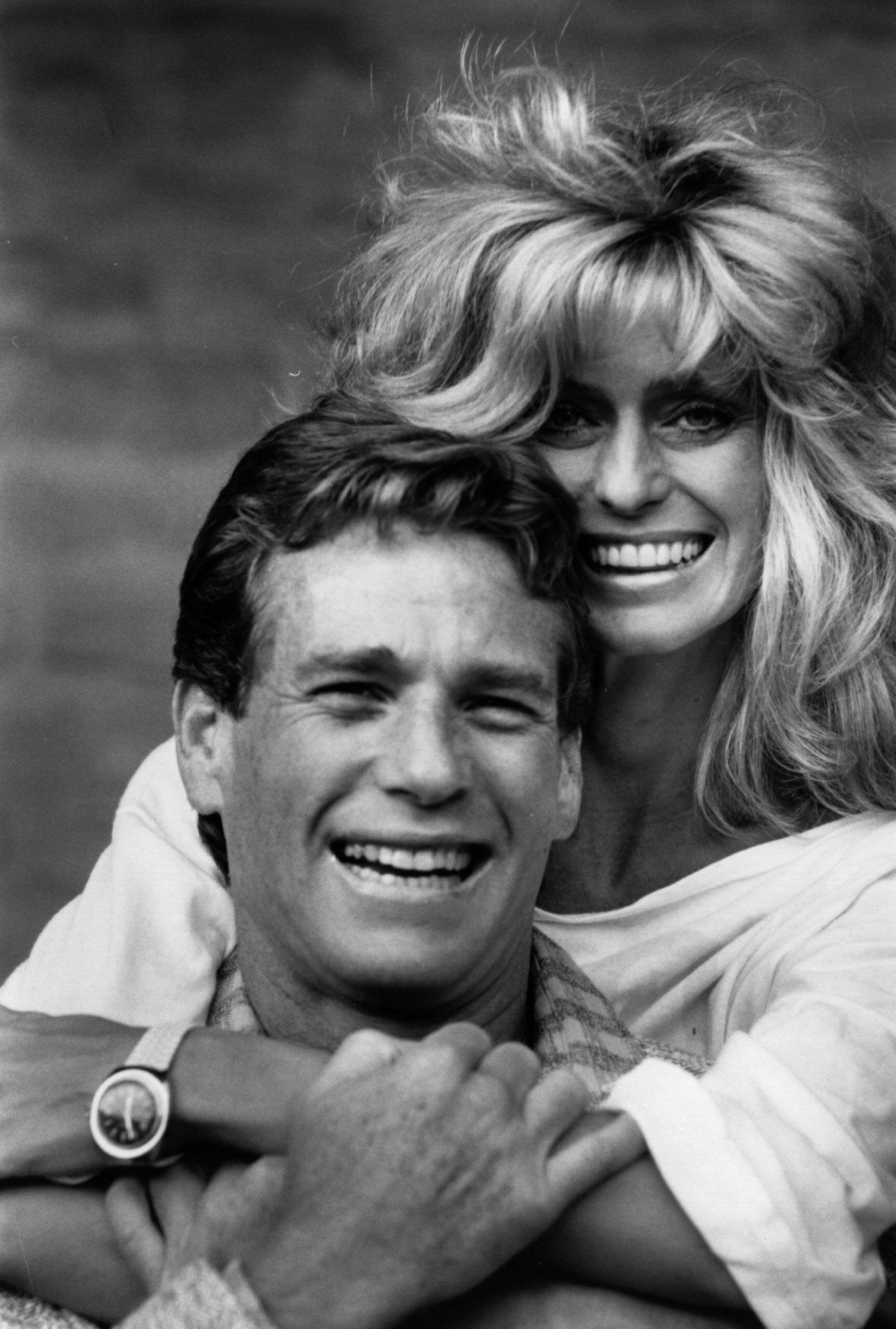
Farrah Fawcett passed on June 25, 2009, at the age of 62. The news broke hearts around the world. Fans remembered the poster, the TV phenomenon, and the electrifying smile. Others recalled her fierceness in roles that demanded everything she had as an actress. Her son lost his mother. Ryan lost the woman he called his soulmate.
What Ryan O’Neal shared about that day
Ryan later wrote about those last moments, describing how he lay beside her and held her hand, feeling each faint beat as it slowed. He stayed close, keeping her warm, loving her through the very last breath. There was no showbusiness in that room—only two people who had found each other again, saying a wordless goodbye. He would look back and wish he had done some things differently. He admitted he could have been gentler in earlier years, more patient, less proud. But he was certain of one thing: he never stopped loving her. Not for a single day.
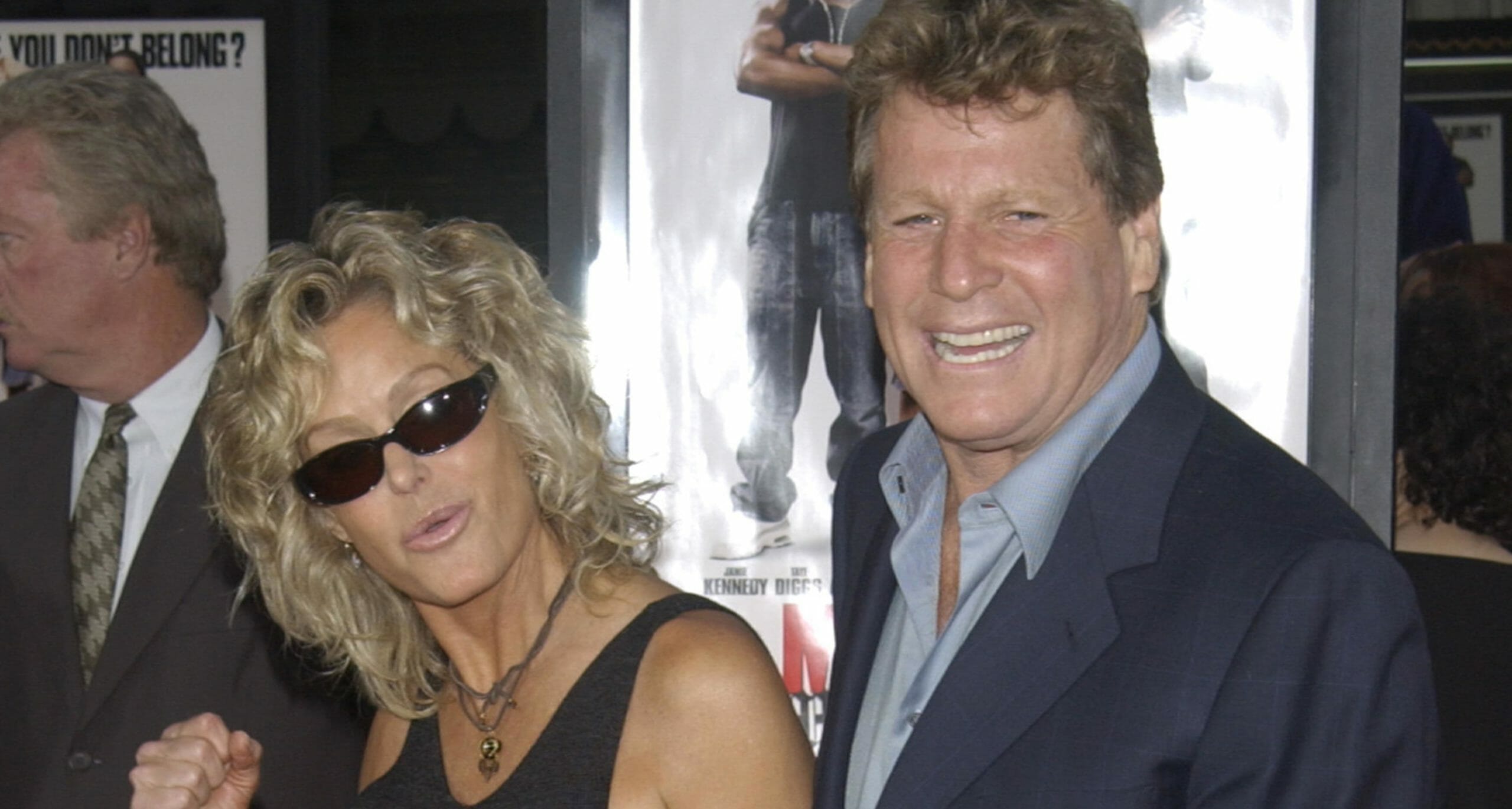
For anyone who followed Farrah’s journey, this ending felt both heartbreaking and deeply fitting. She and Ryan had a complicated, real relationship, full of joy and mistakes, forgiveness and long memories. In the end, what mattered most was the care they showed each other when it counted most.
How Farrah Fawcett is remembered today
Time has a way of sorting through the noise of fame to reveal what truly lasts. With Farrah Fawcett, a few things shine brightest. First, her onscreen spark—she could light up a scene without saying a word, then win you over completely when she did. Second, her determination—she refused to be a cardboard cutout of a TV angel and chased work that pushed her limits. And third, her courage—both in the stories she chose to tell and in how she handled the hardest chapters of her own life.
Financial estimates placed her worth in the many millions by the end of her life, but numbers feel small next to the cultural imprint she left. She helped change the way women were seen on television, played roles that made viewers think and feel, and gave comfort to people facing their own trials by walking through hers with grace. The poster and the hairstyle might be the first things people remember. Look closer, and you see the craft, the grit, and a kind of warmth that made her special.
A life that felt like sunshine
Farrah Fawcett’s story is easy to picture in simple snapshots: a Texas girl with bright eyes; a young actress trying her luck in Los Angeles; a TV star whose hair made history; a performer earning hard-won respect; a mother proud of her son; and a woman whose great love returned to stand beside her when it mattered most. These are the moments that linger, long after the cameras have gone quiet.
If you spent evenings with Charlie’s Angels or admired that famous smile on your wall, you already know part of why she mattered. But it’s the fuller portrait—the talent, the toughness, the kindness—that makes her unforgettable. She rose fast, stumbled at times, learned as she went, and never stopped moving toward what felt true. In the end, she said yes to love once more, and slipped away held by the man who had loved her for so many years.
That is the Farrah Fawcett many of us carry with us: bold, beautiful, human. A legend, yes—but also a person who loved and was loved, right up to her final breath.



