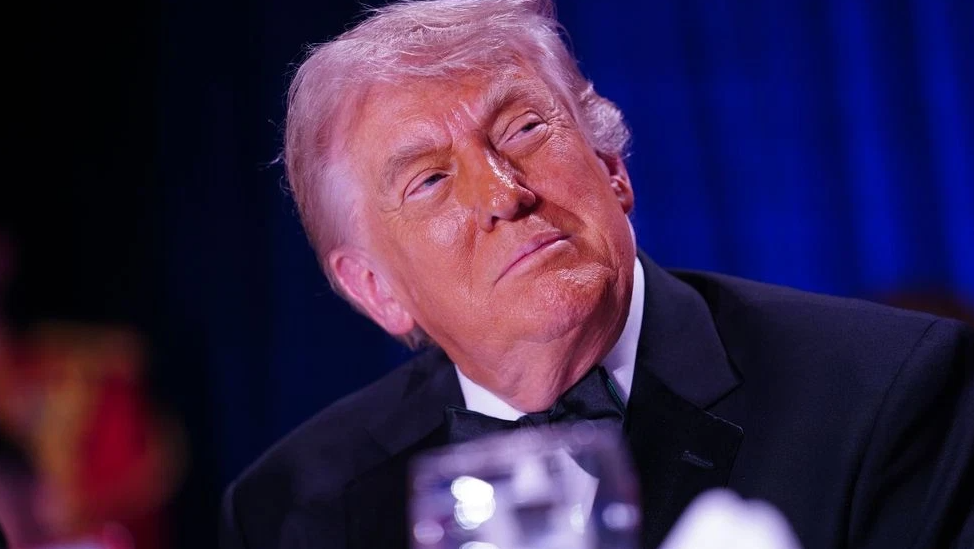
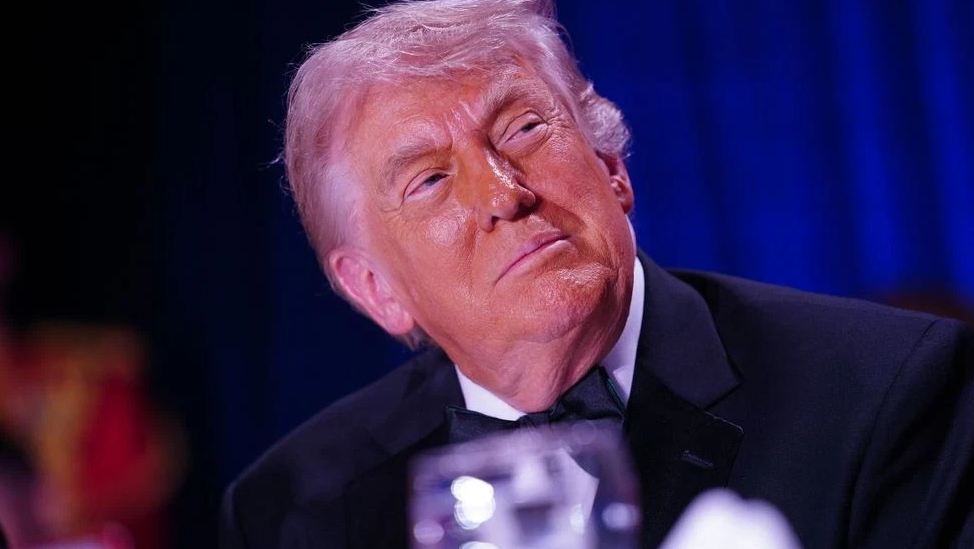
A new surge of conspiracy theories is spreading across social media nationwide after Saturday night’s attempted assassination of President Trump at the annual White House Correspondents’ Association dinner.
Much of the speculation draws on brief video clips from inside the event and early breaking news reports that emerged just moments after a gunman attempted to enter a ballroom at the Washington Hilton, where Trump, government officials, and members of the press were gathered.
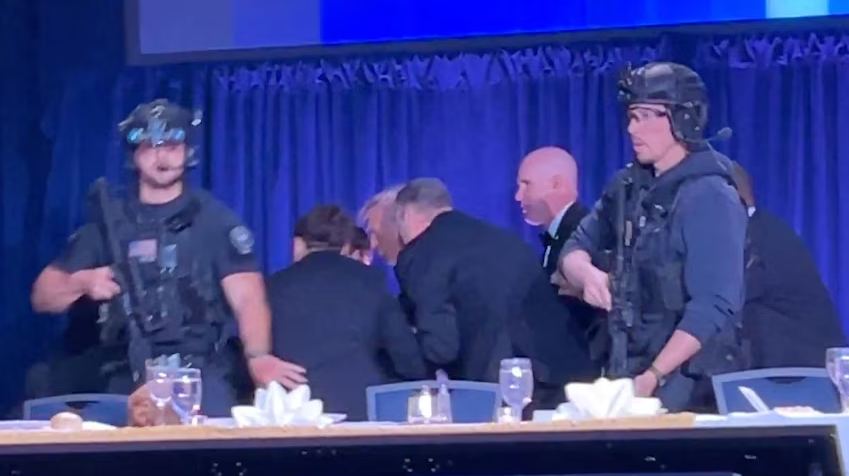
By the time Trump returned to the White House, addressed the incident, and shared an image of the suspected attacker, thousands of posts had already circulated online claiming the event was staged or fabricated.
Users offered a wide range of explanations for why such a hoax might exist, from distracting the public from tensions with Iran to justifying Trump’s push for a larger White House ballroom to host major events like the WHCA dinner.
This is the latest instance of a real act of violence triggering false conspiracy narratives. A previous assassination attempt on Trump during a 2024 rally in Butler, Pennsylvania sparked similar claims, as did last year’s killing of conservative activist Charlie Kirk.
Disinformation experts say breaking news increasingly fuels conspiracy theories, partly because people are overwhelmed by the volume of inaccurate information they encounter online.
“We’re in an information environment where people are just not believing anything they see,” said Katie Sanders, editor in chief of PolitiFact, in an interview with The Hill. “People might want to tune it all out, but that leaves them unable to tell what’s true when real events unfold.”
Although video footage of Kirk’s killing circulated widely and a suspect is currently on trial in Utah, that hasn’t stopped claims that Israel was behind the attack.
High-profile figures often amplify such theories. Some claims about Kirk’s death have been promoted by well-known conservative commentators and even former intelligence official Joe Kent.
State-linked actors also play a role. On Saturday, false claims about the shooter’s supposed ties to Israel were amplified by the Russian state media outlet RT, according to The New York Times.
Past incidents show a similar pattern. The 2022 attack on Paul Pelosi, husband of former House Speaker Nancy Pelosi, led to days of conspiracy theories online, including posts from Elon Musk.
In the aftermath of the 2024 Butler rally shooting, many theorists argued the attack was staged to divert attention from negative headlines surrounding Trump’s campaign. According to Sanders, that earlier wave of misinformation may have shaped the skepticism seen after Saturday’s events.
The White House condemned the spread of false information but did not detail any coordination with social media platforms to limit it.
“It’s very important to us that we get the facts out as quickly as possible to counter the nonsense spreading online,” said press secretary Karoline Leavitt. She emphasized the administration’s commitment to transparency and expressed hope that the public would trust verified information over conspiracy claims.
Sarah B. Rogers, under secretary of State for public diplomacy, noted that misinformation isn’t limited to one political side. She warned against framing conspiratorial thinking as purely partisan and stressed the importance of public response, especially given the limits of censorship.
Trump and his allies have pointed to a manifesto allegedly written by the suspect, which included anti-Christian and anti-Trump views, arguing that political rhetoric from Democrats contributes to such violence.
Shortly after the incident, Trump suggested the security breach highlighted the need for a White House ballroom—remarks that may have fueled further speculation among critics who believed the attack was staged.
Media personalities and commentators also contributed to the online conversation. Don Lemon shared street interviews in which some people said they believed the attack could have been faked.
Others connected the incident to ongoing debates in Congress over funding for the Department of Homeland Security, with Republicans arguing that reduced funding makes officials less safe.
Elon Musk posted that if people are willing to carry out assassinations, the consequences of gaining political power could be even more severe—despite his history of sharing misleading content.
Meanwhile, conservative commentator Matt Walsh mocked conspiracy theories with sarcasm, highlighting the implausibility of such claims.
Some analysts suggest that belief in conspiracy theories is a psychological coping mechanism, helping people make sense of shocking or chaotic events.
“Violent incidents create chaos, and that chaos attracts conspiratorial thinking,” said political scientist Geoff Dancy of the University of Toronto. “People look for order in disorder. Believing something is planned can feel less frightening than accepting that it was random and unpredictable.”