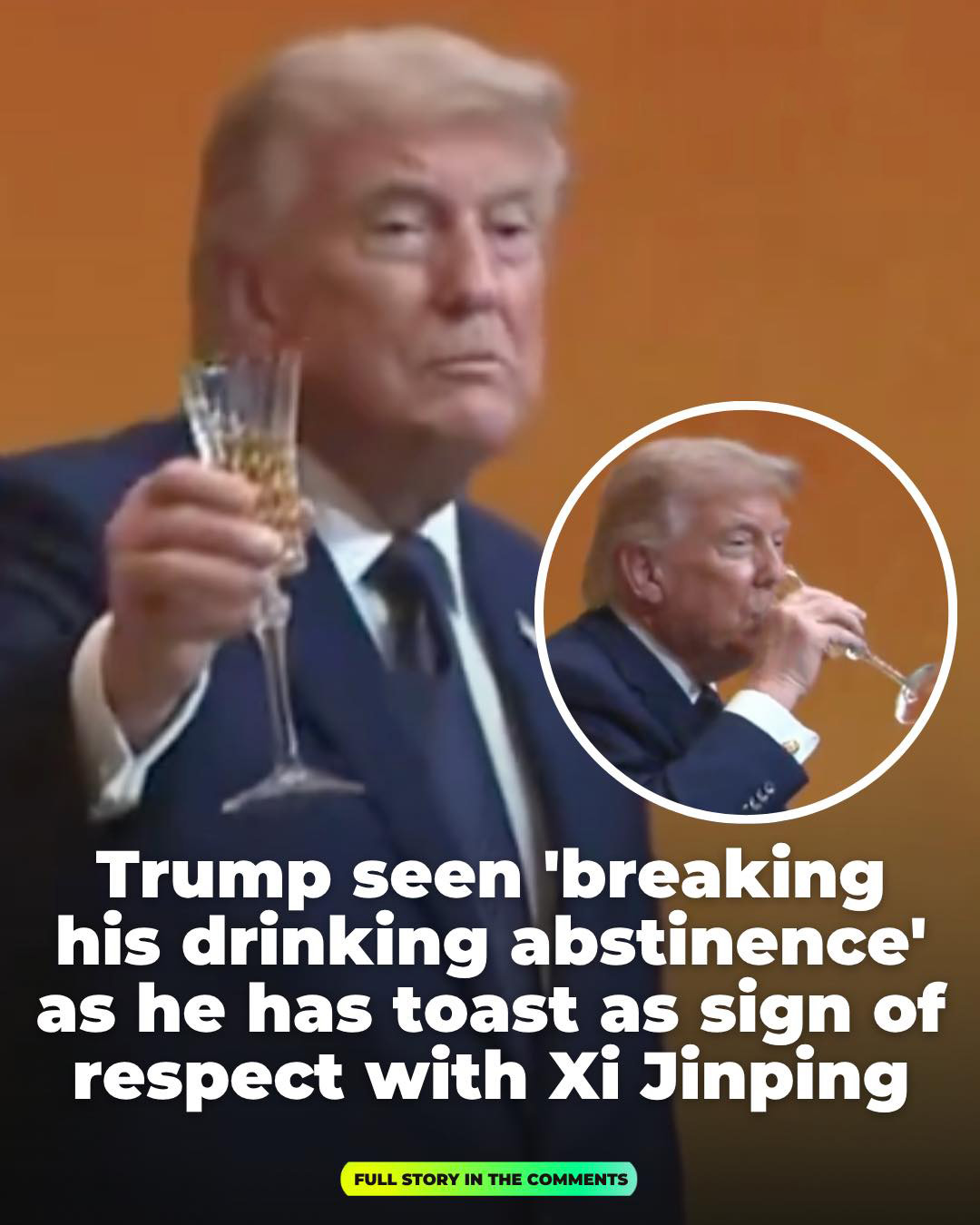
During a formal visit to Beijing, Donald Trump was filmed lifting a champagne flute and appearing to take a sip as part of a ceremonial toast honoring China’s President Xi Jinping. The brief moment, captured during a highly choreographed state event, quickly spread online because it seemed to run counter to Trump’s long-stated claim that he does not drink alcohol.
The video emerged following the leaders’ summit in the Chinese capital, where pageantry and protocol were on full display. As the clip made the rounds, many viewers focused less on the speeches and more on the sight of the former president with a glass in hand, curious about whether he truly broke his abstinence or simply joined a customary toast.
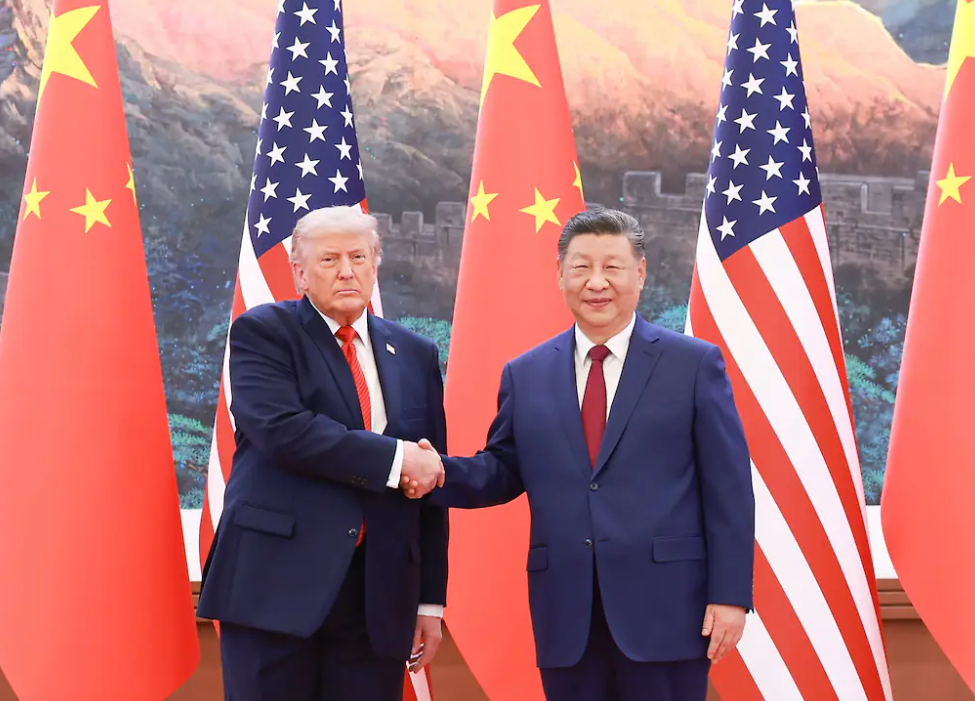
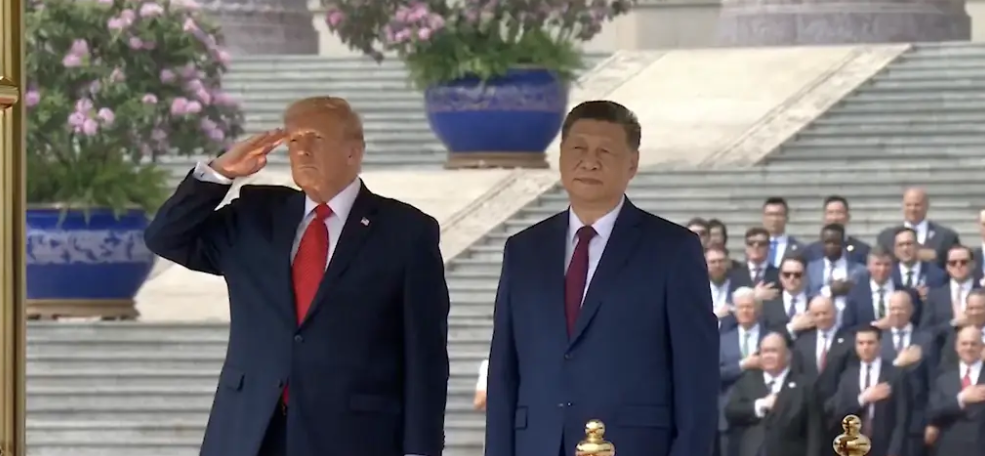
Trump and Xi met on May 14 amid an elaborate welcome that included music, formal greetings, and an atmosphere designed to underscore the significance of the occasion. After the reception, the two leaders turned to weighty issues, including trade relations, Taiwan, and ongoing tensions in the Middle East. The stakes were high, and the event drew intense attention from the international press.
Before the discussions got underway, there was a moment of disorder among members of the media in the room, a jarring contrast to the otherwise precise ceremony. That flash of tension soon faded into the background as the schedule moved forward, but for many watching at home it added to the sense of an unpredictable and closely watched day.
What truly shocked some viewers, however, came later on. During a formal toast delivered in Mandarin, Trump stood on stage listening closely. As the toast concluded, he reached for a champagne glass offered on a server’s tray, lifted it toward the audience in a sign of respect, and appeared to take a sip before placing it back and applauding along with the crowd.
A ceremonial toast and a surprising sip
Those familiar with diplomatic protocol noted that the overall mood between the two leaders appeared firm yet cordial. While both men projected confidence, their public interactions signaled mutual respect, and the carefully planned proceedings underscored the importance each side placed on the moment.
Within that context, the toast felt like a natural part of the evening. After the host’s words in Mandarin, Trump took the offered glass, raised it in acknowledgment of his counterpart and the audience, and seemed to drink from it. He then returned the glass to the tray and continued applauding. The room responded warmly, a reflection of how such gestures are often understood at state events—as a courteous nod to tradition and hospitality.
Still, the sight carried extra meaning because Trump has repeatedly said he does not consume alcohol. The image of a champagne flute in his hand, and the appearance of a swallow, immediately sparked debate. Some observers suggested that even if he lifted the glass, it might have contained a nonalcoholic beverage—a common accommodation at official dinners. Others argued that the liquid looked like champagne and interpreted the moment as a rare exception, made in deference to his hosts and the ceremony.
What can be said with certainty is that it was a brief, symbolic act during a formal occasion steeped in ritual. Whether the glass held alcohol or not remains unclear from the video alone, and in such environments it is not unusual for individuals who avoid alcohol to use water, juice, or sparkling nonalcoholic alternatives during toasts. In diplomatic settings, the emphasis usually falls on the respectful lift of the glass, not on the drink itself.
Why the question matters to so many
Trump’s personal stance on alcohol has been part of his public persona for decades. He has often described himself as a lifelong abstainer, citing a very personal reason: the loss of his older brother, Fred Trump Jr., to alcoholism in 1981 at the age of 42. That family tragedy, he has said, shaped how he thinks about drinking and guided the advice he gave his own children about avoiding alcohol and other addictive substances.
This background is why a simple toast drew unusual attention. For supporters and critics alike, his decision to raise a glass—even if only for a symbolic sip—seemed to offer a window into how he balances personal convictions with the demands and customs of high-level diplomacy. It also reignited a recurring discussion about whether exceptions have ever been made in the past and how much those details truly matter compared to the broader outcomes of the meetings themselves.
Over the years, reports have surfaced reflecting a range of claims about what he has or has not consumed in social settings. Some longtime acquaintances and associates have insisted he has stayed away from alcohol and stuck to soft drinks. At the same time, separate reporting, including recollections attributed to former bartenders from his New York years, has suggested they sometimes saw him with drinks in hand. These accounts are not new, but moments like the Beijing toast tend to bring them back to the surface.
It is worth remembering that public figures often encounter speculation about their habits, and that such speculation is not always conclusive. In formal venues—especially those governed by protocol—appearances may not tell the full story of what is in a glass or what is actually consumed.
What he has said about drinking
Trump has spoken openly about his decision to avoid alcohol, explaining that he drew a hard line early in life because of what his family experienced. He has described the period around his brother’s struggle and passing as deeply painful, and he has said that it convinced him he would be better off never starting to drink at all. He has also shared that he encouraged his children to steer clear of alcohol, tobacco, and drugs, telling them that it is easier never to begin than to try to stop once a habit takes hold.
These remarks, shared in various interviews over the years, have shaped public understanding of his approach. Compared with some earlier presidents who discussed giving up alcohol partway through adulthood, Trump has cast himself as someone who chose total abstinence from the start. That clear personal policy is why a small moment with a flute of bubbly prompted such a big conversation among viewers.
Chinese protocol and the meaning of a toast
To understand the scene in Beijing, it helps to consider how much importance is placed on toasting in Chinese culture. Toasts are a time-honored way to show respect, build rapport, and recognize the significance of a gathering. At formal banquets, a host or dignitary may offer words of goodwill, then raise a glass to the guests. In return, the guests lift their own glasses to acknowledge the moment and the relationship.
Not everyone drinks alcohol at such events, and accommodations are common. A guest who avoids alcohol might be served tea, water, or a nonalcoholic sparkling drink so that they can participate fully in the ceremony without breaking personal rules. Often, the simple act of lifting the glass and making eye contact is considered the essential courtesy.
Seen in that light, the brief toast in Beijing fits well within tradition. The clink of glasses and a nod of gratitude are expected signals of respect, meant to affirm goodwill and cooperation. Whether anything more than a symbolic sip took place is not something the video can definitively answer. But the intention—to honor the host and the occasion—was clear enough to those in the room.
How viewers reacted
Reactions online ran the gamut. Some people were surprised, believing the moment contradicted years of statements about total abstinence. Others saw a polite gesture and suggested that, based on standard diplomatic practice, the glass may not have contained alcohol at all. For many, the exchange raised a broader question about how leaders balance personal principles with expectations at official events, especially when those expectations are rooted in another country’s traditions.
A number of observers also focused on the tone between the two leaders throughout the day. While there were flashes of tension among journalists before the talks, the leaders themselves appeared steady and respectful in public settings. To some viewers, the toast seemed like a punctuation mark on a carefully managed meeting, signaling that even amid differences, formal respect still has a place in international affairs.
The issues behind the pageantry
Beyond the viral clip, the visit itself was important. The United States and China remain deeply intertwined yet often at odds, and the list of topics on the table—trade rules, technology, regional security, and delicate questions surrounding Taiwan and the broader Indo-Pacific—could hardly be more consequential. In that environment, ceremonial gestures serve a dual role: they honor tradition while also creating an atmosphere in which difficult conversations can proceed.
Diplomatic visits are designed with that balance in mind. The formalities help set a respectful tone, and the private discussions address the core disagreements and practical details. For the public, moments like a toast offer a rare glimpse at the softer side of statecraft—one that emphasizes civility and continuity even as major policy disputes remain unresolved.
What we know—and what we do not
From the available footage, we can say that Trump lifted a champagne flute during a toast and appeared to take a sip. We cannot say with certainty what the glass contained. At official functions, it is common practice to provide nonalcoholic options to guests who request them. Without a clear statement from the parties involved, conclusions about what was in the glass remain speculative.
What also seems clear is that the gesture was well received in the room. The audience applauded, and the moment passed without incident before attention returned to the business of the day. Whether one views the sip as a meaningful departure from a personal rule or simply a polite nod to protocol likely depends on how one interprets ceremonial customs and private choices.
A personal policy in a public setting
For decades, Trump has framed his approach to alcohol as a simple line he chose not to cross. That stance has resonated with people who have seen addiction up close and understand the comfort of a clear personal rule. It has also prompted curiosity whenever a photo or video seems to test the edges of that rule. In Beijing, the context was not a private party or a casual dinner—it was a staged, televised moment of international protocol, designed to convey mutual respect.
In such a setting, actions are as carefully considered as words. Guests follow cues, hosts extend courtesies, and small gestures are meant to reinforce the overall message of cooperation. Lifting a glass—regardless of what is in it—signals acknowledgment of the host’s welcome. For someone with a well-known no-alcohol stance, it can also spark a conversation, as it did here, about how personal boundaries meet public expectations.
Why this moment resonated with so many
For many viewers, especially those who recall earlier eras of U.S.–China diplomacy, the scene carried a familiar mix of ceremony and calculation. The majestic setting, the carefully chosen words, and the televised toasts felt like a return to the classic optics of state visits. At the same time, the clip touched on a deeply human theme that transcends politics: how personal convictions are lived out in complicated environments.
People in midlife and beyond may see reflections of their own experiences in that tension. Over the years, many find themselves adapting to new settings without abandoning their core values—whether at work, with family, or in their communities. Watching a public figure navigate a moment like this can feel both relatable and instructive, even if one does not share his politics or his personal choices.
Looking ahead
The lasting significance of the Beijing visit will not rest on a single toast, but on whether the conversations that followed lead to practical progress on issues that matter to both countries. Trade policies, regional stability, and the rules for new technologies will shape daily life far beyond the walls of a banquet hall. Still, moments of courtesy can help create the conditions for more constructive dialogue, and they remind audiences around the world that respect has a role to play even when disagreements are sharp.
In the end, the image that captured so much attention is best understood as part of a larger story. A state visit calls for ceremony; ceremony calls for toasts; and toasts, by tradition, call for a raised glass. Whether the sip contained alcohol may never be settled to everyone’s satisfaction. What is clear is that the gesture set off a lively discussion and added another layer to a public figure’s long-standing personal narrative.
The takeaway
Trump was seen lifting a champagne glass during a formal toast to President Xi in Beijing and appeared to take a sip. Given his well-publicized abstinence, the moment drew considerable notice. Beyond the headlines, it served as a reminder of how diplomacy blends symbolism with substance, and how personal principles can encounter—and sometimes accommodate—the rituals of international protocol. Whether that glass held champagne or a nonalcoholic substitute, the episode illustrated the enduring power of a simple gesture to shape perception and spark conversation.