Tensions around one of the world’s most important waterways have risen sharply, with strong words from Washington and new moves from Tehran focusing global attention on the Strait of Hormuz. For many people, especially those who remember past oil shocks and Middle East flare-ups, this situation may feel familiar. Yet the stakes today are just as real, because what happens in this narrow stretch of water can quickly touch everyday life—at the gas pump, in retirement accounts, and across prices for goods that travel by sea.
The Strait of Hormuz sits between Iran to the north and Oman and the United Arab Emirates to the south, and it is the only direct sea route from the Persian Gulf to the open ocean. Energy analysts estimate that roughly a quarter of the world’s seaborne oil trade passes through this bottleneck. That means a disruption here does not just stay local—it can ripple outward to affect shipping schedules, fuel costs, and broader financial markets around the world.
In recent weeks, reports have described new restrictions in and around the strait, with Iranian authorities tightening their say over who moves through and how. International observers have warned that even partial limits on traffic could cause sharp swings in oil prices, slow deliveries, and increase costs for insuring ships and cargo. The result could be felt in everything from airline fares to home heating bills.
Why the Strait of Hormuz matters so much
Think of the Persian Gulf as a busy neighborhood of energy producers. The Strait of Hormuz is its single front gate. If that gate narrows, clogs, or closes, there is no quick detour. Ships can reroute around Africa, but that adds significant time, distance, and expense. Because so many tankers carry oil and liquefied natural gas through this channel, the strait is watched closely by governments, navies, shipping companies, and energy traders.
Energy agencies have long cautioned that any disruption to this waterway would carry serious consequences. The reason is simple arithmetic: when a large share of the world’s oil suddenly becomes harder to move, supply strains appear and markets react. That reaction can be swift, even if the actual interruption is short-lived, because traders price in risk as soon as they see it. For consumers, this can translate into higher prices at the pump and increased costs throughout the economy.
How we arrived at a new flashpoint
According to multiple reports, tensions escalated toward the end of February, when shipping through the strait faced fresh obstacles and heightened scrutiny. Since then, diplomats from the United States and other nations have sought to negotiate terms that would reopen the passage to normal operations. Those talks, however, have not yet produced a full breakthrough.
During this period, Iranian officials announced the formation of a body referred to as the Persian Gulf Strait Authority. Statements associated with this authority suggested that vessels passing through the Strait of Hormuz would need explicit approval. That message quickly raised alarm across the global maritime community. Rumors also spread online that Iran might begin charging tolls to ships using the route.
Iranian representatives have publicly denied that they are introducing direct toll fees, while at the same time indicating that managing navigation and protecting the local environment involve costs. Even without a formal toll, the introduction of new approval requirements and oversight adds uncertainty. When uncertainty rises, shipping schedules slow, insurance premiums climb, and energy markets grow more volatile.
Some observers floated the possibility of shared oversight between Iran and Oman in an effort to calm the waters and restore predictability. But that idea collided with clear opposition from Washington.
Trump’s remarks and Washington’s stance
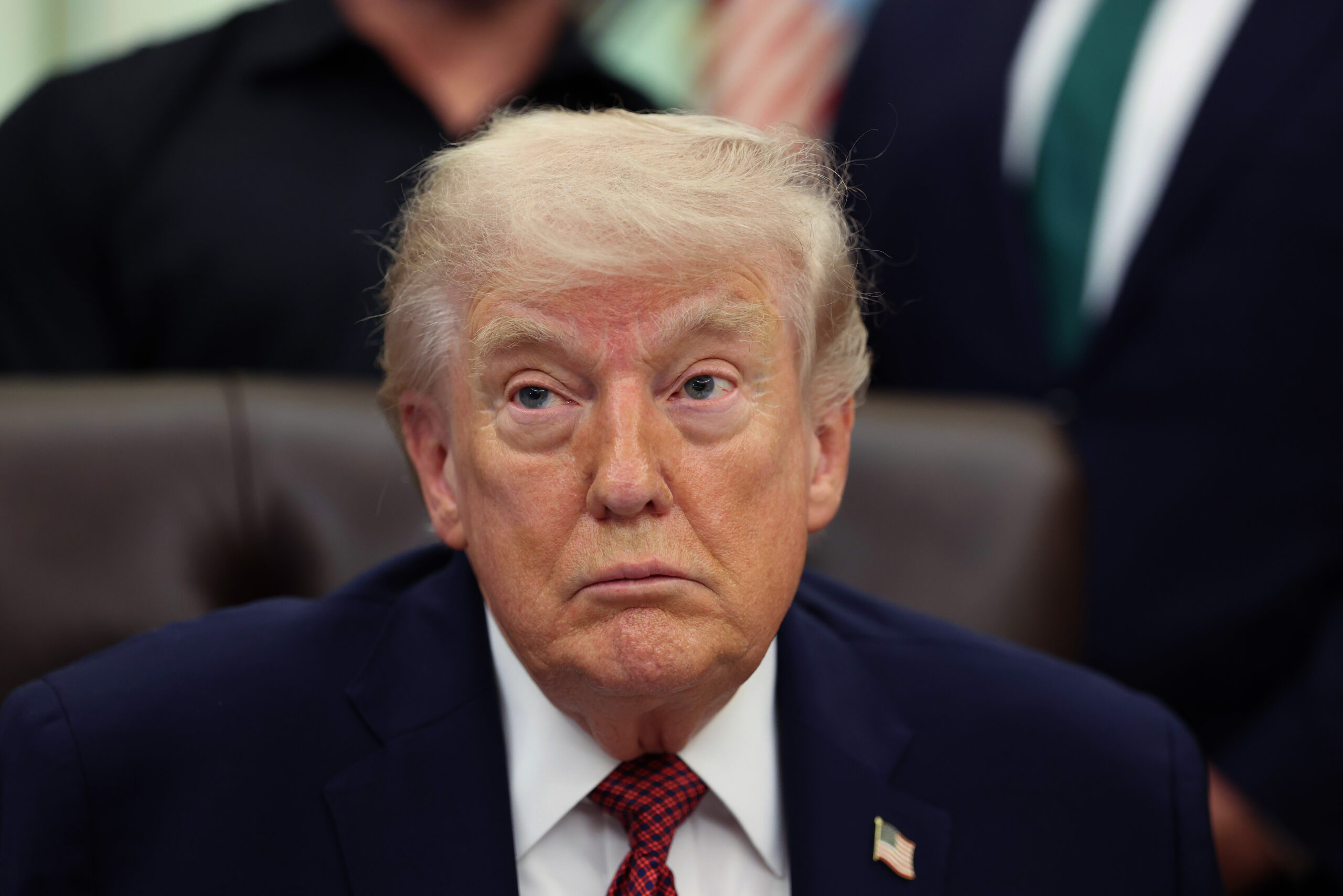
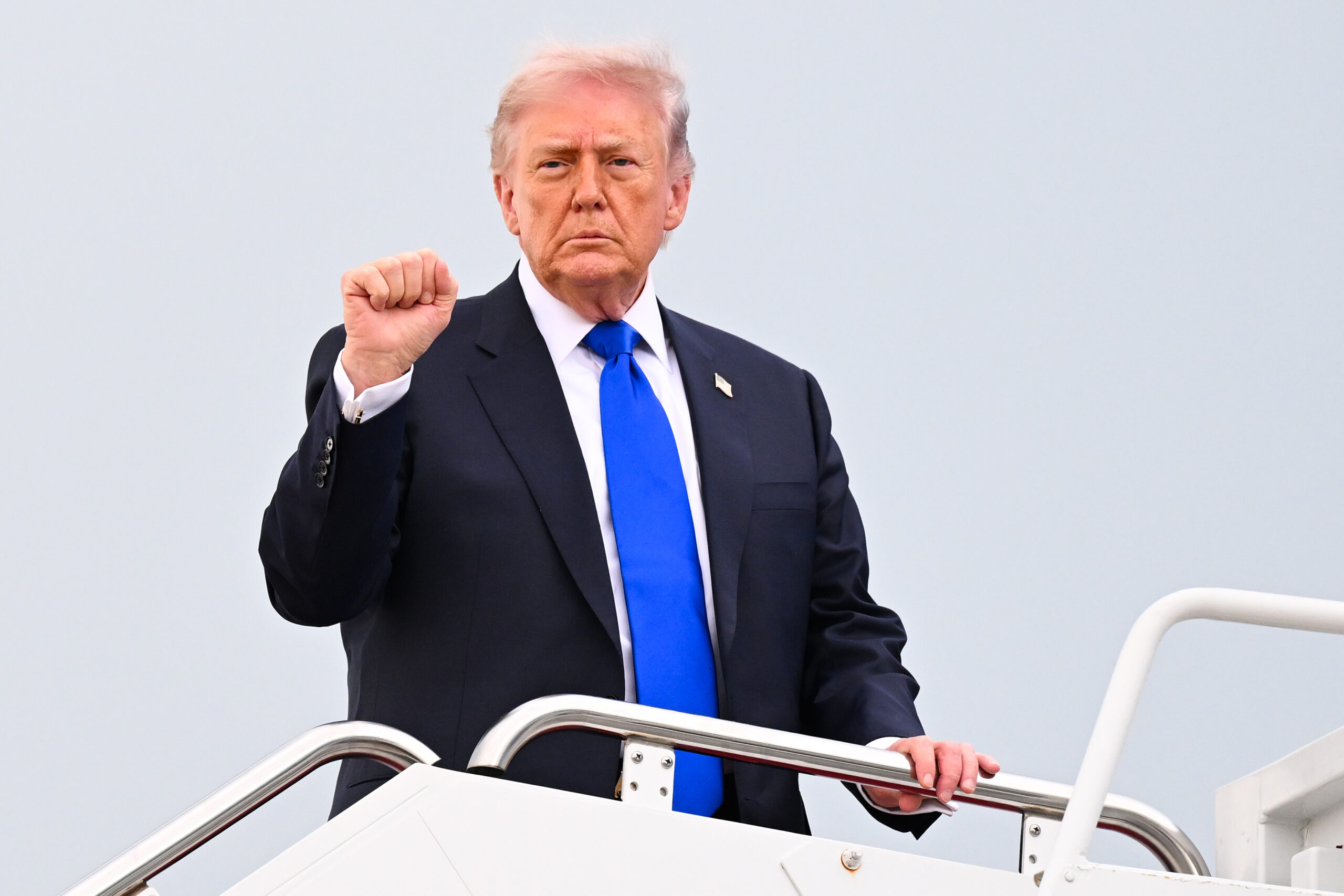
Speaking earlier this week, former President Donald Trump forcefully rejected any plan that would give one nation or a partnership of nations tight control over the strait. He said the passage must remain open to all, emphasizing that no single party should claim control. He also said the United States would keep watch over the waterway to ensure it stays open.
In the same set of comments, he issued a stark warning aimed at Oman, saying the country needed to fall in line or face a forceful response. His phrasing left little room for ambiguity, and after some initial confusion over whether he had misspoken, the remarks were amplified by official channels, suggesting they were intentional. The message was clear: the United States expects free navigation in the Strait of Hormuz and is willing to pressure regional players to achieve it.
These statements landed with a thud across the region, where Oman has traditionally played a bridging role between rivals. For decades, Muscat has kept open lines of communication with Iran and Gulf Arab states alike, often stepping in quietly to ease tensions. A public threat, therefore, represents an unusually blunt approach to a country that many view as a steadying influence.
What a prolonged disruption could mean for everyday life
When shipping clogs or slows in the Strait of Hormuz, the effects don’t stay on the evening news; they trickle into daily budgets. Gas prices may inch upward first. If the standoff lingers, those price increases can spread into other areas. Airlines spend more on fuel, which can push up ticket prices. Trucking firms and delivery services face higher costs, which can nudge the price of groceries and household goods. If you are on a fixed income or watching withdrawals from retirement savings, even small, sustained increases can add up over time.
Financial markets also tend to pay very close attention to Hormuz. Oil companies, shipping firms, insurers, and transport-related businesses may swing up or down based on headlines from the strait. A quick resolution typically eases nerves and steadies markets. A prolonged standoff creates weeks or months of uncertainty, which can be reflected in market volatility. For retirees and those approaching retirement, that volatility can feel unsettling, especially when it shows up in the value of mutual funds and index funds held in 401(k)s and IRAs.
In practical terms, if the strait remains tense but open, markets may adjust after an initial jolt. If passage becomes more restricted or risky, costs will likely climb further. The more predictable and calm the waterway, the easier it is for businesses to plan, price, and deliver—stability that ultimately benefits consumers.
The legal and geographic backdrop, in plain language
The Strait of Hormuz is a narrow waterway, at points only a few dozen miles across, bordered by Iran on one side and Oman on the other. Under well-established principles of maritime law, ships are generally understood to enjoy a right of transit through straits used for international navigation. While there are nuances to these rules and differences in how countries interpret them, the overall expectation in most of the world is that such choke points remain open to peaceful passage.
Because the strait threads between the territorial waters of neighboring states, disagreements can flare over who sets the rules or how to enforce them. That is why even small changes—like a new requirement to obtain approval, or a hint of new fees—can raise alarms. Shipping companies crave certainty. Any step that appears to shift authority or add red tape can make them think twice about schedules, routes, and insurance, all of which carry price tags that eventually land in consumers’ laps.
Regional roles and the presence of global navies
Oman has long cultivated a reputation for balance and quiet diplomacy, often serving as a go-between when tensions rise. The United Arab Emirates and Saudi Arabia, both major energy exporters, also have strong interests in keeping the strait open and safe. On the other side, Iran views the waterway as a strategic lever—one that can amplify its influence in regional and global affairs.
Internationally, several navies operate in or near these waters, most notably the United States Fifth Fleet, based in Bahrain. Allied ships from Europe and elsewhere also patrol sea lanes to ensure freedom of navigation. This presence is meant to deter interference and reassure commercial ships. But it can also become another layer of risk if miscommunication or miscalculation leads to a confrontation. In crowded waters, even a small incident can escalate quickly if cooler heads do not prevail.
Possible paths forward
From here, the situation could move in several directions. A negotiated de-escalation would be the most welcome outcome for markets and consumers. That would likely involve clear, public commitments to keep the strait open, transparent rules for transit, and assurances from all sides to avoid detentions, inspections, or approvals that slow traffic beyond routine safety checks. Oman’s traditional role as a mediator could be important in shaping such an understanding, alongside support from major powers with shipping interests.
A second possibility is a tense but tolerable status quo. In this scenario, ships keep moving under heavier naval escort and insurers keep raising premiums, but no side takes steps that dramatically restrict traffic. Oil prices might remain elevated and jumpy, yet manageable for most consumers. This path is not ideal, but it avoids the worst-case outcomes.
The most concerning path is further escalation. That could take the form of seizures of vessels, skirmishes at sea, or tight approval regimes that function like a soft closure. Such moves could push oil prices significantly higher and inject a new level of volatility into global markets. Governments would then scramble to release strategic reserves, redirect shipments, and find alternative sources—all of which take time.
What to watch in the days ahead
If you are following this story and want a simple way to gauge where things are headed, watch for a few signals. First, look for any announcement that traffic is flowing more freely or that approval procedures are being relaxed. That often shows up quickly in calmer oil prices. Second, pay attention to statements from Washington, Tehran, and Muscat that suggest a shared understanding of the rules in the strait. Even careful, diplomatic language can be meaningful if it points to common ground.
Third, keep an eye on reports of naval escorts, inspections, or detentions. A drop in those reports would be a sign of easing tensions. Finally, when you see headlines about insurance costs for ships in the region, remember that those premiums are a good barometer of perceived risk. Falling premiums usually mean risk is receding.
How this could affect your budget and plans
For households, the most immediate effect tends to be fuel costs. If prices at the pump edge up, consider small adjustments that help stretch a tank—planning errands in one loop rather than several separate trips, for example. For those with travel plans, airline fuel costs can filter into ticket prices; booking a bit earlier than usual or being flexible on dates can help soften the impact.
For retirees and those nearing retirement, market swings tied to Hormuz headlines may be unsettling. It can help to remember that energy-related surges often ebb when tensions ease. Staying diversified and focusing on long-term goals can reduce the temptation to react to daily market moves. If you have questions about how energy volatility affects your portfolio, consider discussing it with a trusted financial professional who understands your time horizon and income needs.
Where the politics meet practical reality
Sharp statements and threats grab attention, and sometimes they are meant to. But ships still have to move, and economies still need energy. That means behind the scenes, diplomats and defense officials are working to steady the situation, even as public rhetoric runs hot. The creation of new oversight bodies, the rejection of shared control, and the tough talk from Washington are all part of a complex negotiation playing out in view of the world.
It’s also worth noting that moments like this can reset expectations. If all sides come to a clearer, more public understanding of how the strait will be managed, the current anxiety could give way to a more durable calm. Conversely, if communication breaks down, markets will price in more risk, and consumers will feel more pressure.
Plain-language takeaway
The Strait of Hormuz is a narrow passage with outsized importance. Recent moves by Iran to tighten oversight, paired with forceful remarks from Washington rejecting any single nation’s control, have pushed the waterway back into the global spotlight. While rumors of tolls have been denied, the very idea of new approvals and rules has unsettled shippers and markets. For everyday people, the effect shows up first in energy prices and then in broader costs. The quicker the strait returns to predictable, open passage, the better the outlook for consumers and investors alike.
For now, expect firm rhetoric, ongoing diplomacy, and careful patrolling by international navies. If those ingredients lead to a clearer agreement on how traffic moves through the strait, today’s tension could fade into the background. Until then, a bit of patience and a close eye on credible updates will go a long way toward understanding what this episode means for your budget, your plans, and the broader economy.
In short, the world has seen the Strait of Hormuz endure tense periods before. Each time, the path out has been the same: steady diplomacy, practical arrangements for safe passage, and a shared interest in keeping energy moving. With so much at stake, the hope is that cooler heads prevail again—and soon.