
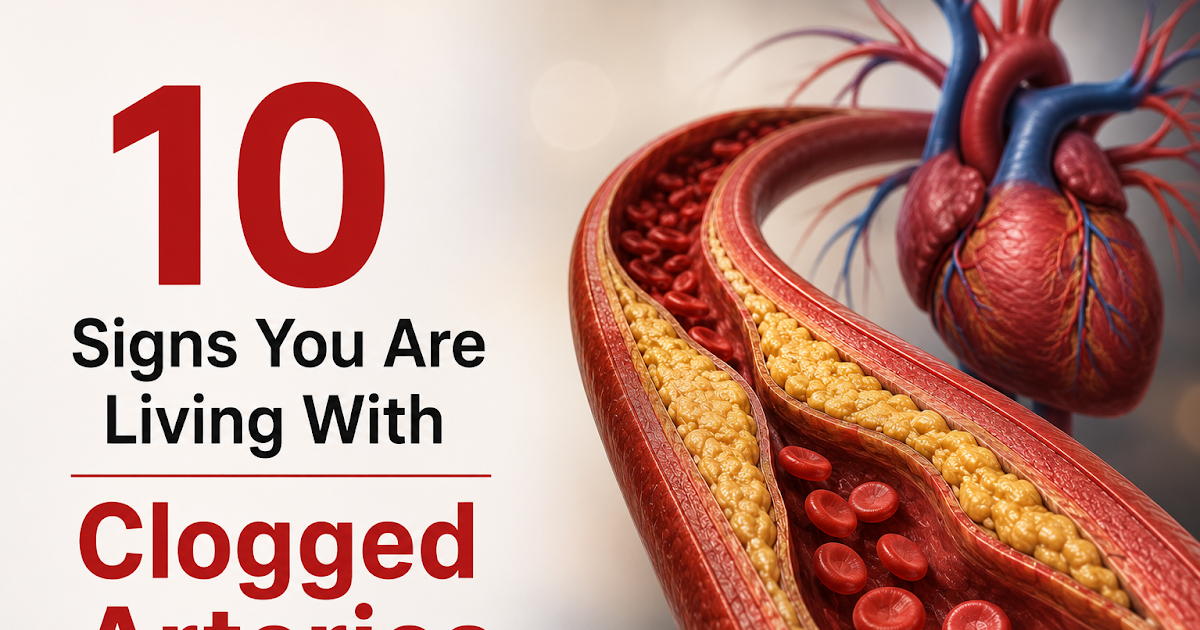
Heart disease remains one of the most common health concerns as we get older. One reason is that blocked or narrowed arteries often develop quietly over many years. Many people do not notice anything is wrong until a heart attack, stroke, or another emergency occurs. The good news is that your body often sends early clues. Learning to recognize them can help you take action sooner and protect your health.
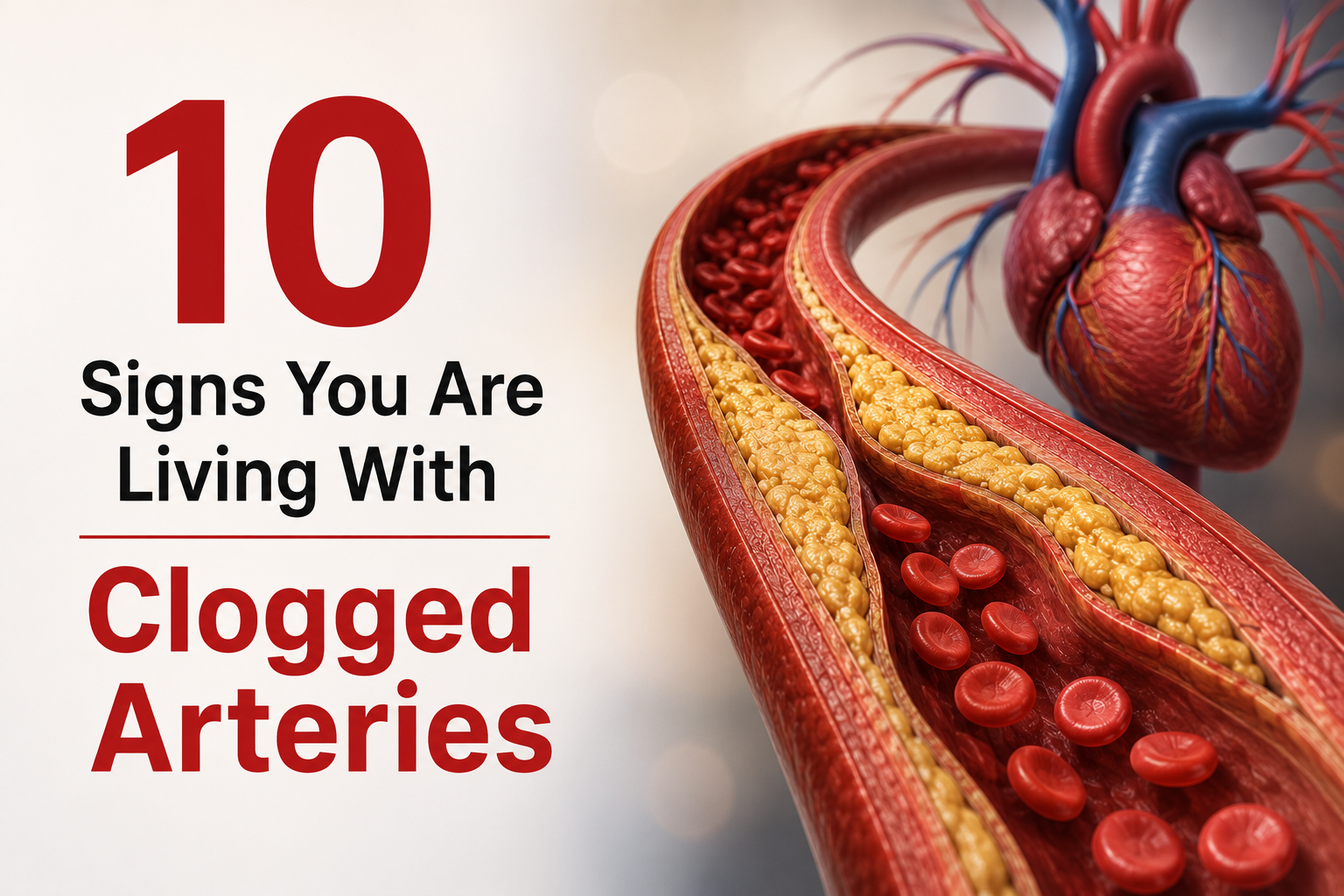
Arteries are the strong tubes that carry oxygen-rich blood from your heart to the rest of your body. Over time, fatty material, cholesterol, calcium, and inflammatory cells can collect inside the artery walls. This buildup is called plaque, and the process is known as atherosclerosis. As plaque grows, the opening inside the artery becomes smaller, limiting blood flow to vital organs and muscles. When this happens in the heart, it raises the risk of chest pain and heart attack. When it happens in the brain or neck, it raises the risk of stroke. In the legs, it can make walking painful and slow wound healing.
The earliest symptoms can be subtle, especially during rest. They often appear during activity, stress, or cold weather, when your body needs more blood flow. In the sections below, you will find the most common signs of clogged arteries, what may cause them, how to reduce your risk naturally, and when to seek medical attention.
What causes clogged arteries?
Plaque forms over many years. It is made of cholesterol and fats, calcium, and inflamed cells that collect in the artery wall. Small cracks can form in the lining of the artery, and the body tries to repair them. With time, this repair process can leave scar tissue and hardening that further narrows the passageway. Genetics and aging play a role, but lifestyle has a powerful influence as well.
Common risk factors include high LDL cholesterol, low HDL cholesterol, high blood pressure, diabetes or prediabetes, smoking or exposure to secondhand smoke, being overweight, lack of physical activity, an eating pattern high in processed foods and saturated fats, chronic stress or poor sleep, and a family history of early heart disease. As we age, arteries naturally become stiffer, which can speed up plaque buildup. Recognizing risk factors and managing them early can slow or even partly reverse this process.
10 signs your arteries may be clogged
1. Chest pain or pressure, also called angina
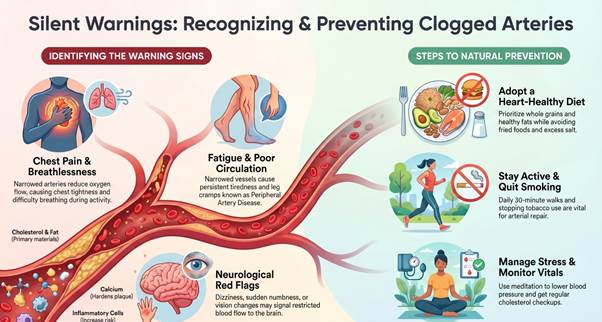
Chest discomfort is one of the best-known warning signs. It may feel like pressure, tightness, squeezing, or a heavy weight behind the breastbone. Some people describe it as a burning feeling or a band tightening across the chest. It can spread to the neck, jaw, shoulders, back, or arms, especially the left arm. Angina often appears during activity, stress, or after a heavy meal and eases with rest. If chest pain is new, stronger than usual, lasts more than a few minutes, or occurs at rest, it is an emergency and needs immediate medical care.
2. Shortness of breath with light activity
Feeling unusually winded while walking, climbing stairs, or doing household tasks can be a sign that the heart is not getting enough oxygen-rich blood. When arteries are narrowed, the heart has to work harder, and the lungs may feel strained. You may notice you need to pause to catch your breath more often, or that you cannot keep up with activities that used to feel easy. Shortness of breath that is new, worsening, or paired with chest pressure should be checked promptly.
3. Unusual fatigue and weakness
Persistent tiredness can have many causes, including sleep problems, anemia, thyroid issues, and stress. It can also be related to reduced blood flow from clogged arteries. When muscles and organs receive less oxygen, even simple tasks can feel exhausting. You might notice you need longer naps, you feel drained by mid-afternoon, or you struggle to complete your usual routine. If this change is new for you, especially if it comes with chest discomfort or breathlessness, bring it to your doctor’s attention.
4. Leg pain or cramping when walking
Pain, cramping, or a heavy, tired feeling in the calves, thighs, or buttocks that appears during walking and improves with rest can signal peripheral artery disease, often called PAD. PAD happens when the arteries that supply the legs become narrowed by plaque. You may find you can walk only a certain distance before the pain starts, and that the pain returns each time you resume walking. Some people also notice slow-healing sores on the feet or a shiny, pale skin tone on the legs. PAD is a strong clue that artery disease may be present in other parts of the body as well.
5. Dizziness or lightheadedness
Reduced blood flow to the brain can cause brief spells of dizziness, a feeling of being unsteady, or moments when the room seems to spin. You might also notice trouble focusing or a sudden sense of weakness. Dizziness has many possible causes, including inner ear problems, dehydration, or medication side effects, but frequent or sudden episodes deserve a medical check, especially if they happen together with other circulation symptoms.
6. High blood pressure
High blood pressure and clogged arteries often travel together. As arteries stiffen and narrow, the heart must push harder to move blood through the body. Over time, this raises blood pressure. Many people do not feel any different when blood pressure is high, which is why regular checks are so important. Consistently high readings raise the risk of heart attack, stroke, kidney disease, and vision problems. If home or clinic measurements are often above your target range, talk with your healthcare professional about treatment and lifestyle steps to bring them down safely.
7. Numbness or weakness on one side of the body
Sudden numbness, drooping on one side of the face, weakness in an arm or leg, trouble speaking, confusion, or difficulty understanding speech are stroke warning signs. These symptoms may come from a blocked artery reducing blood flow to the brain. Even if they last only a few minutes and then go away, it could be a transient ischemic attack, sometimes called a mini-stroke. Do not wait to see if it improves. Call emergency services right away, because fast treatment can save brain tissue and function.
8. Erectile dysfunction
Erectile difficulties can have several causes, including hormonal changes, side effects of medications, stress, and anxiety. In many men, however, it is an early sign of reduced blood flow. The arteries supplying the penis are smaller than the heart’s arteries, so they may show symptoms of clogging years earlier. If erection problems are new or getting worse, it is wise to discuss them openly with a clinician, not only for treatment options but also to check heart and vascular health.
9. Cold hands and feet
Poor circulation can make the hands and feet feel unusually cool or numb, especially in colder weather. You might notice your fingers or toes turn pale or bluish, or that small cuts on your feet heal slowly. While cold limbs can have other causes, such as nerve issues or Raynaud’s phenomenon, persistent changes are a reason to ask your doctor about your circulation, particularly if you also have leg cramps during walking or changes in skin color.
10. Sudden severe headache or vision problems
A very intense headache that comes on suddenly, changes in vision, trouble seeing out of one eye, or double vision can warn of a serious problem with blood flow to the brain. These symptoms should be treated as an emergency. Quick action can reduce the risk of permanent damage and improve recovery.
Who is most at risk?
Anyone can develop clogged arteries, but the risk rises with age. You are more likely to be affected if you have a family history of early heart disease or stroke, if you smoke or used to smoke heavily, or if you have high cholesterol, high blood pressure, diabetes, kidney disease, or sleep apnea. Being overweight, carrying weight around the waist, moving too little, eating a diet high in processed foods and saturated fats, and living with chronic stress also increase risk. Women can develop artery disease later than men on average, but risk rises quickly after menopause. Men often show signs earlier, including erectile dysfunction.
Having several risk factors at the same time is especially concerning. The encouraging news is that small, steady changes add up. Many people improve their numbers, feel better, and lower their chances of a heart attack or stroke by focusing on daily habits and following their treatment plan.
How to help prevent clogged arteries naturally
1. Choose a heart-friendly eating pattern
Focus on simple, satisfying meals built around vegetables, fruits, beans, lentils, whole grains, nuts, seeds, and healthy fats such as olive oil. Include lean protein like fish and skinless poultry, and try to have fatty fish such as salmon or sardines a couple of times a week for omega-3s. Limit foods high in saturated fat, trans fat, added sugars, and excess salt, such as processed meats, fried foods, packaged snacks, and sugary drinks. Flavor meals with herbs, spices, citrus, and garlic to keep sodium in check without losing taste. If you drink alcohol, do so in moderation and speak with your clinician about what is safe for you.
2. Move your body most days
Regular activity helps lower blood pressure, improve cholesterol, control blood sugar, and support a healthy weight. Aim for a pace that feels comfortable and safe for you. A daily walk is an excellent place to start. Swimming, cycling, dancing, gardening, and light strength exercises also support circulation and balance. If you are new to exercise or have medical concerns, ask your healthcare professional about a plan that fits your needs. Even short 10-minute sessions spread through the day can make a meaningful difference.
3. Avoid tobacco and support your lungs
Smoking and vaping damage the lining of arteries, promote plaque buildup, and reduce oxygen in the blood. Quitting is one of the most powerful steps you can take for heart and overall health at any age. If you smoke, ask about programs, medications, and counseling that can boost your chances of success. Avoid secondhand smoke when possible, and give yourself credit for every step toward a smoke-free life.
4. Tame daily stress and protect your sleep
Stress hormones can raise blood pressure and trigger inflammation. Simple daily practices such as deep breathing, gentle stretching, prayer or meditation, listening to calming music, and spending time outdoors can soothe the nervous system. Try to keep a regular sleep schedule and create a quiet, dark bedroom. If you snore loudly or feel very sleepy during the day, ask your clinician about screening for sleep apnea, which can contribute to high blood pressure and heart strain.
5. Keep an eye on your numbers
Regular checkups help you spot small problems before they become larger ones. Ask about your blood pressure, cholesterol, triglycerides, blood sugar, kidney function, and weight or waist measurement. Follow your treatment plan if medications are prescribed, and do not stop them without discussing it first. Home blood pressure monitors can be very helpful; bring your readings to appointments so you and your clinician can see patterns over time.
When should you see a doctor?
Seek urgent medical help right away if you have chest pain that does not go away, chest pressure that spreads to your arm, back, neck, or jaw, sudden shortness of breath, sudden numbness or weakness on one side of the body, trouble speaking, confusion, sudden severe headache, or a sudden change in vision. These can be signs of a heart attack or stroke, and fast treatment saves lives.
Make an appointment soon if you notice new or worsening breathlessness with activity, fatigue that is out of the ordinary for you, leg pain or cramping during walking, frequent dizziness, or erectile dysfunction. These symptoms do not always mean clogged arteries, but they are worth discussing so you can be evaluated and reassured.
Final thoughts
Clogged arteries often develop quietly, but they are not silent forever. Your body frequently gives early signals such as chest discomfort, shortness of breath, unusual fatigue, leg cramps with walking, dizziness, numbness, and cold hands or feet. Paying attention to these changes and getting timely medical advice can prevent serious problems and bring peace of mind.
Whether your goal is to prevent artery disease or manage it well, steady daily choices matter. Heart-friendly meals, regular movement, quitting tobacco, easing stress, good sleep, and keeping track of your health numbers all work together. Partner with your healthcare team, ask questions, and take changes one step at a time. Small improvements repeated daily can protect your heart, brain, and quality of life for years to come.
FAQs
1. What are the early warning signs of clogged arteries?
Common early clues include chest pressure or tightness during activity, shortness of breath while climbing stairs or walking, unusual fatigue, dizziness, and leg cramps that start with walking and ease with rest. Some people also notice cold feet or slow-healing sores on the legs. These symptoms do not prove your arteries are clogged, but they are good reasons to talk with your doctor and consider testing.
2. Can clogged arteries be improved naturally?
Healthy habits can slow plaque buildup and, in some cases, help stabilize or modestly reduce it. A diet rich in vegetables, fruits, whole grains, beans, nuts, and fish, combined with regular activity, not smoking, managing stress, and keeping blood pressure, cholesterol, and blood sugar in target ranges, all make a meaningful difference. Medications may also be recommended to lower risk. Work with your clinician to create a plan that fits your life and health goals.
3. What causes arteries to become blocked?
Over time, cholesterol and other substances collect in the artery wall, forming plaque. High LDL cholesterol, high blood pressure, diabetes, smoking, excess body weight, inactivity, and an unhealthy diet all speed up this process. Genetics and aging also play roles. The combination of several risk factors at once raises the chance of narrowing and blockages.
4. How do doctors check for clogged arteries?
Your clinician may start with a medical history, physical exam, and blood tests. Depending on your symptoms and risk, they may order an electrocardiogram, a stress test, an ultrasound of the heart or neck arteries, a CT scan that looks at the coronary arteries, or, in some cases, a cardiac catheterization to look directly inside the arteries. These tests help show whether arteries are narrowed and how severe the narrowing is.
5. What foods support healthy arteries?
Leafy greens, colorful vegetables, berries, apples, citrus, oats and other whole grains, beans and lentils, walnuts and almonds, olive oil, garlic, and fatty fish like salmon or sardines support heart and artery health. These foods help lower harmful cholesterol, reduce inflammation, and improve circulation. Limiting processed meats, fried foods, baked goods high in trans or saturated fats, and sugary drinks further protects your arteries.
This information is intended for general education. It is not a substitute for personal medical advice. If you have symptoms or concerns, please consult a qualified healthcare professional.



