
Many of us enjoy a little sweetness in life, but too much sugar can quietly cause a range of problems that are easy to miss at first. As we get older, our bodies often become more sensitive to big swings in blood sugar, and the signs of overdoing it can show up in ways that seem unrelated. If you have been wondering whether sugar might be sneaking into your day more than you realize, learning the common warning signals can help you feel steadier, clearer, and more energetic.
This guide is written in plain, friendly language to make it simple to spot the red flags and take easy, practical steps. It is not about giving up everything you love. Instead, it is about noticing how you feel, making a few smart swaps, and understanding what your body is trying to tell you. If a few of these signs sound familiar, consider them gentle nudges to check in with your daily habits and, when needed, talk with your healthcare provider.
Before we explore the signs, remember that a single moment of feeling tired or a day of dry skin does not mean sugar is the sole cause. What matters is the pattern over time. If several of these descriptions fit your experience, especially if they persist for weeks, it may be worth trimming back added sugars and keeping an eye on how your body responds.

1. Constant cravings for sweets or snacks
If you find yourself reaching for something sweet not long after a meal, or you feel unsatisfied until you get a sugary fix, your body may be riding a blood sugar rollercoaster. Sugary foods digest quickly, sending your blood sugar up fast. When it drops back down, it can leave you feeling hungry, edgy, and searching for more. Over time, this pattern trains your taste buds and your brain to expect frequent hits of sweetness, which can make ordinary foods taste dull and keep cravings alive.
This sign can show up as an afternoon habit of chocolates or cookies to “get through the day,” or a late-night need for ice cream even after dinner. The more often you feed these cravings with sugar, the harder they are to calm. Replacing part of the sweetness with protein, fiber, or healthy fats can help you feel satisfied longer and make cravings easier to manage.
2. Energy highs followed by sudden crashes
Another common signal is that quick burst of energy after a sugary snack, followed by a slump that makes you feel like you could nod off at your desk. Think of it as your body stepping on the gas, then abruptly hitting the brakes. These swings can be tough at any age, and they often get more noticeable in our 40s, 50s, and 60s, especially if we are juggling busy days, caring for family, or managing other health conditions.
If you notice your energy levels are more even on days when you eat balanced meals and cut back on sweets, that is a helpful clue. A steadier approach to meals—such as including a handful of nuts with fruit instead of a pastry—usually produces a steady supply of energy rather than dramatic ups and downs.
3. Increased thirst and more frequent trips to the bathroom
Feeling unusually thirsty, especially along with more frequent urination, can be a sign your body is working hard to handle extra sugar. When your blood sugar is high, your kidneys try to filter and remove it, which can pull more water from your body and lead to thirst. If you are waking often at night to urinate or carrying water everywhere because you are always parched, that is worth paying attention to.
While warmer weather, medications, and other health issues can also cause thirst, a steady pattern—particularly when paired with fatigue or blurry vision—can be a sign of too much sugar in your system. If this sounds familiar, it is a good idea to mention it to your healthcare provider, who may suggest checking your blood sugar.
4. Brain fog, forgetfulness, or feeling “off”
It is normal to have a fuzzy moment now and then. But if you often feel cloudy, unfocused, or short-tempered after meals or snacks, sugar may be part of the story. Big spikes and drops in blood sugar can affect your mood and your mental sharpness. You might notice trouble remembering names that normally come easily, losing track mid-conversation, or feeling easily overwhelmed by simple tasks.
Pay attention to how you feel an hour after eating something sweet compared to how you feel after a balanced snack with some protein. Many people are surprised to find that a few small changes, such as having Greek yogurt and berries instead of a sugary granola bar, can turn foggy afternoons into clearer, more productive time.
5. Dry Skin


Skin tells a story about what is happening inside the body. Too much sugar can draw water out of your tissues and make skin feel dry, itchy, or tight. Some people also notice that wounds take a bit longer to heal or that their skin seems more irritated than usual. Because our skin naturally becomes drier with age, it is easy to blame the weather or a new soap, but sugar may be playing a quiet role.
If dry skin is new for you, notice what happens when you drink more water and cut back on sweets for a couple of weeks. Many people find their skin feels more comfortable and less flaky when they reduce added sugars and choose foods rich in healthy fats, such as avocado, olive oil, or a small handful of walnuts. Gentle moisturizers can help on the outside, while steadier blood sugar helps from the inside.
6. Tummy trouble, bloating, or irregular digestion
Too much sugar, especially from sweetened drinks or desserts, can upset the natural balance of bacteria in the gut. This can leave you feeling bloated, gassy, or uncomfortable. Some people notice swings between constipation and looser stools, or more heartburn after sugary treats.
If your stomach often feels unsettled after sweet snacks, try paying attention to which foods set it off. Swapping a soda for sparkling water with a squeeze of citrus, or having fresh fruit instead of a heavy dessert, can help your digestion settle down. With time, your gut often becomes more comfortable and regular when it is not dealing with frequent sugar overloads.
It can also help to slow down at meals, chew thoroughly, and add fiber-rich foods like vegetables, beans, and oats. These choices help your body process food more smoothly and can reduce the urge for sugary snacks in between meals.
7. Achy joints, stiffness, or more inflammation than usual
If your knees, fingers, or back feel stiffer and more tender on certain days, consider whether those days follow higher-sugar meals or desserts. Sugar can contribute to inflammation in the body, which may make existing discomfort more noticeable. This does not mean sugar is the only cause of aches, but cutting back can sometimes take the edge off.
You might notice that after a stretch of steadier eating—more vegetables, lean proteins, and fewer sugary treats—your morning stiffness eases and your hands feel less puffy. Even small adjustments, like replacing a sweet pastry at breakfast with eggs and whole-grain toast, can make a difference over time.
8. Cavities, gum issues, or a dry mouth
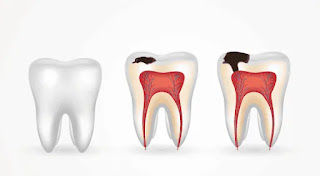
Our mouths can be early warning systems for too much sugar. Frequent sweets provide easy fuel for the bacteria that cause plaque and tooth decay. Sipping sweetened beverages through the day bathes teeth in sugar, which can lead to more cavities and sensitive gums. You may also notice a drier mouth, which can worsen dental problems and cause bad breath.
Sticking with regular brushing and flossing is essential, and so is cutting back on the frequency of sugary snacks. Drinking plain water after meals and snacks can help rinse your mouth. If you find your dentist is mentioning more trouble spots than usual, it might be a good time to look closely at how much sugar is slipping into your day.
9. Weight creeping up, especially around the middle
Weight gain can have many causes, but a steady drip of extra sugar is a common one. Sugary foods and drinks pack a lot of calories without helping you feel full for long. That makes it easy to overdo it without realizing. Over time, extra sugar can encourage fat storage around the belly, which is linked to higher risks for heart disease and type 2 diabetes.
If you notice your waistband feels tighter or your weight is inching up even though you have not changed much else, consider how often you reach for sweetened foods or drinks. You do not have to remove sugar entirely to see results. Even trimming back a little—such as replacing one sweetened drink a day with water or tea—can make a difference over weeks and months.
How to gently cut back without feeling deprived
Making progress with sugar is easiest when you keep it simple and steady. Start by noticing where most of your sugar comes from. For many people, it is beverages, packaged snacks, condiments, and desserts. Choose one area to adjust for a week or two, and give your taste buds time to catch up. They will. Most people find that after a short period, naturally sweet foods like berries or apples taste more satisfying.
Balanced meals help a lot. Including a source of protein and healthy fat, such as eggs, chicken, fish, tofu, beans, nuts, or yogurt, can keep you full longer and steady your blood sugar. Adding vegetables and whole grains provides fiber, which slows digestion and reduces cravings later. When your body feels nourished, it is far less likely to demand a sugar boost mid-afternoon.
Smart swaps are your friend. Try sparkling water with a slice of lemon or cucumber instead of a sugary soda. Choose plain yogurt and add your own fruit rather than buying pre-sweetened cups. If you enjoy dessert, have a smaller portion and savor it slowly. You will likely find that eating mindfully helps you enjoy treats more while eating less overall.
Reading labels can be enlightening. Sugar hides under many names, including words ending in “-ose” and syrups. If a product lists sugar early in the ingredients or includes several types of sweeteners, it may be worth finding a lower-sugar option. Aim for changes you can comfortably maintain rather than quick fixes that do not last.
When to check in with your healthcare provider
If several of these signs ring true and you have been feeling off for a while, it is wise to talk with your doctor or nurse. They can review your symptoms, medications, and overall health, and may suggest simple tests, such as checking fasting glucose or A1C, to see how your body is handling sugar over time. This is especially important if you also notice blurry vision, numbness or tingling in your feet, slow-healing cuts, or unintentional weight loss.
Partnering with a healthcare professional can help you create a practical plan that fits your lifestyle, tastes, and goals. Many people feel better quickly with small, consistent steps—better energy, clearer thinking, calmer digestion, and a more comfortable body.
Bringing it all together
Too much sugar can show up as constant cravings, energy crashes, increased thirst, brain fog, dry skin, digestive upset, achy joints, dental trouble, and slow but steady weight gain. You do not have to experience all of these signs for sugar to be a factor. Even noticing two or three can be a helpful prompt to make gentle changes.
The good news is that your body responds quickly. Within a couple of weeks of trimming back added sugars and choosing more balanced meals, many people report steadier moods, fewer cravings, better sleep, and more comfortable skin and joints. Keep your changes simple, give yourself time to adjust, and celebrate small wins. A thoughtful approach today can pay off with more energy and comfort in the months ahead.
If you are unsure where to begin, pick the easiest place to start. Maybe it is replacing your afternoon soda with sparkling water, having a piece of fruit with a handful of nuts instead of a candy bar, or cutting your usual dessert portion in half. Notice how you feel, keep what helps, and let go of what does not. Your body will guide you, and every step forward counts.