
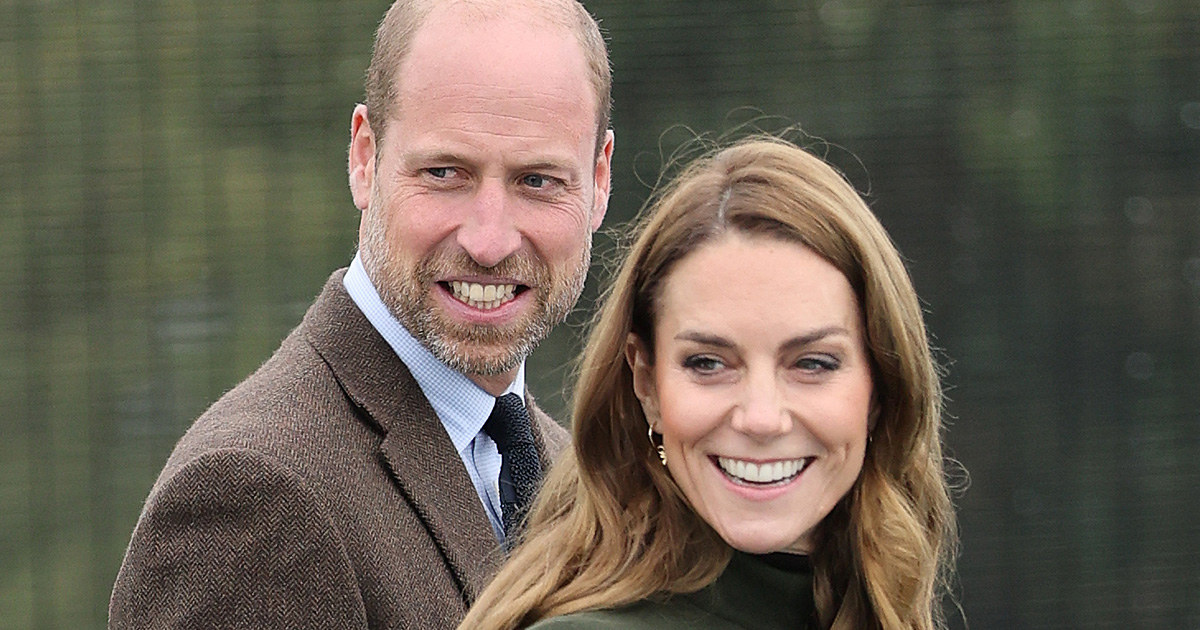
Kate Middleton’s cancer diagnosis in March 2024 marked the beginning of one of the most demanding chapters in her life. It was a moment that paused the familiar rhythm of royal duties and redirected focus to what matters most for many families facing illness: health, home, and each other. Through months of treatment, careful recovery, and a quieter daily life, the Princess of Wales and Prince William navigated profound change together. As they’ve settled into a new home and a gentler routine, insights from royal observers suggest that this difficult period has, in important ways, brought the couple even closer.
Across the United Kingdom and beyond, many watched with concern and compassion as Kate stepped back from public life to undergo preventative chemotherapy. She chose not to disclose the exact type of cancer, a decision that allowed her and her family the privacy needed to focus on treatment. By September 2024, she was reported to be cancer-free, and in January, she shared the hopeful news that she was in remission. For supporters, it was a relief and a reminder of the strength that comes from patience, steady medical care, and the steadfast support of loved ones.
A challenging year that changed everything
For the Princess of Wales, treatment meant far more than simply clearing a work calendar. It reshaped everyday life at home and asked everyone in the family to adjust. With three young children—Prince George, Princess Charlotte, and Prince Louis—the household priorities shifted. William, as both husband and father, stepped forward to shoulder more day-to-day responsibilities. School runs, quiet evenings in, and a steadier home rhythm took precedence over the bustling pace of engagements and public appearances that often define royal life.
Like many families facing a health crisis, the couple had to confront uncertainty together. There were appointments to keep, moments of worry to manage, and the very human work of finding reassurance and calm during late-night hours. They had support, but there are still parts of the journey that must be walked side by side. Amid that reality, observers say William and Kate found renewed closeness as partners—leaning on each other, making decisions together, and protecting time as a family.
Treatment, recovery, and quiet courage
The Princess’s approach to her health—measured, private, and focused—resonated with many. Preventative chemotherapy is physically and emotionally demanding, and it can leave visible and invisible marks. As someone who typically leads a very public life, Kate’s choice to step back was a sign of wisdom and self-care. It also underscored her commitment to recovery so she could return to her life—and her role—steadier and stronger.
By late 2024, as news of her cancer-free status emerged, the tone shifted from worry to cautious optimism. When she later shared that she was in remission, it became a moment not only of personal relief but of wider encouragement for others undergoing their own treatments. The message was clear: recovery takes time, patience is essential, and healing is possible.
Throughout this period, William remained a visible pillar of support. He managed schedules, continued his work when appropriate, and did what countless spouses do in times of illness: he made home the heart of everything. The image of a couple quietly persevering—guiding their children through uncertainty while preserving warmth and routine—has resonated with many families who have faced similar tests.
How illness reshaped family life
For any household, serious illness rewrites the daily script. Meals, rest, medication, school, and work have to fit together in a new way. For the Prince and Princess of Wales, this meant rebalancing responsibilities and choosing where to place their energy. The children’s wellbeing remained central. Protecting time together, simplifying commitments, and avoiding unnecessary stress became guiding principles.
These choices mirror what many families choose in hard times: fewer late nights, more home-cooked meals, quieter weekends, and a renewed appreciation for small, ordinary moments. Bedtime stories, breakfast chatter, and afternoon walks are not just routines—they become anchors, giving children and adults alike a sense of stability. For William and Kate, these routines helped keep the household steady as treatment progressed and recovery took hold.
A marriage renewed under pressure, say experts
According to royal observers, the couple’s bond has not only endured but deepened. Former royal photographer Ian Pelham Turner, speaking with Fox, suggested that the seriousness of Kate’s illness sharpened William’s perspective and brought the couple even closer. He reflected that moments of strain in any relationship can be eased by understanding and steady support, and that in the face of potential loss, the couple’s closeness was rekindled in meaningful ways.
Turner also noted that the pair’s decisions in recent months—favoring a quieter, more private living arrangement over a palace setting—reflect a strong commitment to a grounded family life. Choosing calm over spectacle, and privacy over grandeur, has become a defining feature of their approach.
Royal commentator Hilary Fordwich shared a similar view, observing that hardship often reveals a marriage’s true strength. She suggested that facing adversity together can either pull a couple apart or knit them more firmly together, and that in William and Kate’s case, the outcome has been unity. She also commended the couple for avoiding rumor and gossip, maintaining dignity at a time when speculation can be relentless.
Choosing a quieter home life
Reports have indicated that the family’s move to Forest Lodge in Windsor Great Park aligns with their focus on stability and privacy. The setting is calmer, the pace more measured, and the distance from the spotlight greater. For a family with young children—and especially for one healing from a medical ordeal—these qualities are invaluable.
Living simply does not mean stepping away from duty. Rather, it can mean approaching duty from a place of quiet strength. A smaller, more intimate home base often encourages the kind of family time that nourishes children and gives adults room to breathe. Early mornings can be unhurried, evenings can be peaceful, and weekends can be uncluttered. In this season of recovery, that gentler rhythm appears to suit the Wales family well.
In practical terms, a home that prioritizes privacy also supports medical recovery. Space to rest, opportunities for fresh air and walks, and the ability to avoid unnecessary disruptions help the body and mind heal. Those who have navigated illness within a family will recognize the logic: when life becomes simpler, healing can find more room.
From strain to strength: navigating emotion with grace
Observers have sometimes described Prince William as expressive during moments of pressure. Turner suggested that Kate has long had a calming influence—an anchor in times when emotions ran high. In the wake of her diagnosis, he believes the couple rediscovered the warm closeness that first drew them together. That sense of partnership, rooted in mutual respect, appears to have helped them move through a difficult year with unity and care.
It is not unusual for a serious health challenge to reshape priorities within a relationship. Routines shift, conversations deepen, and gestures of everyday kindness take on new meaning. From making tea to keeping watch during a restless night, it is the small acts that quietly sustain a marriage. Those who have cared for a spouse or partner through illness understand that intimacy is often found in these unspoken moments—shared glances, a reassuring touch, the comfort of simply being there.
Keeping the children at the center
All signs suggest that George, Charlotte, and Louis remain at the heart of every decision. Shielding them from unnecessary attention, while still offering normalcy and joy, has been central. Their routines—school, play, hobbies—provide continuity. At the same time, the children likely sense the change in pace and the new gentleness at home. Parents facing health challenges often find that placing family life first helps everyone cope better, and the Wales family’s choices reflect that wisdom.
It is also natural for children to look to their parents for cues during uncertain times. Seeing their mother resting when she needs to and their father stepping in with steadiness can offer reassurance. In this, William and Kate are modeling a healthy, compassionate response to difficulty: ask for help when needed, give love freely, and let home be a place of warmth and safety.
What recovery looks like in real life
Remission is a word filled with hope, yet recovery continues often long after a formal treatment ends. Energy returns in stages, appetite and sleep patterns adjust, and confidence gradually rebuilds. Kate’s careful re-entry into public life illustrates a balanced approach—respecting her body’s pace, honoring medical guidance, and acknowledging that healing is not a race. Each quiet step forward is a victory, and each day of feeling more like oneself is worth celebrating.
For William, there is comfort in that visible progress. Spouses and partners share the emotional weight of illness, and they also share the relief when the horizon brightens. As the Princess continues to regain strength, the couple’s confidence in the future seems to be growing as well. That sense of forward movement—grounded, unhurried, and steady—may be one of the most heartening signs of all.
Setting an example in the public eye
While the royal spotlight can sometimes feel unrelenting, it also gives William and Kate a unique opportunity to show what resilience looks like. They have done so by prioritizing family, staying gracious in the face of speculation, and maintaining a respectful silence about private medical details. In a world hungry for constant updates, their approach has been refreshingly measured. It respects the truth that health is deeply personal, and that dignity matters.
To many watching, especially those who have faced their own or a loved one’s illness, the couple’s path offers quiet encouragement. It says that strength is often calm, that love can be practical as well as tender, and that recovery is a journey worth traveling slowly. Most of all, it shows that a marriage can not only survive hardship but be renewed by it.
Looking ahead with hope
As the Princess of Wales continues to rebuild her strength and the family settles more fully into the rhythm of their new home, attention naturally turns to the future. Their path forward appears guided by the lessons of the past year: protect family time, keep private matters private, and choose kindness and steadiness over spectacle. If and when Kate returns to more regular public engagements, it will be on the back of this foundation of care and patience.
For Prince William, these months have likely sharpened his sense of what his family needs and how best to meet those needs. Balancing duty with fatherhood and love for his wife is no small task, yet observers say he has handled it with growing assurance. For Kate, every good day is a marker of progress, and every gentle step back into the world is proof of her resolve.
Why these details resonate
There is something universal about the story unfolding in the Wales household. Illness does not spare anyone—families adjust, priorities shift, and love becomes practical. Hearing that experts see renewed warmth and closeness between William and Kate feels deeply human. It reminds us that while titles and traditions may shape their public lives, at home they are like so many others: parents navigating uncertainty, partners caring for one another, and a family choosing to hold tight to what matters.
Ian Pelham Turner’s reflections about a rekindled closeness after such a frightening diagnosis capture a truth many couples know. Hardship can divide or it can unite. Hilary Fordwich’s observation echoes this too: adversity can strengthen bonds when approached with grace. In the Wales family’s case, the signs point to a bond that has grown more resilient, not less.
A season of gratitude
Emerging from treatment and entering remission often brings with it a deep sense of gratitude—for skilled doctors and nurses, for family and friends, for every new morning that feels a little more like normal. It appears that William and Kate are embracing that spirit of thankfulness, choosing a life that supports continued healing and a strong, steady future for their children.
Their home, their routines, and their choices reflect a simple truth: sometimes, the most important steps forward are the quiet ones. In the stillness of a protected family life, strength grows. From that strength, hope follows.
As the months ahead unfold, the public will no doubt see more of the Princess of Wales—perhaps at first in carefully chosen settings, then gradually in a fuller capacity. Whatever the timetable, the grace and resilience she has shown, and the care William has offered, will continue to define this chapter. Together, they are writing a story where love and perseverance guide the way.
For anyone who has walked a similar road, these details ring true. There is heartache, there is fear, and there is also the chance to see one another anew. By all accounts, that is what William and Kate have done—rediscovered not just the demands of duty, but the gifts of partnership. In doing so, they have given many people reason to feel quietly hopeful, not only for the future of their family but for the future they will one day help lead.



