A Familiar Face With a Private Side
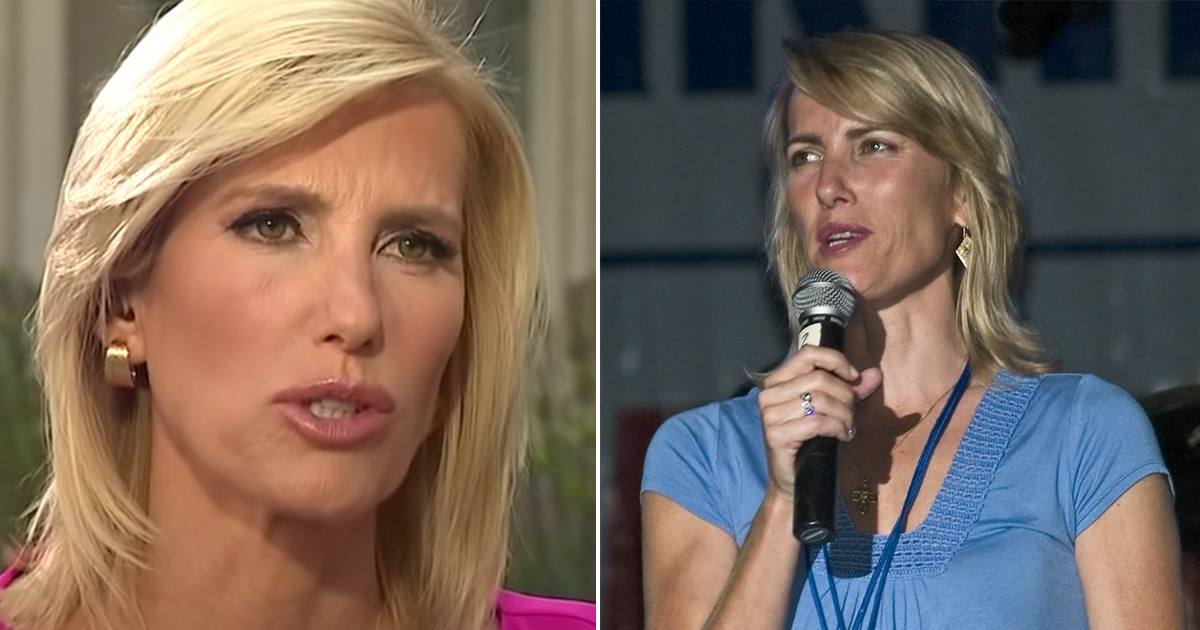
For many viewers, Laura Ingraham is a nightly presence on television, known for confident commentary and brisk debates. She has spent decades shaping political conversations and building a name in an industry where staying power is rare. At 62, she remains one of the most recognizable voices on cable news. Yet away from the bright lights and quick turns of the news cycle, her personal journey is just as compelling. It is a story of working-class roots, academic ambition, sharp turns in career paths, major health challenges, and a family built by choice and commitment rather than convention.
While her on-air style can spark strong reactions, there is no denying the path she carved for herself: from a small town to the Ivy League, from the legal world to Washington’s political circles, and ultimately to the top tier of media. And in a detail that often piques curiosity, she has never married. Understanding how she got here makes that choice easier to see in context—less a mystery and more a reflection of a life lived with purpose and resolve.
From a Working-Class Home to the Ivy League
Laura Ingraham was born on June 19, 1963, in Glastonbury, Connecticut, into a family that understood hard work. Her father, James Frederick Ingraham III, was a World War II veteran who ran a car wash. Her mother, Anne Caroline Kozak, worked at a local school and waited tables to help make ends meet. The youngest of four children and the only girl, Laura grew up in a lively household with three older brothers and plenty of energy to spare. In those early years, politics was not the focus. She spent her time on sports and staying active, the way many kids in small towns do.
After graduating from Glastonbury High School in 1981, she headed to Dartmouth College in New Hampshire. There, her interests widened dramatically. At Dartmouth, she stepped into a leadership role that would shape the course of her career, becoming the first woman to serve as editor-in-chief of The Dartmouth Review, a conservative campus paper known for bold editorial choices and heated debates. It was an environment that demanded a strong backbone, and she found her voice in the process.
That experience also brought controversy. During her time at the paper, an undercover reporter attended a campus LGBTQ group meeting and wrote about it, a move that stirred strong reactions on campus and beyond. She also faced a libel lawsuit from professor William Cole following an article that criticized his class in strong terms. Cole, who was Black, argued in court filings that the paper sought to ridicule and defame Black students and faculty at Dartmouth. Ingraham rejected that view and called the suit misguided. After two years of legal back-and-forth, the case was settled without any payment to Cole, who had sought substantial damages. The episode was a crash course in the real-world stakes of journalism and public controversy, and it pushed her deeper into political communication.
Early Steps in Politics and Law
With graduation behind her, Ingraham went straight to Washington. She worked as a speechwriter, including for the Reagan administration and the Secretary of Transportation, an experience that put her in the rooms where policy and messaging come together. It was an ideal training ground for someone who already knew how to sharpen a point and present an argument.
If he refuses to step down, US Att'y Preet Bharara shd be escorted from his federal bldg by the US Marshal's Staff.
— Laura Ingraham (@IngrahamAngle) March 11, 2017
She then returned to school to earn a law degree at the University of Virginia. Colleagues from her legal years have described her as tireless and quick on her feet, the kind of person who could succeed in a demanding firm. One former coworker called her a force of nature—smart, energetic, and effective—yet not entirely suited to the rigid structures of legal practice. As her views and ambitions matured, it became clearer that the media world, with its fast pace and wide reach, matched her temperament and interests.
Along the way, she also collaborated with prominent conservative figures, including activist Gary Bauer, and contributed to speeches for well-known public officials such as William Bennett. These roles deepened her connections within the conservative movement and honed the rhetorical style that would soon become her signature on air.
Finding Her Voice in Broadcasting
By the mid-1990s, Ingraham pivoted from law and speechwriting to media. She launched an MSNBC program called Watch It!, a springboard into television that helped her develop the on-camera cadence viewers recognize today. Before long, she added radio to the mix, introducing The Laura Ingraham Show in 2001. The program spread quickly across the country, airing on more than 300 stations and on XM Satellite Radio. It was unapologetically political and very much hers, broadcasting from Washington, D.C., and offering a daily blend of interviews, commentary, and analysis.
Her momentum built in other corners of television as well. Guest hosting stints on Fox’s The O’Reilly Factor gave her a national stage. As the 1990s wore on and the Clinton-Lewinsky scandal dominated news cycles, a new generation of conservative female pundits, including Ingraham, caught the media’s attention. The Los Angeles Times dubbed them “pundettes,” a term that reflected both fascination and pushback. Ingraham’s combination of legal-style argument and a direct, no-nonsense manner made her stand out.
Her radio program moved to Talk Radio Network in 2004 and grew steadily. By 2012, Talkers Magazine ranked the show among the biggest in the country, placing it at No. 5. Years earlier, in 1995, she had appeared on the cover of The New York Times Magazine in a feature on young conservatives coming into their own. The signs were clear: she had become a fixture in the national conversation.
The Fox News Years and a Signature Show
In the late 2000s, Ingraham’s relationship with Fox News deepened. In 2008, she hosted a three-week trial run of a show called Just In. Around that time she also broadened her media footprint beyond radio. In 2012, she left Talk Radio Network and moved her radio show to Courtside Entertainment Group, and not long after, she co-founded LifeZette, a conservative news and opinion website that extended her reach into digital media.
The major turning point came in October 2017 with the launch of The Ingraham Angle on Fox News. The show quickly found its audience. By the summer of 2018, it was drawing roughly 2.6 million viewers and ranking among the top programs in the coveted 25 to 54 age bracket for cable news. Those figures reflected a loyal viewership and an approach that resonated with people who preferred sharp, efficient commentary to political small talk.
Through these years, her style remained consistent: brisk, pointed, and grounded in the belief that strong opinions deserve a strong defense. Whether or not viewers agreed with her, they knew what they were going to get. Her program became a place where arguments were made with clarity and conviction.
Public Profile, Private Life
With a career that has unfolded so much in public view, it is natural that people wonder about Ingraham’s private life. She has been linked to several high-profile figures over the years and, at one point, was even engaged. Yet marriage never happened, and today she is single. Rather than regret, what emerges is the picture of someone who stayed true to her priorities, even when that meant making choices that differ from expectations.
Back in her Dartmouth days, she became close with Dinesh D’Souza, an exchange student from India who shared her interest in journalism and public debate. They were engaged for a time but ultimately did not marry. The two remained friendly, and years later, when D’Souza faced legal trouble related to campaign finance, Ingraham wrote in his defense to the court, describing him as generous and compassionate and urging that his life be considered in full context.
Her name also surfaced in connection with other public figures. There was a brief relationship with Keith Olbermann, despite very different political views. In later years, both sides traded criticisms in public, including personal claims and sharp words, a reminder that life in the spotlight often blurs the line between private disagreements and public disputes. She was also linked by the press to former Senator Robert Torricelli and, at another point, to Lawrence Summers, a former president of Harvard University. Those stories remained unconfirmed, more gossip than history, and have largely faded with time.
A Health Scare That Changed the Timeline
Breast cancer patients fare better if they have muscle, according to new study. https://t.co/NHWbATJwec pic.twitter.com/pd8N67ZiB1
— ABC News (@ABC) April 8, 2018
One chapter in Ingraham’s life stands apart for its urgency and consequence. In 2005, she became engaged to businessman James V. Reyes after they met on a blind date. Not long afterward, she received a diagnosis that would alter everything: an aggressive form of breast cancer. She shared the news with radio listeners the day before surgery. Wedding plans were set aside as she focused on treatment.
The months that followed were difficult, but they were also clarifying. She approached chemotherapy and recovery with the same grit that had marked her career—thinking of it, as she later explained, like training for a marathon or preparing for exams. Her determination paid off. She returned to the air and to life beyond hospitals and doctors’ offices, describing her scans as clear and the worst behind her. That experience did more than interrupt plans; it reframed them. For many people, health crises reveal what matters most. Ingraham’s story fits that familiar pattern.
Parenthood Through Adoption
As the years passed, Ingraham made another life-shaping decision: she chose to build a family through adoption. She has often spoken about the joy and meaning it brought to her life. Her daughter, Maria, joined the family from Guatemala. Later, she adopted two sons, Dmitri and Nikolai, from Russia. The three children and their mother make their home in the Washington, D.C., area, balancing school, work, and the everyday routines that knit a family together.
For many people, parenthood arrives in unexpected ways. Ingraham’s path to motherhood reflects a conviction that family is defined by commitment and love, not only by biography. It also reveals a side of her that television can miss: the everyday patience of raising kids, the quiet victories of home life, and the satisfaction of watching young people grow into themselves.
How She Built a Career—and Kept Her Bearings
Looking back over the arc of Ingraham’s life, a few themes stand out. First is resilience. From the rough-and-tumble environment of a college paper to the stress of breaking into national media, from public criticism to a serious health challenge, she stayed focused on what she wanted to achieve. That resolve helped her move from one demanding arena to another without losing momentum.
Second is adaptability. She began in politics and law, then reinvented herself for radio and television, and later expanded into digital media as an entrepreneur. Each shift required learning new skills and trusting her instincts about when to change course. The result is a career that looks less like a single straight path and more like a series of thoughtful turns.
Third is clarity of voice. Whether people agree or disagree with her take on the news, very few would call it confusing. She argues like a lawyer and broadcasts like a seasoned host, which is one reason audiences tune in. It is also why she has remained relevant across different media, different news cycles, and different eras in American politics.
Public Platforms and Private Priorities
Ingraham’s public profile includes lively engagement on social media and other outlets, where she has amplified her views on politics, culture, health, and national debates. She is known for plainspoken posts and quick replies. Sometimes those remarks make headlines; other times they simply reflect her interest in the day’s events. The rhythm is familiar to anyone who follows public figures online: a mixture of advocacy, commentary, and conversation that extends the reach of her nightly show.
Yet for all the public exposure, she has preserved a private life defined by family and the routines of raising children. Weeknights may belong to television, but mornings and weekends feature homework, meals, and the small traditions that ground a household. In conversations about work-life balance, she often frames her choices as practical rather than idealistic, a series of decisions made one at a time, guided by what seemed right for her and her kids.
Why Her Story Resonates
Everyone brings different experiences to a figure like Laura Ingraham. Viewers who watch nightly may admire her directness. Others may disagree with her politics but still respect her perseverance. Many will simply recognize familiar struggles in her life: the unpredictability of careers, the disruption of illness, the challenge of making personal choices in a world full of expectations.
Ingraham’s decision not to marry, despite serious relationships and even an engagement, does not read as a rejection of commitment so much as a reordering of priorities in light of hard-earned perspective. She chose to build her family in a way that fit her circumstances and values. She weathered a health scare that could have knocked anyone off course. And in a profession that thrives on constant change, she has held her ground.
The Takeaway
Laura Ingraham’s path—rooted in a working-class childhood, sharpened by a high-pressure education, tested by controversy, and reshaped by illness and motherhood—has produced a career that continues to attract attention and a personal life that reflects independent choices. She has never tied the knot, and that detail often draws the headline. But the fuller story is about what she did choose: to pursue a demanding career with consistency, to face a frightening diagnosis with resolve, and to open her home and heart to three children through adoption.
For those who have followed her over the years, the result is a portrait of someone both familiar and complex. On television, she is crisp and combative. At home, she is a mother. Between those two worlds, there is a lifetime of work, risk, and recovery. Whether you agree with her or not, it is hard to deny the determination it took to build and sustain such a life. And for many, especially those who have also navigated unexpected turns, that determination is the most relatable part of all.
Her story invites a simple reflection. Lives do not always unfold the way we plan them. Sometimes they become something else—equally meaningful, often richer, and unmistakably our own. Ingraham’s journey, from Glastonbury to primetime, from surgery suites to school runs, shows how those turns can lead to a life that is both public and deeply personal.