A Calm Hand in a Jarring Transition
In the final stretch of his presidency, Barack Obama faced a delicate task. He needed to reassure his staff, his party, and the millions who had supported him that the country would endure the uncertainty of the incoming Donald Trump administration. Even as he worked to lift their spirits, he carried his own quiet doubts. Still, he spoke with conviction that America had survived periods far darker and more dangerous than the political moment at hand.
He pointed to a long national journey that had pushed through slavery, the Civil War, the Great Depression, Jim Crow, and the trauma of political assassinations. To him, the resilience of American institutions—and the steadiness of everyday citizens—offered real guardrails against a free fall. He even wondered aloud whether only a modest slice of his own administration’s work might be rolled back, estimating, at the time, that perhaps fifteen percent was truly at risk.
That steady tone was quintessential Obama. Much of his appeal lay in his temperament as much as in his center-left policies. Even when he absorbed fierce attacks—especially the birther lie that questioned his very identity, which he viewed as rooted in racism and dangerous for his family—he focused on a peaceful transfer of power. It was the example he felt the country needed.
A Candid First Meeting
Still, calm did not mean easy. In their customary Oval Office conversation before the inauguration, Obama was stunned by how little interest Trump appeared to show in the detailed duties of governing. When briefings touched on North Korea or Russia, Trump seemed to brush past them, preferring to talk about rally crowds and personal successes. Obama tried to find common ground, raising the possibility of preserving core achievements like the Affordable Care Act and the agreement to restrain Iran’s nuclear program. Trump said he would consider it, and for a brief moment Obama thought that perhaps a few pillars might stand.
Farewell Moments, Heavy with Meaning
After the election, Obama set out to affirm his belief in democracy’s strength. He traveled to Greece to speak about the ideals of self-government and to thank campaign staff and voters for their faith. Those appearances, hopeful yet exhausting with the future so uncertain, were balanced by heartfelt moments at the White House—an effort to close a chapter with grace and warmth.
One evening, Bruce Springsteen gave an intimate acoustic performance for staff, dedicating a song to Barack and Michelle before ending with music about endurance and dreams. Obama, already thinking about the memoir he would eventually write, hosted a lunch for writers he admired—Zadie Smith, Junot Díaz, Barbara Kingsolver, Colson Whitehead, and Dave Eggers among them. Later, Díaz noted how strikingly optimistic Obama remained, a leader still convinced that the nation would find its footing.
The emotional high point came at a late-night gathering on a chilly January night. Donors and staff mingled with a star-studded crowd—Oprah Winfrey, John Legend and Chrissy Teigen, Paul McCartney, George Clooney, Robert De Niro, Meryl Streep, Magic Johnson, and many more. Questlove deejayed, Stevie Wonder and Solange performed, and Michelle led the Electric Slide, the room bursting with joy and release. As dawn neared, trays of chicken and waffles made the rounds. Chance the Rapper recorded the moment’s glow, calling it a celebration that was historic, Black, and beautiful. Yet beneath the dancing and laughter, there was a quiet ache. The first Black president was handing power to a successor who had shown him open disdain. Janelle Monáe, flushed and smiling from the dance floor, quipped that she had better savor the night—she doubted she would be invited again soon.
Years later, Sharon Malone, the wife of former Attorney General Eric Holder, would recall that evening as the last burst of collective joy in that White House. It felt like a proper farewell to a remarkable era—and the best they could do in a difficult moment.
In Chicago, A Closing Argument
Ten days before the inauguration, Obama returned to the city where his political life had begun to deliver a final address. He spoke frankly about the roots of the country’s division, pointing to widening inequality and a sense among many that the system had left them behind. He urged citizens to listen to one another across racial and ethnic lines, to rebuild a social compact based on trust and shared responsibility. We all have to try a little harder, he said—starting from the premise that our neighbors love this country, too. He pledged to stand alongside them as a private citizen for the rest of his life.
Not long ago, in a conversation reflecting on the decade since, Obama acknowledged that events had indeed tested the optimism he voiced in that speech. The way he has chosen to spend his time—especially with Trump returning to the White House—reveals how he now understands his obligations and also the limits of his role.
Watching the Handover, Then Exhaling
On Inauguration Day 2017, the Obamas sat on the reviewing stand as the ceremony unfolded. Michelle noted how the stage lacked the full reflection of America’s diversity and, after a while, stopped trying to keep a public smile in place. Trump’s bleak “American carnage” message only spotlighted the contrast in tone. Soon after, the Obama family departed for a long-delayed vacation in Palm Springs. On the plane, Michelle finally let the weight of eight years fall away, crying as she described the pressure they had carried—along with the troubling reality that the threats against their family had far outpaced those faced by many predecessors.
Even with the sting of defeat for his party, Obama left office proud of core accomplishments: helping pull the country from a deep recession, stabilizing the auto industry, passing the Affordable Care Act, agreeing to the Paris climate framework, affirming marriage equality, negotiating the Iran deal, and renewing ties with Cuba. He looked forward to a quieter season. He used to imagine slipping onto a park bench without notice or buying a snack at a corner shop without being recognized. The loss of privacy had been one of the most difficult parts of the presidency. In the ease of life after, he found something to appreciate, often joking that being an ex-president might just be the best job in politics.
First, Family and Rest—Then What Comes Next
History offered him examples of how to shape a meaningful post-presidency, from Washington to Carter. In the beginning, his agenda was simple: rest, reconnect with Michelle, Malia, and Sasha, and step away from the daily current of politics. There were late mornings, time to read, exercise, and travel. He felt he owed Michelle that reset after years of unrelenting demands. But the question of what meaningful contribution should follow was never far from his mind.
He poured fresh energy into the Obama Presidential Center on Chicago’s South Side, where the Obama Foundation would train rising leaders and help strengthen civic life from the ground up. The center’s opening on Juneteenth was chosen for its symbolism, linking the work ahead to a long legacy of freedom and progress. He counseled younger Democrats, returned to the campaign trail when elections approached, and helped recruit and support candidates. In parallel, the family secured their financial future through book contracts, speaking engagements, and media partnerships, and they settled into a life that included homes in Chicago, Washington, Martha’s Vineyard, and Hawaii.
Public Expectations and Private Balance
Even as he tried to maintain perspective, some supporters grew impatient during the early months of the Trump years, especially as policies like the travel ban and later family separations took hold. Photos of Obama kite surfing or spending time on yachts with celebrities drew murmurs of criticism, including from well-known commentators. Still, the travel continued, as did the public moments that were hard to avoid for a former president with a global profile.
As Trump’s first term lurched from controversy to controversy and the January 6 attack shook the nation, and as the turbulence of the 2024 campaign ended with Trump returning to power, a familiar question resurfaced: Where is Obama? In the past, his rise had been marked by his opposition to the Iraq War; even so, he respected the quiet restraint of predecessors like George W. Bush, who largely avoided criticizing successors. Trump, for his part, discarded those unwritten norms. He never reached out, and Obama did not invite him to the Obama Presidential Center’s opening.
Some former aides and Democrats were candid about their frustrations. They wanted Obama to speak with the urgency they had heard from him at pivotal points, especially on race and democracy. They hoped he would lead the charge against the forces they believed were undermining core institutions. Meanwhile, Obama’s popularity remained high, especially among Democrats and younger Americans, leaving an open question about how visible he should be as the party’s standard-bearer.
The Value of Choosing Your Moments
Obama has explained why he does not chase every headline. If he publicly swatted at every provocation, he argued, he would become one more running commentator, and the weight of his voice might fade just when it was needed most. Instead, he has stayed engaged behind the scenes—campaigning when it could help, raising money for candidates and causes, and creating work that reaches people outside traditional political audiences.
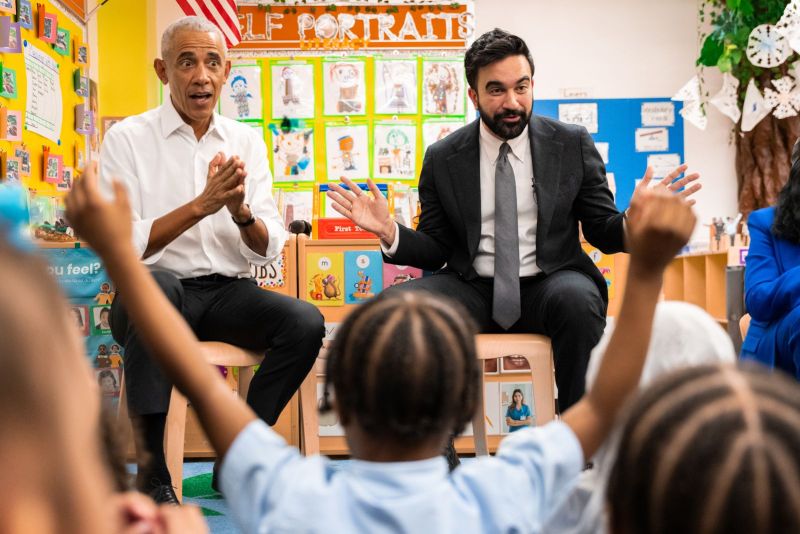
Through careful use of modern platforms—from streaming projects to podcasts to conversations with young creators—he has found that a thoughtful clip or a candid exchange can travel further than a formal lecture. He understands the pull from his supporters to step in more forcefully, but he also recognizes the tug at home. Michelle values their quieter life together, and honoring that balance matters. For him, those calls to action are a sign that many Americans still care deeply about decency, fairness, and democratic norms. Beneath the noise, he remains convinced that progress on equality and opportunity has staying power.
Crossing Paths, Holding Boundaries
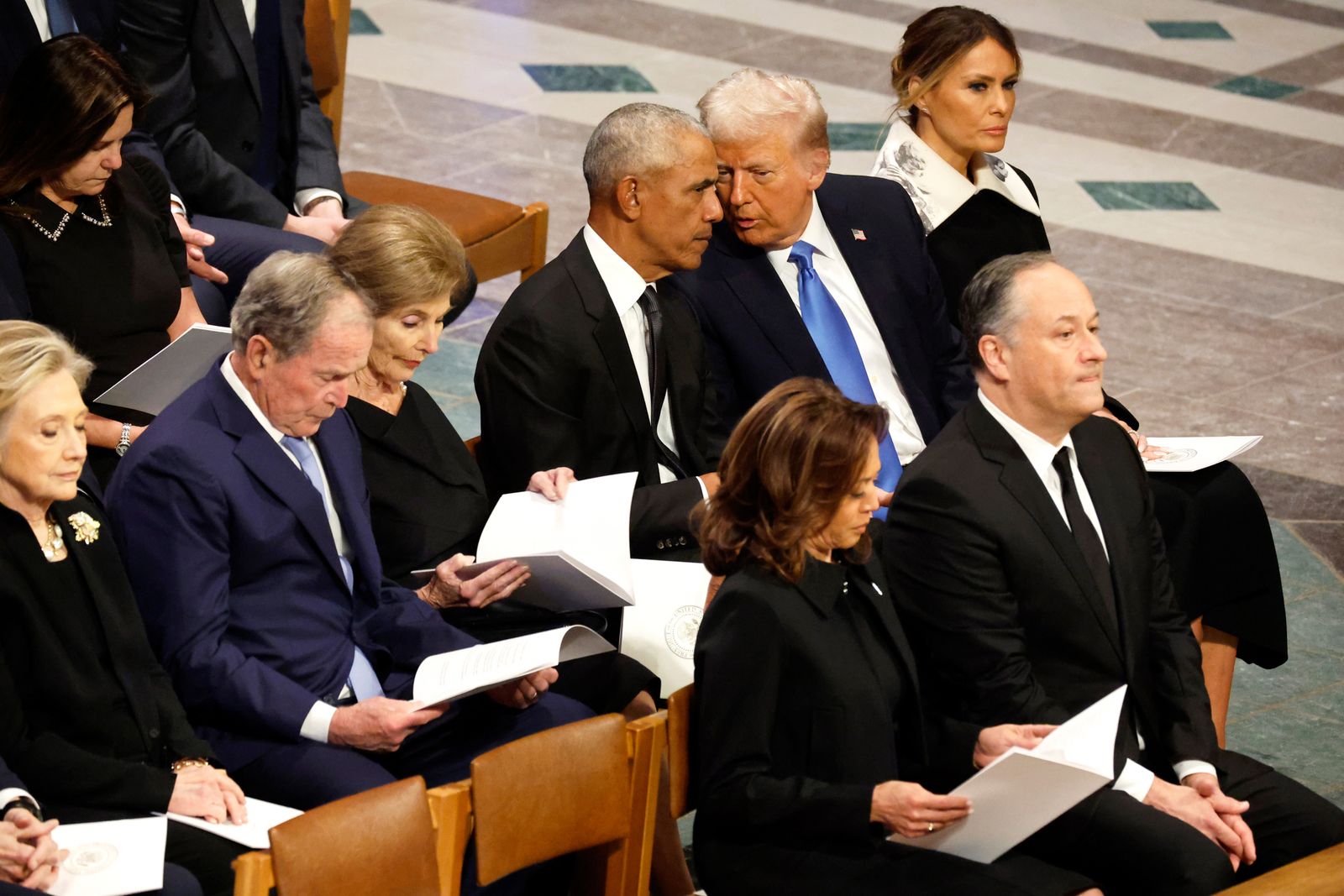
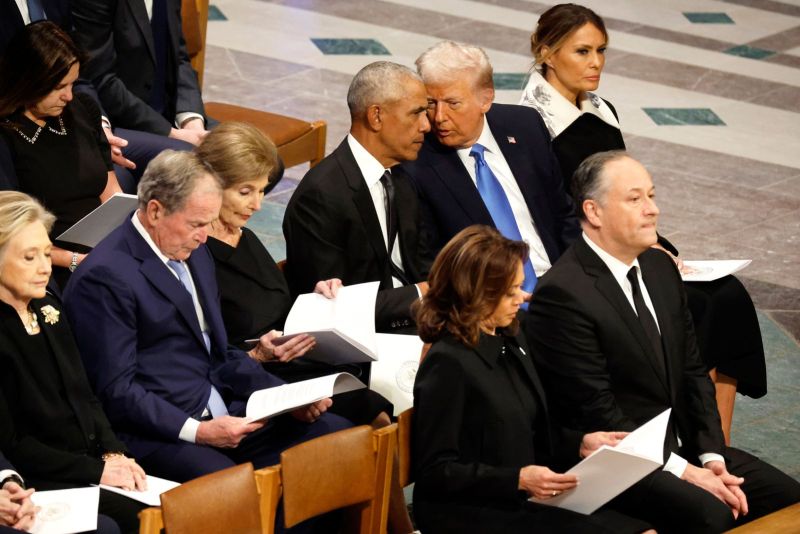
On rare occasions, Obama and Trump have found themselves in the same room, including at the funeral for Jimmy Carter. Public barbs have persisted, but Obama tries to let most of that roll past. He draws a clear line at attacks on his family or rhetoric that makes light of grave national concerns. Dignity and proportion, he believes, still matter—especially for those who have held high office.
A Legacy Built to Last on the South Side
The Obama Presidential Center has become a central piece of his long game. Designed as a welcoming campus in the community that shaped him, it blends spaces for learning, reflection, and leadership development. It reflects his roots as a community organizer—a place to build capacity, not just celebrate history. Programs like My Brother’s Keeper focus on opening doors for young people of color, connecting mentorship with opportunity. The goal is patient, generational work: develop the next cohort of changemakers, and good things will follow in cities and towns across the country.
Alongside the center, he and Michelle have continued their storytelling through Higher Ground Productions. Their projects, from documentaries to series centered on everyday experiences, try to lift up voices that too often go unheard. The themes—resilience, empathy, and the beauty of everyday life—mirror the values they embraced in the White House and beyond. If politics can sometimes harden people, stories can soften them, inviting viewers to see their neighbors in a fuller light.
Looking Outward in a Complicated World
From the vantage point of a former president, the global picture weighs heavily. Obama worries about frayed alliances and the tendency to turn inward just when shared challenges demand cooperation. He names artificial intelligence, climate change, and international stability as areas that require not only technical skill but moral clarity. To him, American leadership is not about swagger; it is about setting an example others want to follow, treating partners with respect, and keeping human dignity at the center of policy.
What Endures—and What Comes Next
Obama does not accept the idea that another leader’s successes or loudest headlines erase his own legacy. He is convinced that a durable majority still believes in the onward march his administration pushed forward—access to health care, cleaner energy, fairer rules, a more inclusive society. He also knows that democratic life is a long game, with stretches that feel discouraging and others that open new paths almost overnight.
These days, his approach blends reflection with action. He steps up when his presence can make a difference, he invests in the next generation, and he tries not to confuse constant visibility with real influence. He is mindful of his family’s needs, determined to show that a public life can still leave room for private joy. And he holds onto a patient optimism—a belief that, despite setbacks, Americans continue to widen the circle of who counts and who belongs.
For those who watched the White House dances and the tearful farewells, who remember the tough legislative fights and the quiet, late-night decisions, this chapter makes a certain sense. It is a season of shaping rather than steering, of building rather than broadcasting. The work now is to light paths and hand off tools to others who will carry them farther. In that way, the man who once told the country that hope is not blind faith but hard-earned confidence is still living by that creed—one careful step at a time.
If you are old enough to remember other uncertain chapters, you know that the country has a way of regaining its balance. Obama’s lens on this moment rests on that perspective. Hold steady, help where you can, and do not confuse the loudest voice for the truest one. Find hope in the young people learning to lead, in neighbors who look out for one another, and in the small, stubborn kindnesses that keep communities strong. That, as much as any speech, is how a legacy lives on.