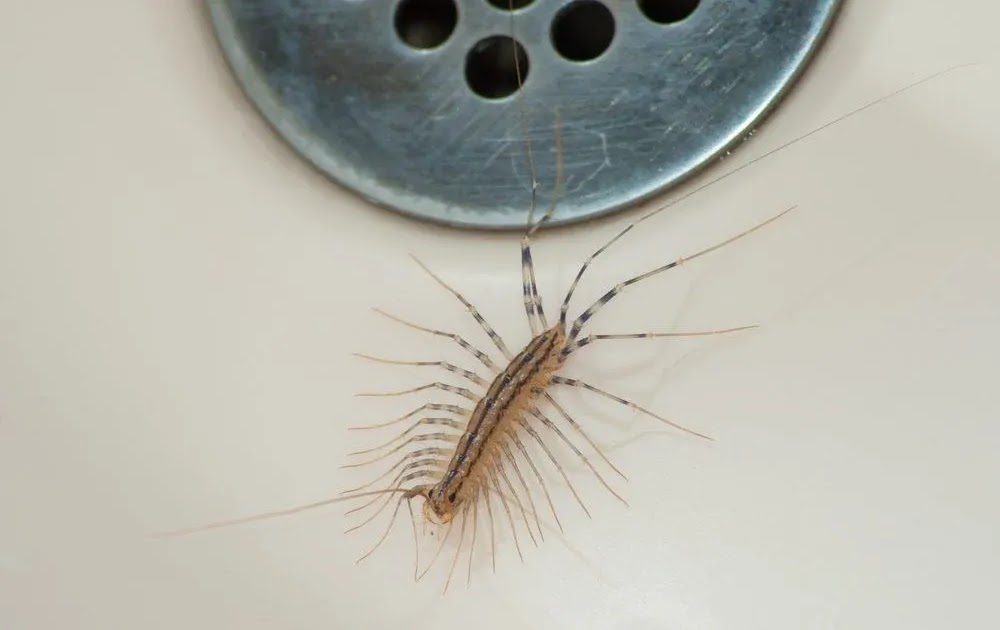
A kinder look at the quick little helpers in our homes
Few things make us move as fast as seeing a centipede dash across the bathroom floor. Those long legs and speedy movements can be startling, and it is perfectly natural to feel uneasy. But before you reach for a shoe or a spray, it may help to know that these quick little visitors are often doing you a favor. In many cases, the best thing you can do is let them be or gently move them outdoors.
If you are between 45 and 65, you have likely seen plenty of home remedies, pest control fads, and old wives’ tales about what to do with creepy crawlies. Centipedes are one of those creatures that are widely misunderstood. With a calm look at the facts, you may discover they are quiet, effective housemates that keep far more troublesome pests under control, all without damaging your home or your health.
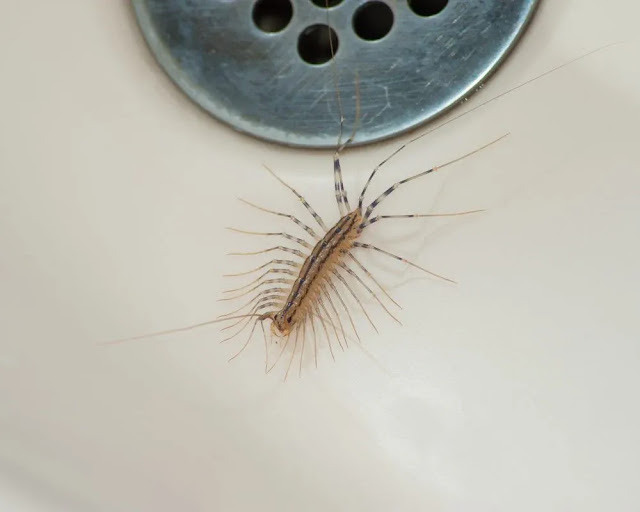
Meet the house centipede
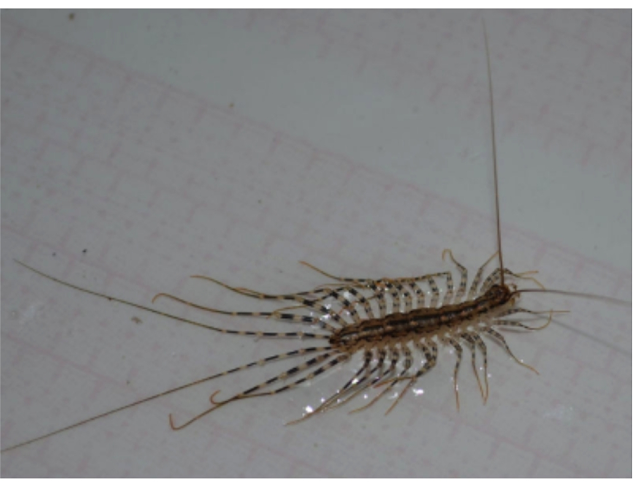
Most centipedes people encounter indoors are house centipedes. They are easy to recognize: a slim, tan or grayish body with darker stripes and very long, delicate legs that fan out. They move quickly because they are hunters, not because they want to bother you. Unlike many pests, they do not chew your furniture, damage your home, or nibble on your food. They are here for one reason—other bugs.
It also helps to know what they are not. Centipedes are not the same as millipedes. Millipedes are slower, rounder, and usually curl up when touched; they mostly eat decaying plant matter. House centipedes are flatter, faster, and built for catching other pests. When you see a centipede racing along a wall, think of it as a tiny, self-guided pest control service making its rounds.
Natural pest control without chemicals
One of the best reasons not to kill centipedes is that they help take care of the pests you truly do not want in your home. House centipedes prey on roaches, silverfish, moths, flies, termites, ants, bed bugs, and even small spiders. They are efficient hunters and often catch the pests that are hard for us to reach, such as insects hiding behind baseboards, inside drains, under appliances, and in wall voids.
Because they hunt for a living, centipedes reduce the need for chemical sprays and foggers. For anyone who worries about strong smells, sensitivities, or the long-term effects of pesticide residues, this is very good news. By letting a few centipedes do their work, you naturally lower the number of pests without adding anything to the air or the surfaces of your home.
This is especially helpful in older homes where gaps, vents, and basements invite moisture and insects. Centipedes can squeeze into small spaces and patrol places we rarely see. If you allow them to do their job for a while, you may notice fewer moths in your closets, fewer silverfish in storage boxes, and fewer unwelcome nighttime visitors skittering across the kitchen floor.
Low risk to people and pets
It is understandable to ask whether centipedes are dangerous. The short answer is that house centipedes are not considered dangerous to people or pets. They can bite if pressed against the skin, much like a bee can sting if it feels trapped, but this is uncommon. If a bite does occur, it is usually a brief, mild reaction that fades on its own, similar to a bug bite. They do not carry diseases like some insects might, and they do not spread germs onto surfaces.
As with any bug bite or sting, if you have sensitive skin or an allergy, monitor how you feel and seek medical guidance if you notice unusual reactions. For most people, though, a centipede does not pose a serious risk. In fact, you are far more likely to be harmed by the pests centipedes eat, such as roaches that can trigger asthma or moths that can damage fabrics. From that perspective, centipedes act more like a shield than a threat.
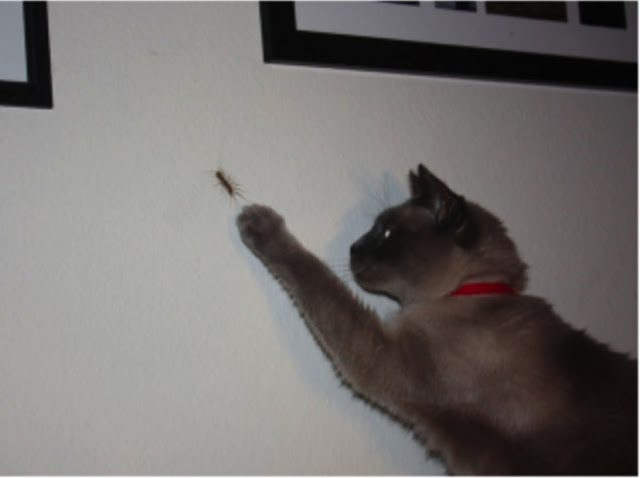
Pets often ignore centipedes or try to play with them. If a dog or cat manages to catch one, it usually loses interest quickly because centipedes are not tasty. While it is wise to discourage your pet from eating bugs in general, a brief encounter with a house centipede typically does not lead to more than a little surprise.
They do not damage your home or belongings
Many household pests come with a cost. Termites can chew wood, roaches can contaminate food, and clothes moths can ruin sweaters and blankets. House centipedes do not cause that kind of damage. They do not eat wood, paper, clothing, or food. They have no interest in your pantry, electrical wiring, or furniture. If they take up space in your home, it is usually temporary and for one purpose: to find and eat other pests.
They also do not build nests in the way that some insects do. You will not find a large hive or pile of droppings left behind by centipedes. They are light on their feet and light on your home. Most of the time you will see one sprint by and then not see another for weeks or even months.
An early signal something else is going on
Seeing a centipede now and then can be a helpful clue about your home environment. House centipedes prefer moisture, so they often appear in bathrooms, basements, laundry rooms, or areas where a pipe may have a slow leak. If you notice them regularly, it may be worth looking for a damp spot, checking caulking around tubs, or inspecting the area around a water heater.
They can also be a sign that other insects are around, which means the centipede is already working to reduce that population. This can guide your next steps. If you take care of a moisture issue and seal a few small cracks or gaps, you make your home less welcoming to the pests that centipedes hunt. As those pests move out, centipedes often move out, too.
Cleaner air and fewer chemicals
For many people in midlife and beyond, air quality and comfort at home matter more than ever. Strong sprays, repeated fogging, and powders can linger in the air and on surfaces. Centipedes offer a quieter, lower-impact approach. By allowing a natural predator to do part of the job, you reduce how often you need to treat your home, and you can be more selective when you do use a product.
This does not mean you have to welcome a parade of centipedes. It simply means that if you encounter one or two, pausing before you swat can serve your health and your home. A live-and-let-live mindset for these particular visitors pays off more than you might expect.
Calm, gentle ways to respond when you see one
If a centipede’s speed makes your heart race, it helps to have a simple plan. A time-tested method is to place a cup or small container over the centipede, slide a piece of stiff paper or thin cardboard underneath, and carry it outside to a garden bed, leafy area, or compost heap. Outdoors, it will continue eating pests that might otherwise come back inside.
If you prefer not to handle it at all, you can encourage it to leave by opening a nearby door to the outside and gently guiding it with a broom toward the opening. Centipedes do not want to run into you any more than you want to run into them. Turning off the bright lights and giving it a few minutes can also help it find a path away from you.
For those who truly cannot bear to see them indoors, focusing on prevention is effective. Reduce moisture by running a bathroom fan after showers, fixing drips promptly, and using a dehumidifier in damp basements. Seal gaps around pipes under sinks, and close cracks along baseboards. Tidy storage areas so pests have fewer hiding places. When the conditions that attract insects improve, centipedes naturally become rare guests.
Myths, cleared up
There are a few persistent myths about centipedes that make them seem scarier than they are. One common belief is that centipedes will overrun a home once they are inside. In reality, they do not reproduce rapidly like roaches or ants; their numbers usually remain small because their food supply is limited. If you see one, it is more likely a single hunter passing through than the beginning of a swarm.
Another misconception is that all centipedes are highly venomous to people. While centipedes do have venom to subdue their prey, house centipedes are not considered medically significant to humans. Their venom is meant for tiny insects, not for us. A cornered centipede can nip, but most people either feel nothing or experience a mild, short-lived irritation. Compared with many other household pests, they are among the least troublesome to human health.
It is also worth noting that centipedes are not an indicator of an unclean home. Even well-kept houses with good hygiene can have the occasional centipede, especially in older buildings with character and a few gaps. Moisture and the presence of other insects are the more important factors, not cleanliness.
Why tolerance pays off
Letting a centipede live can feel like a small act, but it often leads to a more comfortable home. When you allow nature’s pest control to operate, the balance shifts in your favor. Fewer roaches, fewer silverfish, fewer moths, and fewer nighttime surprises make for easier living, and all without a shelf full of sprays.
There is also a practical side. Repeatedly chasing pests with chemicals can add up in cost and time. A centipede, on the other hand, does not need a contract, a schedule, or a warning label. It works for free and goes wherever the other bugs hide. Seeing them as allies rather than enemies removes a little stress, and that is something we can all appreciate.
When to consider extra help
While centipedes are useful, there are times when you may wish to bring in a professional. If you continue to see many insects even with good prevention, or if you are uncomfortable with any indoor pests, a reputable pest control specialist can evaluate your situation. Share that you prefer a light-touch approach and minimal chemical use; many professionals now offer targeted, low-impact treatments that work alongside natural predators.
If you live in a region with different species of centipedes, especially larger outdoor varieties, your local extension office or a knowledgeable professional can help identify what you are seeing. House centipedes, the ones most often inside, are generally small to medium in size with very long, delicate legs and a striped appearance. They are the ones that quietly help manage other bugs indoors.
Creating a home that centipedes quietly patrol—and eventually leave
Many households find that a few simple steps lead to a pleasant balance. Address moisture where you can, such as using exhaust fans and fixing small leaks. Seal easy entry points like gaps around pipes or spaces under doors. Keep storage areas tidy, especially cardboard boxes and fabric bins where silverfish and moths might hide. With fewer insects to eat and less moisture to enjoy, centipedes lose interest. They come, they tidy up by eating pests, and then they move along.
In the meantime, if you spot one, pause and remember what it is doing for you. That quick dash along the wall is often a sign that your own private pest patrol is on duty. Give it a moment, and the little helper will likely be gone before you know it, leaving a quieter, more comfortable home in its wake.
A friendly closing thought
Not every creature that startles us is our enemy. Centipedes may never be cute or cuddly, but they are purposeful and polite houseguests. They keep to themselves, make no mess, harm nothing you own, and work steadily on the very pests we dislike most. The next time you see one, consider letting it live—or helping it outside if you prefer. You may find that this small act of patience pays off in fewer problems and a calmer home.
So the next time a swift little centipede appears, take a breath. Remember what it is really there for, and choose the easy path. A gentle catch-and-release, a little moisture control, and a few sealed gaps can take you a long way. With that, you can skip the stress, skip the sprays, and enjoy a home that stays comfortable the natural way.