
A winding start far from Hollywood
Before his name was splashed across movie posters and before he was the face of blockbuster adventures, Chris Pratt was living a life that looked nothing like Hollywood. He wasn’t on red carpets or inside studio trailers. He was figuring things out day by day, sometimes sleeping in a van, saying yes to odd jobs to make rent, and wondering where his life might lead. That journey, as unlikely as it sounds, would eventually carry him to the very top of the film industry.
Today, many people know Pratt as the affable, energetic star of major franchises, the man who can carry a movie with humor and heart. It is easy to see the confident smile and assume the path was smooth. But his story began with uncertainty, hard choices, and a willingness to try whatever it took to keep moving forward, even when the future was unclear.
Born in Minnesota and raised in Washington state, Pratt gave college a try after high school, enrolling at a community college with the same hope many young people have: that a clear plan would take shape. It didn’t. After a short time, he sensed it wasn’t the right fit. He stepped away, not because he had a polished backup plan, but because he trusted the feeling that he needed a different path. In the meantime, he took on a variety of small jobs and even tried some unusual gigs, including a brief stint as a party dancer and stripper, doing what he could to keep money in his pocket while he sorted out his next move.

Finding freedom on an island, with little more than a van
At nineteen, life handed him a spark of possibility in the form of a one-way plane ticket to Hawaii from a friend. He accepted, not fully knowing what he would find when he touched down. There was no apartment waiting, no professional opportunity lined up. What he did have was the willingness to start fresh, a sense of adventure, and a van that became his temporary home.
By most measures, that setup sounds difficult. But Pratt later described those months not as a time of hardship, but as a kind of freedom. He worked just enough hours to cover basics and then spent the rest of his days outdoors. Surfing. Fishing. Breathing in ocean air. Watching sunsets. With minimal possessions and no strict schedule, he found a rhythm that was simple and restorative. It was a season of life that allowed him to be present, to learn who he was when the noise of expectation faded. For many who remember their own early years of discovery, the picture of a young man sleeping under the stars and listening to the waves may bring back memories of simpler moments that shaped who they became.
Of course, surviving in paradise still required resourcefulness. Pratt said yes to any job that paid the bills. He cleaned, served, lifted, and hustled, taking honest work where he could find it. He even accepted the occasional offbeat gig, including dancing at parties for quick cash when the opportunity arose. None of it was glamorous, but all of it was part of learning how to stand on his own two feet. In retrospect, that humble period helped him build resilience and the kind of grounded perspective that would serve him well later, when large paychecks and attention finally arrived.
A chance meeting that opened a door
Life’s turning points do not always look dramatic at first. For Pratt, one arrived during an ordinary shift at a restaurant in Maui. He was working as a server, focused on the tasks of the day, when a new table was seated. The guest happened to be actress and filmmaker Rae Dawn Chong. During their conversation, Pratt did something simple and brave: he said out loud what he wanted for his life. He told her he wanted to be an actor.
That honesty changed everything. Chong saw in him a spark—confidence, charm, a quality that can’t be taught. She invited him to audition for a small independent project she was putting together. The offer was not a golden ticket or a guaranteed career. But it was a door, and it was open.
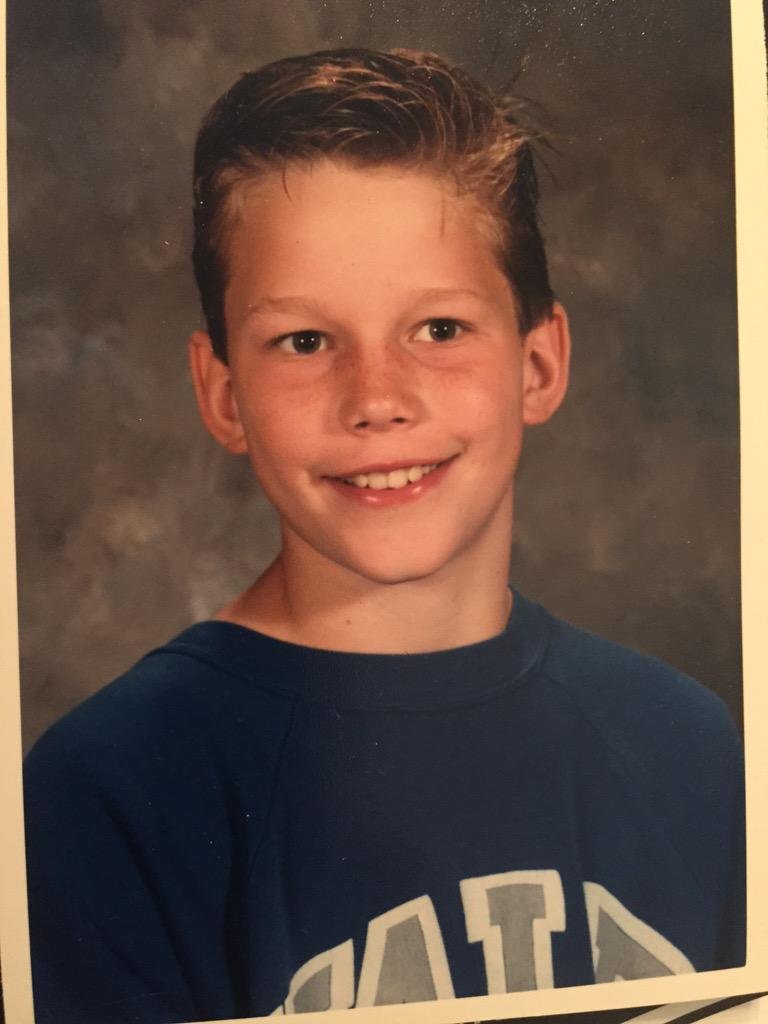
The first yes, and the courage to keep going
The film itself didn’t become a hit, and there was no sudden burst of fame. Still, the experience was transformative. It proved to Pratt that acting wasn’t just a far-off daydream. It was something he could do, something he now knew he wanted to chase with real commitment. Soon after, he packed his bags and traded the quiet beauty of Hawaii for the bustling uncertainty of Los Angeles, joining the ranks of thousands of hopeful performers.
Those early Los Angeles years were not easy. To pay rent, he picked up shifts in restaurants again, this time while hustling from audition to audition. He has joked that he wasn’t the world’s best waiter and admitted there were times when the money felt painfully thin. Rejection is part of any acting career, and he heard the word no more times than he could count. Yet he kept showing up. He learned to shake off bad auditions, to prepare better for the next one, and to trust that persistence mattered as much as raw talent.
There is something deeply relatable about this stage of his life. Many people, especially those who have lived long enough to weather a few storms, understand that success is almost always built on ordinary days spent doing unglamorous work. The phone call that changes everything often comes after months or years of patient effort and quiet belief.
Small roles, steady progress, and a breakthrough
Pratt began to book parts, first here and there, then more steadily. Slowly, people started to take notice. He landed a significant role on the television drama Everwood, a milestone that gave him both visibility and valuable experience. After that came appearances on The O.C., where he showed a knack for playing characters with warmth and humor. Not long after, he turned up in Moneyball, giving a performance that hinted at a dramatic range many hadn’t yet seen from him.
Persistence eventually paid off. The line sounds simple, but behind it sits a mountain of early mornings, late nights, and the quiet decision to keep trying. Each role added another brick to the foundation he was building, and with each step, the industry began to view him not as a newcomer but as a dependable, engaging performer.
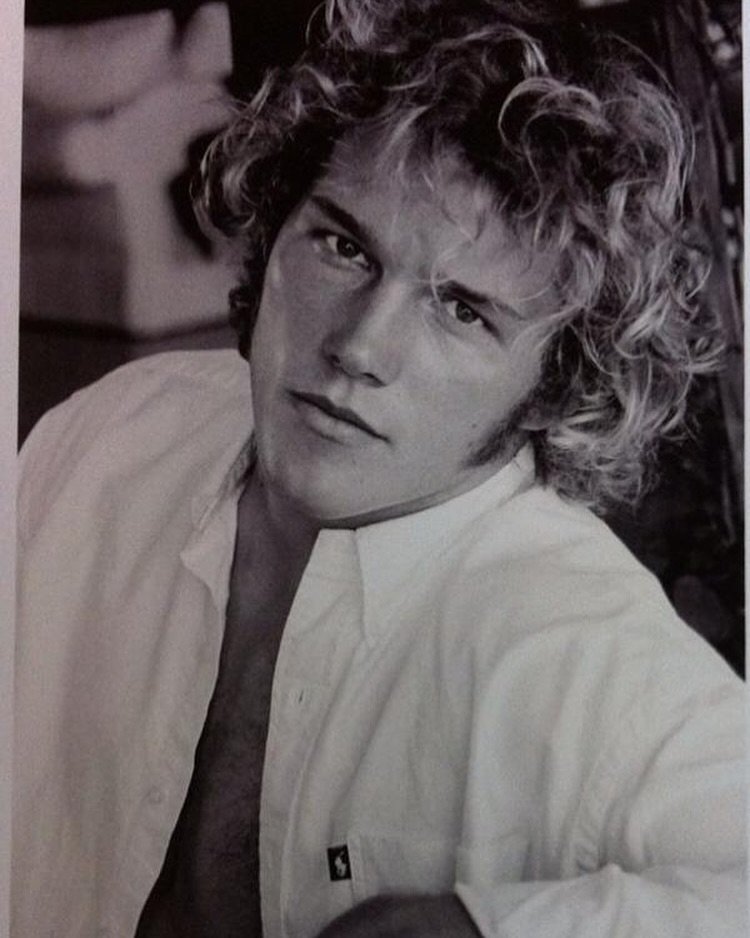
The character who made America laugh
The real shift happened when Pratt was cast as Andy Dwyer in Parks and Recreation. The role was written as a lovable goof, but what he brought to it was special. He made Andy charming, earnest, and impossible not to root for. Viewers connected with the character’s big heart and silliness, and in the process, they connected with Pratt himself. The series became a warm, funny staple for many households, and week after week, his face, timing, and natural comedic rhythm helped make the show sing.
That period was more than a career checkpoint. It was a turning point in how audiences felt about him. He wasn’t just a talented actor; he felt like someone you could know, the kind of person who laughs easily and lifts the mood of a room. The momentum from Parks and Recreation opened doors that had once seemed firmly shut.
From familiar sitcom face to box-office leader
After television came a leap to the biggest stage of all: the modern movie blockbuster. When he led Guardians of the Galaxy, plenty of viewers were surprised to see the guy who had once played the lovable Andy now anchoring a space adventure. The surprise lasted about ten minutes. He was quick, witty, believable, and full of the energy a star needs to carry a film. Guardians became a phenomenon, cementing him as a leading man audiences would happily follow.
Then came Jurassic World, a revival of one of cinema’s most beloved franchises. Once again, he brought an approachable confidence to a role that demanded both action and heart. From there, more projects followed, and the numbers spoke for themselves. He had become one of the industry’s most bankable stars, commanding the kind of salary and attention that would have seemed impossible during those van-dwelling days in Hawaii.
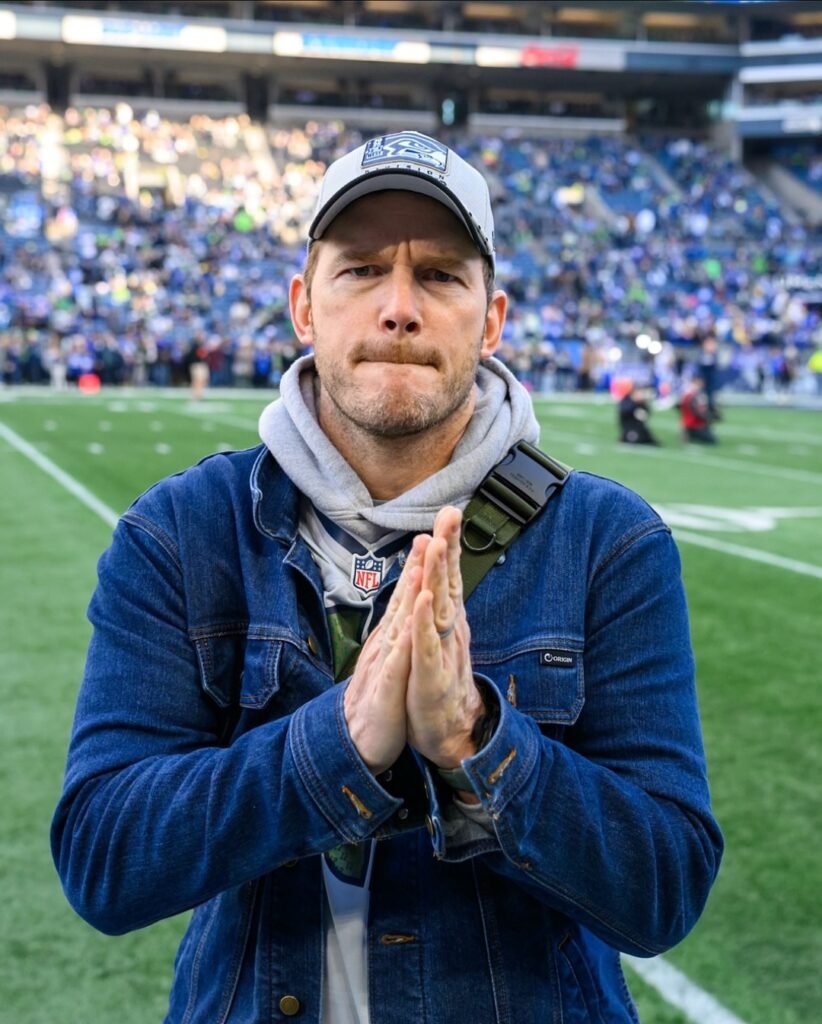
Looking back with gratitude, not regret
What makes Chris Pratt’s story linger is not just the list of successes but the way he talks about where he started. He has often described his Hawaii years with affection, calling them a time of freedom rather than misfortune. That framing matters. It reminds us that what looks like a detour can become the stretch of road that prepares us for what’s next. Sleeping in a van didn’t define him. Working odd jobs, including doing dance routines for cash when needed, didn’t diminish him. Those experiences taught him how to be adaptable, patient, and willing to embrace uncertainty—all traits that later helped him take on demanding roles and challenging schedules with steadiness.
Many people in midlife understand that the chapters we live through in our teens and twenties echo for decades. We carry forward what those years teach us: how to make do, how to hope, how to treat people kindly even when we’re tired. Pratt’s story makes that truth visible. He didn’t become a different person when the cameras started rolling; he became a more confident version of the person he had always been.
Lessons for anyone charting a new course
There is a reason this journey resonates so widely. It reminds us that a life is not a straight line. You can drop out of one plan and still end up exactly where you’re supposed to be. You can take a job simply because it pays the bills and still learn something that helps you later. You can say yes to an unglamorous opportunity—like a one-way ticket and a van—and find that it leads to friendships, skills, and clarity you would never have gained otherwise.
It also underscores the value of speaking your goals aloud. The moment at that Maui restaurant wasn’t scripted. It was an ordinary workday, and yet, by saying I want to be an actor, Pratt opened himself to possibility. The invitation that followed was not guaranteed, but it was an invitation that would never have arrived if he had stayed quiet. For anyone contemplating a change—switching careers, reviving an old hobby, or taking on a challenge—it is a gentle nudge: say what you want. You never know who will hear you or what door might swing open.
And then there is the matter of perseverance. The glamorous parts are easy to admire; the years of practice and rejection are easier to overlook. But those are the years that forged the habits which made success possible. Showing up. Learning from mistakes. Being kind to coworkers. Staying curious. Keeping humor alive. Those are the traits that carry people not just to the top, but through the pressures of staying there.
The staying power of a grounded star
One of the reasons audiences continue to root for Pratt is that he has never lost the everyday warmth that made them laugh in the first place. Even as his projects grew bigger and his responsibilities multiplied, he held on to a sense of approachability. Viewers see the movie star, yes, but they also see the person who once washed dishes, cleared tables, and counted tips after a long shift.
That combination—professional success and a grounded outlook—has given his career unusual durability. Whether he is quipping his way through a sci-fi adventure or anchoring a high-stakes action story, he brings an energy that feels both larger-than-life and recognizably human. It’s a balance many admire and one that keeps audiences coming back.
A final look at an unlikely, unforgettable journey
In the end, Chris Pratt’s path is a testament to the power of determination and the magic of unexpected opportunities. A teenager who left college, took whatever work he could find—including a brief spell as a party dancer—and lived for a time in a van on a Hawaiian beach grew into one of the most familiar faces in modern entertainment. He didn’t get there because someone handed him a script and a spotlight. He got there because he took chances, worked hard, and believed that even a small open door might lead somewhere worth going.
For anyone who has ever wondered if they started too late or took too many detours, his story offers a gentle reassurance. There is no single right timeline. There is only the next yes, the next honest conversation, the next hour spent practicing a craft you love. Sometimes, that is all it takes to change a life’s direction—one choice, one conversation, one person willing to see something in you, followed by the courage to see it in yourself.
From a van by the ocean to the bright lights of a movie premiere, the distance is measured not just in miles but in moments of faith and effort. That is the heart of Chris Pratt’s journey. And it is why, years from now, people will still tell the story of the young man who chose a risk, embraced the unknown, and found his way to the very center of the big screen.