
A veteran detective’s perspective on a difficult mystery
A retired detective, Jon Buehler, is offering a thoughtful, measured take on the ongoing search for Nancy Guthrie. He believes that even a small, careless oversight by the person responsible could be the very thing that finally unlocks this case. In his view, complicated investigations sometimes turn on the simplest details—a missed step, a stray piece of data, or a quick decision that leaves a longer trail than expected.
Buehler discussed the case in a recent interview with NewsNation’s Brian Entin, drawing on years of experience that include high-profile investigations. His message is both practical and hopeful. While there may be no obvious suspect five months in, the tools available to investigators today are far more powerful than they once were. He suggests that the evidence required to identify a person of interest might already exist in the ordinary digital and vehicle records that so many of us create every day, often without thinking about it.
Where the investigation stands
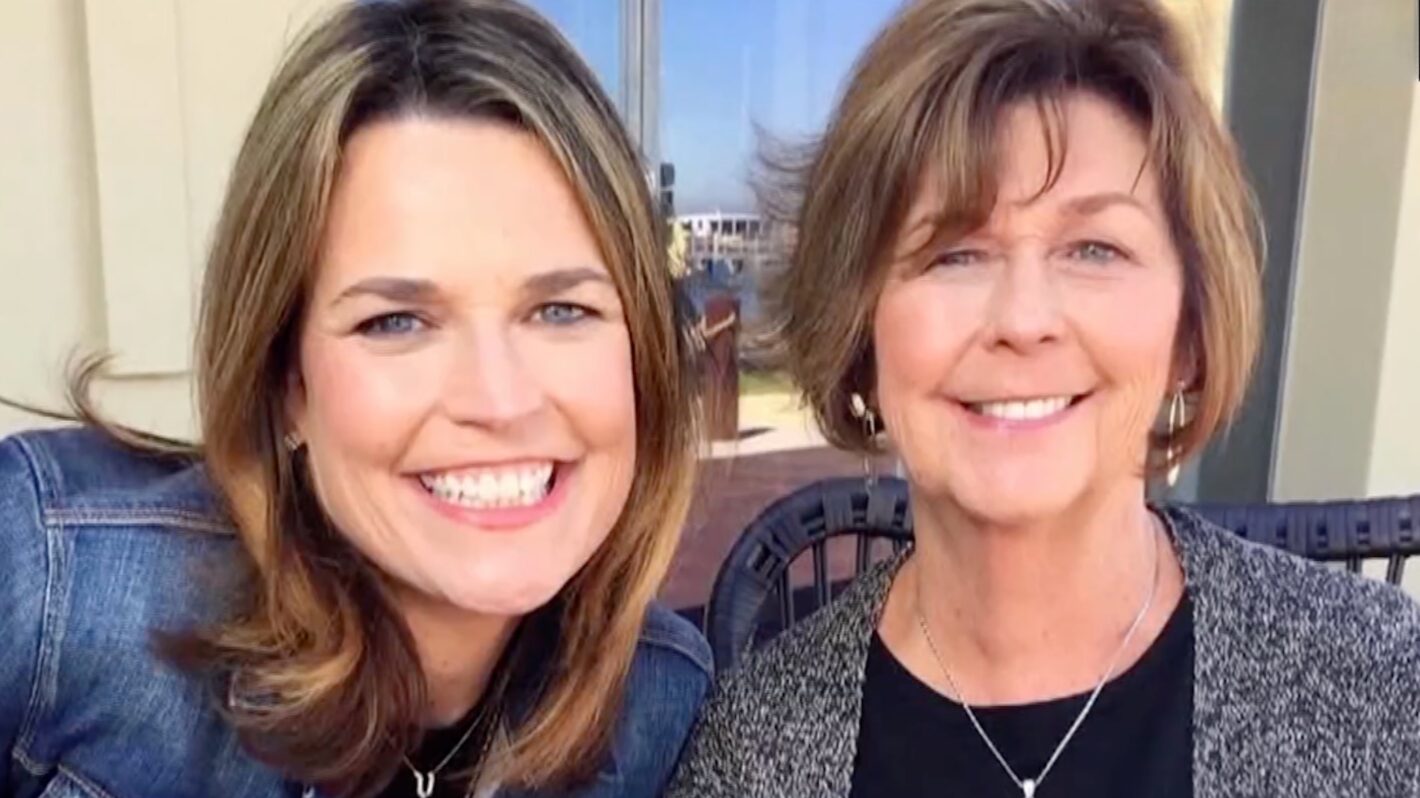
Nancy Guthrie, who is 84 and the mother of Today show host Savannah Guthrie, was reported missing on February 1 from her home in Tucson, Arizona. Police believe she was taken from the residence. Investigators released doorbell video that shows a masked individual and have submitted DNA for analysis at the FBI lab. Despite these efforts, the case remains unsolved, and no arrest has been announced.
It is a deeply unsettling situation for any family and any community, but especially for loved ones who must wait without clear answers. Buehler’s perspective is that, even in a case that feels stalled, investigators could already be sorting through promising leads. He reminds us that major cases are often built one piece at a time, and the most meaningful clue may look ordinary at first glance.
How a simple driving mistake could open the door
One point Buehler emphasizes is that a driver’s small mistake can become a critical lead. Many modern vehicles quietly record movement, routes, and recent destinations. A car’s built-in navigation system or a connected phone might store the address of a home that was entered for directions. If a person typed in Nancy’s address, there may be a record on the device or in the account used to do it.
Something as simple as forgetting to clear a recent destination, or leaving a mapping app signed in, can provide investigators with a timeline. Who looked up the address? When? Did the route match certain camera sightings or toll data? Did it overlap with the time Nancy disappeared? Even when drivers do not realize it, this type of digital breadcrumb can remain available—sometimes for months—and can become a piece of the larger puzzle.
What digital searches can reveal
Buehler also mentioned the value of search records and mapping tools. If someone searched Nancy’s address ahead of time, the information could still be stored in a cloud account or backed up on a device. With the proper legal steps, investigators may review that data and begin to match it to other leads, such as the path of a car, the presence of a phone, or sightings on nearby cameras. While none of these elements proves guilt on its own, several small indicators taken together can point toward a clearer picture of who was in the area and why.
This is not about casting a wide net on everyone’s private life; rather, it’s about following a specific trail where the facts lead, and doing so carefully. When detectives see a pattern—an address entered on a GPS, a phone present in a certain area, a vehicle captured by a camera—it helps them prioritize follow-ups and interviews. Often, the pieces begin to reinforce each other, and the picture sharpens.
Everyday reasons to be nearby—and why they still matter
In conversations about possible suspects, one idea that surfaces is the number of ordinary, well-intentioned people who legitimately pass by any neighborhood. Delivery drivers, repair technicians, installers, and service providers are in and out of residential areas day after day. Buehler notes that one investigative task is to separate routine, legitimate visits from activity that raises questions.
He points out that a person with a perfectly reasonable reason to be near a home can still leave a record—work orders, service tickets, delivery logs, or vehicle routes. These documents, together with doorbell videos or street cameras, allow investigators to cross-check whether a presence at a home was scheduled and appropriate, or unexpected and hard to explain. The goal is not to accuse anyone unfairly, but to make sure that every explanation lines up with the facts.
Public visibility and perceived opportunity
Because Nancy is the mother of a well-known television host, some have speculated that a person in the area might have seen an opportunity where none should exist. Buehler acknowledges that public profiles can sometimes change how criminals perceive a situation. Even so, careful investigators treat each lead the same way—by asking who had proximity, who had reason to be near the home, and whose actions do or do not make sense when compared to the timeline.
That process takes time. The presence of DNA evidence, for example, is one part of a bigger investigative effort. Laboratory work is careful and deliberate. Video analysis can take patience as well. And digital records must be requested, received, and analyzed in ways that respect the law while moving the case forward. While this can feel slow from the outside, it is the methodical approach that keeps cases strong.
Why small mistakes can break big cases
Buehler’s long career gives him a steady optimism. He recalls difficult investigations where a single witness came forward years later, or an overlooked detail gained new meaning with improved technology. In one case he remembers, a random homicide remained unresolved for 11 years before someone finally said the right thing to the right person—and everything changed.
He believes this case could follow a similar path to resolution. Perhaps a driver forgot to turn off location sharing. Perhaps a mapping app saved a route. Perhaps a vehicle stopped at an intersection with a camera the driver did not notice. Or perhaps, as often happens, a neighbor or acquaintance remembers something that did not seem important at first and decides to speak up. None of these possibilities guarantees a solution on its own, but they all show how an ordinary misstep can turn into powerful evidence over time.
The role of cameras, cars, and phones
Today, many neighborhoods benefit from a patchwork of doorbell cameras, home security systems, and municipal or business cameras. When detectives gather these videos and match them with vehicle data—like built-in navigation logs, Bluetooth connections, or telematics—they can often place a car within a few blocks and a few minutes of a key time. Some areas also use license plate readers that capture vehicles as they pass. Matching these sightings to a timeline helps narrow down which cars deserve a closer look.
Phones add another layer. Even when a device is not used to make a call, it may still send signals that, with appropriate legal approval, can help position it in an area around a specific time. When those signals line up with car data or camera sightings, the pattern becomes harder to dismiss as coincidence. Over and over, major cases are built from the convergence of these different pieces.
Patience, process, and priorities
From the outside, it can be frustrating to watch a case unfold without immediate breakthroughs. Buehler notes that investigators often have a long list of leads to prioritize. They move quickly on some tips and hold others while waiting for lab results or records requests. A tip that first seems minor may, months later, match a new piece of evidence and become central to the case.
He encourages families and the public to remember that forward progress isn’t always visible. Investigators rarely share every detail in real time, as doing so can alert the very person they hope to find. Silence does not mean inactivity; it often means careful, coordinated work that is better done quietly until the right moment.
What we know so far
Based on public information, Nancy Guthrie disappeared from her Tucson home on February 1. Authorities believe she was taken from the residence. Doorbell camera footage recorded a masked person near the home, and DNA has been submitted to the FBI for analysis. To date, no significant breakthrough has been announced. That said, the depth of today’s technology and the persistence of investigators offer genuine reasons to remain hopeful.
It is also worth remembering that families in situations like this often balance hope and heartache every day. Respect, patience, and support from the community can make a meaningful difference as they wait for clarity. Encouraging accurate information, avoiding unhelpful rumors, and sharing any genuine tip with law enforcement can all contribute to progress.
If you live nearby or traveled through the area
Over the years, countless cases have moved forward because of a neighbor’s camera, a driver’s dashboard footage, or a passerby’s memory. If you live in or passed through the Tucson area around February 1, think back to anything that seemed slightly out of place. A car idling where it normally wouldn’t. A vehicle parked in a hurry. A person wearing unusual clothing for the weather. Small observations matter more than most of us realize.
If you still have video from around that time—doorbell footage, a home security clip, or dashcam files—it may be valuable even if you are unsure it shows anything important. Investigators can quickly determine whether a brief glimpse of a car or person fits the timeline they are building. A few seconds from one home often connects with a few seconds from another, gradually forming a continuous record of movement through a neighborhood.
Staying centered while the work continues
In difficult times, it helps to focus on what can be done today. For families and friends, that might mean staying in touch with investigators, sharing accurate updates, and leaning on community support. For neighbors and the broader public, it could mean checking old video, sharing a credible tip, or simply offering patience and encouragement. These steady, practical steps keep energy where it belongs—on finding answers.
As Buehler reminds us, many major cases are solved not by dramatic revelations, but by methodical work and small breaks. A driver’s oversight. A saved route in a navigation app. A car captured by a camera one block over. A witness who finally realizes that a quick detail from months ago may matter. Each of these can be the turning point that brings a family the resolution they deserve.
Hope rooted in experience
Buehler’s experience with complex investigations, including well-known cases from years past, underpins his optimism here. He has seen how time, technology, and tenacity create results. Even when leads seem thin, he believes the chances are good that something useful already sits in a queue—waiting for a lab result, a records response, or a comparison to a new tip.
It is natural to wish for swift closure. Yet deliberate progress is often what makes cases strong enough to stand up when it matters most. If a careless driving mistake occurred—an address typed in and forgotten, a route saved without thinking, a phone left connected to a car’s system—it could be just the edge investigators need. Those simple oversights leave traces, and in the long run, traces add up.
Looking ahead
For now, the focus remains on carefully piecing together what happened on and around February 1 in Tucson. The combination of neighborhood video, DNA testing, vehicle and phone data, and good old-fashioned follow-up gives investigators many ways to move forward. The path may not be quick, but it can be sure-footed.
If you know something—no matter how small it seems—consider sharing it with law enforcement. Time and again, it is the ordinary person with a small piece of the story who makes the extraordinary difference. And if you are simply watching and hoping from afar, take heart from the experience of professionals like Buehler. Mysteries do get solved. Families do get answers. Sometimes it is the tiniest mistake that lights the way.



