

As we get older, our bodies send signals that deserve attention. Some changes are harmless, but others can point to something more serious. Colon cancer is one of those conditions where noticing symptoms early and acting on them can make a major difference. The good news is that when colon cancer is found early, it is often highly treatable. Knowing what to look out for, and feeling confident about when to talk with your doctor, can help you stay ahead of problems and protect your health.
If you are between 45 and 65, you are in the age group where screening and awareness are especially important. Even if you feel well, it is worth understanding the common signs and when to ask for medical advice. This guide walks through key signals your body might send, explains why they matter, and offers practical, friendly guidance on next steps. You will also find reassurance about the screening tests that save lives every day.
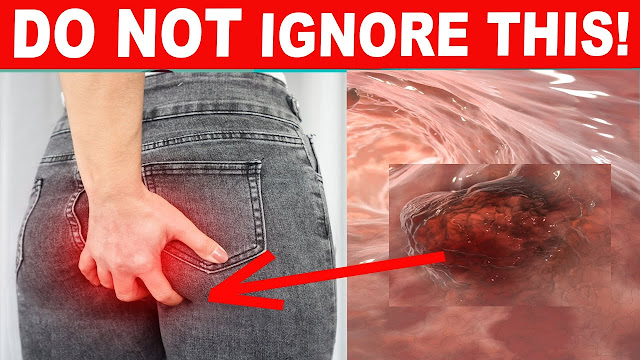
Why early detection matters more than ever
Colon cancer often starts quietly, without dramatic symptoms. That is why routine screening and paying attention to persistent changes can be lifesaving. When found at an early stage, many people require less intensive treatment and have excellent outcomes. Waiting until symptoms become severe can make treatment more complicated. Think of early detection as a way to give yourself more options, more time, and more peace of mind.
How colon cancer usually begins
Most colon cancers begin as small growths called polyps on the inner lining of the colon or rectum. Many polyps are harmless, but some can gradually turn into cancer over the course of several years. This slow pace works to your advantage, because it gives you and your healthcare team time to find and remove polyps or catch cancer early. Screening tests are designed to spot these changes, often before you would notice any symptoms at all.
Warning sign 1: A lasting change in your bathroom routine
Everyone has the occasional off day, especially after travel, changes in diet, or a stomach bug. What raises concern is a change that sticks around. Pay attention if you notice ongoing diarrhea, constipation, or stools that are looser, harder, or different from your usual pattern for more than a couple of weeks. A shift that lingers, rather than a one-time episode, is your colon’s way of asking for a closer look. This does not mean you have cancer, but it does mean your doctor should hear about it.
Warning sign 2: Blood in your stool or rectal bleeding
Seeing blood can be unsettling, and it should always be taken seriously. Bright red blood on the toilet paper, in the bowl, or on the surface of the stool often comes from the lower part of the intestine, and sometimes from hemorrhoids or small tears. However, similar bleeding can also be caused by a polyp or a cancer. Because it is hard to tell the difference on your own, it is wise to let your doctor evaluate any bleeding, especially if it is new, frequent, or comes with other symptoms like a change in bowel habits or abdominal discomfort.
Warning sign 3: Dark, tar-like stools
Black, tarry stools can signal bleeding higher up in the digestive tract. This darker color happens when blood spends longer moving through the intestines. It may look sticky or have a strong odor. Certain foods and iron supplements can darken stools too, but if you notice a tar-like appearance and you are not taking iron or eating foods known to cause this, call your doctor promptly. This kind of bleeding deserves attention without delay.
Warning sign 4: Frequent belly pain, cramping, or bloating
Most people have occasional gas or discomfort, but pain that keeps returning or that changes your daily routine is a flag to check in about. Ongoing cramping, a feeling of fullness that does not pass, or pressure in the lower abdomen can be linked to a blockage or irritation in the bowel. If you find that your belly discomfort is steady, wakes you up at night, or pairs with changes in your stool habits, it is time to discuss it with your healthcare provider.
Warning sign 5: Unexplained weight loss
Losing weight without trying may sound appealing, but it is not normal and deserves to be explored. When the body is fighting a disease process, metabolism can change and appetite can fall, leading to weight loss that does not have a clear reason. If your clothes are looser and you have not changed your eating or exercise, or the scale keeps dropping from one month to the next, make a note and bring it up at your next appointment. Unexplained changes in weight are a clue your doctor will want to understand.
Warning sign 6: Tiredness or weakness that just will not lift
Feeling wiped out after a busy week or a poor night’s sleep is common, but a deep, ongoing fatigue is different. When there is slow, internal bleeding in the colon, your body may not have enough healthy red blood cells to carry oxygen efficiently. This can leave you short of breath on simple walks, lightheaded when you stand up, or simply dragging through the day despite rest. If tiredness has become your new normal and you cannot explain it, ask your doctor about checking your blood counts.
Warning sign 7: Iron-deficiency anemia found on a blood test
Sometimes the first hint of a problem shows up in routine lab work. Iron-deficiency anemia can be caused by blood loss you do not see. In women who no longer have monthly periods, and in men of any age, anemia without a clear cause should be evaluated. Your clinician may suggest looking at your digestive tract to find the source. Many times, there is a straightforward explanation, but it is important not to overlook the colon as a possible source of bleeding.
Warning sign 8: Narrow or ribbon-like stools
A consistent change in the shape of your stool, such as stools that look thin, pencil-like, or flattened, can be a sign of narrowing inside the colon. Occasional variations are normal, but a pattern that persists for weeks is worth discussing. Pay attention to the combination of changes, such as narrow stools along with a feeling of incomplete emptying or increased urgency. These details help your doctor decide what tests, if any, are needed.
Warning sign 9: Mucus in your stools
Noticing mucus can be surprising. A small amount may appear with minor irritation, but repeated, visible mucus, especially alongside changes in bowel habits or blood, should be brought to your doctor’s attention. Mucus can accompany inflammation or a blockage. Keeping track of how often it happens and whether it comes with pain, bloating, or urgency can be helpful information to share.
Warning sign 10: Nausea or vomiting, especially with bloating
Nausea and vomiting can have many causes, from a passing virus to medications. What is more concerning is nausea that persists, comes with abdominal swelling, and pairs with trouble passing gas or stool. These symptoms can point to a blockage that needs urgent care. Trust your instincts if you feel unwell in a way that is not typical for you, and seek prompt medical attention when symptoms are intense or worsening.
When to call your doctor and when to seek urgent help
If you notice any of the changes described above and they last longer than two to three weeks, it is reasonable to schedule a visit to talk them over. Do not wait if you see red or black stools, experience heavy rectal bleeding, feel faint, have severe abdominal pain, or cannot pass gas or stool. Those symptoms call for urgent evaluation. Remember, calling early does not mean you are overreacting. It means you are taking smart steps to understand what your body is telling you.
Keep in mind that many of these symptoms can be caused by conditions that are not cancer, such as hemorrhoids, irritable bowel syndrome, or infections. The point is not to panic, but to check. Getting answers brings relief, whether that means simple treatment for a minor issue or an early, effective response to something more serious.
Screening saves lives, even when you feel fine
Screening is designed to find cancer before it causes symptoms, when it is easiest to treat. For most adults, screening begins at age 45. If you have a family history of colon cancer or certain types of polyps, or if you have long-standing inflammatory bowel disease, your doctor may recommend starting earlier. There are different ways to screen, including tests you do at home that look for blood in the stool and exams that allow a clinician to view the inside of your colon. Your healthcare provider can help you choose the option that fits your health needs and preferences.
Colonoscopy remains a powerful tool because it allows the doctor to both find and remove polyps in the same visit. Other approaches can be good choices for people who prefer testing at home or cannot undergo a procedure right away. No matter which path you choose, the most important step is to get started and to repeat screening on the schedule recommended for you.
What a colonoscopy is really like
Many people put off colonoscopy because they worry about the preparation or the exam. It helps to know what to expect. The day before, you will follow simple instructions to clear the bowel so the doctor can see well. During the procedure itself, most people are comfortably sedated and do not feel or remember it. If a polyp is found, it can often be removed right away, which prevents it from turning into cancer later. The risks are low, and the benefit of finding and fixing problems early is high. Most people say the relief they feel afterward is worth the effort.
Getting ready for your appointment
When you plan to speak with your doctor, jot down what you have noticed. Include when symptoms started, how often they happen, anything that makes them better or worse, and any recent changes in diet, medications, or stress. Bring a list of your current medications and supplements. If you have a family history of colon cancer or polyps, note who was affected and at what age. Clear details help your clinician choose the right tests and give you the most accurate guidance.
Simple habits that support a healthy colon
While screening is the most effective way to reduce the risk of dying from colon cancer, everyday habits also matter. Aim for a diet that includes fruits, vegetables, whole grains, and beans to provide fiber that keeps things moving. Drink enough water so your urine is pale yellow. Try to move your body most days of the week, even if that is a walk around the neighborhood. If you use tobacco, ask about support to quit. Keep alcohol moderate if you drink. Maintaining a healthy weight also lowers risk over time. Small, steady steps add up and support overall well-being.
Common myths, gently corrected
It is a myth that colon cancer is only a concern for men or only for people much older than 65. Women are affected too, and risk begins to rise in midlife, which is why screening now starts at 45 for average-risk adults. Another misconception is that if you do not have symptoms, you do not need screening. In reality, screening is meant for people who feel well, precisely because early disease may be silent. Finally, do not assume bleeding is always from hemorrhoids. That may be true, but it is best to confirm rather than guess.
A reassuring final word
Awareness is power, not a cause for fear. Paying attention to your body, sharing persistent changes with your healthcare team, and staying up to date on screening are practical steps you can take to protect your health. Most concerning symptoms turn out to have simpler explanations, and if something more serious is found, catching it early opens the door to effective treatment. You deserve clarity and peace of mind, and your doctor is there to help you get both.
If any of the warning signs described here sound familiar to you, consider setting up a conversation with your clinician. You are not overreacting by asking questions. You are taking care of yourself, and that is always the right choice.