A mother’s words in a time of worry
Rosie O’Donnell has shared a moving, deeply personal poem about her daughter Chelsea’s difficult experience in prison. Instead of a formal statement, she chose to publish her thoughts on her newsletter platform, writing straight from the heart. The piece offers a rare, unfiltered look at what it feels like to love a child through crisis and hold onto hope, even when every day brings new uncertainty.
In the poem, Rosie describes a stretch of days without word from Chelsea, a silence that set off alarms in a mother’s heart. She explains that Chelsea had been moved from jail to prison, a major shift that often disrupts communication. The gap felt frightening and unfamiliar. As she put it, it had been more than a week without contact, which was not normal for them. That small phrase captures the fear any parent understands when a usual routine suddenly stops making sense.
For many families navigating incarceration, transfers are especially hard. Phone access can be delayed. Mail is slow. Schedules change without notice. Even for a strong family, these disruptions test patience and resolve. Rosie lets readers feel that worry, and in doing so, she widens the circle of empathy for anyone who has waited by a phone that does not ring.

Chelsea’s path and the reality she faces
Chelsea is 28 years old. She has been in custody since October, after her probation was revoked. Earlier in the year, she was arrested more than once, including on child neglect and drug possession charges. None of that is easy to read. It is even harder to live through. Rosie does not excuse those facts in her poem, but she also does not allow them to overshadow a mother’s steady, enduring love. She holds both truths at once: what happened, and who her daughter is to her.
The conditions Chelsea faces are stark. Rosie describes months of lockdown, with 23 hours a day spent inside and a sliver of time—about 45 minutes—in the sun. For those who have not known someone in prison, that detail may be startling. Yet it is real for many people. Each day is highly structured and closely watched. Small freedoms, like a few minutes of fresh air, take on enormous meaning.
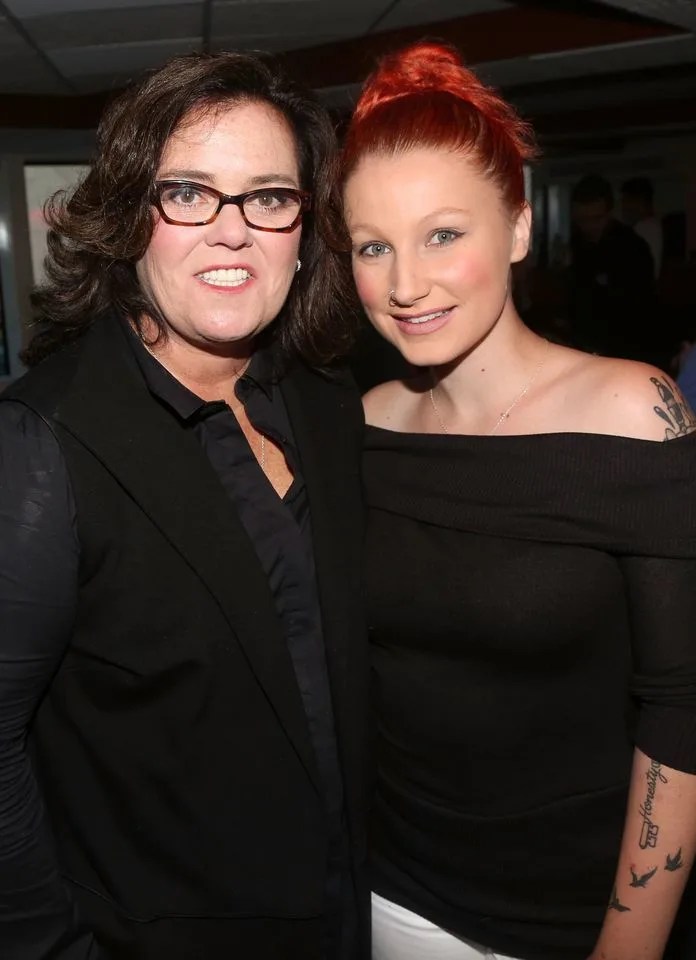
Chelsea is a mother of four, three girls and one boy. That reality colors every part of this story. While Rosie and Chelsea have had periods of difficulty over the years, the circumstances now have brought them closer. Rosie calls this a silver lining, and it is one she holds onto with quiet gratitude. Pain has a way of clarifying what matters most, and for them, connection has become that steady light.
Daily calls, small routines, and a mother’s hope
As the poem unfolds, Rosie writes about their phone calls—the daily check-ins that remind both mother and daughter they are not alone. In these moments, she sounds like any parent trying to find firm ground. She is grateful that Chelsea is here, reachable by voice, steady for another day. Gratitude can feel like a simple word, but in hard times it becomes a lifeline. It gives shape to mornings and nights. It keeps people moving forward when everything else feels shaky.
Rosie looks ahead to the day her daughter will come home. She dares to imagine what that might be like: a life centered on sobriety, healing, and time with her children. It is not easy to hold a vision for tomorrow when today is painful, but that is what love does. It pictures better days and draws a gentle sketch of what could be. Even when the future is uncertain, that picture offers something to aim for.
A visit with strict rules, and a brief moment of calm
Rosie also describes an in-person visit with Chelsea. The setting had clear, and sometimes harsh, guidelines. One hug is allowed at the start, one at the end. No exchanging money. Hands are kept visible on the table. Voices remain soft. If you have ever visited a loved one in a secure facility, these boundaries may feel familiar. They are designed for safety, yet they can make deeply human moments feel almost formal, as if even emotion needs permission.
In the midst of all that structure, Rosie notices the simple things that matter most to a mother. She writes that Chelsea looked healthy and calm. Her skin was clear. Her eyes seemed rested. She wore a green uniform. These are the details only a parent collects and carries. They may sound small, but to someone who worries every hour, they are priceless reassurances. For a few moments, Rosie could see her child and breathe a little easier.

Rosie shares how hard it is that Chelsea’s four children have not been able to visit yet. Any grandparent can feel the ache in that. Family bonds are strong, but distance and rules can strain even the closest ties. The day of the visit took another turn when a tornado warning cut things short. Rosie drove through the storm afterward, sorting through the swirl of thoughts that come after such a charged experience. She called it a big day, not because it was perfect, but because it mattered.
What Rosie’s poem really says about love
Near the end of her writing, Rosie reflects on what it means to be a mother across decades. She speaks of unconditional love as the only possible path, even when the road is steep. Forgiveness, she suggests, is not easy and not always quick, but it is essential. In one simple line, she reminds us that growth continues at every age. As she puts it, we live, we learn, and we grow—even at 64.
She also shared a photograph from a recent visit, showing Chelsea in her uniform. It is a tender glimpse, not of perfection, but of presence. That single image, like the poem itself, offers evidence of something important: even in the hardest seasons, family can keep showing up for one another.
The quiet courage of waiting and showing up
For many people, this story will feel familiar, whether they have experienced incarceration in their family or faced a different kind of crisis. The waiting alone is its own burden. Not knowing when a call will come through, when a visit will be approved, or how a loved one is really doing can leave anyone feeling helpless. Rosie’s poem gives language to that feeling. It says, you are not the only one waiting, not the only one learning to breathe around worry.
It also points toward a kind of courage that does not make headlines. There is strength in small rituals: answering every call, marking the calendar, setting aside a little hope for tomorrow. There is strength in noticing the healthy glow in a face, in celebrating a calm voice on the other end of the line, in trusting that progress need not be loud to be real.
Understanding the weight of the rules
The poem does not shy away from the strict rules of prison life. Keeping hands on the table, speaking softly, limiting touch to a single hug at hello and goodbye—these practices might seem minor to someone on the outside, but in a visiting room they are everything. They shape how love is expressed and how reassurance is offered. When physical comfort is counted in seconds, people learn to make each second count. A hand squeeze at the right moment can say more than a dozen conversations.
Rosie’s attention to these details comes through as love in action. She bears witness to the environment and also to her daughter’s presence within it. She notices not just the rules but how her child carries herself inside those rules—with calm, with clearer eyes, with a steadier spirit. To a parent, that steadiness is a gift, even if it arrives in a place no one would choose.
A mother, a daughter, and the long road to healing
The truth that runs underneath the entire poem is simple and difficult: healing takes time. For families living with addiction and recovery, progress can be uneven. One season might bring stability, the next might bring setbacks. Rosie does not pretend otherwise. Instead, she holds space for both hope and honesty. She looks ahead to a drug-free future while keeping her feet planted in what is real today.
There is a clear wish at the heart of the piece—one shared by countless parents and grandparents. It is the wish for safety, sobriety, and reunion. It is the wish to hear children laughing together at home again, to see photos that do not include visitor badges or uniforms, to write new family stories that are not overshadowed by court dates or paperwork. The poem does not guarantee any of that. It simply says those dreams are alive.
For anyone walking a similar path
Readers in midlife and beyond know a special kind of love for their grown children. You do not stop being a parent just because your children are adults. In many ways, the role deepens. You become a steady presence, a place of return. You keep the porch light on. You answer on the first ring. You say the words that help someone get through one more day. Rosie’s experience will ring true for anyone who has stood in that role and discovered, perhaps through tears, how strong the quiet love of a parent can be.
If you find yourself in a similar season, the poem offers gentle reminders. Keep the lines of communication open when you can. Celebrate small signs of progress, like a calmer voice or a clearer gaze. Remember that people are more than the worst thing they have done. And when you feel overwhelmed, allow yourself to be supported by friends, family, or community. No one is meant to shoulder these worries alone.
Seeing the person, not just the circumstance
The detail that Chelsea looked healthy and rested matters. It reminds us that people can find moments of healing even in hard places. Sobriety, consistency, and rest can bring a kind of clarity that shows in the eyes and on the skin. Those changes do not erase the past. But they do suggest that the future can be different from what came before. Observations like the ones in Rosie’s poem help shift the focus from labels to humanity—from headlines to the person who is still learning, still trying, still loved.
And that is perhaps the strongest current in Rosie’s writing. Love does not deny consequences. Love does not gloss over pain. Love sits in the same room, abides by the rules, and listens closely. It looks for the light that might be hard to see. It repeats the simple truths a person needs to hear: you are here, you are loved, and we can try again tomorrow.
Holding on to hope, one day at a time
The poem closes with the kind of wisdom that comes only from lived experience. Unconditional love is not a slogan. It is a daily practice. It is choosing forgiveness when it would be easier to turn away. It is learning, again and again, that growth is not reserved for the young. As Rosie notes, we continue to learn and grow at every stage of life. There is no age limit on compassion, courage, or starting over.
In sharing her poem publicly, Rosie invites others to be gentler with themselves and with the people they love. She does not ask for pity. She points us instead toward understanding. The reality she describes may be difficult, but it is not without grace. There are phone calls that end with I love you. There are visits where a single hug says enough for an entire paragraph. There are car rides through storms where, somehow, the road home is still clear.
A final reflection
Rosie O’Donnell’s poem is, at its heart, a note from a mother to a daughter—and from a mother to other mothers and grandparents who are also navigating the complicated terrain of love, accountability, and hope. It recognizes that life does not always follow the plan. It honors the strength it takes to keep caring anyway. It offers a warm hand to hold, a reminder that many families are walking this road together.
As this chapter continues, Rosie imagines a future for Chelsea that is steadier and brighter, built around recovery and the joy of being present with her children. Until then, she keeps doing what parents do best. She watches for the small signs of healing. She answers the calls. She shows up on visiting day. She practices forgiveness, even on the days when it feels hardest. And she keeps writing down the truths that guide her forward: we live, we learn, and we grow—together.