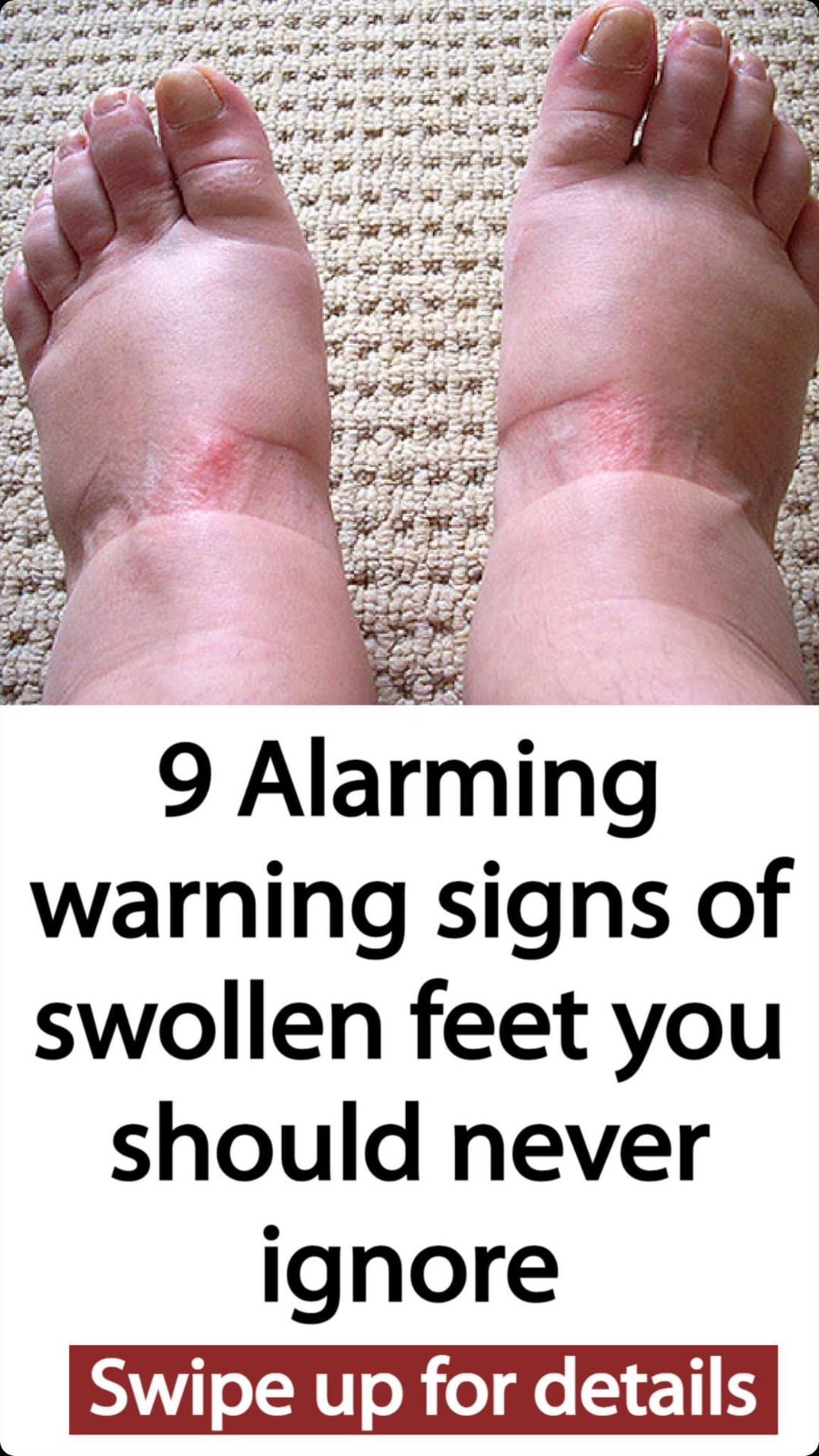
Swollen feet are common, especially after a long day of standing, traveling, or during hot weather. Most of the time, a little puffiness eases with rest, elevating your legs, and drinking enough water. But sometimes, swelling can be your body’s way of waving a red flag. Knowing what to watch for can help you get the right care at the right time and protect your health.
If you are between 45 and 65, your feet do a lot for you every day. They deserve attention and care. Swelling, often called edema, simply means fluid has built up in the tissues. It can be mild and harmless, or it can point to a problem with your veins, heart, kidneys, liver, or a new medication. The key is recognizing warning signs that deserve prompt medical advice, and in some cases, urgent care.
Below you’ll find nine important warning signs related to swollen feet. Each one explains what might be going on, what to watch for, and when to call your healthcare provider. If any symptom feels severe or rapidly worsening, or if you are worried, trust your instincts and seek help immediately.
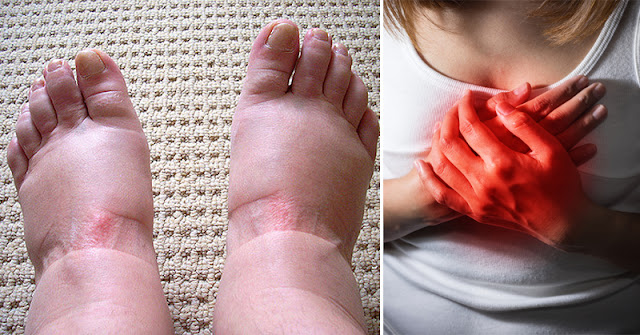
Deep vein thrombosis
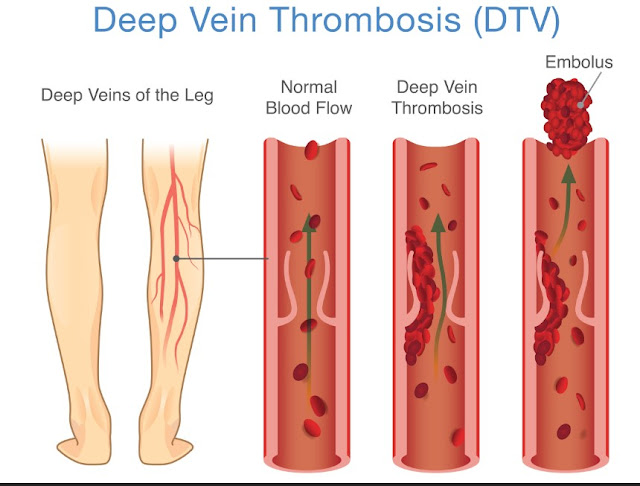
One of the most serious causes of a suddenly swollen foot or leg is a deep vein thrombosis, often called a DVT. This is a blood clot that forms in a deep vein, usually in the calf or thigh. A DVT can block blood flow and create noticeable swelling in just one leg or foot. It may also cause a heavy, tight, or cramping feeling in the calf, along with warmth, tenderness, and sometimes a change in skin color toward red or bluish tones.
A DVT requires immediate medical care because part of the clot can break loose and travel to the lungs, causing a life-threatening condition called a pulmonary embolism. Risk can be higher if you have recently had surgery, been on a long flight or car ride, are less active due to illness or injury, take certain hormone therapies, smoke, or have a history of clots. If one foot and calf are suddenly more swollen than the other, especially with pain, warmth, or color change, do not wait. Get urgent medical help.
With a DVT, time matters. Quick treatment helps prevent complications. Your healthcare team can perform a simple ultrasound to look for a clot, and if one is found, medicines that thin the blood can lower the risk of further problems. Even if the swelling seems to come and go, a one-sided pattern paired with pain or warmth is a strong clue that needs checking.
One foot or leg is much more swollen than the other
When only one foot or leg is clearly more puffy than the other, that’s a warning sign. While both feet can swell after a hot day, one-sided swelling often points to a problem in that limb’s circulation. A blood clot in a deep vein is a major concern, but other issues such as a blocked lymph channel or a severe varicose vein can also cause one-sided swelling.
Pay attention to how quickly it appeared, whether it’s linked to recent travel, a new ache in the calf, or a warm spot. If the difference is sudden or dramatic, or it comes with pain, warmth, or skin color changes, it deserves prompt medical evaluation. Quick attention helps rule out urgent problems and gets you on the path to safe, effective treatment.
Swelling with shortness of breath or chest discomfort
Swollen feet paired with trouble breathing, chest tightness, or an unexplained cough is a combination you should never ignore. This pattern can happen if fluid is building up because the heart is not pumping as strongly as it should, or in the rare case of a clot that has moved to the lungs. If you notice swelling along with breathlessness when lying down, waking up short of breath at night, or a need to sleep propped up on extra pillows, call your healthcare provider as soon as possible or seek urgent care.
Do not wait days to see whether it improves on its own if breathing feels hard or your chest feels uncomfortable. These symptoms can be serious, but with early care, doctors can treat the underlying cause and help you feel better.
Swelling that leaves a dent when you press it
Press a finger gently into the top of your foot or your ankle. If a visible dent remains for a few seconds after you lift your finger, that is called pitting edema. It often suggests fluid is collecting because of circulation issues, salt and water balance problems, or conditions affecting the heart, kidneys, or liver. It is more than just end-of-day puffiness from standing.
Pitting edema that keeps showing up, worse at the end of the day and slow to improve overnight, should be discussed with your doctor. With a simple exam and, if needed, basic tests, your care team can identify what’s driving the swelling and help with a plan that may include adjusting medicines, using the right compression gear, and making small changes that support better circulation.
Red, hot, or painful skin over the swollen area
Warmth, redness, and tenderness over a swollen foot or ankle can signal inflammation or infection. Cellulitis, an infection in the skin and the tissues just beneath it, can make the area feel hot and sore and may be accompanied by fever or chills. Gout, caused by a buildup of uric acid crystals in a joint, can also cause sudden, intense pain and swelling, often at the base of the big toe, with the skin looking shiny and red.
Both cellulitis and gout benefit from timely treatment. If the area is very tender to touch, looks inflamed, or you develop a fever, contact your healthcare provider promptly. Early attention can prevent complications, relieve pain faster, and protect the health of your feet.
Swelling after an injury or fall
Sprains, strains, and fractures commonly cause swelling. Even if you can still put some weight on the foot, significant swelling after a misstep, twist, or fall deserves a closer look. Bruising, sharp pain with movement, or trouble bearing weight are all reasons to get evaluated. Bone injuries can sometimes be subtle on the surface but serious underneath.
Rest, ice, compression, and elevation can help with minor strains, but do not hesitate to seek medical care if your foot looks deformed, the pain is severe, or the swelling is rapidly increasing. Quick assessment and proper support or casting, when needed, help the injury heal correctly and lower the chance of long-term problems.
Shiny, stretched skin, color changes, or hard-to-heal sores
If the skin on your feet or ankles looks tight and shiny, or if it changes color to a reddish-brown or bluish tone, the circulation in the area may not be ideal. Poor vein function, called venous insufficiency, can allow fluid to pool, which may also lead to skin irritation, itching, and eventually open sores that heal slowly. People with diabetes or reduced circulation from artery disease need to be especially alert to these changes.
Do not ignore new or worsening skin changes. Gentle skin care, avoiding scratching, and getting medical advice early can prevent small problems from turning into bigger ones. Your clinician may suggest treatments that improve flow, protect the skin, and encourage healing if a sore has developed.
Rapid swelling with sudden weight gain or a bloated belly
Feet and ankles that swell quickly over days, along with a sense that your shoes no longer fit, rings feel tight, and your belly is more bloated, can point to fluid retention. This sometimes happens when the heart, kidneys, or liver are under strain. You might also notice getting winded more easily or waking up at night to urinate more often.
These are not symptoms to brush off. Let your healthcare provider know promptly. Small changes to medication or diet, and timely checks of blood pressure and lab tests, can make a big difference. Early action helps you feel better sooner and protects these vital organs.
New swelling after starting a medication
Some medicines can cause swelling in the feet and ankles. Common examples include certain blood pressure medicines like calcium channel blockers, some diabetes medicines, anti-inflammatory pain relievers, steroids, and hormone therapies. If you notice swelling that began soon after a new prescription, or after a dose increase, mention it to your clinician or pharmacist.
Do not stop a prescribed medicine on your own unless your doctor tells you to. A quick call is usually enough to decide whether to adjust the dose, switch to a different option, or add a simple step to relieve the swelling. Keeping an updated list of the medicines you take, including over-the-counter products and supplements, helps your care team spot possible culprits faster.
Swelling that does not improve with rest or keeps coming back
Most harmless swelling eases when you put your feet up for a while or improves after a good night’s sleep. If your swelling does not settle down with rest, or if it keeps returning despite your usual self-care, it may be a sign that something more is going on. Patterns matter here. Notice whether mornings are better than evenings, whether one foot is always larger, and whether certain activities consistently make it worse.
Sharing these details with your healthcare provider leads to more focused answers. You may be asked about your daily salt intake, activity level, shoes, and how long you sit or stand. Simple steps like movement breaks, gentle ankle exercises, or the right kind of compression wear can be very helpful once the root cause is understood.
Swelling along with numbness, tingling, or weakness
When swelling comes with a change in sensation, like numbness, tingling, or a heavy, weak feeling in the foot, nerves may be part of the picture. Nerve irritation from the back, long-standing diabetes, or pressure from tight tissues can make it feel like your foot is both puffy and hard to control. While the swelling itself may be mild, the nerve symptoms are a reason to check in with your clinician.
Early attention to nerve-related symptoms can prevent falls, reduce pain, and protect balance. Your provider can suggest simple steps at home and, if needed, refer you for therapy or imaging to sort out what’s driving the problem.
What you can do today to feel better
While you wait to talk with your healthcare provider, there are gentle, safe steps that often help. Rest with your feet elevated so your heels are above the level of your heart for a short period several times a day, unless you have been told not to. Move your ankles in slow circles and point-and-flex motions to keep blood flowing. If you sit for long stretches, stand up regularly and take a brief walk around the room. Reducing salty foods and staying well hydrated can also help your body manage fluid better.
Many people benefit from compression socks, which provide a gentle squeeze that supports circulation. Choose a pair that feels snug but not painful, and put them on in the morning before swelling builds. If you have known artery disease or foot ulcers, check with your clinician before starting compression. Make sure your shoes have enough room in the toe box and do not rub. Keeping skin clean and moisturized helps prevent irritation, especially if your skin is tight or shiny.
Most importantly, listen to your body. If swelling is sudden, severe, one-sided, or paired with pain, warmth, a color change, shortness of breath, chest discomfort, fever, or an injury, get medical help without delay. When in doubt, it’s always better to be checked. With prompt attention and a little care, most causes of swollen feet can be managed well, helping you stay steady on your feet and get back to the activities you enjoy.