For many Americans, the people who work closest to a president are often a mystery. One name, though, has begun to surface again and again in recent reporting about Donald Trump’s inner circle: Natalie Harp. She started as a quiet helper at his side and, if new books and accounts are accurate, became a steady presence with unusually personal access—and a habit that raised eyebrows even among seasoned insiders.
In plain terms, Harp reportedly did more than carry papers. She managed what the former president saw, brought him stories that made him look good, and, at times, tucked private notes among the printouts she handed him. It is a portrait of loyalty and proximity that helps explain why her name keeps coming up as one of Trump’s most constant companions.
Harp, now in her early thirties, kept a low public profile even as her role reportedly expanded behind the scenes. Her job, as described by multiple accounts, centered on being close at hand with a laptop, a quick Google search, and a portable printer—ready to provide whatever the boss needed on the spot.
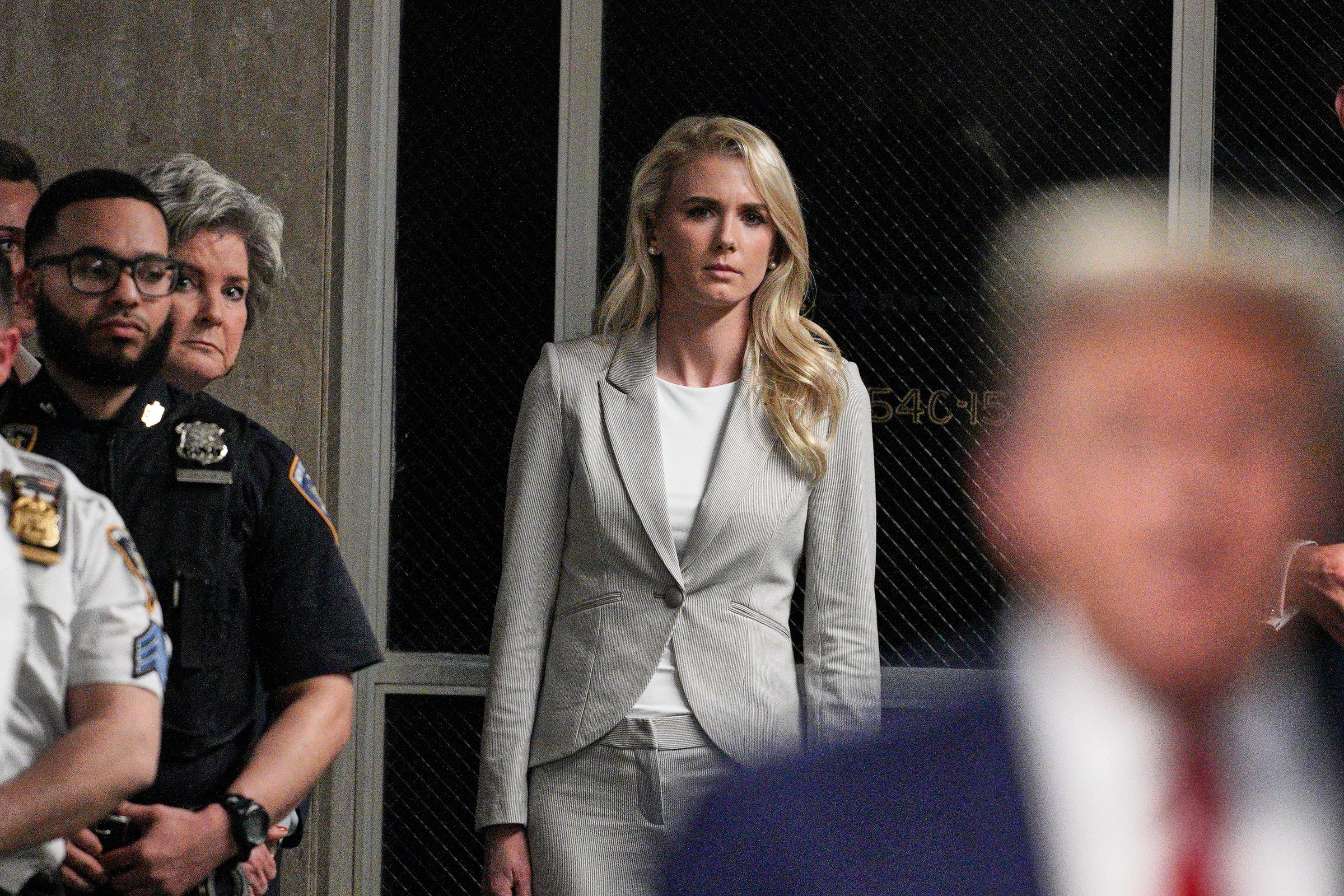
In recent reporting and books, Harp is described as one of Donald Trump’s most devoted aides—someone whose access went well beyond ordinary staff duties. The picture that emerges is of influence by proximity, filtered information, and very personal loyalty.
From a Quiet Helper to a Constant Presence at Trump’s Side
According to reporting on the new book Regime Change: Inside the Imperial Presidency of Donald Trump, Harp helped control the flow of information that reached Trump. The book, by New York Times journalists Maggie Haberman and Jonathan Swan, draws on extensive interviews and paints a detailed picture of how information moved around the Oval Office and Trump’s broader orbit.
That access alone would make her an interesting figure. What makes the account more striking is the suggestion that her relationship with Trump became highly personal. Beyond simply printing articles, she appears to have become a kind of gatekeeper and morale booster—always nearby, always prepared.
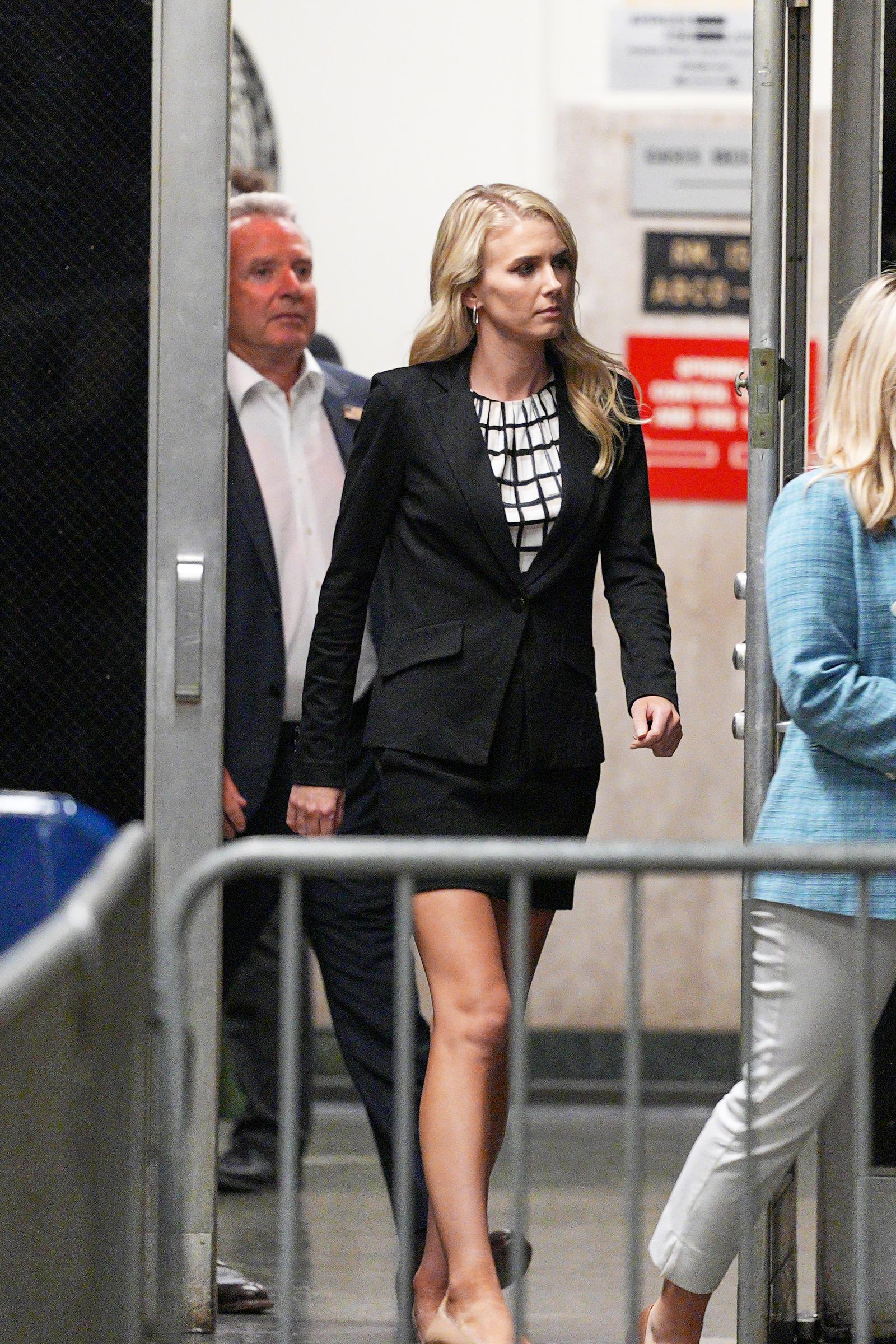
Her deeper involvement reportedly grew after Trump’s 2024 return to Washington. Harp had joined him at Mar-a-Lago after previous roles in conservative media, and by the time he was back in the capital, she was described as “ever-present.” One detail repeated in several accounts stands out: she carried a portable printer. With it, she would hand over fresh printouts of flattering news coverage and positive comments, sometimes reading them aloud first and then following up with the printed pages.
That portable printer became so associated with her that some staff reportedly nicknamed her a “human printer.” Author Michael Wolff has said that she often filtered what Trump saw, even helping draft or type out some of his social media posts and assembling his daily reading material. His characterization was simple: she was always on the hunt for anything that cast him in a positive light.
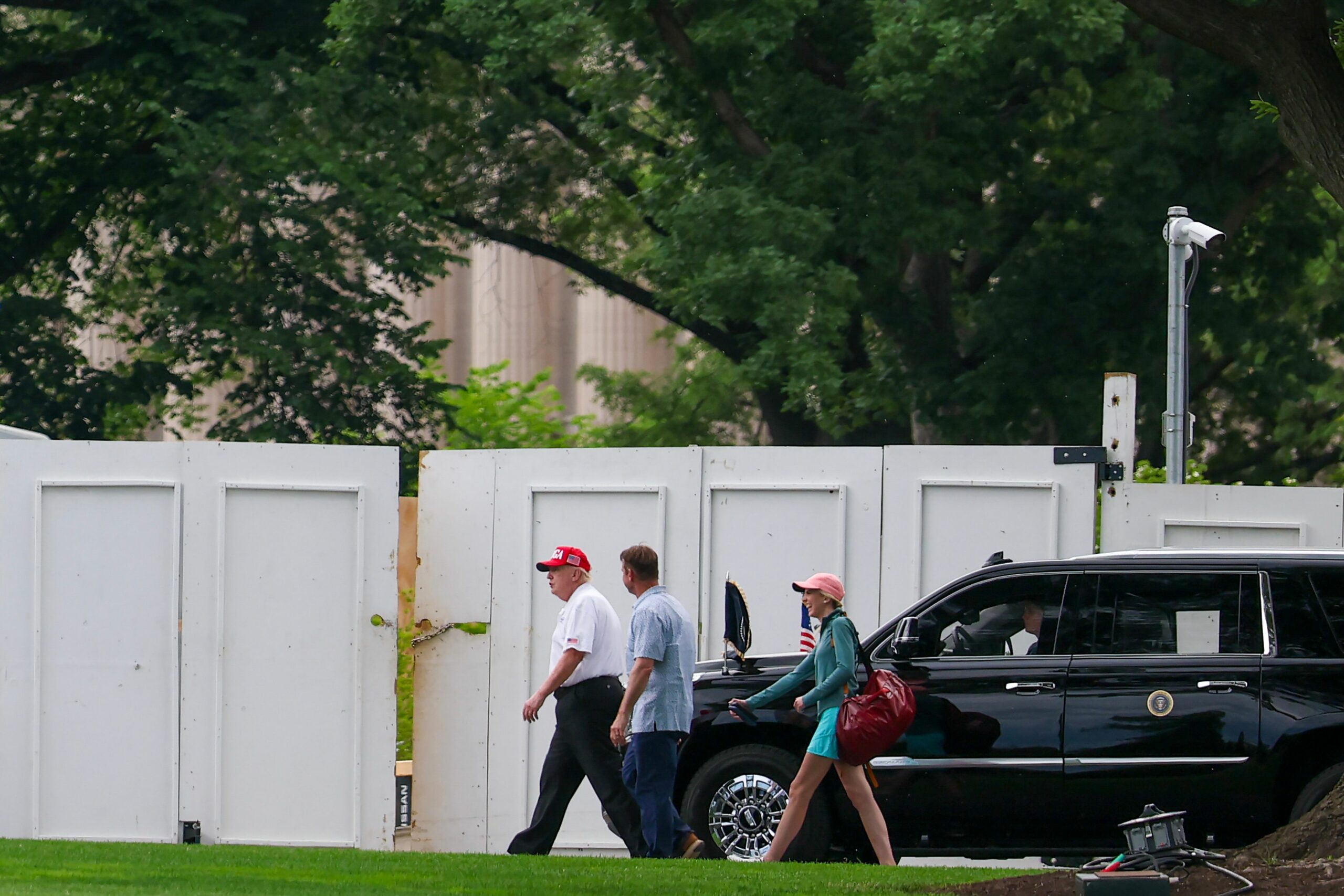
The idea that an aide might collect and showcase favorable stories is not unusual in politics. What’s notable here is the degree of focus on praise and the suggestion that Harp filtered almost everything he read. If true, it would mean she was central not just to handing over papers, but to shaping the tone of what her boss saw day to day.
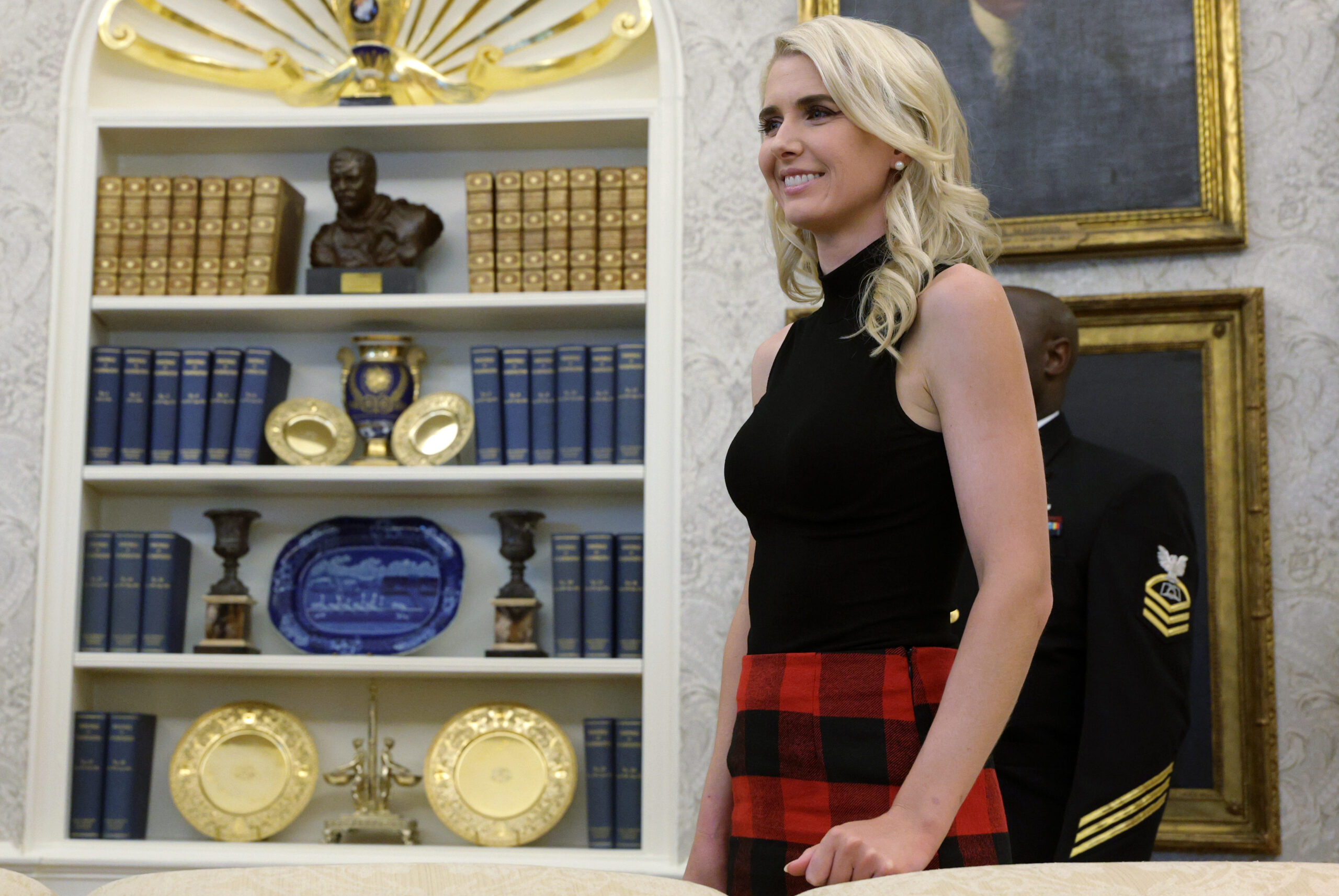
Inside the Oval Office, Her Role Reportedly Grew Even More Personal
Wolff has also claimed that Harp sometimes slipped personal notes in with the articles she provided—notes with language that sounded almost devotional. Phrases allegedly included “You’re the alpha and the omega,” “the be-all and end-all,” and “What would I be without you?” If accurate, this would mark a level of personal encouragement far beyond what most assistants provide.
Haberman and Swan, in Regime Change, describe Harp during Trump’s post-2024 return as a near-constant presence in the Oval Office—quiet, attentive, and ready to act when asked. They write that she typically sat off to the side with her laptop open, listening carefully and speaking only when directed by Trump. If he wanted something fetched from a merchandise room, she would go. If he requested a quick search or a story from a conservative website, she would produce it in short order.
They also report that her role crossed into social media. In late 2025, she reportedly had significant control over Trump’s Truth Social account, through which he posted frequently. The book further says she was the person who showed him a video connected to commentator Charlie Kirk’s death in September 2025. These are details from the authors’ reporting, not confirmed by the White House, but they help illustrate just how close Harp purportedly was to the flow of information around Trump.
Another scene in the book places Harp in the middle of a high-stakes economic discussion. In March 2025, as Trump considered sweeping tariffs, his economic team—including Commerce Secretary Howard Lutnick—presented figures for countries such as China and India. Trump reportedly dismissed the numbers as wrong and asked Harp to “do your Google, do your computer thing” to find the “real numbers.”
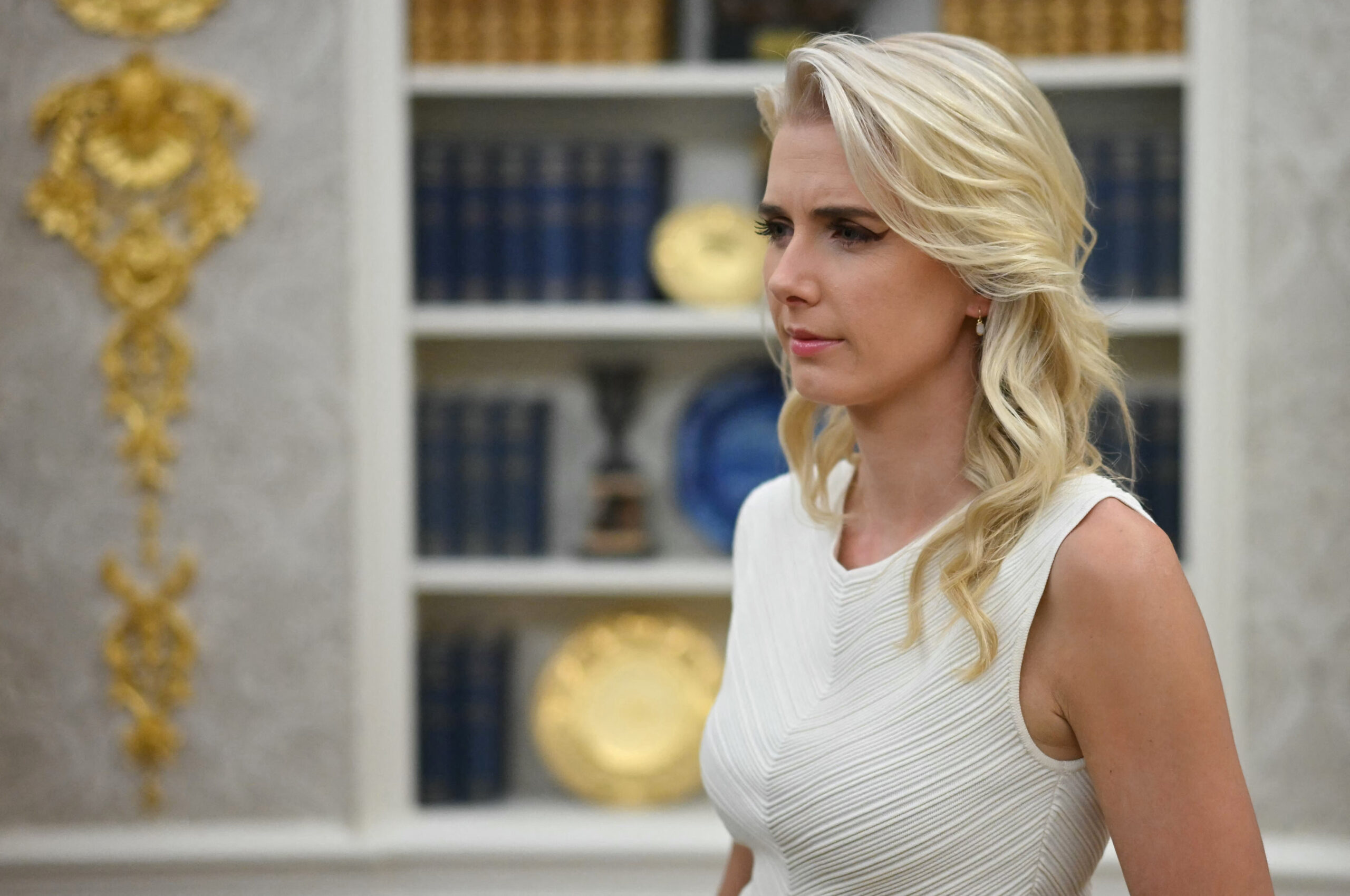
As Haberman and Swan tell it, even with her best efforts, there were no alternative figures to be found because the disputed numbers simply did not exist. The moment captures both the power and the limits of an aide in Harp’s position. She could search, print, and present, but she could not conjure data that weren’t there.
It’s important to note that the White House pushed back on the broader narrative. Spokesperson Kush Desai emphasized that Trump’s direct use of social media allowed him to speak plainly to the public and that he has inspired strong loyalty from those who work for him. Desai also praised Harp personally, framing her as a trusted and admired official and dismissing negative portrayals as media misunderstanding.
An Origin Story Built on Health, Hope, and Gratitude
Harp first became widely known to Trump supporters during the 2020 Republican National Convention, when she delivered an emotional speech about her own battle with cancer. She credited Trump with helping save her life, saying that without his “Right to Try” law—which allows certain patients to seek experimental treatments—she might not have lived to receive care.
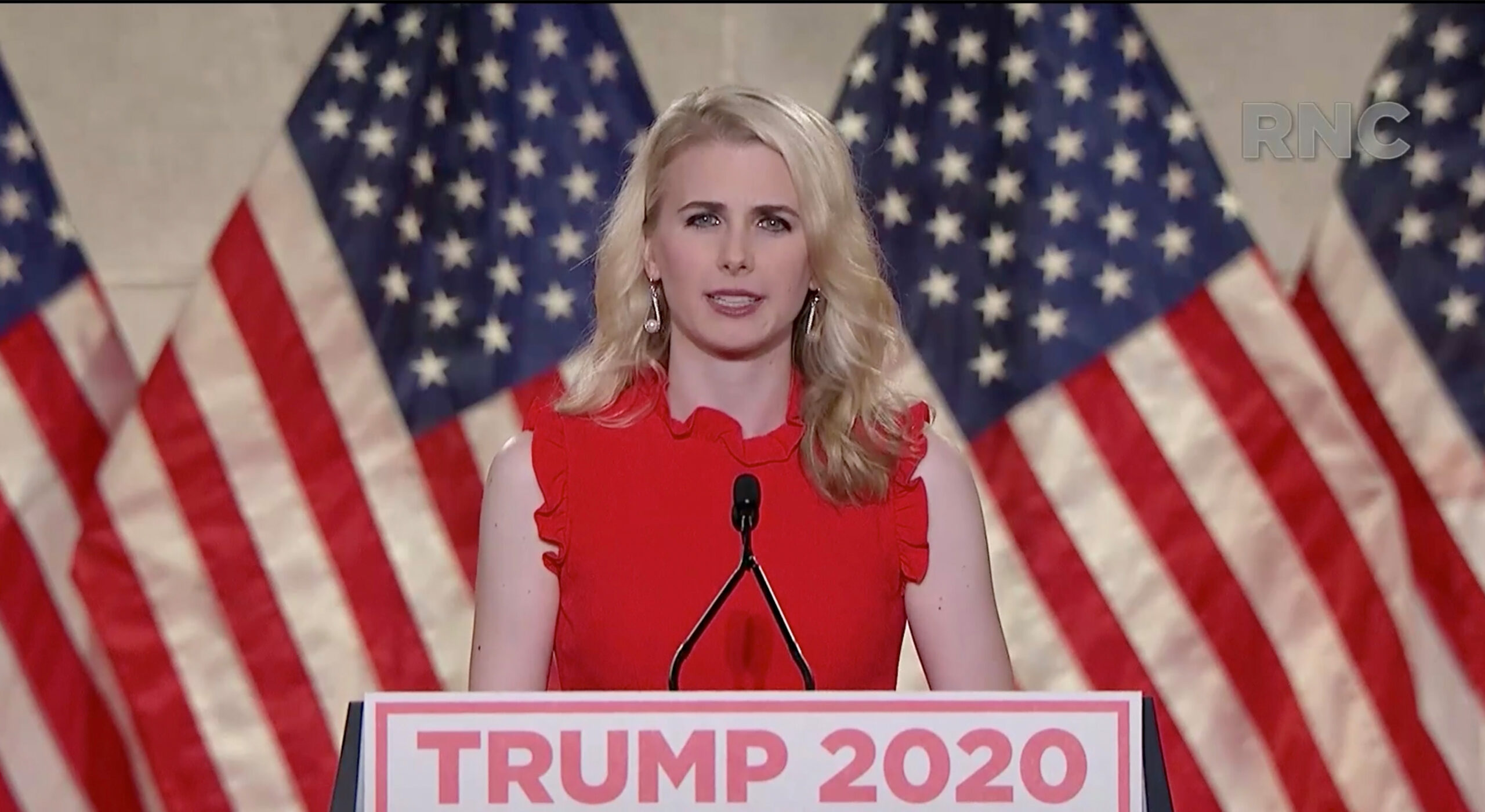
Her story resonated deeply with many viewers. At the same time, medical experts later questioned whether the Right to Try statute would have applied in her case, noting that off-label use of already approved drugs has long been permitted in cancer care. That distinction—between truly experimental drugs and approved drugs used in new ways—prompted debate about her account and its timeline.
According to reporting at the time, Harp described receiving an FDA-approved immunotherapy drug for an unapproved use, a practice commonly known as off-label treatment. Critics argued that this would not require Right to Try. They also pointed to public statements she made in early 2018 praising faster FDA approvals, which suggested she had begun a newly approved therapy before the Right to Try bill was signed.
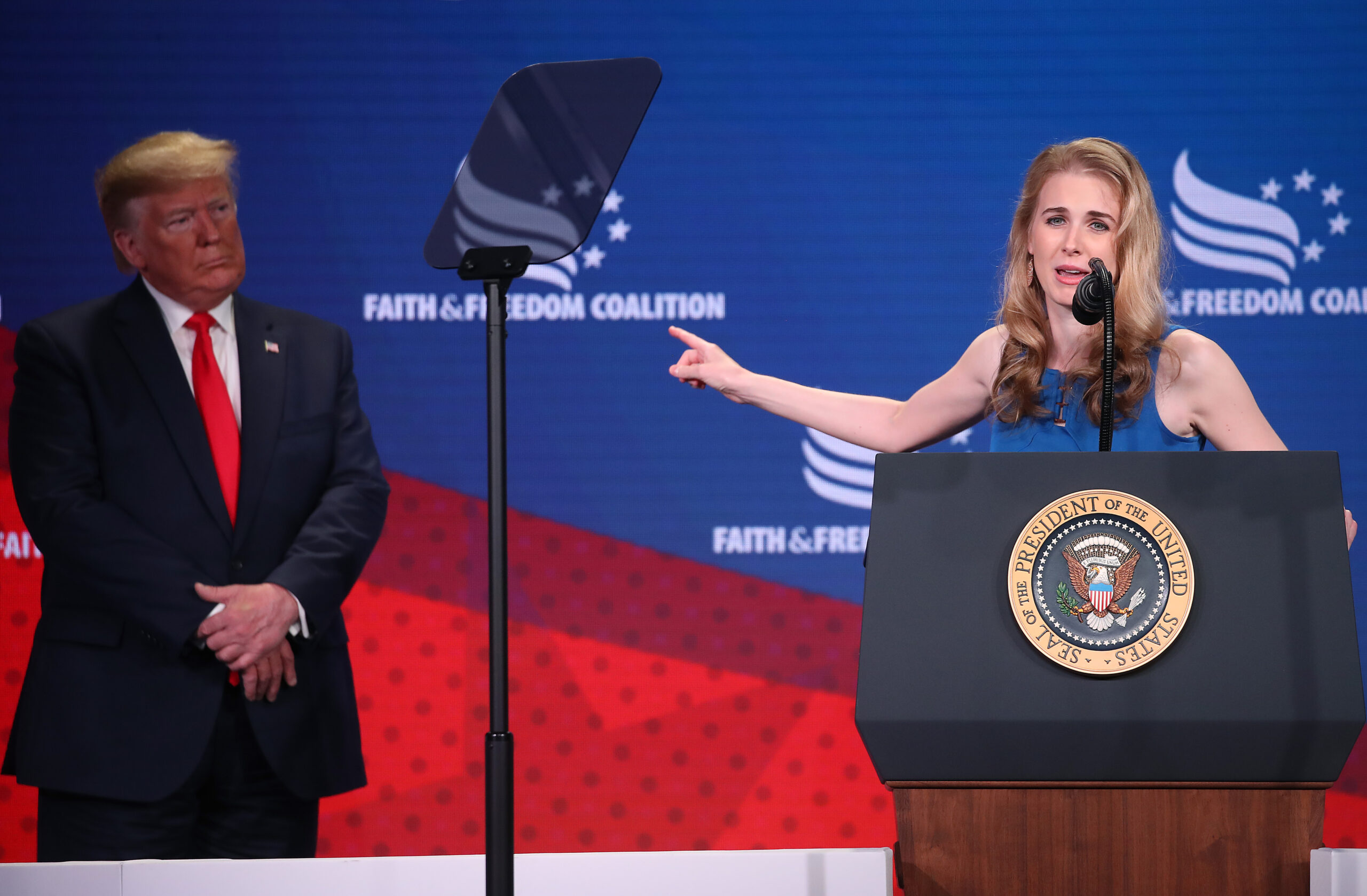
Even with those questions, the larger emotional truth remains clear: Harp felt personally grateful to Trump. That gratitude appears to have shaped a bond that later translated into deep loyalty in the workplace. To her, he wasn’t just a political leader; he was someone she believed had helped change the course of her life.
In that context, her reported attentiveness and devotion around Trump make more sense. It wasn’t merely a job description. It was, by these accounts, a relationship built on thankfulness and trust, and perhaps a sense of mission.
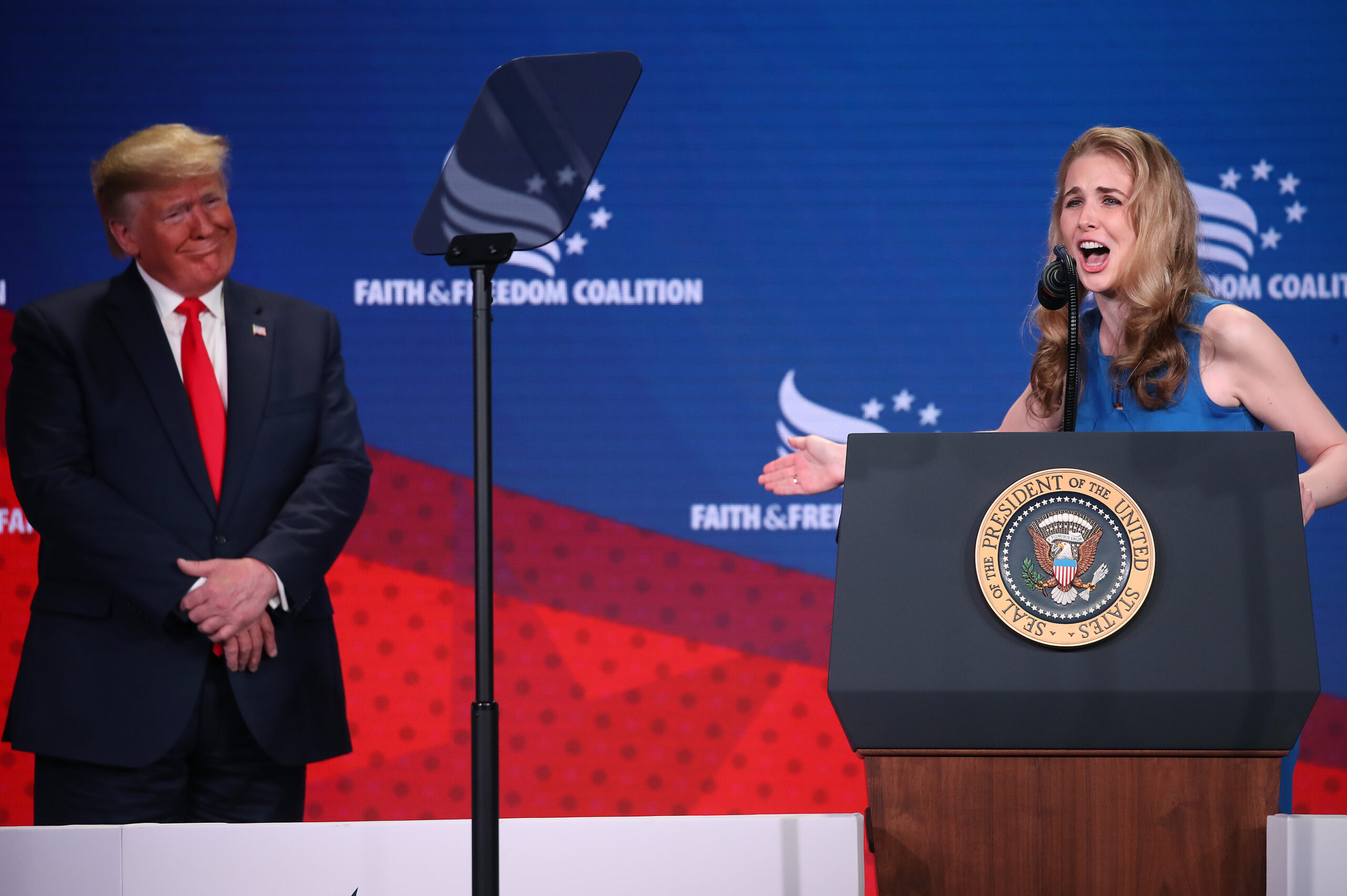
Additional details in Regime Change add color to that bond. Trump reportedly adopted a French-style pronunciation of her first name, calling her “Nathalie,” and told others that she loved him as much as his wife and children did. In the world of politics—where relationships are often transactional—such comments stand out.
“You Are All That Matters to Me”: The Private Notes That Sparked Talk
Perhaps the most eye-catching claim involves private notes. According to Regime Change, future 2024 campaign manager and later White House Chief of Staff Susie Wiles was taken aback to discover what the book describes as “adoring letters” from Harp in Trump’s personal spaces during his time out of power. One of those notes reportedly said, “You are all that matters to me.”
It’s impossible to know from the outside exactly what those notes meant in personal terms. What is clear is that their existence, coupled with Trump’s own reported comments about Harp’s devotion, fueled speculation. Was this simply intense workplace loyalty? Something more? Or just the kind of personal encouragement that can develop between a leader and a fiercely supportive staffer?
What we can say, based on the reporting, is that Harp held an unusual position. She had the seat just off to the side, the laptop open and ready, the portable printer at hand, and often the power to filter what the president saw. She was a close reader of the media conversation around Trump and an active participant in how it reached him.
Why This Story Matters—and What It Says About Power and Proximity
For anyone who has worked in an office, the idea of a trusted assistant will sound familiar. The difference here is scale. The material that crosses a president’s desk can shape how he sees the world and what he decides to do. An aide who filters that material—especially toward positive coverage—can influence not only mood, but also priorities and choices.
That is why the accounts about Harp resonate. If she indeed funneled flattering stories to Trump, helped manage his posts, and stayed within arm’s reach to respond to his requests, then she occupied a powerful spot in the daily life of a president. Add in alleged personal notes and deep expressions of loyalty, and it becomes a rare portrait of closeness inside a famously competitive and fast-moving workplace.
At the same time, the counterpoint from the White House is worth remembering. Officials describe Trump as someone who communicates directly with the public and inspires intense loyalty among his staff. From that vantage point, Harp’s devotion is a sign of confidence and shared purpose rather than something unusual.
For those watching from the outside—especially readers who value plain talk and a steady hand—the safest conclusion is to take these reports as part of a larger picture. Leaders often rely on people who make them feel supported and understood. Whether that support comes in the form of carefully chosen printouts or encouraging notes, it can be comforting, especially under the pressures of high office.
A Final Thought on Loyalty, Gatekeeping, and the Human Side of Politics
Politics can look like a game of strategy and headlines, but it is also made up of personal relationships. The story of Natalie Harp, as told by journalists and authors who have studied Trump’s world, highlights how powerful those relationships can become. Aides who are steady, quick, and loyal tend to rise; those who master the flow of information can shape how each day feels to the person in charge.
Whether you see Harp’s reported role as a simple extension of good staff work or as something more singular, the through-line is loyalty. She kept close. She stayed ready. She delivered material designed to lift the boss’s spirits. And, if the accounts are accurate, she added handwritten words meant to remind him that someone near him believed fully in his cause.
As with all reporting drawn from many sources, time will continue to test these accounts. Still, one thing is clear: in a workplace driven by access and attention, Natalie Harp’s blend of proximity, efficiency, and praise made her stand out. That is why her name keeps coming up—and why her story offers a window into how modern political power is practiced not just in speeches and rallies, but in the quiet moments when an aide walks in with a printout and a few carefully chosen words.
The information in this article is not intended as a substitute for professional medical advice, diagnosis, or treatment. All content is for general information only. Always consult your healthcare provider about personal health questions.