
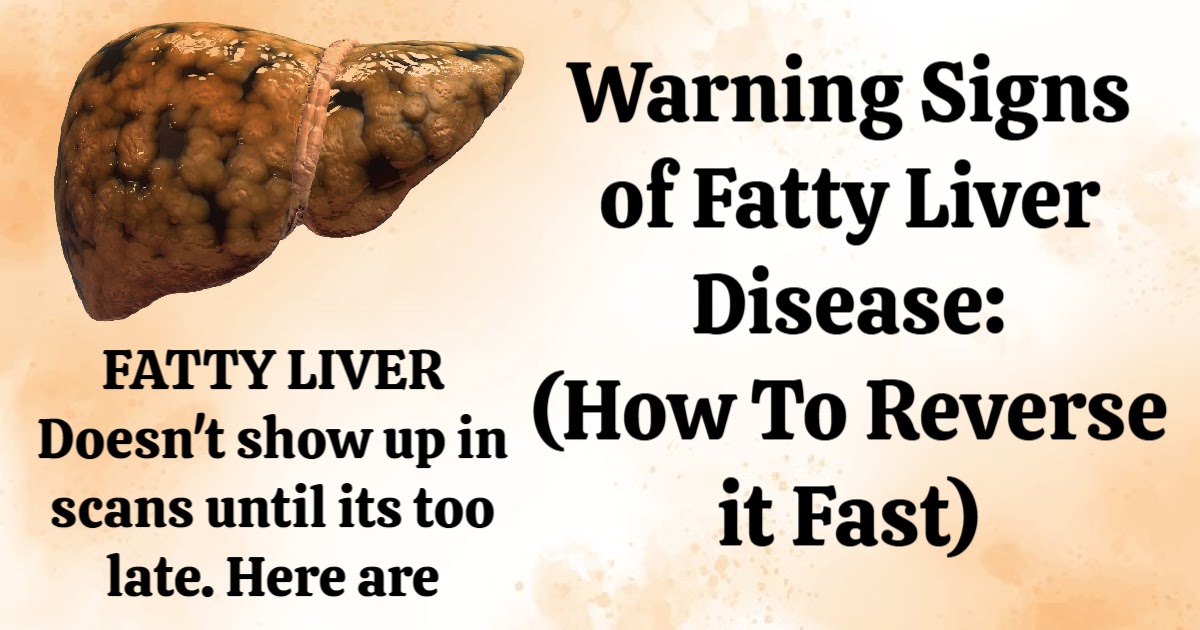
If you are in your forties, fifties, or sixties and feeling more tired than usual, noticing a thicker waistline, or seeing unfamiliar results on routine blood work, your liver might be asking for attention. Fatty liver disease is very common and often silent, but the good news is that it can improve with simple, steady changes. This friendly guide explains the early warning signs to watch for and how to begin turning things around starting today.
Understanding Fatty Liver Disease
Fatty liver disease happens when too much fat builds up inside the liver. A small amount of fat is normal, but when it creeps above a certain level, the liver becomes irritated and may not work as efficiently. Doctors often divide it into two broad types. One is related to alcohol, and the other is not related to alcohol and is closely linked with weight, blood sugar, cholesterol, and blood pressure. You may hear newer terms such as metabolic-associated steatotic liver disease, which simply reflects the strong connection between liver fat and overall metabolism.
The liver is your body’s quiet workhorse. It filters the blood, balances energy, makes important proteins, and helps with digestion. When it becomes fatty, it can still keep working for a long time, which is why many people do not notice symptoms at first. Over years, however, too much fat can lead to inflammation and scarring. The earlier you act, the easier it is to reverse or slow this process.
A Quick Look at Who Is at Risk
Anyone can develop fatty liver disease, but it becomes more common with age, especially between 45 and 65. Carrying extra weight around the middle, having type 2 diabetes or prediabetes, high triglycerides or cholesterol, high blood pressure, sleep apnea, or a family history of liver troubles can all raise the risk. Hormonal changes around menopause may also shift fat toward the abdomen, which affects the liver. Certain medications and low activity levels can contribute as well. If several of these apply to you, it is worthwhile to learn the early signs and consider a simple plan to lighten the liver’s load.
Early Warning Signs You Should Not Ignore
Many people with fatty liver feel perfectly fine. Others notice vague symptoms that are easy to brush off. Ongoing tiredness that does not match your activity level is common. A sense of fullness or mild aching under the right rib cage can occur because the liver sits on that side. Some people describe mental fuzziness or trouble focusing, often called brain fog, which may relate to fluctuating blood sugar or poor sleep.
Unexpected weight gain around the waist, higher numbers on the scale despite unchanged habits, and cravings for sweets or refined carbohydrates can be early clues. Patches of darker, velvety skin around the neck or armpits can appear in people with insulin resistance, which frequently travels with fatty liver. Routine blood tests may show mildly elevated liver enzymes, such as ALT or AST, even when you feel well. Bloating after meals, a tendency to doze off after eating, and snoring or gasping during sleep may also point toward a problem connected to metabolism and the liver.
Advanced warning signs are less subtle and deserve prompt medical attention. Yellowing of the eyes or skin, swelling of the legs or abdomen, easy bruising, confusion, or sudden changes in sleep-wake cycles can signal significant liver strain. Even if you only have mild concerns, it is better to get checked earlier rather than later. The earlier you address fatty liver, the faster and more fully it tends to improve.
How Doctors Confirm It
Most people discover fatty liver after a routine blood test shows abnormal liver enzymes or a scan for another issue reveals a fatty liver. Your clinician may repeat blood tests and ask about alcohol, medications, supplements, and medical history. An ultrasound is a common first imaging step and can often show extra fat in the liver. Other noninvasive tools, such as a vibration test called transient elastography, can measure liver stiffness and estimate scarring. In more complex situations, advanced scans or a biopsy may be considered, though this is not needed for many people.
It is encouraging to know that if scarring is limited, the process can be slowed and even reversed. Even in more advanced stages, careful lifestyle steps and medical guidance can protect the liver and improve overall health.
The Good News: You Can Turn It Around
Fatty liver is strongly influenced by everyday habits, which means you have real power to help your liver heal. Steady changes in eating patterns, movement, sleep, and alcohol use can lower liver fat within weeks and keep it down over the long term. Small, consistent steps matter more than perfection. Think in terms of building a routine that fits your life and feels sustainable.
What “Reverse It Fast” Really Means
Fast does not mean overnight. It means starting now and seeing meaningful shifts sooner than you might expect. Studies show that liver fat can drop within two to twelve weeks when you reduce added sugars, improve the quality of your meals, and become a bit more active. If weight loss is part of your plan, even a modest amount can have an outsized effect on the liver. Keep your eye on steady progress over several weeks and months, and you will likely notice improvements in energy, waistline, and blood work.
Your Food Plan Made Simple
Your liver prefers simple, real foods. A Mediterranean-style pattern is a friendly way to think about meals. That means plenty of colorful vegetables, some fruit, beans or lentils, whole grains such as oats or brown rice, nuts and seeds, and healthy fats like olive oil. Include lean proteins such as fish, poultry, eggs, or tofu, and enjoy dairy if it suits you. You do not need special products or complicated recipes to succeed.
The biggest food shift for most people is cutting back on added sugars and refined starches. Sugary drinks, including many fruit juices, sweet teas, sodas, and flavored coffees, are tough on the liver because they deliver a lot of quick sugar without making you feel full. White bread, pastries, and many snack foods act the same way in the body. Swapping these out for water, unsweetened tea, coffee without sugar, and slow-digesting carbs helps the liver release stored fat. If you enjoy fruit, choose whole fruit rather than juice to keep the beneficial fiber.
Protein is helpful for staying full and protecting muscle as you lose weight. Add a palm-sized portion of protein at meals and plan for a small protein-rich snack if late-day hunger triggers less healthy choices. Cooking at home with simple methods such as baking, grilling, roasting, or sautéing helps you control ingredients and salt. A drizzle of olive oil, a squeeze of lemon, and herbs or spices go a long way toward flavor without extra sugar.
Coffee, in moderate amounts, appears to support liver health for many people. Two to three cups a day without excess sugar or cream may offer benefits, unless your clinician has advised you to avoid it. If you do not already drink coffee, there is no need to start; the most important changes come from the overall pattern of your eating.
A Gentle Two-Week Jump-Start
The first two weeks set the tone. Focus on a few simple targets you can repeat each day. Begin by removing sugary beverages and desserts, choosing water or unsweetened drinks instead. Build meals around vegetables, proteins, and slow-burning carbohydrates, and give your body a pleasant, predictable rhythm by finishing dinner a little earlier and avoiding late-night snacking. Take a daily walk at a comfortable pace, even if it is split into short outings. Aim to go to bed a bit earlier so you wake more refreshed. These early wins build confidence and quickly lighten the liver’s workload.
Weight Loss Targets That Heal the Liver
You do not need a dramatic transformation to help your liver. Losing about three to five percent of your body weight can noticeably reduce liver fat. Losing around seven to ten percent can calm inflammation, and in some cases, ten percent or more may soften early scarring. For perspective, someone who weighs two hundred pounds might see liver benefits with a six- to ten-pound loss, and even bigger improvements with a loss of twenty pounds over time. The key is a pace you can sustain. Many people find that one to two pounds per week is steady and realistic.
Move More, Even If You Have Not Exercised In Years
Activity acts like a broom for liver fat, and it works even before the scale changes. Walking is an excellent place to start. If you have been mostly sedentary, try ten minutes after breakfast and ten minutes after dinner. Gradually lengthen the walks as your comfort grows. If your joints object, consider water exercise or a stationary bike, which can be gentler. Strength work two or three times a week keeps your muscles active, which improves how your body handles sugar. Light weights, resistance bands, or simple moves such as sit-to-stands from a chair are effective and safe when introduced slowly.
The best exercise is the one you will keep doing. Put reminders where you will see them, pair activity with something enjoyable like music or a favorite show, and celebrate each small step. Many people notice clearer thinking and better sleep within days of adding gentle, regular movement.
Alcohol, Medications, and Supplements
Alcohol adds to the liver’s workload. If your liver is already storing extra fat, avoiding alcohol is the most straightforward way to give it a break. If you choose to drink, discuss a safe plan with your clinician, especially if your liver tests are abnormal.
Be mindful with over-the-counter pain relievers and supplements. Acetaminophen is widely used but can harm the liver at high doses or when combined with alcohol. Herbal products marketed as detox cleanses can also be risky. Before starting any new supplement, check with your healthcare professional, particularly if you take medications for blood pressure, cholesterol, diabetes, thyroid, or mood.
Some prescription medicines can support overall health while you work on lifestyle changes. Cholesterol-lowering drugs are generally safe for the liver and may be important for heart risk. In certain situations, your clinician might discuss vitamin E or specific diabetes medications that help with weight loss and can indirectly benefit the liver. These choices should be tailored to you and supervised by your care team.
Sleep, Stress, and the Liver
Rest and relaxation matter more than many people realize. Poor sleep and ongoing stress push hormones that make it harder to manage blood sugar and appetite. Aim for a regular bedtime, dim lights in the evening, and a cool, quiet bedroom. If your partner notices loud snoring or pauses in your breathing at night, ask about an evaluation for sleep apnea. Treating sleep apnea can improve energy during the day and make weight loss efforts more effective.
Short, simple stress breaks add up. A few minutes of slow breathing, light stretching, or time outdoors can lower stress levels. Sunlight in the morning helps set your body clock and supports better sleep at night. These calming habits strengthen your ability to follow through on food and activity plans.
Tracking Progress and Staying Motivated
Clear feedback keeps you going. A weekly weigh-in at the same time of day shows long-term trends without obsessing over daily changes. Measuring your waist around the belly button each month can capture improvements even when the scale moves slowly. Many people also notice looser clothing, steadier energy, and fewer afternoon slumps within weeks.
Your clinician may repeat liver tests after about three months to check your progress. Improvements in ALT, AST, triglycerides, and fasting glucose are encouraging signs that your plan is working. Some people may repeat an ultrasound or a noninvasive stiffness measurement after several months to a year, especially if earlier tests were significantly abnormal.
For People Managing Diabetes, Thyroid Issues, or Menopause Changes
If you use insulin or medicines that can lower blood sugar, let your healthcare professional know you are changing your diet or losing weight so they can help you adjust doses safely. Those with thyroid conditions should keep up with routine checks, since energy, weight, and cholesterol are closely tied to thyroid function. Around menopause, shifts in hormones can move more fat to the waist and affect sleep; a steady eating pattern, regular walks, and gentle strength training are especially helpful during this time.
When To Seek Medical Care Urgently
Call for medical help right away if you notice yellowing of the skin or eyes, severe abdominal swelling, vomiting blood, black or tarry stools, confusion, or sudden drowsiness. These symptoms can signal serious liver problems that need prompt care. For most people, however, fatty liver is discovered early and responds well to calm, consistent steps at home.
A Friendly Wrap-Up
Your liver is remarkably resilient. Even if you have had fatty liver for years, it can improve when you lighten its daily load. Start with a few practical steps today. Choose simple, nourishing foods that keep your blood sugar steady. Replace sugary drinks with water or unsweetened tea and aim for earlier dinners. Add gentle movement you enjoy and settle into a regular sleep routine. Avoid alcohol while your liver heals and review medications and supplements with your clinician. Within weeks, many people feel more energetic and begin to see better numbers on their tests.
You do not have to change everything at once. Pick two or three habits that feel doable this week and repeat them until they are second nature. Then build from there. With patience and consistency, your liver can shed excess fat, your waist can trim down, and your overall health can brighten. The path is straightforward, and you can begin right now.



