
Staying Alert to Colon Health, Made Simple
As we move through our 40s, 50s, and 60s, our bodies send us signals about how they are doing. Some are easy to shrug off, while others deserve a closer look. Colon cancer is one of those conditions where paying attention early can make a real difference. The good news is that when it is found early, it is often highly treatable. This friendly guide explains the key warning signs to watch for, what they can mean, and the practical steps you can take to protect your health with confidence and calm.
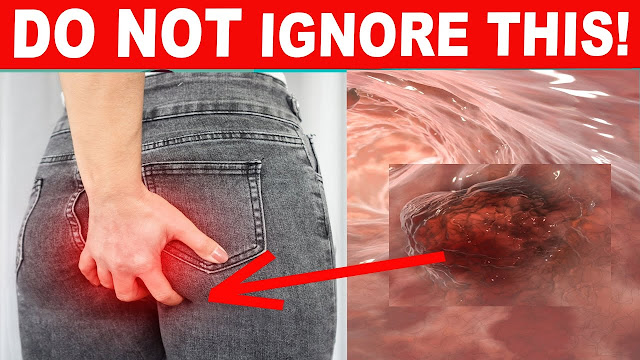
Colon cancer begins in the large intestine, often from small growths called polyps. Many polyps are harmless, but some can slowly turn into cancer over time. You cannot feel a polyp growing, which is why regular screening is so important. Still, your body can offer clues when something is not right. Knowing these clues can help you act sooner and get the right care.
Why Early Attention Matters
Catching colon cancer early greatly improves the chances of successful treatment. In its early stages, it may cause few or subtle symptoms. That is why a combination of awareness and routine screening is the safest path. Even if a symptom turns out to be caused by something less serious, such as hemorrhoids or a temporary stomach bug, it is still wise to check in with a healthcare professional if the symptom is new, persistent, or unusual for you.
How Colon Cancer Develops, In Everyday Terms
The lining of your colon renews itself constantly. Sometimes, cells grow in a way that forms a small bump. Most stay harmless, but a few can change over years and become cancer. Screening finds and removes these bumps before they turn into trouble. When symptoms do appear, they are often related to how the colon moves waste along or whether the lining is bleeding. Understanding the most common signs will help you know when to call your doctor.
The 10 Warning Signs You Should Not Ignore
1. Ongoing Changes in Your Bowel Habits
If your usual pattern shifts for more than a couple of weeks, it is worth attention. This may look like diarrhea that keeps returning, constipation that is hard to relieve, or stool that looks softer or looser than normal day after day. A short stomach bug can pass in a few days, but a longer change deserves a conversation with your doctor.
2. Blood in or on Your Stool, or Rectal Bleeding
Seeing blood when you wipe or noticing red or darker streaks in the toilet bowl can feel alarming. Sometimes it is from hemorrhoids or a small tear, but it can also be a sign of bleeding inside the colon. Bright red blood often comes from lower in the bowel, while darker maroon or almost black blood can come from higher up. Any new bleeding should be checked, especially if it repeats.
3. Persistent Abdominal Discomfort, Cramping, or Gas
Everyone has occasional discomfort, but pain, cramping, or gassiness that does not settle, keeps coming back, or feels different than your usual indigestion should not be brushed off. Discomfort tied to bowel movements, a feeling of fullness, or a dull ache that lasts can all be important clues.
4. Unexplained Weight Loss Without Trying
Weight can naturally change over time, but losing weight without any effort, changes in activity, or changes in diet deserves attention. When the body is fighting an illness, it can burn energy differently. If you notice your clothes fitting looser and you are not aiming to lose weight, tell your doctor.
5. A Feeling That Your Bowel Does Not Empty Completely
That sensation of still needing to go, even right after a bowel movement, is called tenesmus. It can be linked to irritation or blockage in the rectum or lower colon. If you find yourself returning to the bathroom often without relief, or feeling pressure in the rectal area, make a note of it and get it checked.
6. New Fatigue or Weakness That Is Hard to Explain
Many of us feel tired from busy lives, but a deep, dragging fatigue that shows up suddenly or keeps getting worse can signal anemia, a shortage of red blood cells. Slow bleeding in the colon can lead to iron-deficiency anemia, which may leave you feeling short of breath on simple walks, dizzy when standing, or just worn out for no clear reason.
7. Stools That Are Narrower Than Usual
Pay attention to the shape of your stool. If it consistently looks thinner or ribbon-like over several weeks, it might suggest a narrowing inside the colon. Occasional changes happen to everyone, but a steady change in stool shape should be shared with your doctor.
8. Black, Tarry, or Very Dark Stools
Very dark, sticky, tar-like stools can indicate bleeding higher up in the digestive tract. Iron pills or certain foods can darken stool too, but tarry consistency is different and more concerning. If your stool turns very dark and you are not taking iron, have it evaluated promptly.
9. New or Worsening Anemia on Blood Work
Sometimes, the first clue shows up on routine lab tests. If your doctor mentions low iron or a drop in your blood count, especially if you are over 50, that finding deserves a closer look. Hidden bleeding from the colon can reduce iron stores slowly over time.
10. Nausea, Vomiting, or Bloating That Does Not Resolve
A stomach upset that clears in a day or two is common. However, ongoing nausea, repeated vomiting, or a feeling of persistent bloating or fullness may suggest a blockage or inflammation in the bowel. If these symptoms linger or worsen, arrange a visit with your healthcare professional.
When to Call Your Doctor
Trust your instincts. If you notice any of these signs lasting more than two to three weeks, or they are getting worse, it is time to get checked. Seek quicker care if you see heavy bleeding, feel faint, have severe belly pain, or cannot keep fluids down. Even if your symptoms turn out to be from a non-cancer cause, you will have peace of mind and, if needed, a plan to feel better.
Screening Saves Lives, Especially After 45
Screening looks for early changes before symptoms begin. Many people should start regular screening at age 45 and continue through their mid-70s. There are several safe, effective options. A colonoscopy allows the doctor to view the entire colon and remove any polyps during the same visit. Many people only need this every 10 years if results are normal. At-home stool tests look for hidden blood or DNA changes and are typically done every year or every three years, depending on the test. If a stool test shows something abnormal, the next step is usually a colonoscopy to learn more.
If you have a family history of colon cancer or certain polyps, inflammatory bowel conditions, or other risk factors, your doctor may suggest starting earlier or testing more often. The key point is simple: the right screening at the right time can prevent cancer from developing or catch it when it is most curable.
Understanding Risk, Without Fear
Age is one of the strongest risk factors. As we reach our 50s and 60s, the chances of colon changes increase. Family history can also play a role, particularly if a close relative had colon cancer or advanced polyps. Lifestyle matters too. Carrying extra weight, moving less, smoking, and drinking more alcohol can all add strain to the digestive system. Diets low in fiber and high in processed meats may nudge risk upward. None of these risks mean you will get cancer, but they are reasons to lean into healthy habits and keep up with screening.
Simple Ways to Support a Healthy Colon
Small steps add up. Fill your plate with colorful vegetables, fruits, beans, and whole grains to keep things moving naturally. Choose lean proteins and limit processed meats like bacon and sausage. Aim to move your body most days, even if it is just a brisk walk or light stretching. If you use tobacco, talk to your doctor about tools that can help you quit. Keep alcohol in moderation or skip it if you prefer. If you live with diabetes or high blood pressure, follow your treatment plan. These steady, realistic choices can lower your overall risk and boost your energy at any age.
What to Expect If You Need a Colonoscopy
Many people worry about the preparation more than the procedure itself. The day before, you will drink a special solution to clean out the colon so the doctor can see clearly. It is not anyone’s favorite task, but it is temporary and very worthwhile. On the day of the procedure, you will usually receive medication to help you nap comfortably. The doctor gently guides a flexible camera through the colon. If a polyp is found, it can often be removed right then and there. Most people head home the same day and return to normal activities soon after. Friends often say, “That was easier than I expected.”
Talking With Your Doctor, Made Easier
Before your visit, jot down your symptoms and when they started. Note any changes in your energy, appetite, or bathroom patterns. Include your medications and supplements, especially iron pills or blood thinners. Share any family history of colon cancer or polyps. Your doctor may suggest blood work, a stool test, or a colonoscopy based on your story. Clear, simple information helps your healthcare team choose the right next step for you.
Common Misunderstandings, Clarified
It is a myth that colon cancer is only a concern for men or only for very old adults. Women get it too, and risk begins to rise in midlife for everyone. Another myth is that rectal bleeding is always from hemorrhoids. While hemorrhoids are common, it is safer to confirm the cause rather than assume. Some people worry that a colonoscopy will be painful or dangerous. In reality, it is a very common, generally safe procedure with careful monitoring. Finally, do not let embarrassment keep you silent. Doctors talk about these topics every day, and your questions are always welcome.
How to Tell What Is Urgent
Most symptoms have more than one possible cause, which is why guidance from a professional is so helpful. A few situations call for quicker action, such as heavy rectal bleeding, black tarry stools with dizziness or fainting, severe belly pain, sudden swelling of the abdomen, or vomiting that does not stop. If you experience any of these, seek prompt care. Otherwise, plan a regular appointment and bring your notes so nothing gets overlooked.
Encouragement for Today
If you recognize yourself in any of the signs described here, take a steady, practical approach. Make the appointment, ask your questions, and follow through with screening. Every step you take is a step toward peace of mind. Colon cancer is most treatable when caught early, and many cases can be prevented altogether through screening and healthy habits. You deserve clear answers and good care, and it is never too late to start.
A Final Word of Reassurance
Your body is wise. When it sends signals, it is asking for your attention and care. Listening does not mean alarm; it means giving yourself the benefit of timely information. Keep this guide handy, share it with someone you care about, and use it as a reminder to look after your colon health. If something feels off, reach out to your doctor. The combination of your attention and modern screening is powerful, and it is fully within your reach today.