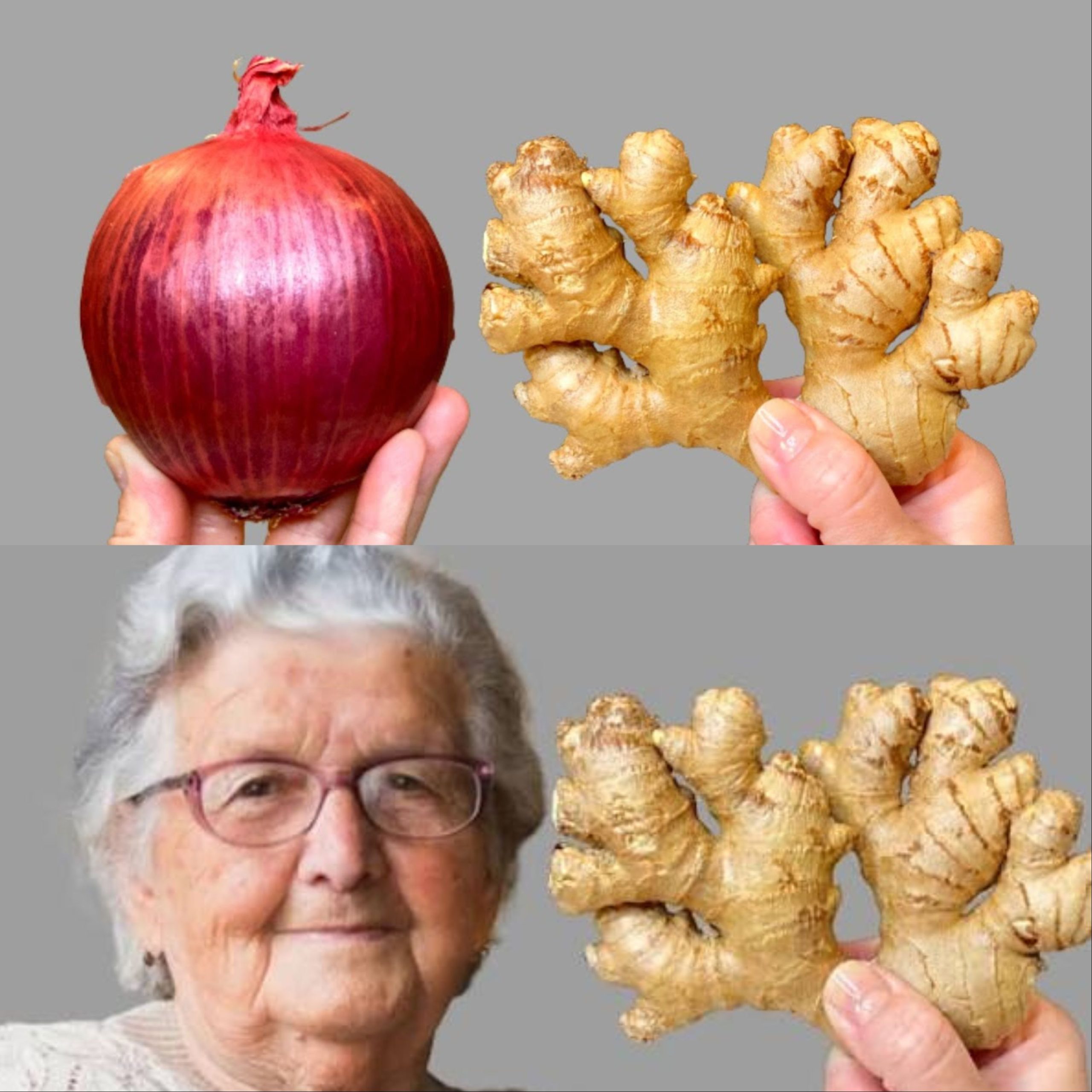
A simple routine that supports steady energy and calm clarity
Many of us know someone who seems to move through the years with steady energy, a clear mind, and generally reliable health. It is easy to assume there is a secret cure or a special product involved, but in most cases the real magic is much simpler. Small daily habits, practiced consistently, tend to add up. One such habit that has been passed down through families across generations is a warm tonic made with ginger and red onion.
Before we go any further, an important note is in order. No single drink can promise perfect health, restore eyesight completely, or guarantee normal blood pressure forever. Health depends on many factors, including genetics, regular movement, the quality of our sleep, stress levels, the food we eat, and the care we receive from our health professionals. That said, ginger and red onion have long been appreciated for the gentle support they can offer to circulation, digestion, immune function, and overall vitality. Used as part of a balanced routine, this simple tonic can become a calming, nourishing ritual.
Why ginger and red onion make a helpful pair
Ginger has a warm, comforting character that many people find soothing. It is known for supporting healthy circulation and for helping the digestive system settle after meals. Ginger naturally contains compounds with antioxidant activity, which means they help the body protect its cells from everyday wear and tear. Over time, this kind of support can make a noticeable difference in how you feel day to day, especially during colder seasons or whenever your system feels a bit sluggish.
Red onion brings a slightly different kind of help. Its beautiful color hints at the presence of antioxidant compounds, including quercetin, that have been studied for their role in easing everyday inflammation. Red onion also contains sulfur-based compounds that contribute to its distinctive aroma and may play a role in supporting comfortable circulation. While we should avoid grand promises, many people find that including red onion regularly, whether in meals or in a gentle tonic, helps them feel more stable and balanced.
Together, ginger and red onion create a warm, slightly spicy blend that supports the body’s natural processes. If you enjoy a comforting morning beverage that does more than just wake you up, this tonic may be a pleasant addition to your routine.
The tonic, described step by step
Preparing the tonic is straightforward. Begin by choosing a fresh piece of ginger that feels firm and has smooth skin. For one large mug, a piece of ginger about the length of your thumb is usually enough. Rinse it under cool water and, if you prefer, peel it lightly with the edge of a spoon. Slice it thinly so the warm water can reach all the flavorful parts.
Next, select a small piece of red onion. You do not need very much; a slice about as thick as your little finger, or roughly one eighth of a small onion, is usually sufficient for a single cup. Peel away the dry outer layer and slice the onion into thin slivers. Thin slices allow more of the gentle, beneficial compounds to infuse into the water without overpowering the flavor.
Bring fresh water to a steady simmer. For one generous serving, use about two cups of water to give the ginger and onion space to release their flavors. Once the water is gently bubbling, lower the heat so it is not boiling vigorously. Add the sliced ginger and the red onion slivers to the pot, and let them sit in the hot water for about ten to fifteen minutes. You are aiming for a warm infusion rather than a hard boil. This approach keeps the taste rounded and pleasant while allowing the ingredients to mingle.
When the aroma turns inviting and the color of the water deepens slightly, turn off the heat. Allow the mixture to rest for a couple of minutes so the flavors can settle. Strain the liquid into your favorite mug. If the taste is stronger than you prefer, simply add a little extra hot water to balance it. If you enjoy a gentle touch of brightness, a small squeeze of fresh lemon can soften the edges. If you like a hint of sweetness, a small teaspoon of honey can be soothing, especially on cool mornings. If you monitor your blood sugar, consider enjoying it without sweetener or choose a very small amount.
Some people prefer a cooler version in warmer months. If that sounds appealing, prepare the infusion the same way, let it cool, and then refrigerate it. A chilled ginger and red onion tonic can be refreshing in the afternoon, especially when sipped slowly.
When and how to drink it for steady benefits
Many people enjoy a cup first thing in the morning before breakfast. Sipped slowly, it can feel like a gentle wake-up for the senses and a comfortable way to settle into the day. Others find an afternoon cup helps them through the natural dip in energy that sometimes arrives after lunch. If your stomach is sensitive, enjoy the tonic with a small snack rather than on an empty stomach and adjust the amount of ginger to suit your taste.
Consistency matters far more than intensity. A single strong dose is unlikely to make a lasting difference, while a modest cup enjoyed several times a week can become a steady, supportive habit. If you decide to try it, consider keeping notes for a couple of weeks about how you feel. Pay attention to your digestion, your sense of warmth in the body, and your overall clarity. Gentle routines often reveal their value gradually.
What you may notice with steady use
With regular use over several weeks, many people describe a sense of comfortable warmth after drinking the tonic, along with a settled, easy feeling in the stomach. Some report that their midafternoon energy becomes more even, and that the gentle spice of ginger helps clear the head a bit during times of sluggishness. Because red onion contains antioxidant compounds, a few people find their general sense of resilience improves. Of course, results vary from person to person, and your experience will be uniquely your own.
It is also common to notice that the simple act of pausing for a warm, homemade drink becomes a calming ritual. This pause can ease stress, which in itself has meaningful benefits for blood pressure, digestion, and sleep quality. Sometimes it is the combination of the ingredients and the moment of quiet that creates the real change.
How this tonic fits into the bigger picture of health
Good routines work best in harmony with the other parts of daily life. If you enjoy this tonic, consider pairing it with a short morning walk, a few minutes of gentle stretching, or a brief breathing practice. These small choices support circulation and help the body make the most of the warm infusion you are giving it. Paying attention to steady sleep, choosing mostly whole foods, and keeping stress in check all contribute to the calm, clear feeling many of us seek as the years go by.
For eye comfort and clarity, remember that no food or drink can fully reverse vision changes or restore eyesight to perfection. Regular eye exams, proper lighting for reading, protecting your eyes from bright sunlight, staying hydrated, and eating a variety of colorful vegetables can support long-term eye health. The tonic can be part of this supportive landscape, not a cure-all but a friendly companion to the habits that serve you well.
Safety and common-sense precautions
While ginger and red onion are common kitchen ingredients, it is still wise to use them thoughtfully. If you take blood-thinning medications or have a bleeding disorder, speak with your clinician before making ginger a daily habit, as ginger can have a mild blood-thinning effect. If you live with reflux, heartburn, or a very sensitive stomach, start with a smaller amount of ginger and see how you feel, since spice can sometimes trigger discomfort. Those with gallstones or certain biliary conditions may also wish to consult a professional before using ginger regularly.
If you monitor your blood sugar carefully, remember that even natural sweeteners can add up, so consider enjoying the tonic without honey. If you have an onion sensitivity, try reducing the onion to a very thin slice or omit it for a time to test your comfort. If you notice any unusual symptoms after drinking the tonic, stop and discuss them with a healthcare professional who knows your history.
As always, if you are managing blood pressure, keep measuring it regularly and follow your clinician’s plan. A soothing drink can be a helpful part of the day, but it does not replace prescribed medications or medical advice.
Practical tips for taste and comfort
If you find the flavor too bold at first, reduce the ginger to just a few thin slices and use a delicate sliver of red onion. You can always add more next time. Over a week or two, many people discover their preferred balance. A touch of lemon can brighten the cup without adding sweetness, while a thin slice of apple simmered with the ginger can add a mellow note that some people love. If you enjoy herbal aromas, a small piece of cinnamon stick added during the simmer can round out the flavor, though this is purely optional.
Temperature matters too. If your body feels chilled, enjoy the tonic quite warm and sip it slowly to feel the gentle heat spread. On summer days, allow it to cool fully and pour it over a few ice cubes for a calm, refreshing experience. In either case, let your senses guide you toward what feels best.
Making it a comforting part of your day
Healthy routines become easier when you attach them to moments that already exist in your schedule. You might prepare the tonic just after you make the bed or right after a short morning stretch. Some prefer to brew a larger amount in the morning, keeping half for an afternoon cup so it is ready when energy dips. If you enjoy journaling, you might note a sentence about how you feel after drinking it, creating a simple record that helps you notice changes over time.
Share the experience if you wish. Preparing an extra cup for a partner or a friend can turn the tonic into a small daily ceremony. Quiet conversation over a warm, homemade drink can ease tension and restore a sense of connection, and that connection is a potent part of well-being in its own right.
What to expect and what not to expect
It can be motivating to hear stories about people who describe years of feeling well, with clear vision, a steady mind, and comfortable blood pressure. Those stories are encouraging, and they often reflect a collection of wise habits practiced over time. At the same time, it helps to keep expectations realistic. A tonic, no matter how soothing, is not a shield against every cold or a cure for age-related changes in the eyes or the cardiovascular system. Instead, think of this drink as a friendly ally in a broader approach to caring for yourself.
If you do not notice much after the first week, do not be discouraged. Small changes can be subtle. You may find that the most valuable part is the pause it creates in your day, the warmth in your hands, and the sense of caring for yourself with something made from simple, familiar ingredients.
Adapting the tonic to your needs
Everyone’s body is different, and that is perfectly fine. If you prefer a gentler version, simmer the ginger and onion for a shorter time, perhaps six or seven minutes, and dilute the cup with a bit more hot water. If you enjoy a stronger sip, let it infuse a little longer, tasting as you go. If you find onion flavor too forward, try using the inner layers of the onion, which are milder, or briefly rinse the sliced onion under cool water before adding it to the pot. If you absolutely cannot tolerate onion, you can prepare a ginger-only infusion and still enjoy many of its soothing qualities.
For those who love a savory touch, a tiny pinch of sea salt can give the tonic a comforting broth-like note, though it is best to keep the amount very small, especially if you are watching your sodium intake. If you prefer a brighter profile without sweetness, a ribbon of lemon peel simmered alongside the ginger offers a lovely aroma.
Supporting eye comfort with everyday care
Questions often arise about vision, and it is natural to hope for something simple that can restore eyesight fully. While a nourishing diet and good hydration support eye tissues, there is no food or drink that restores vision by one hundred percent in a week. What you can do is create conditions that help your eyes function comfortably. Rest your eyes regularly when reading or using screens. Wear sunglasses in bright sunlight. Keep rooms well lit to reduce strain. Choose meals that include leafy greens, colorful vegetables, and sources of healthy fats that support eye health over time.
If your eyes feel dry or your vision seems to change, make an appointment with an eye care professional. Early attention to changes often makes a meaningful difference, and regular exams are one of the most reliable ways to protect your sight.
A gentle closing thought
Ginger and red onion will not guarantee a life free from illness, but they offer a warm, time-tested way to support your body’s natural balance. A simple cup prepared with care can help you feel a little clearer, a little lighter, and a little more at ease. When paired with consistent habits, unhurried meals, a bit of daily movement, and regular checkups, this tonic can become a steady companion on your path to well-being.
Lasting health seldom comes from a single miracle. More often, it grows from small choices repeated kindly, day after day. If this tonic appeals to you, make it your own, enjoy it at a pace that suits you, and let the warmth remind you that caring for yourself can be both simple and deeply satisfying.