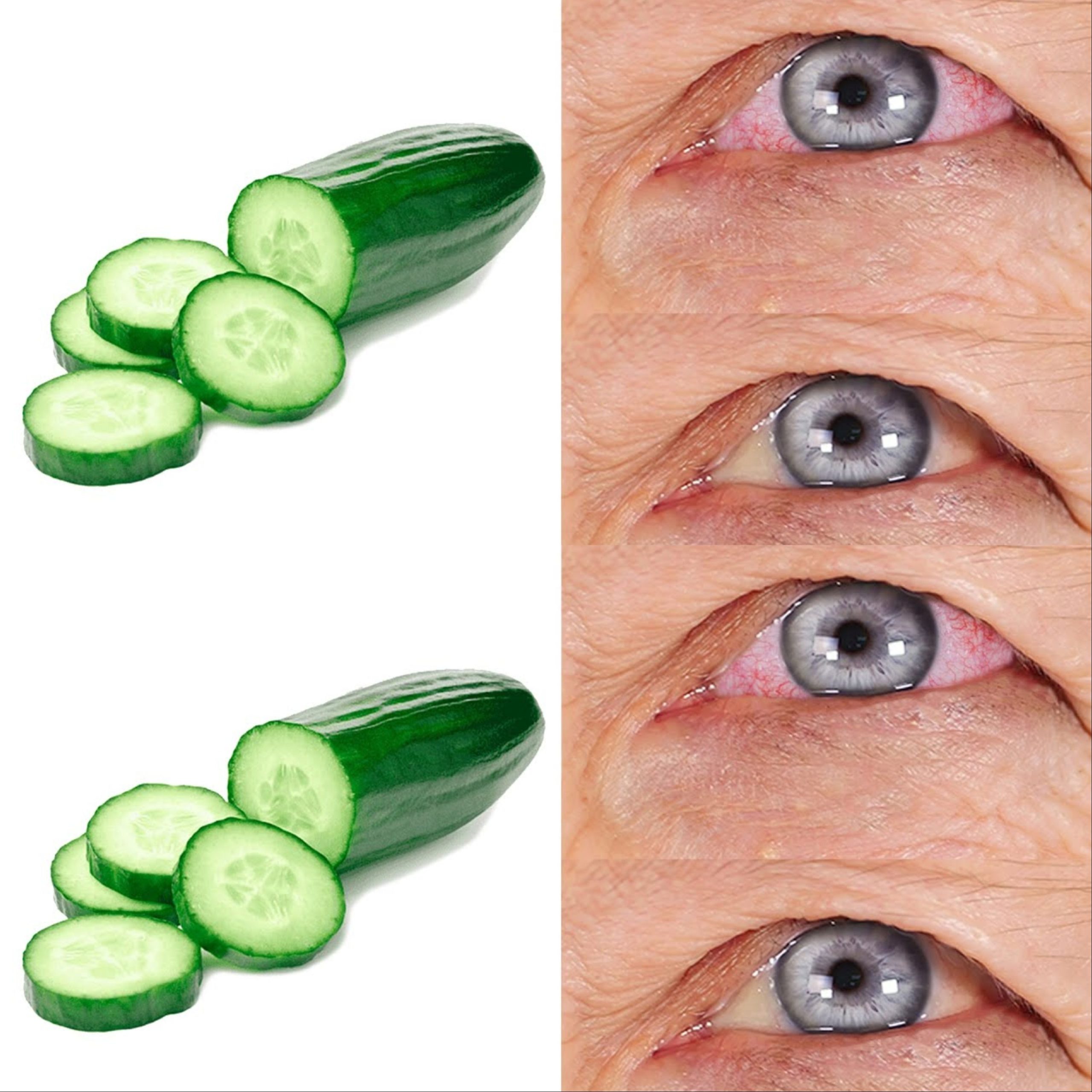
Many of us have heard that cucumbers are good for the eyes. You might even remember seeing people at a spa relaxing with cool slices placed over their eyelids. There is a reason this simple habit has been passed down for generations. While cucumber will not restore eyesight or replace glasses, it can help your eyes feel more comfortable, especially when they are tired, puffy, or dry. If you enjoy cucumber regularly as part of a balanced diet, you are giving your body gentle support in a natural, refreshing way.
It is important to be honest from the start. No food can improve your eyesight in a week, and cucumbers are no exception. They cannot correct common vision changes like nearsightedness, farsightedness, or the age-related need for reading glasses. However, cucumbers are packed with water and helpful nutrients that support overall wellness, including the comfort of your eyes and the delicate skin around them. Think of cucumber as a small but pleasant piece of a bigger picture for eye health and everyday comfort.
What Cucumber Really Offers Your Body and Eyes
Cucumbers are mostly water, and that is one of their biggest strengths. Good hydration helps every system in the body, including your eyes. When you are well hydrated, your natural tear film stays more balanced, which can make your eyes feel less dry and irritated. If you spend long hours reading, looking at a computer, or watching television, you may notice your eyes feel tired by the end of the day. Enjoying water-rich foods like cucumber can help support overall hydration, which many people find makes a difference in day-to-day comfort.
Beyond water, cucumbers contain vitamin C, a well-known antioxidant. Antioxidants help protect cells from everyday wear and tear. The eyes have tiny blood vessels that benefit from the overall support vitamin C provides to blood vessel health. Cucumbers also provide a small amount of silica, a mineral that plays a role in connective tissues, such as the skin around the eyes. While the amounts are not large, every little bit can contribute to a balanced, nourishing diet.
It helps to keep expectations realistic. Cucumbers do not contain the highest levels of eye-specific nutrients like lutein and zeaxanthin compared to leafy greens, nor do they have as much vitamin A as orange or dark green vegetables. Still, cucumbers fit beautifully into a healthy plate because they are light, refreshing, and easy to eat regularly. When you build a diet that includes a variety of colorful fruits and vegetables, cucumbers add hydration and crispness without a lot of calories or sodium.
Can Cucumber Improve Eyesight in a Week?
This is a common question, and the short answer is no. Vision typically changes slowly over time and is influenced by the shape of the eye, the health of the lens and retina, and other personal factors. For most adults in their forties, fifties, and sixties, a normal change called presbyopia makes it harder to focus on close objects. That is why many people start using readers or bifocals. Foods, including cucumber, cannot reverse this natural process, and they cannot remove cataracts or repair conditions like macular degeneration or glaucoma.
What cucumbers can do is help your eyes feel better day to day. If your eyes are puffy in the morning, the cool temperature and gentle moisture of cucumber slices can be soothing. If your body needs more hydration, cucumber is a pleasant, easy way to add water to your meals and snacks. When you think of cucumber this way, it becomes a tool for comfort and wellness rather than a miracle cure. That perspective leads to better results and less frustration.
Simple Ways to Enjoy Cucumber Every Day
One of the nicest things about cucumbers is how simple they are to use. Many people enjoy adding a few slices to a glass of water for a refreshing flavor without added sugar. Others prefer to include cucumber in salads for a crisp bite. You can layer slices into a sandwich, pair them with a small portion of cheese or hummus, or mix them with plain yogurt, a pinch of salt, and chopped herbs for a cool side dish. If you like soup, a chilled cucumber blend with plain yogurt and a squeeze of lemon can be a gentle, soothing option for warmer months.
For those who watch their sodium, fresh cucumber is an excellent choice because it is naturally low in salt. Pickled cucumbers can be delicious, but they often contain a lot of sodium, which may not be the best option if you are mindful of blood pressure or fluid balance. Enjoying fresh cucumber most of the time gives you the benefits without the extra salt.
A Comfortable Cucumber Eye Soother
Placing cool cucumber slices over your closed eyelids is a small self-care habit that can feel wonderful. To try it, start with a clean cucumber and rinse it under running water. Cut two slices about a quarter inch thick and place them in the refrigerator for a short time so they become pleasantly cool. Lean back in a chair or lie down on a comfortable surface, close your eyes, and rest a slice gently on each eyelid. Leave the slices in place for about ten minutes while you breathe slowly and relax your face and shoulders.
The cool temperature and light pressure can help calm puffiness and soothe tired skin. When you are done, remove the slices and discard them. Gently pat the skin around your eyes with a clean tissue. Try not to let cucumber juice get into your eyes, and if it does, rinse with clean water. If you have sensitive skin, test a small area on your arm first. If you have an eye infection, a stye, or any open skin near your eyes, wait until it heals before using cucumber on this area.
Broader Habits That Support Eye Health
Cucumber works best as part of a larger plan for taking care of your eyes. Regular eye checkups are important, especially after age forty. A routine exam can catch problems like glaucoma early, long before you notice symptoms. Sunglasses that block ultraviolet light help protect the delicate lens and retina from sun damage. If you spend a lot of time on screens, it can help to follow a simple method where you gently look away from the screen every twenty minutes to rest your focus on something across the room. Blinking more often and adjusting the brightness of your screen can also make a difference.
Many people notice their eyes feel better when the air around them is not too dry. A small humidifier in the bedroom during the colder months, staying well hydrated during the day, and using lubricating eye drops approved by your eye care professional can help reduce irritation. Quality sleep also supports your eyes. When you wake up feeling rested, your eyes usually feel better too.
Nutrition for Eyes Beyond Cucumber
While cucumber offers hydration and a touch of vitamin C, your eyes benefit from a variety of nutrients that come from many different foods. Leafy greens such as spinach and kale are known for lutein and zeaxanthin, which concentrate in the retina. Orange and yellow vegetables like carrots and sweet potatoes provide beta carotene, which your body can convert into vitamin A. Eggs offer lutein and zeaxanthin in a form that is easy for the body to use. Fish such as salmon provide omega-3 fats that support the oily layer of your tears, which can help with dry eye comfort for some people.
Nuts and seeds, including walnuts and flaxseeds, add helpful fats and vitamin E to your diet. Beans and lentils are good sources of plant-based protein and minerals. Whole grains, fruits, and vegetables support steady blood sugar, which is important for eye health over time. Together, these foods create a foundation that helps your eyes work their best, even as they naturally change with age. When you include cucumber alongside these choices, you build a pattern of eating that respects your eyes and your overall well-being.
Safety Tips for Enjoying Cucumber
Preparing cucumber safely is easy. Rinse it well under running water before slicing, even if you plan to peel it. If the cucumber has a waxy coating, you may prefer to peel it. If you enjoy the peel, that is perfectly fine; the dark green skin contains fiber and some nutrients. Use a clean cutting board and knife, and store leftover slices in the refrigerator in a covered container to keep them crisp. When using cucumber on the skin around the eyes, always use fresh slices and discard them after one use.
It is also helpful to be mindful of pickled cucumbers if you are watching your sodium intake. While they can be a tasty treat, they are often high in salt. Fresh cucumber gives you the refreshing crunch without the extra sodium, which many people find a better fit for daily eating.
When to See an Eye Care Professional
Cucumber can be a pleasant addition to your routine, but it is not a treatment for eye disease. If you notice sudden changes in your vision, flashes of light, a shower of new floaters, eye pain, double vision, or halos around lights, seek care promptly. If your eyes are frequently red, dry, or uncomfortable, or if reading has become much more difficult in a short time, a professional exam can help find the cause and the best way to address it. Regular visits also help monitor for conditions like cataracts, glaucoma, and changes related to diabetes or high blood pressure.
Making Cucumber a Calm Daily Habit
Adding cucumber to your day can be as simple as placing a small bowl of slices on the table at lunch or dinner. Many people enjoy a few slices while preparing a meal, which naturally increases hydration before the main course. You might keep a pitcher of water in the refrigerator with a handful of cucumber rounds for a clean, refreshing taste that encourages you to drink a bit more. If you have a garden or a local market, choosing firm, heavy cucumbers with smooth skin will usually give you the best flavor and texture.
If you enjoy a quiet moment in the afternoon, you could combine a short rest with a cucumber eye soother. Sit comfortably, place the cool slices over your eyelids, and listen to calming music or simply breathe in a relaxed way. In ten minutes, you may feel brighter and more refreshed. While it is not a cure for vision problems, it is a gentle pause that many people find helpful.
What to Expect and What Not to Expect
It helps to approach cucumber with clear expectations. Expect a crisp, hydrating food that supports comfort. Expect a simple, soothing option for puffy or tired eyes. Expect an easy way to add freshness to meals and to water. Do not expect cucumber to correct your vision, replace your glasses, or resolve medical eye conditions. When you understand what cucumber can and cannot do, you will likely enjoy it more and appreciate the small but real benefits it offers.
Your eyes work hard for you every day, whether you are reading a favorite book, following a recipe, or watching a grandchild’s performance. Caring for them with sensible habits, regular exams, and a nourishing diet is a practical, down-to-earth approach. Cucumber fits nicely into this plan, not as a miracle, but as a refreshing part of a lifestyle that respects your eyes and your overall health.
A Friendly Final Thought
Cucumber is not a fast fix for vision, and it is not a replacement for prescription glasses or professional care. It is, however, a simple pleasure that can make your eyes feel more comfortable and your meals more enjoyable. A few slices on your plate, a cool moment of rest with slices over your eyelids, or a pitcher of cucumber-infused water in the refrigerator can all add up to a small daily kindness to yourself. Paired with regular checkups, sun protection, balanced meals, and short screen breaks, this humble vegetable can help support the comfort that makes everyday life easier on your eyes.
As you explore what helps your eyes feel their best, consider cucumber as a soothing companion. It is easy to find, easy to prepare, and easy to enjoy. Most of all, it encourages a calm, caring approach to your eye health that can serve you well today and in the years ahead.