
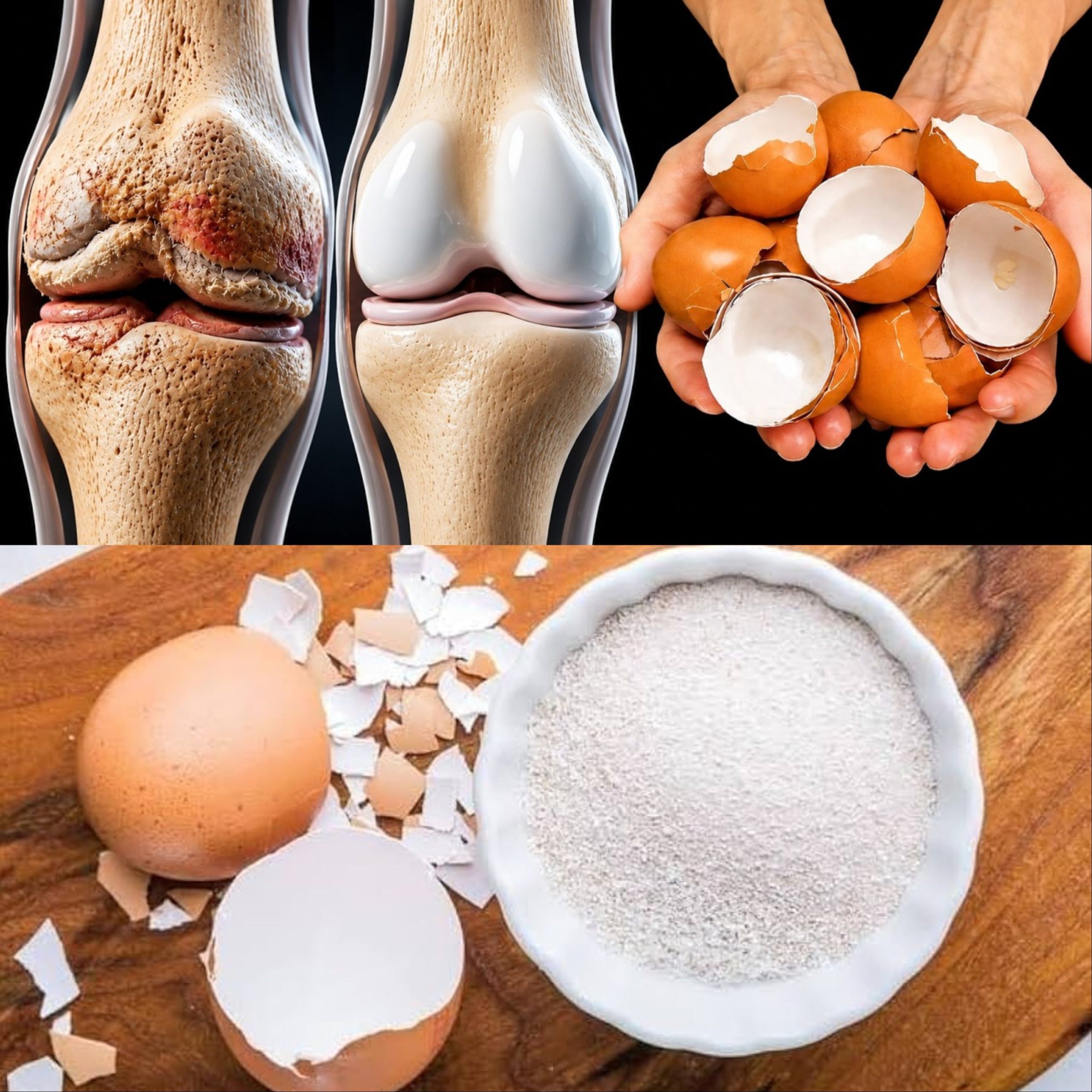
A simple kitchen habit that may help your bones and joints feel stronger
Most of us crack an egg, make our breakfast, and sweep the shells into the bin without a second thought. Yet inside that fragile casing is a rich source of minerals your body can use, especially as the years go by. Many people are surprised to learn that carefully prepared eggshell powder can be a gentle, natural way to support stronger bones, steadier steps, and more comfortable movement. It is not a magic cure and it does not replace medical care, but for many, it becomes a helpful daily habit that fits easily into normal life.
If walking has started to feel stiff or unsteady, you already know how much the little things matter. A short stroll around the block, a few minutes of gardening, or getting up from a chair can feel different than it used to. The goal here is to make those everyday moments easier and more confident. With the right preparation and a bit of patience, eggshells—something you already have in the kitchen—may offer a simple boost to the nutrition your bones and joints rely on.
Why eggshells may be helpful as we age
Eggshells are made mostly of calcium carbonate. That is the same form of calcium that makes up much of your bones and teeth. As we get older, our bones naturally lose density. This is why doctors so often talk about calcium and vitamin D for people in their fifties, sixties, and beyond. When your body gets enough calcium over time, it helps maintain bone strength and supports the tissues that keep you moving comfortably.
Beyond calcium, eggshells include small amounts of other helpful trace minerals like magnesium and potassium. The thin inner lining of an egg, called the eggshell membrane, contains natural compounds such as collagen and hyaluronic acid. These are similar to the building blocks found in the connective tissues that cushion your joints. While the shell itself is not a joint supplement, finely ground, properly prepared shells can contribute to your daily calcium intake, and keeping up with calcium is one practical piece of overall joint and bone care.
It is important to stay realistic. Eggshell powder is not a treatment for a medical condition all by itself, and it does not replace the advice of your healthcare provider. Think of it more like adding a helpful food-based source of minerals to your day, much like including a serving of yogurt or leafy greens. Over weeks and months, many people notice their steps feeling smoother and their joints less stiff, especially when this habit is combined with steady movement, sensible exercise, and good sleep.
How to prepare eggshell powder safely and effectively
Good results begin with good preparation. Cleanliness and a fine grind make a big difference. Start by saving the shells from eggs you would feel comfortable serving to your family. Rinse each empty shell under warm water right after you crack it to remove any leftover egg white or yolk. If you prefer, you can gently peel away the inner membrane while rinsing. Some people leave it on; others remove it. Either way is fine, but cleanliness is key.
Once rinsed, place the shells in a small pot of water and bring it to a steady boil. Let the shells boil for about ten minutes. This simple step reduces the chance of any bacteria being present. After boiling, drain the water and spread the shells out on a clean baking sheet. Place the tray in a warm oven until the shells are completely dry and lightly brittle. A gentle heat works well here—warm them through until there is no moisture left. The goal is dry, clean shells that will grind into a fine, smooth powder.
When the shells are fully dry, it is time to grind them. A small coffee grinder, spice grinder, or high-powered blender can turn the shells into a very fine powder in a minute or two. Take your time and check the texture. You do not want gritty bits. The finer the powder, the easier it is to mix into food and the more comfortable it is to take. When the powder is as soft as flour, transfer it to a clean, dry, airtight container and store it in a cool cupboard. Label the container so you remember what it is and when you made it.
That is all there is to it. With a little care in rinsing, boiling, drying, and grinding, you create a smooth powder from something that used to go straight into the trash. This careful approach also helps you feel confident about cleanliness and consistency, which matter when you plan to take a small amount most days.
How much to use and easy ways to include it in your day
The right amount is simple and modest. A small pinch is not enough to matter, and a large spoonful is more than you need. Many people find that about half a teaspoon of very finely ground eggshell powder provides several hundred milligrams of calcium. Because eggs and shell sizes vary, the exact amount will differ a bit, but this is a good general guide.
Most adults aim for a total daily calcium intake of around one thousand to twelve hundred milligrams from all sources combined, including food, beverages, and any supplements. If you already enjoy dairy foods such as milk, yogurt, or cheese, or you frequently eat calcium-rich alternatives like fortified plant milks, tofu set with calcium, or canned salmon with bones, you may already be meeting much of your daily need. In that case, a small serving of eggshell powder can fill in the gaps without pushing you over what your body requires. If you are unsure about your personal target, your pharmacist or healthcare provider can offer quick, tailored guidance.
Timing is flexible. Mixing the powder into foods you already enjoy helps you remember to take it. Stirring a half teaspoon into a bowl of yogurt, blending it into a smoothie, or mixing it into oatmeal are all comfortable options because the texture blends well and the taste is mild. Some people prefer to sprinkle it into hearty soups or stews, where it disappears without notice. Taking it with a meal can also help absorption and is gentle on the stomach.
It is wise to spread your calcium across the day rather than taking a large amount all at once. If you decide to use a half teaspoon daily, you might take a quarter teaspoon with breakfast and another quarter teaspoon with dinner. This steady approach is easier for the body to handle and simpler to remember. Keep your labeled container near foods you use each morning or evening so it becomes part of your usual routine.
What you may notice, and when to expect changes
Patience pays off. After a few weeks of regular use, many people describe feeling less creaky when they get up and more stable during a walk or climb up the stairs. The improvement is usually gradual and gentle rather than sudden. Over a few months, steady calcium intake supports the ongoing renewal of bone tissue and helps the body maintain the strength it already has. Paired with simple daily movement—like a comfortable walk, light strength exercises using body weight, and a bit of stretching—your joints may feel more at ease and your steps more confident.
If you also pay attention to vitamin D, which your body uses to absorb calcium, the combination can be especially supportive. Sunlight helps the body make vitamin D, and some people also use a supplement when advised by their clinician. Good sleep, staying hydrated, and keeping inflammation down with a balanced diet further support your efforts. Think of it as a small daily investment that quietly adds up.
Important safety tips you should know
Eggshell powder can be a practical food-based source of calcium when made and used with care. Cleanliness matters. Always rinse, boil, and thoroughly dry shells before grinding. Grind to a fine, flour-like powder so there are no sharp or gritty pieces. If you are ever unsure about the cleanliness of your shells, do not use them.
Consider your personal health history. If you have ever had kidney stones, chronic kidney disease, or problems with calcium balance, speak with your healthcare provider before adding extra calcium of any kind, including eggshell powder. If you take prescription medicines such as thyroid hormone, certain antibiotics, or medications for osteoporosis, ask your pharmacist about timing, because calcium can reduce how well some medicines are absorbed when taken together. A simple solution is to separate eggshell powder and those medicines by several hours, but your pharmacist can give you specific, easy instructions.
Stay within sensible amounts. More is not better. Large intakes of calcium from any source can cause constipation or, in rare cases, contribute to calcium buildup where you do not want it. Focus on your total daily intake from all foods and supplements combined, and aim for the amount appropriate for your age and health needs. If you experience stomach upset, skip a day, reduce the amount, or take it with a more substantial meal to see if that settles things.
If you have an egg allergy, avoid eggshell powder entirely. If you are preparing powder for a spouse or loved one, label the container clearly to prevent any confusion. Keep the powder away from small children and pets, and avoid breathing in the dust while grinding or measuring it.
A gentle, step-by-step routine you can follow
Start with a small batch. Save shells from a week’s worth of eggs, clean them carefully, and make a single jar of powder. Keep it near items you use daily so it becomes part of your normal rhythm. Pair it with a few minutes of movement you already enjoy, such as a morning stretch, a walk after lunch, or light gardening in the afternoon. Over time, that pairing helps your body use the nutrients you are providing.
Notice how you feel after a month. Do your knees feel less stiff when you first get moving? Is your balance on the stairs a little more secure? Do your joints feel more comfortable during routine tasks? Small improvements are often easier to spot when you look back over several weeks rather than a day or two. If you like the changes, keep going. If not, you can adjust your approach or talk with your clinician about other options that suit your needs.
Thoughtful ways to enjoy the powder without changing your diet
Blending the powder into foods you already love makes the habit easy. Many people enjoy it stirred into a creamy yogurt or blended into a fruit smoothie where the taste virtually disappears. In warm oatmeal, it mixes in smoothly and adds no noticeable flavor. When added to a simmering soup or a tomato-based sauce, the texture remains pleasant, and the powder vanishes into the dish. If you bake occasionally, a small amount can be mixed into the flour of a simple quick bread or muffin recipe without changing the end result. Keeping the amount modest ensures the taste and texture remain the same.
If you prefer beverages, a small addition to a glass of milk or a fortified plant-based drink can work well. Shake or stir thoroughly so the powder disperses. Taking it alongside foods that naturally contain vitamin D, such as fortified dairy or plant milks, can be a convenient way to support absorption without adding another pill to your day.
What eggshell powder is—and is not
It helps to be clear about expectations. Eggshell powder is a practical, food-based source of calcium. It supports the body’s normal maintenance of bones and can play a role in everyday comfort when combined with movement, rest, and overall good nutrition. It does not replace medical treatments for conditions like osteoporosis or arthritis, and it will not fix joint damage that has already occurred. That said, giving your body the raw materials it needs often helps you feel and move better over time, and the act of caring for yourself each day builds confidence and steadiness.
If you are curious about other ways to support your bones and joints, consider simple, proven habits. Weight-bearing movement, such as walking, gentle strength exercises using your body weight or light dumbbells, and balance practice, can all help keep you steady and strong. Nutritious meals with plenty of colorful vegetables, quality protein, and foods rich in calcium and vitamin D round out the picture. Adding eggshell powder is one more tool in that toolkit, especially if you prefer a kitchen-based approach.
A reassuring note before you begin
Your body is resilient at every age. Small, steady steps often lead to meaningful improvements. Preparing a jar of eggshell powder is simple, safe when done correctly, and inexpensive. Used regularly and thoughtfully, it may help you feel less stiff, stand taller, and move with greater confidence. Many people who once hesitated at the first step of a walk now look forward to it, not because of any one change, but because a few small habits worked together day after day.
If you have questions about how this fits with your health history or your medicines, a brief conversation with your clinician or pharmacist can set you up for success. With that bit of guidance and a clean jar in the cupboard, you will be ready to put something that used to be thrown away to very good use.
Bringing it all together
There is something satisfying about turning a simple eggshell into a helpful daily habit. With careful cleaning, thorough drying, and fine grinding, you create a smooth powder that blends easily into the foods you already enjoy. Taken in sensible amounts and paired with everyday movement, it supports the minerals your bones depend on and the comfort your joints appreciate. You do not have to overhaul your diet or buy expensive products. You simply make the most of what you already have.
The next time you crack an egg, pause before tossing the shell. Rinse it, set it aside, and later spend a few minutes turning it into a fine powder. Place the jar where you will see it each day. Over time, those small moments add up. Whether your goal is to climb the stairs with confidence, enjoy your daily walk, or keep up with grandchildren at the park, this easy habit can be part of the foundation that helps you move through life with a lighter, steadier step.