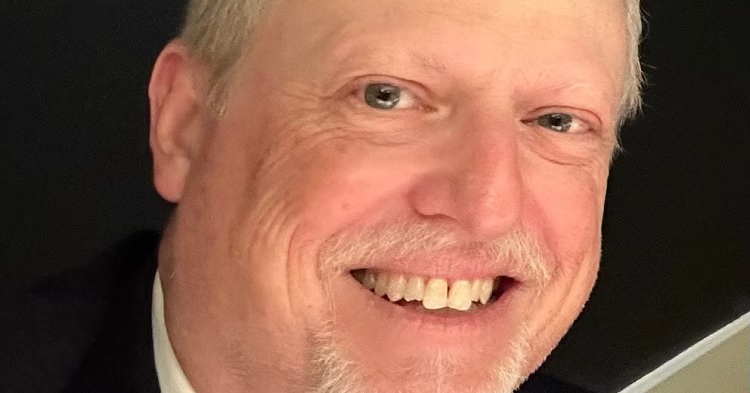
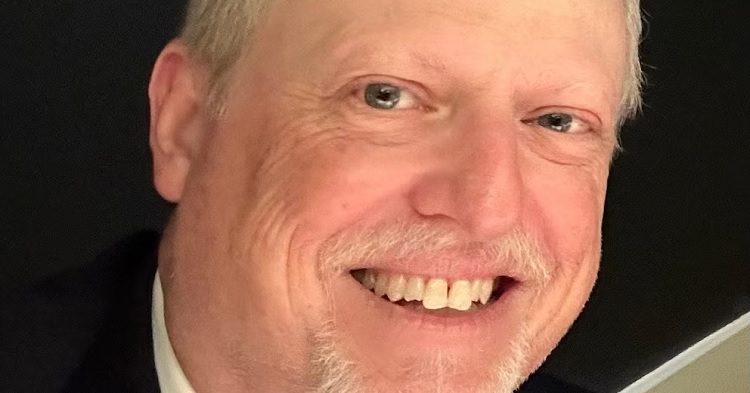
Howard Fendrich, a respected national sports writer for the Associated Press whose steady voice and keen eye helped generations of fans understand the games they love, has passed away at the age of 55 following a battle with cancer. His death at Johns Hopkins Hospital in Baltimore was confirmed by his wife, Rosanna Maietta. The news has left a quiet ache across press boxes, locker rooms, and living rooms where his byline had long signaled reliable, thoughtful reporting.
For more than three decades, Fendrich showed readers that sports journalism could be both clear and deeply human. He did not chase the spotlight. He made sure the story did. His career spanned 11 Olympic Games, roughly 70 Grand Slam tennis tournaments, countless championships, and a long list of unforgettable moments he captured with care and accuracy. He was the kind of reporter you trusted, not only to get it right, but to help you feel what was at stake.
A reporter who let the game speak
At a time when commentary can feel louder than facts, Fendrich stood out by doing something wonderfully simple: he prepared thoroughly, asked thoughtful questions, paid attention to detail, and wrote so readers could see and understand what really happened. He wasn’t interested in theatrics. He believed in clarity, fairness, and precision. That approach earned the respect of athletes, coaches, and colleagues across sports.
Friends and peers often described his work as “old-school,” and they meant it as the highest compliment. He believed credibility had to be earned every day. He showed up early. He stayed late. He checked and rechecked the small things that make the big picture trustworthy. In an industry that can sometimes reward the loudest voice, he chose instead to be the most dependable one.
The voice of tennis for a generation
Although Fendrich covered nearly every corner of the sports world, he was especially known for his deep and consistent coverage of tennis. For nearly 25 years, he followed the sport through its golden eras, chronicling the rise of Serena and Venus Williams and mapping the era-defining rivalry among Roger Federer, Rafael Nadal, and Novak Djokovic. He wrote about their triumphs and struggles without hype, explaining the tactics, the pressure, and the heart behind each match in a way that welcomed both longtime fans and newcomers.
His steady presence was felt in locker rooms, press conferences, and on tournament grounds year after year. Roger Federer, reflecting on more than two decades of interactions, said Howard “truly became part of the fabric of tennis,” and added that the sport had lost “a wonderful journalist and a great person.” For readers who followed tennis through Fendrich’s work, Federer’s words ring true. Howard’s stories helped the sport feel familiar, even when it was being played thousands of miles away.
Seeing what others missed
Fendrich had a gift for finding the human detail that revealed the larger truth. When Andre Agassi retired at the 2006 U.S. Open, the world saw the tears, the ovation, and the end of an era. Howard saw more. He noticed the small facts that made the emotion real—the evidence of exhaustion, the quiet acceptance of an aging champion, the fragile space between loss and gratitude. He used those details to bring readers closer to the moment, not by making himself the star, but by letting the story unfold with honesty.
That kind of attentiveness defined his approach. He knew that the biggest moments are made up of small observations—the way a player walks back to the baseline, the look in a coach’s eyes, the shifting energy in a stadium when a match turns. Fendrich collected those pieces patiently, then arranged them with a craftsman’s care so that readers could feel as if they were there, too.
From an unpaid intern to a trusted national voice
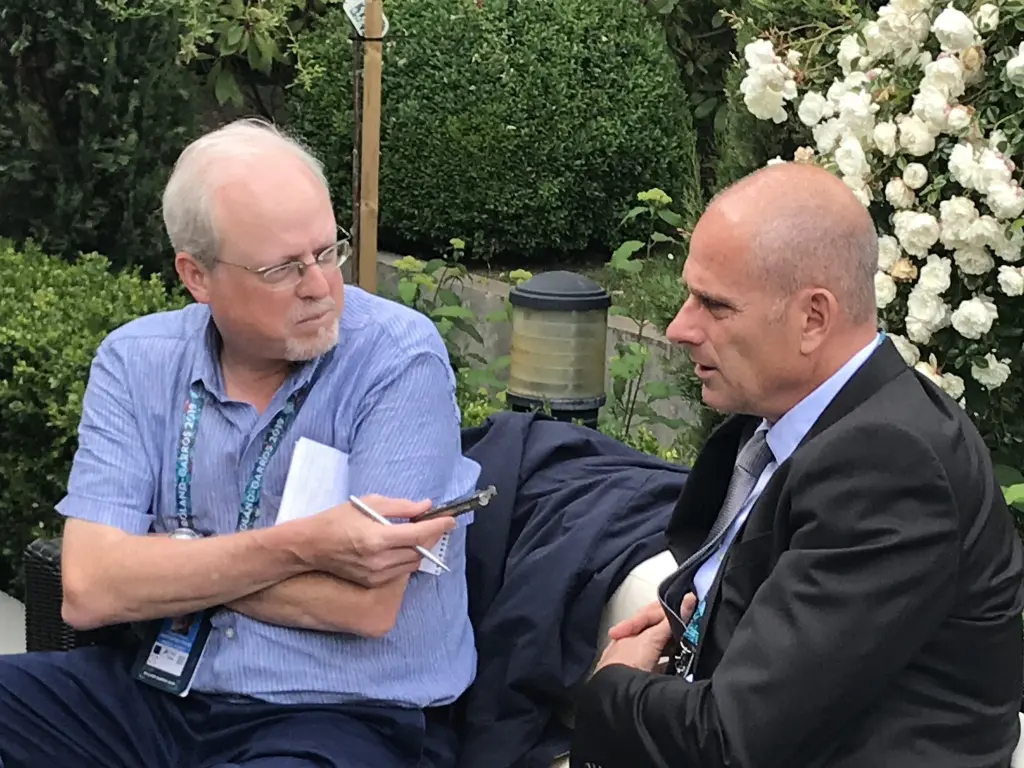
Fendrich’s journey to the Associated Press began modestly: as an unpaid intern in Rome. He threw himself into the work and even taught himself Italian—famously practicing with karaoke videos—so he could understand and report on European sports more effectively. That persistence opened doors, and before long he was back in the United States, building his career through assignments in New York and then in the Washington, D.C., area.
Over 33 years with the AP, he earned a reputation for exceptional deadline writing and a measured, authoritative tone. In an industry that thrives on urgency, colleagues knew that Howard could deliver speed without sacrificing accuracy. He handled big events with a calm presence and a quiet intensity. He was the person you wanted in the room when news broke, not because he spoke the loudest, but because he always knew the right next step.
Relentless when the story demanded it
Fendrich’s determination was legendary in press circles. During the 2011 NFL labor dispute, he stationed himself outside tense negotiations in Washington for days, laptop balanced on his knees, prepared to file the moment something happened. He kept watch not for drama, but for facts. When a breakthrough came, he was ready, because he had never left his post.
He brought that same instincts-driven focus to other high-pressure moments. When Washington quarterback Alex Smith suffered a devastating leg injury in 2018, Fendrich immediately found the person who could best illuminate what Smith faced next: former quarterback Joe Theismann, who had endured a remarkably similar injury years earlier. By thinking clearly and acting quickly, Howard helped readers understand the true stakes of the moment, not just the shock of the injury.
Work guided by values, not ego
What made Fendrich stand out wasn’t just what he covered; it was how he did it. He treated people with respect. He never cut corners. He believed the job was to serve readers with fairness and context. His questions were sharp but not showy. His writing was direct but never cold. He allowed the athletes and the games to take center stage, and in doing so, he won the lasting trust of the people he covered.
In the press box, he had a reputation for being prepared, generous, and calm. He listened as attentively as he wrote. He mentored younger reporters without fanfare, sharing practical wisdom—how to structure a tight deadline story, what to watch for at a first practice, how to balance speed with accuracy. He knew that good habits, repeated over time, build great careers and great coverage.
A devoted family man
For all his professional accomplishments, those who knew Howard best say his heart belonged to his family. Friends and colleagues describe him as a loving husband to Rosanna and a proud father to his sons, Stefano and Jordan. Even in the middle of demanding tournaments and late-night deadlines, he made time for home. The newsroom could be frantic; Howard’s priorities were steady. As his sons followed him into sports journalism, he cheered their steps with the same quiet encouragement he gave to young writers everywhere.
Colleagues still smile when they remember his dry wit, his eye for detail, and the stash of Blow Pop lollipops he kept on hand during long days at big events. Those small, warm memories linger because they reflect who he was behind the byline—a colleague who lightened the load, a friend who showed up when you needed him, and a professional who made everyone around him better.
Why his work mattered
Sports can move quickly. It’s easy to get swept up in highlight reels and heated opinions. Howard Fendrich reminded all of us that the value of sports reporting lies in steadiness and understanding. He explained what made a match turn, why a rivalry mattered, and how a championship was won, not just that it happened. His stories helped readers appreciate the craft of athletes, the rhythm of a season, and the depth behind a headline.
He also represented a kind of journalism that many readers grew up trusting—clear, reliable, and focused on the facts. In an age when rumors can travel faster than truth, Howard’s byline felt like solid ground. You could count on him to be fair to the people he covered and faithful to the readers he served. That trust is hard to earn and easy to lose. Howard earned it and kept it, day after day, for decades.
Moments that defined a legacy
There are certain snapshots from his career that reveal the through-line of his work. In tennis stadiums around the world, he captured the poise and grit of Serena Williams, the power and precision of Venus, and the evolving chess match among Federer, Nadal, and Djokovic. He recognized that those rivalries were not just about wins and losses, but about character, resilience, and the way great athletes lift each other to finer heights.
During the Olympics, he highlighted athletes you might otherwise have missed—the competitor overcoming injury, the first-time qualifier soaking in the pageantry, the veteran savoring a final lap. He made big events feel personal and inclusive, as if the reader had a seat in the arena and a guide who knew when to speak and when to let the moment breathe.
Measured words at difficult times
Covering sports also means covering heartbreak—injuries, retirements, and endings that come sooner than expected. Fendrich was particularly skilled at meeting those moments with compassion and clarity. He didn’t overwrite. He didn’t look away. He simply helped readers understand what had changed and why it mattered. In doing so, he honored both the athletes and the audience.
That restraint took discipline. It reflected confidence in his readers and respect for the people in his stories. His work acknowledged that the games are about more than points and trophies. They are about people, and people deserve to be seen with care.
A final chapter written with grace
In February, shortly after returning from Milan—where he had covered what would become his 11th Olympic Games—Howard received the diagnosis that would change everything. The transition from press row to hospital corridors came far too soon. Yet even in those final months, the breadth of his career stood as a testament to the way he lived: with purpose, humility, and a steady devotion to getting the work right.
He leaves behind his wife, Rosanna, his sons, Stefano and Jordan, his mother, Renée, and his brother, Alex. He also leaves behind a wide circle of colleagues and readers who felt a connection through his words. For many, opening one of his stories was like sitting down with a trusted friend who could explain the day’s events without fuss or fanfare.
What we can carry forward
Howard Fendrich’s legacy is not just the archive of stories he wrote, but the example he set. He showed that good journalism still matters, and that the best reporting comes from patience, curiosity, and integrity. He reminded us that the quieter virtues—preparation, humility, kindness—can produce the strongest work. And he proved that the worlds of sport and storytelling are richer when the writer stands just out of the frame, letting the action and the people shine.
For readers who followed a favorite team or a favorite player through Howard’s words, the loss feels personal. Yet the best way to honor his memory may be simple: keep watching with wonder, keep asking thoughtful questions, and keep valuing the steady, careful voices that help us make sense of what we see. That was Howard’s calling. It can be ours, too.
A goodbye, with gratitude
It is hard to lose someone who made the complex feel clear and the distant feel close. But gratitude eases the ache. Gratitude for the notes he took when the rest of us looked away. Gratitude for the deadlines he made look easy. Gratitude for the work that shaped how we remember some of sports’ greatest days. And gratitude for the simple kindness that he carried into every interview, every press conference, and every late night in the newsroom.
Howard Fendrich didn’t just report the game. He elevated it. May his family feel the comfort of the many lives he touched, and may the rest of us continue to look for the details, tell the truth, and love the work—just as he did.