
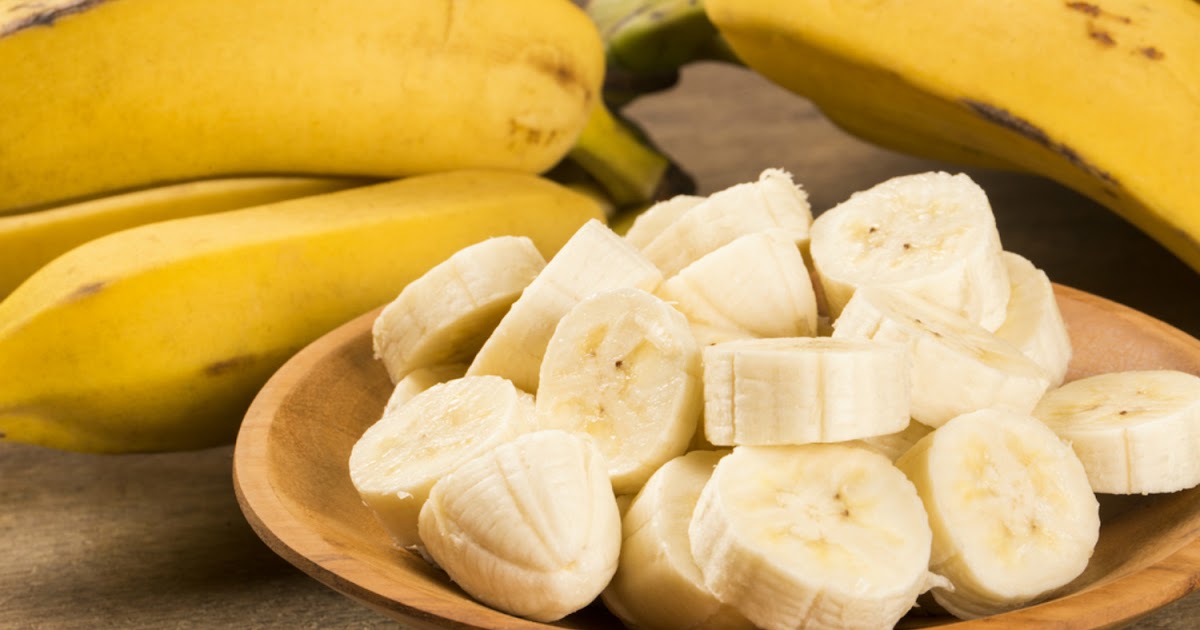
A friendly guide to banana wisdom for everyday life
Bananas are one of those dependable, feel-good fruits many of us grew up with. They are easy to peel, gentle on the stomach, and reliably tasty whether eaten on the go or sliced over breakfast. If you enjoy a banana most days, you are in good company. Below you will find ten eye-opening facts that make this familiar fruit even more interesting and useful. One of them is especially important for health and safety, so do not skip number six.
This simple picture says it all: a ripe banana is a small bundle of energy, fiber, and helpful nutrients. As you read on, keep your own routine in mind—whether you prefer a firm, slightly green banana in the afternoon or a sweet, spotty one for dessert, there is a way to make bananas work even better for you.
If you enjoy short videos, the clip above adds a little extra perspective to what follows. Now, let’s explore the ten facts—clear, practical, and designed with your everyday choices in mind.
Fact 1: Bananas help support a healthy heart
One of the best-known nutrients in bananas is potassium. Potassium helps the body balance fluids and supports the normal function of nerves and muscles, including the heart. For many adults, meeting daily potassium needs can help maintain healthy blood pressure levels as part of an overall balanced diet. A medium banana typically offers several hundred milligrams of potassium, making it a convenient way to add this important mineral to your day. If you are paying attention to your heart health, a banana alongside your breakfast or as an afternoon snack is a simple step that can fit into a heart-smart routine.
Fact 2: Bananas are gentle on digestion
Bananas contain soluble fiber, including a substance called pectin, which can be soothing to the digestive system. When your stomach feels off, ripe bananas are often easier to tolerate than many other foods. They may also play a small role in normalizing bowel movements—firmer, less ripe bananas tend to have more resistant starch, which can help add bulk, while a very ripe banana is typically softer and can be easier to pass. Everyone’s system is different, but many people find bananas a comfortable choice when they need something mild and nourishing.
Fact 3: A friendly boost for your gut
Those greener, just-turning-yellow bananas contain more resistant starch. This type of starch acts a bit like a prebiotic, serving as food for the good bacteria that live in your intestines. As bananas ripen and develop brown speckles, that resistant starch transforms into natural sugars, making the banana sweeter and easier to digest. If you are working to support your gut health, choosing a banana with only a hint of green now and then can be a helpful way to add variety to your fiber intake. If you are sensitive to gas or bloating, go a bit riper, because the sugars in a ripe banana are typically easier on many stomachs.
Fact 4: Natural energy without the jitters
Bananas provide a steady, gentle source of carbohydrates. They do not rely on caffeine or stimulants, so the energy you feel after eating one comes from the fuel your body naturally uses. Many people enjoy a banana before a walk, during yard work, or as a simple pick-me-up between meals. Pairing a banana with a source of protein or healthy fat—such as a spoonful of peanut butter or a small handful of nuts—can make the energy last even longer by slowing digestion a bit. For active days, consider a banana an easy-to-carry snack that does not need refrigeration.
Fact 5: More than just potassium—bananas offer B6, vitamin C, and more
In addition to potassium, bananas provide vitamin B6, which helps your body use and store energy from the foods you eat. They also contain vitamin C and small amounts of magnesium and manganese. While a banana will not replace a complete multivitamin, it contributes meaningfully to your daily nutrient intake in a way that tastes like a treat rather than a chore. If you aim to get nutrients from real foods first, bananas deserve a regular spot on your menu.
Fact 6: Important safety note about potassium and certain medications
This is the point to remember most. If you take specific heart or blood pressure medications, or if you have reduced kidney function, you may need to be careful with how much potassium you consume, including from bananas. Some medicines can increase potassium levels in the blood. These can include certain blood pressure and heart medications, such as ACE inhibitors, ARBs, and potassium-sparing diuretics. People with kidney disease may also have difficulty clearing extra potassium. For most healthy adults, the kidneys handle potassium well, and bananas are perfectly appropriate. But if you have been advised to limit potassium, check with your healthcare professional about the right banana portion for you. Also keep in mind that many salt substitutes contain potassium chloride. If you use a salt substitute and enjoy bananas regularly, that can add up. A medium banana typically provides several hundred milligrams of potassium, which is helpful for many people but may be too much for those on a restricted plan. If you ever have questions, a quick call to your care team can give you clear, personalized guidance.
Fact 7: Bananas are botanically berries, and they grow on a giant herb
It surprises many people to learn that bananas are considered berries in botanical terms, and the “banana tree” is actually a large herb, not a woody tree. The varieties most of us eat do not have big seeds anymore, which makes them convenient but also more vulnerable as a crop. Farmers around the world work hard to protect bananas from plant diseases. When you see different banana varieties at a store or stand, trying a new type now and then supports diversity and can offer a slightly different flavor or texture. If you find extra bananas on sale, they freeze beautifully: peel them first, freeze on a tray, then store in a container for smoothies or baking later.
Fact 8: Ripeness, sweetness, and blood sugar
As bananas ripen, their starch changes into sugar, which is why a spotted banana tastes sweeter than a firm greenish one. This also means a ripe banana can raise blood sugar a bit more quickly than a less ripe one. If you manage blood sugar, consider enjoying a smaller banana, pairing it with protein or healthy fat, or choosing a banana that is just turning yellow rather than very spotted. Many people with blood sugar concerns can still enjoy bananas sensibly, but it is wise to notice how your body responds and to follow any guidance from your healthcare team.
Fact 9: How to store, ripen, and reduce waste
Bananas ripen naturally by producing a gas called ethylene. If you want to speed ripening, place bananas in a paper bag on the counter. To slow ripening, keep them in a cooler place away from other fruit. Putting bananas in the refrigerator will often turn the peel brown, but the fruit inside stays firmer and is still good to eat. If your bananas are getting too ripe all at once, slice and freeze them. Frozen banana pieces are excellent in smoothies and can be blended into a creamy dessert-like treat with a splash of milk or yogurt. If you have a garden or access to compost, banana peels break down nicely and can return nutrients to the soil. Reducing waste turns a healthy snack into an even smarter choice.
Fact 10: Clearing up a few common banana myths
There is an old story that bananas are heavily radioactive. In truth, bananas contain a tiny amount of a natural form of potassium called potassium-40. The level is so small that it poses no risk in normal diets and is mainly used as a fun teaching example in science classes. Another common belief is that bananas always prevent muscle cramps. While potassium supports normal muscle function, cramps have many causes, from hydration to overall mineral balance, so results vary. Some people also say bananas improve mood. Bananas provide vitamin B6 and the building blocks your body uses to make certain brain chemicals, but they are not a replacement for professional care if you struggle with mood. Think of bananas as a helpful part of a balanced lifestyle rather than a cure-all.
Simple, tasty ways to enjoy bananas today
Start your day by slicing a banana over oatmeal. The natural sweetness means you may not need much added sugar, and the fiber keeps you satisfied. If you prefer something cool, add banana to yogurt along with a few berries for color. For a midday snack, spread a thin layer of peanut or almond butter on a slice of whole-grain toast and top with banana slices for a warm, comforting bite. If you like to bake, ripe bananas make muffins and quick breads moist and flavorful without a lot of added sugar. For a refreshing treat, blend frozen banana pieces with a splash of milk and a sprinkle of cinnamon. These simple ideas are gentle on the teeth and easy to chew, which many people appreciate over time. The soft texture also makes bananas a friendly option when you want something satisfying but simple to digest.
If you are watching your portions, choose the smaller bananas often labeled as “baby” or “mini.” They deliver the familiar flavor in a lighter serving. If you need extra calories and energy, the larger bananas fit the bill and can help you stay steady between meals. However you enjoy them, let your taste and comfort be the guide.
Practical answers to common banana questions
Are organic bananas worth it? Conventional bananas typically have lower pesticide residues on the edible fruit because of the thick peel. Some people choose organic for environmental reasons or personal preference. If the price difference is small and you value organic farming practices, go ahead. If budget matters most, conventional bananas remain a wholesome choice.
Do bananas cause weight gain? No single food causes weight gain on its own. Bananas offer fiber and nutrients and can fit comfortably into a weight management plan. If you enjoy one banana a day and keep overall portions balanced, bananas can actually help you feel satisfied and avoid less nourishing snacks.
Can bananas help with sleep? Bananas contain vitamin B6 and small amounts of minerals like magnesium, and they provide carbohydrates that may make evening snacks feel more settling. Many people find a small banana an hour before bed soothing, especially when paired with a cup of warm, non-caffeinated tea. Results vary, but it is a gentle experiment to try.
Are plantains the same as bananas? Plantains are close relatives of bananas, but they are larger and starchier. They are often cooked rather than eaten raw and are common in many traditional dishes around the world. If you spot plantains at your market, consider trying them baked or lightly sautéed for a satisfying side dish.
Your take-home message
Bananas are familiar for good reason. They provide steady energy, gentle fiber, and valuable nutrients in a tidy, portable package. They are versatile in the kitchen, easy to digest, and friendly to nearly every stage of life. The most important point to remember is safety if you have kidney concerns or take certain heart and blood pressure medications. In those cases, talk with your healthcare professional about the right portion for you. For most healthy adults, a daily banana can be a smart, satisfying habit. Choose the ripeness that feels best to you, pair your banana with protein for longer-lasting energy, and keep a few on hand for simple meals and snacks. With a little know-how, this humble fruit can quietly support your well-being, one peel at a time.



