
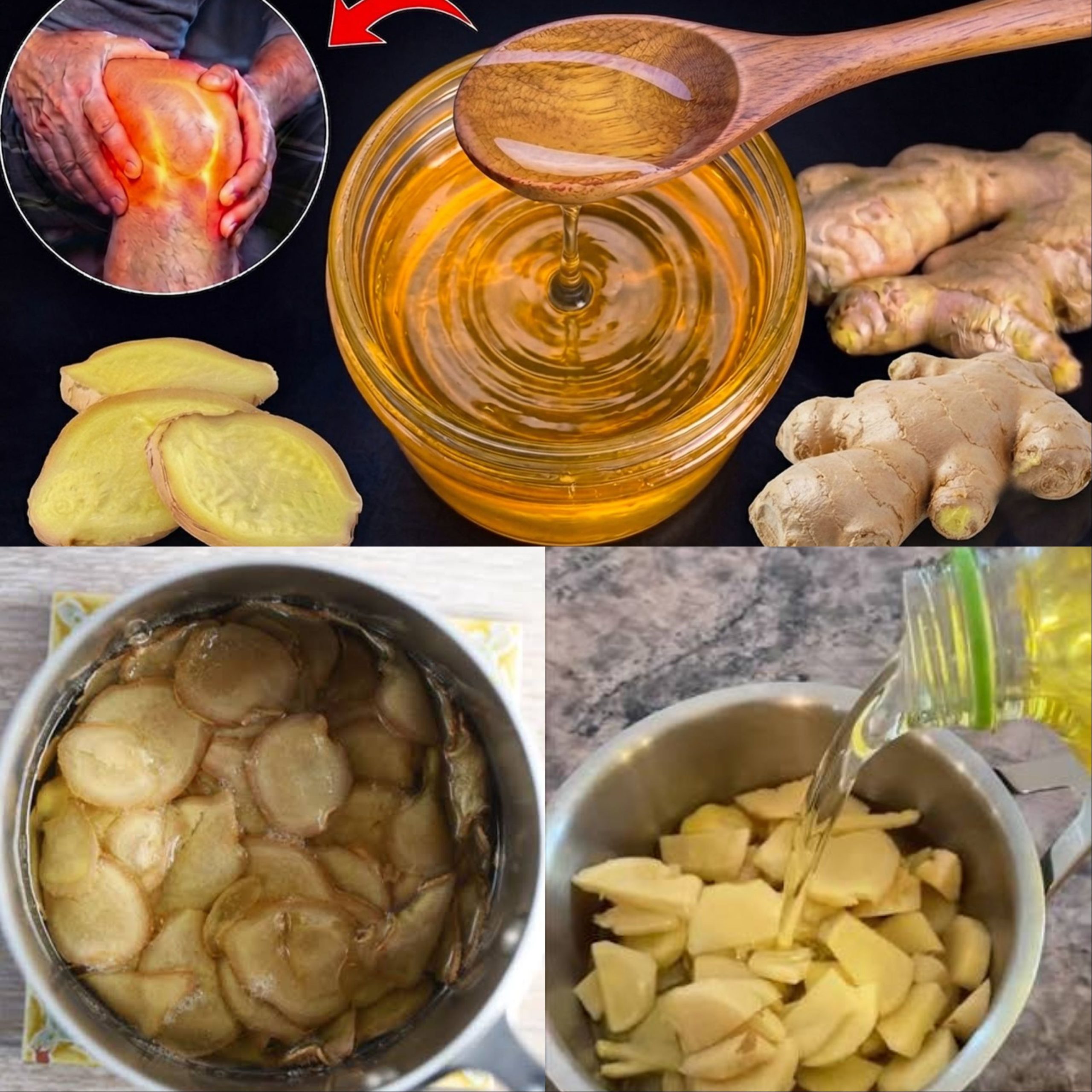
I once met a 97-year-old grandmother who could still tend her roses and walk to the corner shop without a cane. When I asked her secret, she smiled and patted a small bottle she kept near the stove. It was ginger soaked in oil, a simple homemade rub she had used for decades. She said it helped keep her joints moving with comfort and ease, and it cost almost nothing to make. If you have a few minutes and a bit of ginger and oil, you can try this gentle tradition at home too.
Think of this as a friendly, old-fashioned remedy you can add to your daily routine. It is not a miracle cure, and it is not meant to replace any treatment your doctor recommends. What it can be is a warm, soothing support for stiff or achy areas, especially when paired with gentle movement and a little self-care.
Why ginger and oil make a good team
Ginger contains natural compounds known as gingerols and shogaols. These are the same aromatic elements that give ginger its familiar warmth and comforting scent. When ginger is soaked in a warm, skin-friendly oil, some of these helpful compounds infuse into the oil. The result is a simple massage oil that brings calming warmth to the surface it touches.
The oil is just as important as the ginger. A carrier oil such as olive, coconut, or sesame glides smoothly over the skin, helps lock in moisture, and allows you to massage without friction. Massage itself brings gentle circulation to the area, which many people find eases stiffness and makes movement feel more natural.
Warmth adds another layer of comfort. A warmed oil feels soothing as it goes on, and the light heat can make tight muscles feel more relaxed. Together, ginger and oil offer a calm, warming touch that many people with occasional joint discomfort find helpful.
Choosing your oil
Olive oil is a classic choice because it is easy to find, has a friendly scent, and feels rich on the skin. Coconut oil becomes soft and liquid with a little warmth and leaves a smooth finish that many enjoy, especially in cooler months. Sesame oil has a long tradition in massage and may feel slightly lighter, which some prefer during warmer weather.
If you have very sensitive skin, look for a mild, high-quality oil and try a small patch test first. If you have a known nut allergy, skip oils like sweet almond and stick with olive, coconut, or sesame. If scents bother you, choose a neutral, lightly scented oil and avoid adding any strong fragrances.
What you will need
You will need a piece of fresh ginger root about the size of your thumb or a bit larger. You can also use dried ginger slices if that is easier to find, but fresh ginger brings a pleasant, lively aroma.
You will need a small bottle or jar with a tight lid that has been washed and thoroughly dried. A clean glass jar is perfect. Drying matters because extra water can shorten the life of your oil.
You will need your chosen carrier oil such as olive, coconut, or sesame oil. Aim for enough to completely cover the ginger in your jar, commonly about one half to one cup depending on jar size.
You will need a fine strainer or a piece of clean cheesecloth for filtering the oil once it is infused. A small saucepan is helpful if you prefer the quick warm method described below.
If you wish, you can keep a small, clean, dark bottle on hand for storage after you strain the oil. A darker bottle helps protect the oil from light so it stays fresh longer.
How to make ginger-infused oil the easy way
Start by washing your ginger and then drying it completely. Moisture shortens the life of the infusion, so take a moment to blot it well. If you want to be extra careful, leave the washed ginger out to air-dry for a little while before you begin.
Slice the ginger very thinly or grate it coarsely. Thin slices or shreds release more of the ginger’s helpful compounds into the oil. Place the sliced or grated ginger in your clean, dry jar until it is about one third to one half full.
Pour your chosen oil over the ginger until it is fully covered by at least a finger’s width of oil. Use a clean spoon to press the ginger down and help any small air bubbles rise to the surface. Secure the lid on the jar.
Set the jar in a warm spot on your countertop, away from direct hot sunlight, for two to seven days. Once or twice a day, give the jar a gentle swirl. This helps the oil pick up the ginger’s warm, comforting scent and compounds. If you notice any cloudiness that looks like moisture or see any sign of spoilage, discard and start again with drier ginger.
When the oil has taken on a light, golden color and a pleasant ginger aroma, strain it through your fine strainer or cheesecloth into a clean container. Press the ginger gently to get as much infused oil as possible. Label the container so you remember what it is and when you made it.
The quick warm method when you want it sooner
Place the sliced or grated ginger and your oil in a small saucepan. Set the stove to the lowest heat and warm gently for about ten to fifteen minutes. Do not let the oil bubble or smoke. Very gentle warmth is all you need.
Stir occasionally and enjoy the scent. When the oil smells pleasantly of ginger and feels warm to the touch, turn off the heat. Let it cool until it is comfortable to handle, then strain through a fine strainer or cheesecloth into a clean container. Allow the oil to cool completely before sealing the container.
How to store your infusion for best freshness
Keep your ginger oil in a cool, dark place with the lid tightly closed. A cupboard away from the stove works well. If your kitchen runs warm, the refrigerator can help your oil last a bit longer. If you used fresh ginger, plan to use the oil within two to four weeks. If you used thoroughly dried ginger, it may last a few months. Trust your senses. If the oil smells off or looks cloudy in a way that suggests spoilage, it is time to make a fresh batch.
Some people add a small drop of vitamin E oil as an antioxidant to support freshness. This is optional, and a small amount goes a long way.
How to use your ginger oil for comfort
Begin with clean, dry skin. If you just enjoyed a warm shower or a brief warm compress, even better. Warmth helps the oil spread easily and may make the massage feel more soothing.
Place a small amount of oil in your palm, then rub your hands together to gently warm it. Smooth the oil over the area that feels stiff or achy, such as knees, hands, shoulders, or lower back. Use light, comfortable pressure. Small circles and long, gentle strokes both work well.
Take a few slow breaths while you massage. Aim for five to ten minutes if you can, though even two or three minutes offers a pleasant break. Allow the oil to sink in before dressing. If you are using the oil on your hands, you may want to wear thin cotton gloves for a short while so the oil can soak in without getting on fabrics.
Use your ginger oil once or twice a day as part of your routine. Many people like it in the morning to help loosen up for the day, and again in the evening to wind down. On cooler or damp days, you may appreciate it even more.
If you enjoy extra warmth, apply the oil and then hold a comfortably warm compress over the area for a few minutes. This can make the soothing sensation more noticeable. Always make sure the compress is warm, not hot.
What to expect when you start
Most people notice the gentle scent and light warmth right away. Over the next few days, many find that stiff spots feel easier to move after a short massage. The sensation tends to be mild and comfortable rather than dramatic. Think of it as a helpful nudge for your daily comfort rather than a switch that flips everything off at once.
Some days will naturally feel better than others, and that is normal. Give your body a little time to respond. Consistency is your friend. A few minutes of massage most days, paired with small stretches, a bit of movement you enjoy, and good hydration, can add up to noticeable ease.
Gentle safety tips for peace of mind
Try a small patch test first. Place a drop of the oil on the inside of your forearm and wait a day to see how your skin responds. If you notice redness, itching, or irritation, skip this remedy or try a milder oil and a shorter contact time.
Avoid using ginger oil on broken skin, rashes, sunburn, or near the eyes or sensitive areas. Wash your hands after use so you do not accidentally transfer the oil where you do not want it.
If you have a skin condition or very sensitive skin, speak with a healthcare professional before trying new topical products. If you take blood thinners, have a bleeding disorder, or have gallbladder concerns, check with your clinician first, especially if you also consume ginger in your diet or as a supplement. Topical use is gentle, but it is wise to be cautious.
If you are pregnant, nursing, or caring for a health condition that requires regular medication, a quick conversation with your clinician can help you decide whether this simple remedy fits your routine.
This information is for general wellness and comfort. It is not a diagnosis, and it does not replace advice from your healthcare professional. If pain is severe, new, or worsening, or if you have concerns about swelling, redness, heat, or limited movement, seek medical guidance.
Fresh ginger or dried ginger, which is better
Fresh ginger offers a bright scent and a cozy warmth that many people love. Dried ginger is convenient, stores well, and can make an infusion that lasts longer. If you choose dried, make sure it is clean and fully dry, without any visible dust or debris. Either one can make a pleasing oil. The best choice is the one you will actually use.
Can you use powdered ginger
You can, but it tends to leave fine specks that are harder to strain. If powdered ginger is all you have, allow the mixture to settle after warming and then pour off the clear oil from the top through a fine cloth. Expect the oil to look a little cloudy, which is normal when powder is used.
How much oil should you apply
Start small, about the size of a dime for a modest area, and add more if needed. The skin should feel lightly coated and comfortable, not slippery. If you accidentally use too much, blot gently with a soft cloth.
Can you use it every day
Yes, many people use ginger oil once or twice daily without trouble. Pay attention to your skin and how you feel. If anything seems irritating, take a break or switch to a milder carrier oil.
Will it stain clothing
Most light oils do not stain when used in small amounts and allowed to soak in. It is still wise to let the oil absorb for a few minutes before dressing, and to choose older clothing if you are using a generous amount. Keep a towel nearby to protect fabrics and furniture.
What about adding other scents
If you enjoy scent, a tiny touch of gentle essential oils like lavender can add relaxation. Use a light hand, such as one or two drops per tablespoon of infused oil, and do another quick patch test. Strong essential oils like peppermint can feel too intense, so go slowly and trust your comfort level.
Making it a calming ritual
Turn your ginger oil time into a small daily pleasure. Sit comfortably, breathe slowly, and notice the comforting scent. If you like, play soft music or warm a towel to rest nearby. Think of it as a few minutes set aside just for you, a pause that helps your body and mind feel cared for.
Little extras that help
Many people find that pairing ginger oil with simple stretches makes movement easier. After your massage, slowly bend and straighten your knees, gently rotate your shoulders, or open and close your hands. Small movements done regularly can help joints feel more natural and less stiff.
Staying hydrated also supports comfort. A glass of water or a warm cup of tea can be the perfect follow-up to your massage. Comfortable shoes, short walks, and a bit of fresh air can round out your routine and help you feel your best.
A friendly reminder
This grandmother’s secret has been passed along for a reason. It is simple to make, kind to the skin, and easy to use every day. If you decide to try it, start gently, listen to your body, and make it your own. Some prefer a heavier oil and a longer massage at night. Others like a quick morning rub to begin the day with ease. There is no single right way to enjoy it.
Above all, think of ginger oil as a warm helping hand. Used with patience and care, it can be one small part of a balanced approach to comfort, alongside movement you enjoy, good rest, and your clinician’s guidance when you need it. With a few slices of ginger and a splash of oil, you might discover that a little daily ritual can go a long way toward helping your joints feel more at home in your body.
Give it a try and see how it feels over the course of a week or two. Many people notice that the simple act of taking time to massage and breathe brings relief on its own. Add in ginger’s gentle warmth, and you have a friendly, affordable companion you can reach for whenever your joints could use a bit of kindness.