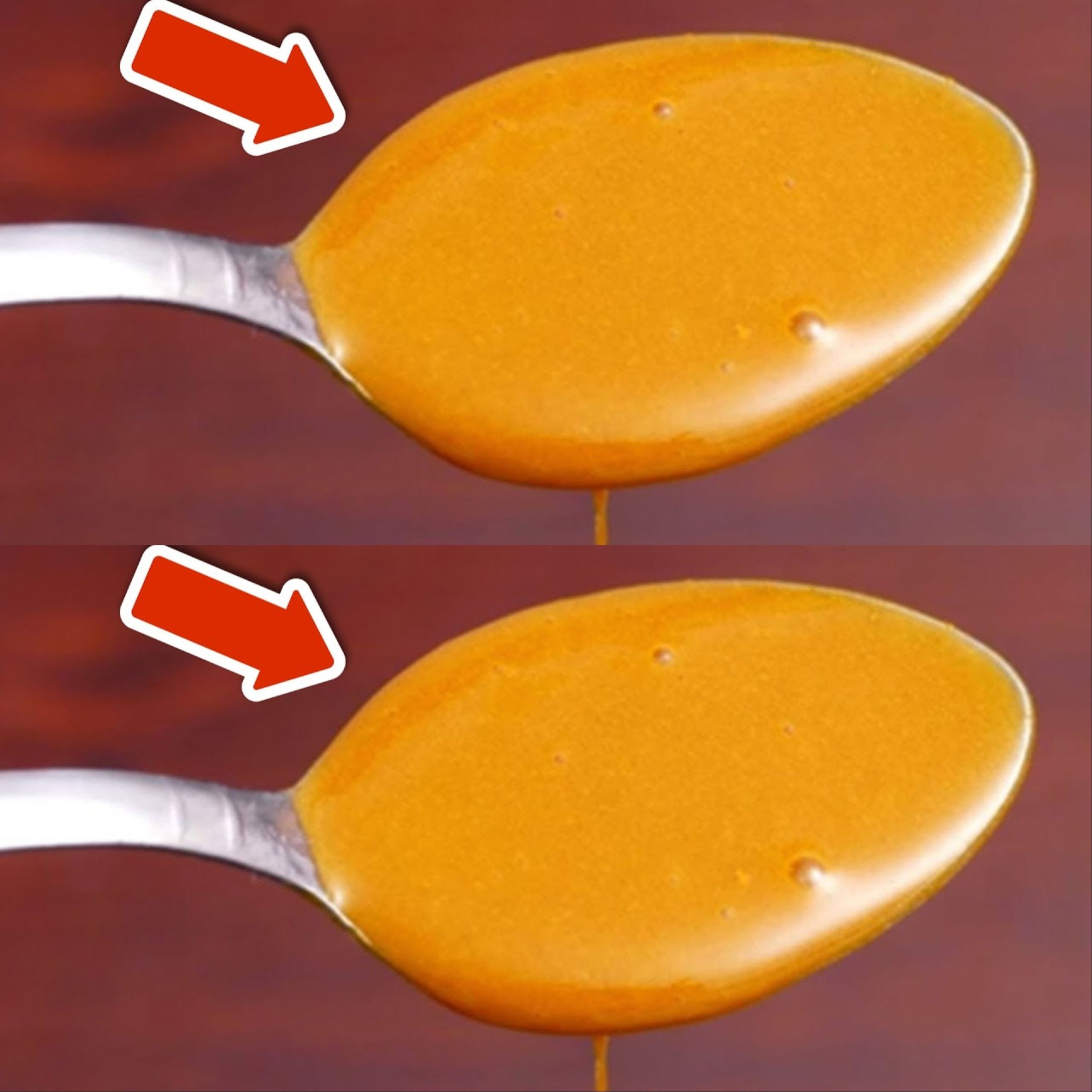
A Simple, Trusted Blend from the Kitchen
Many of us grew up with home remedies that soothed a sore throat or settled an upset stomach. Two of the most reliable kitchen staples in that tradition are turmeric and honey. When used together, they offer gentle, time-tested support for everyday wellness. They are not a substitute for prescription antibiotics or professional care, but they can be a comforting, helpful part of your routine.
Before we go further, an important reminder is in order. If you are facing a serious infection, a high fever that does not improve, chest pain, shortness of breath, severe pain, or symptoms that worry you, seek medical attention promptly. Turmeric and honey can be supportive, but they should never delay essential care.
Why Turmeric and Honey Make a Smart Pair
Turmeric has been used in traditional medicine for centuries. Its bright yellow color comes from natural compounds called curcuminoids, the best known of which is curcumin. Curcumin has been studied for its ability to support the body’s natural response to inflammation and to offer antioxidant benefits. While it is not a cure-all, it can be a friendly ally when your body is working to calm everyday aches or irritation.
Raw honey brings its own strengths. Bees create a food that naturally contains enzymes and plant compounds gathered from flowers. Many varieties of raw honey produce small amounts of hydrogen peroxide, which acts as a gentle antiseptic on surfaces. Honey also has a natural acidity and a thick consistency that make it harder for many harmful microbes to thrive in it. Unheated, unprocessed, raw honey tends to retain more of these helpful qualities than honey that has been heavily filtered or heated.
When combined, turmeric and honey complement each other. The honey delivers a soothing, coating sweetness that many people find comforting for the throat and stomach, while the turmeric contributes its well-known supportive compounds. Together, they make a simple paste that is easy to keep on hand and use in small amounts throughout the day.
How to Make a Gentle Turmeric–Honey Paste
You can prepare a small jar in just a few minutes. Many people start with about one quarter cup of raw honey and one tablespoon of ground turmeric. Stir in a small pinch of freshly ground black pepper, which helps your body absorb curcumin more efficiently. If you enjoy a warmer flavor, you may add a little ground ginger or a dash of cinnamon. Mix until the color is even and the texture is smooth, then transfer the paste to a clean glass jar with a lid.
If the honey is very thick, a brief rest at room temperature can make it easier to stir. It is best to avoid heating the honey on the stove or in the microwave, because high heat can reduce some of its natural enzymes. If needed, you can place the closed jar in a bowl of warm water for a few minutes to soften the mixture without overheating it.
Store the jar in a cool, dry cupboard or in the refrigerator. Raw honey naturally resists spoilage, and when kept clean and covered, the mixture can last for several weeks. If you notice separation, a quick stir will bring it back together. If your honey crystallizes, that is a normal change. The crystals will dissolve gently with warmth from your hands or a short rest in a bowl of warm water.
A Helpful Note on Black Pepper and Healthy Fats
The tiny pinch of black pepper is not for heat or spice alone. Pepper contains piperine, which can help your body absorb curcumin more effectively. Some people also like to take their turmeric–honey paste alongside a small amount of healthy fat, such as a few spoonfuls of yogurt or a splash of milk, because curcumin is fat-soluble. You do not need much; just a small serving is fine.
How to Take It Day to Day
For everyday support, many adults take about half a teaspoon to one teaspoon of the paste once or twice a day. You can place it on a spoon and let it melt in your mouth, or stir it into a cup of warm water or herbal tea. Avoid adding it to boiling-hot liquids, because very high heat can reduce the natural goodness in raw honey. Warm is perfect. If you prefer a gentle lemon flavor, add a squeeze of lemon to your cup after the water has cooled a bit.
When your throat feels scratchy or you are starting to feel run-down, you might take a small amount every few hours for a day or two, then return to your usual routine. Because honey is a natural sugar, it is wise not to overdo it. As a general guide, many people keep their intake below two tablespoons of the paste per day. If you live with diabetes or are watching your blood sugar, talk with your healthcare provider first and monitor closely.
Comforting Ways to Enjoy It
Many people enjoy a warm bedtime drink made with milk and a spoonful of the paste. Heat your milk gently until it is warm but not boiling, pour it into a cup, then stir in the paste. The result is a calming beverage that is sometimes called golden milk. If you prefer a dairy-free option, unsweetened almond or oat milk works well too. A small pinch of pepper in the paste is enough; there is no need to add more to your cup.
Some people use a very small amount of the paste on the skin for short periods, such as over a minor area of irritation, but caution is important. Turmeric can stain fabrics and skin, and honey is sticky. Always try a patch test on the inside of the forearm first, leave it for a short time, and rinse well. Do not use the paste on deep wounds, serious burns, or open cuts, and do not use it if you have diabetes-related foot problems or poor circulation without medical guidance. For anything beyond a very minor issue, seek professional care.
What This Gentle Mixture May Help With
People often reach for turmeric and honey when their throat feels rough or their voice is strained. The honey coats and soothes, while the turmeric contributes its supportive properties. Sipping a warm cup with the paste can be especially comforting in the evening or first thing in the morning.
Some individuals find the mixture helpful during seasonal changes, when the air feels dry or when pollen is high. While it is not a medicine for allergies or colds, it can make you feel more comfortable and cared for as your body adjusts.
Many also take it for everyday digestive ease. A small serving after a meal can feel settling. If your stomach is sensitive, start with half a teaspoon to see how you respond. If you experience any discomfort, reduce the amount or pause and try again another day.
For joints that feel stiff when you get out of bed or after a long day, a steady routine matters more than a single large serving. The mixture is not a quick fix, but with regular use, some people describe feeling a little looser and more at ease as they move through the day.
A few people use it for minor skin calm on areas that are not open or severely irritated. If you try this, remember that turmeric can leave a yellow tint on light-colored skin for a short time, which will fade with washing. Always test a tiny spot first and rinse thoroughly.
What You Might Notice Over Time
The key with this mixture is consistency. You may not feel a dramatic change overnight. Over the course of a few weeks, you might notice your throat feels calmer in dry weather, your morning stiffness eases slightly, or your digestion feels more settled. The changes are often subtle and steady rather than sudden.
As with any routine, what you notice is personal. Keeping a small journal can be helpful. Write down how you feel before you begin, note the amount you take each day, and jot a few lines about your sleep, energy, and comfort. After two to three weeks, look back at your notes to see whether you feel a difference.
Be aware of small signs that call for adjustment. If you experience heartburn, try a smaller amount, take it with a bit of yogurt or milk, or take a break. If you see yellow stains on your teeth from frequent use, rinse your mouth with water after taking the paste and brush as usual. If your blood sugar is a concern, keep portions modest and review the plan with your clinician.
Important Safety Considerations
This mixture is not a replacement for prescription antibiotics, antiviral medication, or other treatments your clinician recommends. If you have a fever higher than you are comfortable with, a cough that worsens, chest pain, trouble breathing, confusion, or any symptom that alarms you, contact a healthcare professional promptly.
Check for allergies before you begin. If you are allergic to turmeric, ginger, bee products, or pollen, this mixture may not be right for you. Stop using it and seek care if you develop hives, swelling, wheezing, or any sign of an allergic reaction.
If you take prescription medications, particularly blood thinners such as warfarin, clopidogrel, or high-dose aspirin, talk with your healthcare provider before adding turmeric regularly. Turmeric may interact with medicines that affect clotting. If you take medicines for diabetes, remember that honey is a sugar and can raise blood glucose; monitor carefully and discuss with your clinician.
Some health conditions deserve extra caution. If you have gallstones or bile duct issues, turmeric may aggravate symptoms in some people. If you are prone to reflux or heartburn, start with a tiny amount and see how you feel. If you have a history of kidney stones, be aware that turmeric contains oxalates, and large amounts may not be suitable. If you are scheduled for surgery, it is wise to stop turmeric two weeks before your procedure unless your surgeon advises otherwise. If you are pregnant or breastfeeding, consult your healthcare provider first.
Raw honey should never be given to infants under one year of age due to the risk of infant botulism. While this guide is written for adults, it is helpful to remember this if you have young grandchildren visiting.
Choosing Quality and Storing It Well
Quality matters for both ingredients. Look for raw, unfiltered honey from a source you trust. Many local beekeepers sell excellent honey with full flavor and natural benefits. Some people prefer varieties known for their unique properties, such as Manuka honey; if you choose this type, select a reputable product with clear labeling. For turmeric, ground spice from a reliable brand is fine for making a paste. If you prefer to grate fresh turmeric root, wear kitchen gloves to avoid staining and use a small amount, since the flavor is strong.
Keep your jar sealed when not in use, and use a clean, dry spoon to avoid introducing moisture or crumbs. A cool, dark cupboard works well, and the refrigerator is also acceptable if you like a firmer texture. If your honey crystallizes over time, that is normal. To soften, place the closed jar in a bowl of warm water for several minutes, then stir. Avoid boiling water or the microwave, which can damage the honey’s delicate compounds.
A Calm Closing Thought
There is comfort in simple things that have stood the test of time. Turmeric and honey offer a friendly, approachable way to support your everyday well-being. They will not replace your doctor’s advice or prescribed medicines, and they should not be used to treat serious illness on their own. Yet for many people, this mixture provides a gentle lift, a bit of daily ease, and a reminder that caring for ourselves can be both simple and pleasant.
Try preparing a small jar and using it regularly for a couple of weeks. Notice how you feel in the morning, after meals, and at bedtime. Adjust the amount to suit your body and your goals, and keep your healthcare team in the loop if you have questions. With a little patience and steady use, you may find that this humble blend becomes a trusted companion in your cupboard.