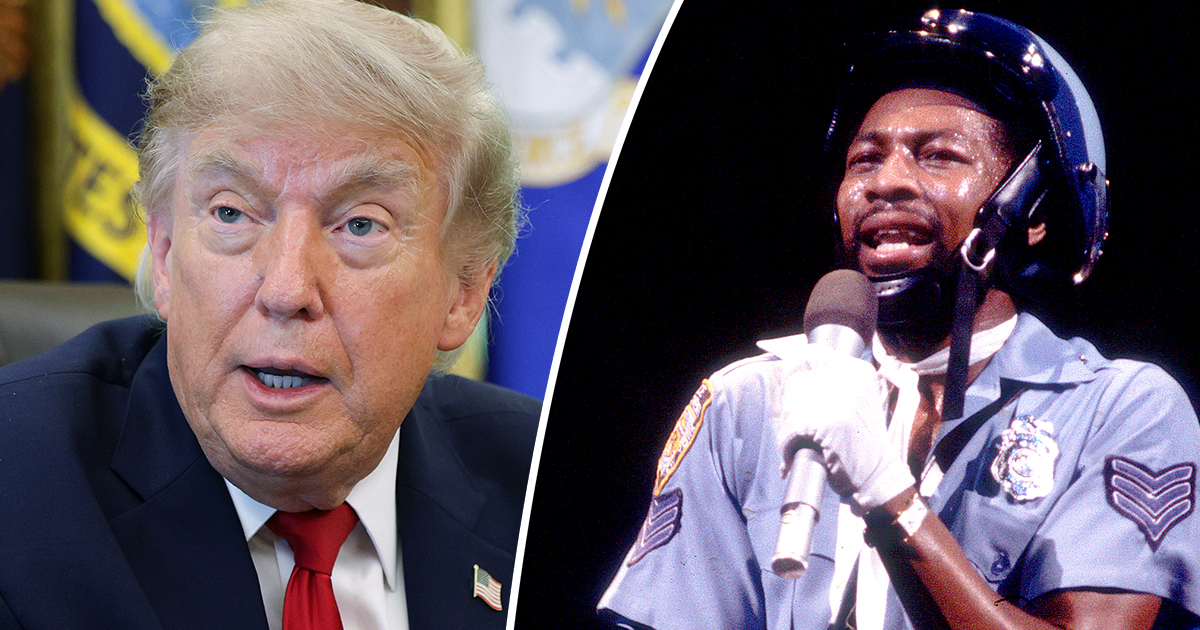
Village People lead singer Victor Willis has died at the age of 74, and tributes are pouring in from around the world. Among them is a message from former President Donald Trump, who not only offered condolences but also made a striking claim about Willis’ feelings toward the use of the group’s biggest hit, YMCA, at his political rallies. The comment has quickly become a talking point, especially because it appears to differ from what Willis said publicly in the past.
The group shared the sad news on social media, noting that Willis passed away on Monday, June 30, 2026, after what they described as a short but aggressive illness. They asked for privacy as loved ones mourn and as fans reflect on the voice that helped define the disco era and bring joy to generations of listeners.
For many, Willis’ voice is instantly recognizable. As the frontman of Village People, he co-wrote and performed enduring anthems such as YMCA, Macho Man, In the Navy, and Go West. These songs were not only hits on the charts; they became cultural staples played at weddings, sports events, and community gatherings, places where people of all ages would sing along and do the now-famous YMCA arm motions with a smile.
Back in the late 1970s, Willis was already a rising star on stage in the original Broadway production of The Wiz. Soon after, he stepped into pop culture history with a group whose very name nodded to Manhattan’s Greenwich Village, long a center of creativity and LGBTQ+ life. The band’s concept was playful and instantly iconic: each member personified a character—construction worker, biker, cowboy, and more—while Willis often took the stage costumed as a police or naval officer. The look and the sound were joyful and theatrical, but beneath the fun was skilled songwriting and a beat that got people moving.
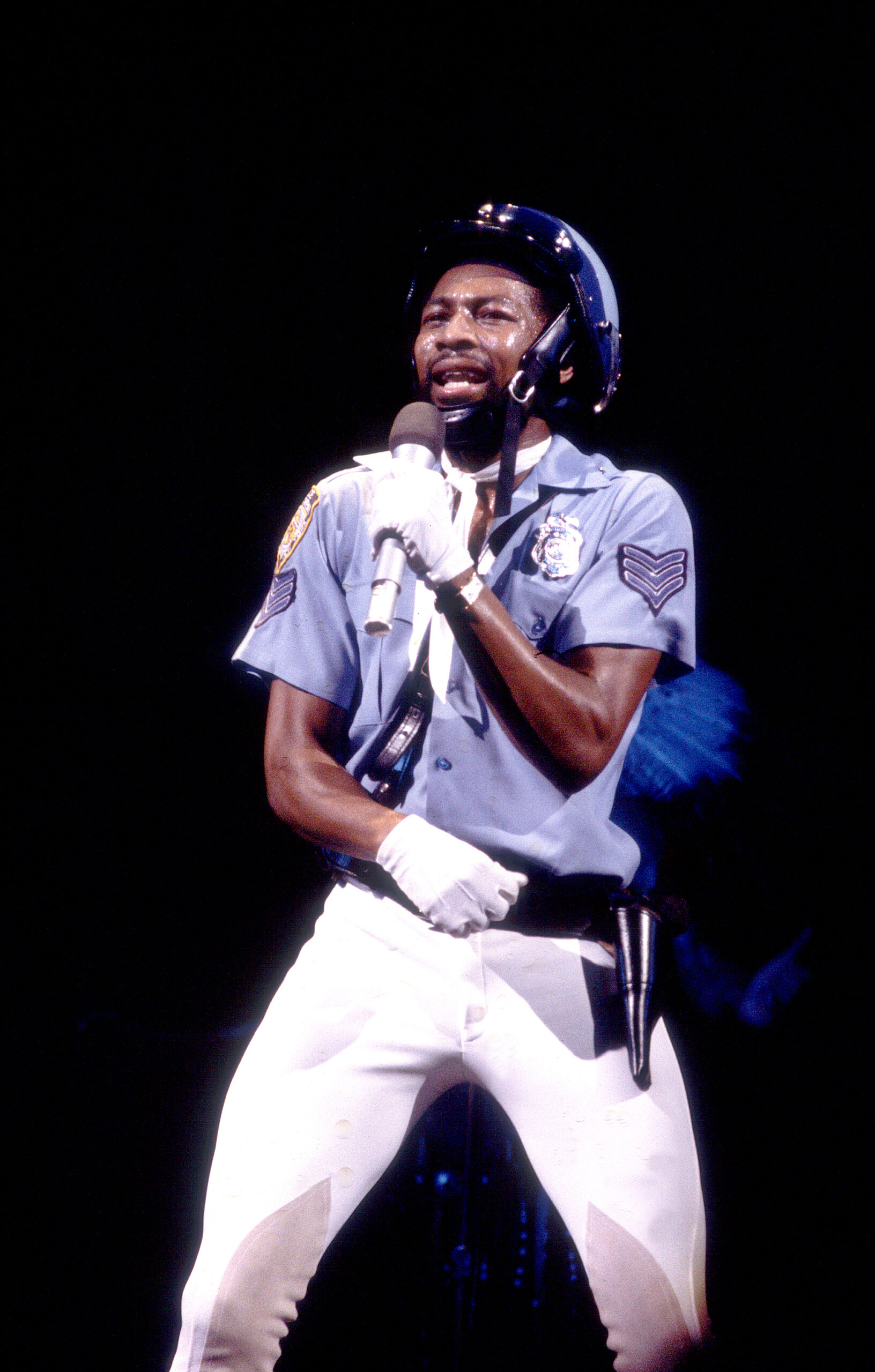
By the height of their fame, Village People had crossed over from nightclub favorites to worldwide chart-toppers. Their music videos and TV appearances, along with their distinctive costumes, made them instantly recognizable even to those who weren’t regulars on the dance floor. Willis’ rich, confident voice anchored it all, giving songs like YMCA a celebratory energy that still resonates decades later.
How YMCA Became A Rally Staple And A Cultural Lightning Rod
While YMCA has been beloved for more than forty years, its presence at political rallies in recent years has brought it a fresh wave of attention. Donald Trump has played the song frequently at his events, often capping off speeches with a short, now-familiar routine featuring a few fist pumps in time with the chorus. Speaking to a crowd in Florida earlier this year, he even joked that his wife, Melania, dislikes when he dances to the track, and he referred to the tune as what he called the “gay national anthem.” The remark echoed what many fans have felt for years—that YMCA is, at heart, a joyous number that has long been embraced by LGBTQ+ communities, while also being enjoyed widely across generations and backgrounds.
At the same time, the use of songs at political rallies has been a recurring source of friction between musicians and politicians. Over the years, several high-profile artists and bands have said they do not want their music associated with certain campaigns or events. Listeners may remember headlines about requests from groups and singers asking campaigns to stop playing their songs, citing personal beliefs or simply a desire to avoid the appearance of endorsement.
Village People, and Victor Willis in particular, expressed similar concerns. In 2020, Willis made it clear in interviews that while the band had benefited from the renewed exposure that comes when a song is played for large crowds, that did not equal an endorsement. He explained that the group had asked that its music not be used at rallies. That public stance made headlines at the time and gave fans a hint of the complicated territory that can arise when art and politics intersect so visibly.
Trump’s Condolence Message And The New Controversy
Following the news of Willis’ death, Donald Trump posted a condolence message that offered sympathy to Willis’ family and bandmates. In the same statement, he also claimed that Willis “loved” that YMCA was played at his rallies and that the song had become a “monster” hit again thanks in part to its presence at those events. He described the rallies as drawing enormous crowds and suggested that many artists were eager to be associated with them, while saying that Willis and the group were supportive from the start.
That claim immediately drew attention because it appears to contrast with what Willis had said on the record in the past about not endorsing Trump and asking that the band’s music not be used for campaign events. For fans who remembered those earlier statements, the comment raised questions and fueled debate about what was said publicly versus conversations that might have happened privately. As of now, there is no new, independent confirmation to reconcile those differences, and with Willis’ passing, some of those nuances may remain unclear.
For many readers, this moment highlights a familiar tension in public life: a song can become so widely recognized that it seems to belong to everyone. Yet behind every beloved recording are the people who wrote and performed it, and they often have strong feelings about how their work is used and what messages it might appear to support. When those feelings collide with the broad, energetic atmosphere of campaign rallies, the result can be confusion and controversy.

Why This Keeps Happening: Music, Events, And Permission
It may help to understand how music gets played at large public events in the first place. Venues such as arenas and stadiums generally carry licenses from performing rights organizations that allow a wide catalog of songs to be played publicly. As a result, a campaign can often use a track under those venue licenses without asking the artist directly for permission. Still, an artist can object on principle and request that a campaign stop using a song, especially if the artist feels the usage implies an endorsement or conflicts with the spirit of the work. While the legal ins and outs can be intricate, the human side is simple: artists usually care about where and how their music appears, and campaigns are often mindful of the public perception that comes with a particular soundtrack.
Victor Willis was outspoken and thoughtful about his legacy and the group’s music. Over the years, he protected his songwriting rights and played an important role in shaping how Village People’s catalog would be handled. For longtime fans, it was encouraging to see him continue to steward the songs he helped create while also bringing them to new audiences on stage.
A Voice That Defined A Joyful Era
It is difficult to overstate what Willis and his bandmates accomplished in their prime. The disco era was full of energy and experimentation, and Village People captured the happy, big-hearted side of it. Their songs were celebratory without being saccharine, catchy without being disposable. Many listeners now in their fifties and sixties first heard YMCA as teenagers or young adults. They learned its playful choreography at parties where everyone—from the shyest guest to the liveliest dancer—could join in without feeling self-conscious. That spirit of inclusion was part of the music’s secret. No matter your background or beliefs, there was a place for you in the chorus.
Willis’ distinctive baritone provided the grounding force in that joyful mix. He delivered lines with warmth and gusto, inviting people to sing along while never losing the song’s momentum. Even as fashions changed and new genres came into vogue, these recordings kept their freshness because of that combination of performance, melody, and attitude. In an age when pop trends come and go in a heartbeat, the Village People catalog has endured because it encourages connection—something people seek at any age.
From Broadway To Global Stages
Willis’ path to global fame was not a straight line. Before he donned the iconic costumes of the group, he was recognized for his talent on the Broadway stage, a training ground that sharpened his vocal control and stage presence. That theatrical foundation carried into Village People’s shows, which often felt like mini-productions filled with character, humor, and showmanship. The group’s nod to Greenwich Village in their name signaled an embrace of diversity and artistic freedom, and that ethos resonated with audiences looking for music that both entertained and welcomed.
When the hits began to roll in, the group’s image—each member playing a vivid role—became inseparable from the songs themselves. Pop culture embraced the look, and Willis’ leadership at the microphone kept the enterprise focused and musical. Their songs quickly moved from clubs to radio to arenas, and eventually to living rooms worldwide as television appearances and music videos beamed their performances into homes.
Why People Still Dance To YMCA
Decades after its release, YMCA has not faded into nostalgia. Instead, it has joined the ranks of a small number of tracks that continue to bring people to their feet across generations. Part of that longevity is due to its simple, welcoming chorus and the cheeky arm choreography that even first-time listeners can pick up in seconds. Another part is the song’s hopeful message. At its core, YMCA is about finding a place where you belong, a place to get on your feet, have some fun, and feel supported. For listeners who came of age when the song was new, that spirit can unlock a flood of warm memories. For younger folks, it simply feels good—catchy, light, and unpretentious.
Because of this wide appeal, it is no surprise that the tune shows up at sports stadiums, parades, and yes, political rallies. When thousands of people are gathered in one place, a track that can immediately unify a crowd is powerful. The complication arises when that unifying soundtrack is perceived to take sides. That is where artists like Willis often step in to clarify their intentions, wishing for their music to remain a bridge rather than a wedge.
Sorting Through The Mixed Messages
In the wake of Willis’ passing, the debate about Trump’s statement will likely continue. On one hand, there is on-the-record commentary from Willis noting that he and the group did not endorse Trump and had asked that the music not be used at rallies. On the other, there is Trump’s fresh claim that Willis loved that YMCA played a central role at those events. For observers, especially those who admired Willis, this conflict may feel frustrating. Yet it also reminds us that public figures can have multiple conversations with different people over the years, and memories and interpretations can diverge.
What remains beyond dispute is Willis’ contribution to popular music. The man who helped lead Village People to global fame gave the world songs that make people smile and sing along. He navigated an industry that was often challenging and managed, through talent and determination, to retain his creative voice and protect his work. Even as he dealt with the complexities that come with fame, he kept the focus on the music and the fans who loved it.
Remembering Victor Willis With Gratitude
As fans reflect on Victor Willis’ life, many will remember where they first heard YMCA or Macho Man, and the people with whom they shared those songs. Perhaps it was a school dance where the DJ dropped the needle and the whole gym floor turned into a sea of raised arms. Maybe it was a family wedding where grandparents and grandkids lined up together and spelled the letters in sync. Or maybe it was a quiet moment at home, the record spinning as the sun set, and the voices from the speakers made the room feel bright. These are the kinds of memories that great music creates—moments when the everyday becomes a little more magical.
Willis’ passing is a loss, but the music remains, ready to be rediscovered by anyone who needs a lift. His voice, warm and full, will continue to lead countless choruses in arenas, living rooms, and community centers around the world. And while debates about how songs are used will likely carry on, the heart of this story is simpler: a gifted singer and songwriter gave the world something joyful. That gift matters far more than any disagreement over who pressed play at a particular event.
Closing Thoughts
In the days ahead, tributes will continue to surface, both from those who knew Victor Willis personally and from fans who only knew him through the music. It is fitting to honor both the man and the melodies. For listeners who grew up during the group’s heyday, hearing YMCA today may bring back images of flared pants, mirror balls, and carefree nights. For newer fans, it is an invitation to join a tradition that thrives on community and cheer.
Donald Trump’s condolences underscore how deeply embedded these songs are in American life, touching people who might disagree on nearly everything else. Whether or not his claim about Willis’ feelings proves accurate, it speaks to the unusual way certain songs stop belonging to any one person and start belonging to everyone who sings along. Still, the last word about intent and endorsement belonged to Willis when he spoke during his lifetime, and it is worth keeping those statements in mind as we celebrate what he created.
For now, perhaps the most respectful way to remember Victor Willis is to put on one of his recordings and let the music do what it has always done best—bring people together. The stage lights may have dimmed, but the chorus carries on, letter by letter, voice by voice, over dance floors and summer lawns and holiday parades. That is a legacy many artists dream of, and it is one Victor Willis achieved with style, humor, and heart.