
A hopeful message from the hospital
Ashley Biden has shared a warm, personal update from the hospital about her father, former President Joe Biden, and his ongoing journey with prostate cancer. Speaking openly and with obvious pride, she described a meaningful moment that many families touched by cancer will recognize: her dad ringing the bell to mark the completion of a round of radiation treatment. It was a simple gesture, but one rich with hope and gratitude.
For families who have faced something similar, this update will feel familiar and encouraging. There are long days, waiting rooms, and plenty of questions along the way, but there are also milestones that deserve to be celebrated. Ashley’s message captured that balance beautifully, honoring both the challenges and the progress.
How it began and what doctors found
Earlier this year, the former president, in his early eighties, shared difficult news with the public. After noticing changes in his urinary habits, he sought medical attention. Those symptoms led doctors to discover a small nodule on his prostate. Further tests confirmed prostate cancer, including a high Gleason score and indications that the disease had begun to affect bone as well. While that kind of report can sound frightening, doctors also noted something important: the cancer was hormone-sensitive. In practical terms, that means it can respond to treatments that lower or block the hormones that help the cancer grow.
Receiving a diagnosis like this can feel overwhelming, even if you’ve lived a long and full life. Yet from the beginning, the family’s tone has been calm, direct, and forward-looking. The initial plan focused on tackling the cancer promptly and thoroughly, with the medical team explaining each step and what to expect in the weeks ahead.
In the days that followed, the plan came into clearer focus. Doctors recommended a combination of radiation and hormone therapy, an approach commonly used to treat aggressive prostate cancers that are still responsive to hormone changes. A spokesperson shared that the early signs were encouraging, noting that the disease appeared to be responding to the hormone treatments as intended.
That kind of early response does not mean the journey is over, but it does offer a meaningful dose of reassurance. For many families, hearing that treatment is doing what it is designed to do is the news they most hope to receive at this stage.
What the treatment involves, in plain language
Radiation therapy uses carefully targeted beams to damage cancer cells and slow or stop their growth. Today’s radiation treatments are precise, which helps doctors aim at the prostate and minimize effects on healthy tissues nearby. Patients often receive radiation on a schedule set out over several weeks, with short sessions that become part of a familiar routine.
Hormone therapy, sometimes called androgen-deprivation therapy, works in a different way. Prostate cancer typically relies on male hormones to grow. By reducing those hormones or blocking their effects, doctors can make it harder for the cancer to thrive. These treatments may involve injections, pills, or a combination, planned across distinct phases. Many people find the first weeks are a period of adjustment as the body responds to the changes.
A milestone worth celebrating: ringing the bell
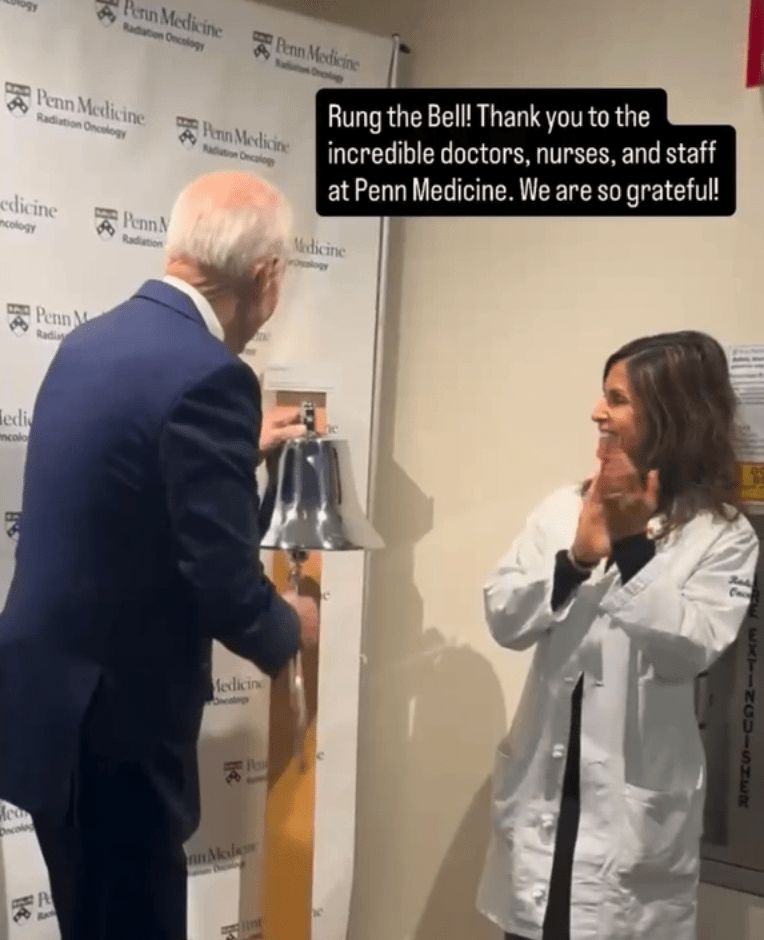
Ashley’s newest update centered on a moment that has become a heartfelt tradition in many cancer centers. When patients complete a particular phase of treatment—such as a course of radiation—they ring a bell to mark the step forward. It is both a personal celebration and a public acknowledgment of the hard work, the faith, and the support that carried them to that point.
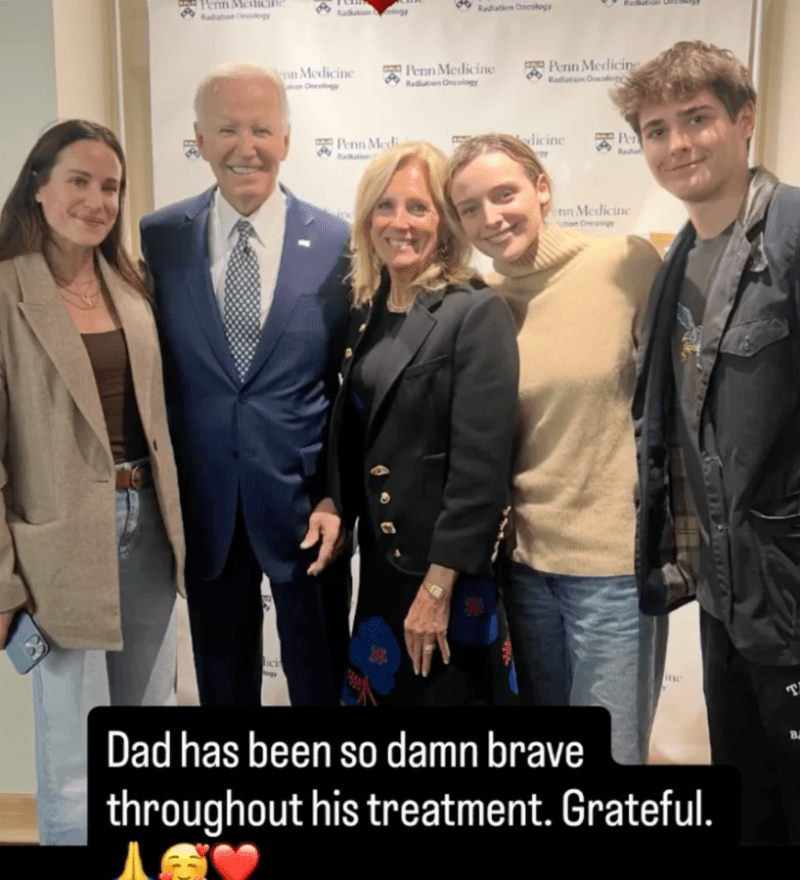
In a short video shared with her followers, Ashley captured her father ringing the bell at Penn Medicine Radiation Oncology in Philadelphia. There were smiles, cheers, and an unmistakable sense of relief. Alongside the video, she offered simple, sincere thanks to the doctors, nurses, and staff who have been caring for him. She also shared a warm family photo and a note about her father’s courage throughout the process—a reminder that behind every treatment plan is a person with loved ones close by.
For many families, these updates matter. They are a way to share progress without losing sight of the road still ahead. They bring people together in quiet solidarity, whether they live down the street or follow along from afar.
A steady, optimistic outlook
Throughout the year, the former president has tried to keep things steady and practical. He spoke about the treatment routine in down-to-earth terms, describing a plan that included taking a particular medication for a set number of weeks and then moving to the next step. The message was clear: follow the schedule, trust the team, and focus on the next right thing. The tone was optimistic without minimizing the seriousness of the diagnosis.
People who have walked a similar path often find that this kind of outlook helps. Breaking treatment into phases makes it feel more manageable. A calendar filled with appointments can be daunting, but knowing exactly what comes next can bring welcome structure to the days. Progress is built one step at a time, and each step counts.
Understanding the diagnosis without the jargon
Prostate cancer is common, especially among men in their sixties, seventies, and beyond. The prostate itself is a small gland that plays a role in the male reproductive system. When problems arise, they may show up as changes in urination—things like needing to go more often, waking up at night, or feeling like it’s harder to start or fully empty. These symptoms can have many causes, not all of them cancer, but they are always worth mentioning to a doctor.
To check the health of the prostate, doctors may use blood tests, imaging, or a biopsy, which is a careful look at tiny samples of tissue under a microscope. The Gleason score, often heard in discussions like this one, is a way of describing how the cancer cells look and behave. Higher scores suggest a more aggressive cancer that needs prompt attention. Even in those tougher situations, many cancers are treatable, especially when the plan is well coordinated and closely monitored.
When a care team says a cancer is hormone-sensitive, they mean it can still be affected by changes in hormone levels, which opens the door to therapies designed to slow its growth. That is why you often see radiation and hormone therapy used together: one targets the tumor directly, while the other changes the environment the cancer relies on.
Day-to-day life during treatment
Every person’s experience is different, but there are common threads. Some people feel tired during radiation, especially toward the end of a course. Hormone therapy can bring its own adjustments, such as hot flashes or changes in energy and mood. Care teams typically watch these effects closely and work with patients to keep them as comfortable and active as possible. Communication helps—saying how you feel, asking questions, and taking things one appointment at a time.
Nutrition, gentle activity, and rest usually play a helpful role. Many patients find that short walks, light stretching, and steady routines improve comfort and sleep. Family members can lend a hand with meals, rides, and companionship at appointments. These small contributions often make a big difference, turning a demanding schedule into something more manageable.
The strength of family and community
One of the most moving parts of Ashley’s update was the way it highlighted teamwork—between the patient, the family, and the medical staff. A kind word from a nurse, a detailed explanation from a doctor, a ride to the clinic from a daughter or a friend: each of these can ease the load. Over time, they become the threads that hold the experience together.
Moments like the bell ringing don’t erase the difficulty of the journey, but they do shine a light on what’s going right. They give families a chance to pause, look back at how far they have come, and then gather themselves for whatever is next. Gratitude has a way of steadying the heart, and you could hear that gratitude in Ashley’s words.
What this progress means
Finishing a round of radiation is an important checkpoint. It signals that a major part of the plan has been carried out and that the team can now look at how the cancer has responded. Imaging and lab work often follow, giving doctors the information they need to confirm that things are moving in the right direction and to plan the next steps with care.
Hearing that the cancer is responding to hormone therapy, as the spokesperson noted earlier, adds to that sense of progress. It suggests that the current strategy is having the intended effect. While no single milestone tells the whole story, together they draw a picture that is cautiously hopeful.
Words that lift the spirit
The messages Ashley shared did more than report a medical update. They offered encouragement to anyone walking a similar road. Gratitude for the care team, respect for the process, appreciation for family—these are the qualities that help people keep going. They remind us that, even in tough seasons, kindness and teamwork can bring real comfort.
As for the former president, his steady, practical tone continues to set the pace. He has spoken about the treatment path in simple terms, chosen to focus on what he can do, and kept looking forward. That kind of attitude cannot change the diagnosis, but it can change the experience of living with it.
Looking ahead with care and confidence
From here, the next steps will unfold as the medical team reviews results and updates the plan. For many patients on a similar path, that may include continued hormone therapy, regular check-ins, and periodic scans. The goal remains the same as it has been from day one: manage the disease effectively, support overall health, and protect quality of life as much as possible.
What stands out most in this moment is the sense of togetherness. The family is united. The care team is engaged. And the updates, shared thoughtfully and without drama, reflect a spirit of perseverance. Each step completed is a step earned, and that is worth noticing.
A note to others on the journey
If you or someone you love is navigating prostate cancer, Ashley’s update offers a gentle reminder: you are not alone. Many families have walked this path and found real hope in today’s treatments, in the dedication of medical teams, and in the everyday support of friends and loved ones. While every case is unique and every plan is personal, encouragement travels well. It can be shared from one household to another, from one waiting room to the next.
In that spirit, this latest news feels like a hand on the shoulder. It marks progress, honors the work it took to get here, and keeps the door open for more good news ahead.
Holding on to hope
There will be more appointments and more updates in the future. For now, it is enough to say that a meaningful phase of treatment has been completed, the early response looks promising, and the family’s gratitude is as strong as ever. The image of a father ringing a bell, surrounded by people who care for him at home and in the hospital, is one many will carry with them.
As Ashley expressed so simply, thankfulness matters. It honors the skill of doctors and nurses, the quiet strength of family, and the steady courage of the person at the center of it all. And it reminds us that, step by step, there can be real light along the way.