Remembering Raymond Berry, A Baltimore Colts Legend Whose Precision Changed Football
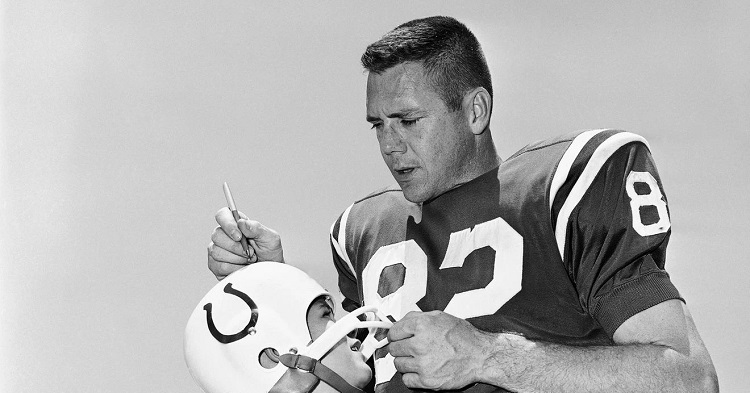
The football world is saying goodbye to one of its most respected figures. Raymond Berry, the Hall of Fame wide receiver and later a successful NFL head coach, has passed away at the age of 93. His career spanned eras and helped shape the modern game into what so many of us have come to enjoy on crisp fall Sundays.
Berry’s name carries weight not because he sought the spotlight, but because he earned it the old-fashioned way. He built a career on discipline, preparation, and a relentless attention to detail. Those qualities didn’t just make him a standout player; they transformed how teams think about passing the ball and what it takes to be great at the wide receiver position.
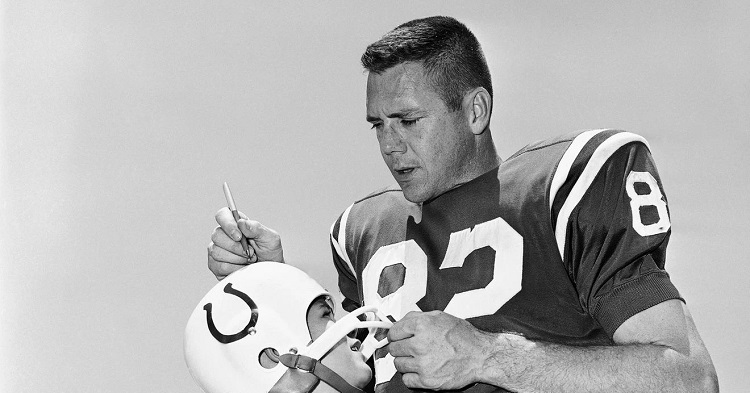
For many fans, especially those who grew up watching football in the 1950s and 1960s, Raymond Berry represents a style of play and a way of life that still resonate today. He was tough without bravado, confident without arrogance, and consistently dependable when the game was on the line. The Pro Football Hall of Fame confirmed his passing on June 1, and with that news, an entire chapter of football history comes into clearer focus.
The Receiver Who Helped Redefine the Game
In Raymond Berry’s era, football tilted heavily toward the run. Offenses leaned on powerful backs and grinding ground attacks to chew up yards and the clock. Then came Berry and his legendary partner, quarterback Johnny Unitas, with the Baltimore Colts. Together, they elevated the passing game from occasional surprise to genuine strategy. Their timing, trust, and understanding made them one of the sport’s first great quarterback-receiver duos.
Berry wasn’t just part of a new approach—he was at its center. He helped turn precision route running into an art form, proving that a receiver didn’t need to be the fastest player on the field to dominate. He relied on immaculate footwork, crisp cuts, and a meticulous sense of timing. Unitas had the arm and the courage to fit throws into tight spaces; Berry gave him the target that seemed to arrive exactly where it needed to be, exactly when it needed to be there.

You could watch a whole game and never catch Berry out of position. Every step was measured. Every break was sharp. He operated like a craftsman building something that would last—possession by possession, game by game, season after season. In a sport often obsessed with flash, Berry proved that substance, care, and consistency could be every bit as thrilling as a long bomb down the sideline.
Quiet Toughness, Relentless Preparation
Part of what makes Berry’s story so compelling, especially to those who appreciate grit over glamour, is what he had to overcome. He dealt with poor eyesight and a spinal condition that left one leg shorter than the other. He wore special shoes and a back brace, conditions that would have discouraged many players or given them an excuse to fade into the background. Berry did the opposite. He spent countless hours practicing his routes, studying defenses, and rehearsing timing with Unitas until every pattern felt like second nature.
He wasn’t the biggest or the fastest. But he was precise, dedicated, and impossibly reliable. It’s rare in any sport to find someone who pairs humility with excellence as naturally as Berry did. When the moment arrived, he did his job. No showboating. No drama. Just results.
From Long Shot to Legend
Berry’s road to stardom didn’t come with fanfare. In college at SMU, he caught just 33 passes—hardly the résumé of a future Hall of Famer. He was drafted in the 20th round in 1954, a point in the draft where few players ever make a lasting impact. But Berry treated the opportunity like a mission. He worked, he learned, and he turned every practice rep into a step toward mastery.
By the time he finished his 13-year career with the Baltimore Colts, Berry had flipped the narrative completely. The long shot had become a leader, a champion, and one of the most dependable receivers the sport had ever seen. He helped guide the Colts to two NFL championships, cementing Baltimore’s place among the league’s great football cities of the era.
The Greatest Game Ever Played, And A Star Performance
If there is a single stage that captured the essence of Raymond Berry’s greatness, it was the 1958 NFL Championship Game, still often called “The Greatest Game Ever Played.” In a dramatic overtime finish, the Colts beat the New York Giants 23-17, and Berry delivered one of the finest performance showcases of his career. He was a steadying force and a constant outlet, repeatedly finding soft spots in the defense and answering the call when the Colts needed a conversion or a spark.
That game didn’t just bring the Colts a title; it brought pro football to the forefront of American sports in a new way. Millions of fans discovered the beauty of a high-stakes passing attack, and many of those moments were shaped by Berry’s flawless routes and dependable hands. For those who watched it live, or who later learned about it from parents and grandparents, it became a touchstone event—a reminder that football could be both tough and elegant at the same time.
Numbers That Still Command Respect
By the time Berry retired after the 1967 season, he stood at the top of the NFL record books. He was the league’s all-time leader in receptions and receiving yards, an extraordinary achievement considering the era. His final totals—631 receptions, 9,275 receiving yards, and 68 touchdowns—may be measured differently against today’s pass-happy offenses, but they remain a testament to how thoroughly he dominated his time.
And then there’s one statistic that fans still marvel at. Across 13 seasons, Raymond Berry fumbled only once. In a game of fierce hits and constant contact, that kind of ball security is almost hard to believe. It speaks to concentration, to technique, and to a level of accountability that made quarterbacks trust him and defenders brace for yet another chain-moving catch.
The Standard for a Great Receiver
Ask almost any coach or player what makes a wide receiver great, and the answers echo Berry’s approach. Precision over ego. Preparation over excuses. Execution over theatrics. He trained himself to be exactly where he needed to be, exactly when the quarterback expected him. That blueprint has influenced generations of receivers who studied the position like students of a craft.
Even as the game evolved—with faster cornerbacks, more complex coverages, and rule changes that helped open up the passing game—Berry’s principles never went out of style. If anything, they became more valuable. In today’s NFL, where timing routes and spacing are essential, you can still see Berry’s fingerprints on how receivers and quarterbacks work together.
From the Sideline, A Teacher at Heart
Berry’s leadership didn’t end when he hung up his cleats. He stepped into coaching, where his steady hand and teacher’s mindset found a natural home. In 1984, he became head coach of the New England Patriots and guided the team to its first-ever Super Bowl appearance in the 1985 season. The Patriots ultimately ran into the dominant Chicago Bears in Super Bowl XX, but Berry’s presence and poise helped stabilize the franchise during a pivotal stretch.
As a coach, he emphasized many of the same values that defined his playing career. He believed in detail. He believed in doing the little things right. And he believed that success came from consistency—not just on Sunday, but every day of the week. Players respected him because he never asked them to do anything he hadn’t already done himself, at the highest level, when the pressure was greatest.
Why His Story Still Matters
For many fans between 45 and 65, Raymond Berry’s career may connect to cherished memories—sitting with family to watch a big game, or hearing older relatives talk about Unitas and the Colts, or discovering football’s drama during the era when the sport truly captured America’s attention. In that sense, Berry isn’t just a name in a record book; he’s a reminder of how sports can bring people together across generations.
His story also has a timeless lesson. Talent gets you noticed. Work gets you remembered. Berry wasn’t blessed with every physical gift, but he had the mindset and habits to bring out the best of what he did have. That’s a lesson that translates well beyond football—into careers, families, and the everyday challenges that call for patience, consistency, and pride in a job well done.
The Human Side of a Legend
Behind the numbers and the championships was a man who demanded excellence of himself and inspired it in others. Teammates spoke of a professional who was all business during the week and all heart on game day. Coaches saw a player who made adjustments, asked smart questions, and made everyone around him better by setting a steady example.
It’s not hard to imagine Berry quietly arriving early to a practice field, rehearsing the sharp break of a curl route or the footwork on a sideline catch, over and over. That image—simple, unglamorous, focused—is the essence of how he played and why he mattered. He made receivership into an art that anyone could appreciate, whether you knew the playbook or simply loved the way a great catch can turn a game.
Enduring Influence on Today’s NFL
Watch a modern passing game and you can see elements of Berry everywhere. The timing routes that require trust. The attention to leverage and angles that help a receiver find open grass. The idea that hands and feet can beat speed when a play is executed with perfect rhythm. Today’s stars play with incredible athleticism, but the smartest of them also play with Berry’s discipline.
And that’s how a legacy endures. Not as a frozen moment in history, but as a living influence that still shows up on the field every weekend. The Baltimore Colts may have become part of football’s past, but the standards Berry set remain part of its present.
A Look Back at Berry in Motion
There’s something special about seeing a great player in action—how he moves, how he thinks, and how he brings a play to life. The best way to understand Berry’s magic is to watch him work, to see those precise cuts and confident hands that turned tough third downs into first downs and championship hopes into championship rings.
Farewell to a True Original
With Raymond Berry’s passing, football loses more than a Hall of Famer. It loses a standard-bearer for how to do things the right way. He wasn’t flashy. He wasn’t loud. But his impact was unmistakable. Two NFL championships with the Baltimore Colts, record-setting numbers at a time when the passing game wasn’t yet king, and a coaching career that helped propel the New England Patriots toward a new era—each chapter underscored his belief that preparation and integrity never go out of style.
For those who watched him play, the memories feel vivid: the precise routes, the sure hands, the trust he built with Johnny Unitas. For those who learned about him later, the respect is just as real. His career invites us to appreciate the details, to value the work, and to honor the people who make excellence look simple only because they devoted themselves to it every single day.
Raymond Berry leaves behind a legacy stitched into the very fabric of the sport—one that will keep teaching future players, thrilling future fans, and reminding all of us that greatness is as much about character as it is about talent. May he rest in peace, and may the lessons of his life continue to shape the game he loved.